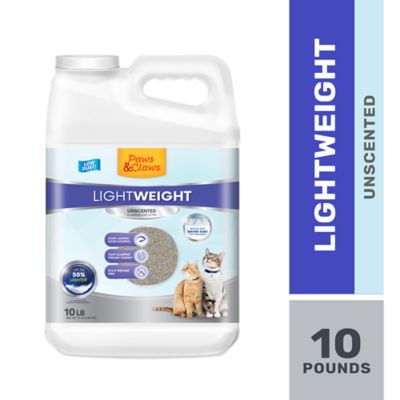
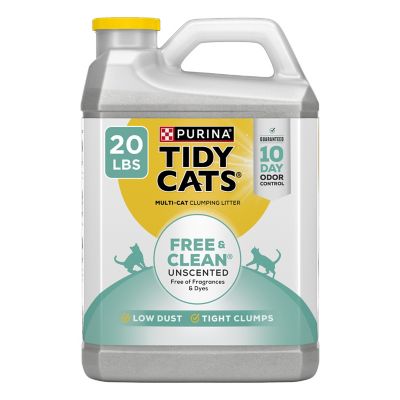
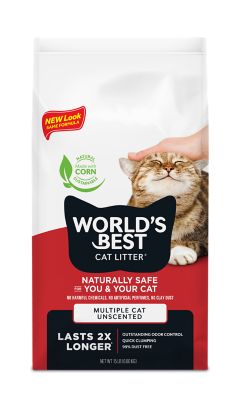
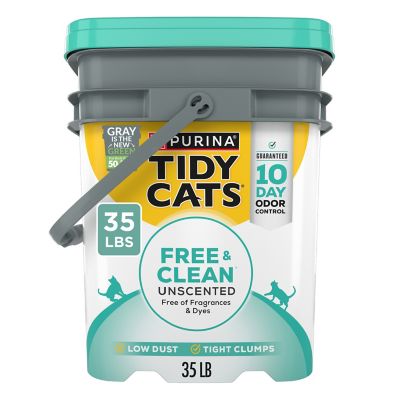
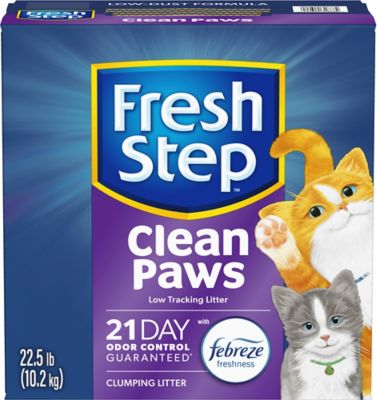
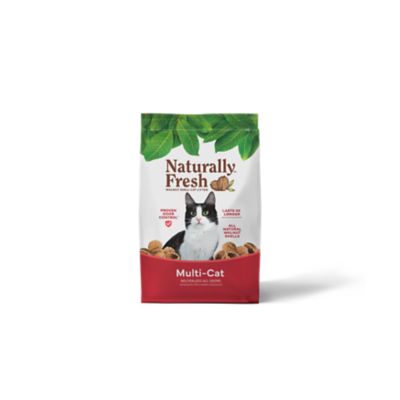
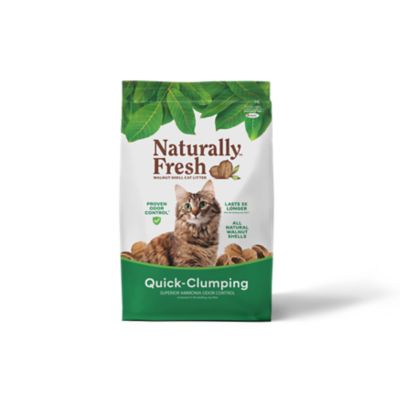
Unscented cat litter is made without added perfume or artificial fragrance, giving you a straightforward way to manage the litter box without covering odors with a strong floral or chemical smell. Cats have a much sharper sense of smell than people do, and some cats may avoid a box that smells overwhelming, especially after a change in litter. Unscented options can be a good fit for sensitive cats, homes with people who are bothered by fragrance, and households where asthma or other breathing concerns make strong scents less welcome. They are also a practical choice for any cat owner who prefers to notice and address litter box changes instead of masking them. Quality unscented litter can still provide dependable odor control through absorbent materials and odor-neutralizing ingredients such as baking soda, activated charcoal or plant fibers. The goal is to trap moisture, reduce ammonia odor and make daily scooping easier without adding a perfume scent to the room. When choosing a litter, start with the texture your cat already accepts. Clay litter is a familiar option available in clumping and non-clumping styles. Clumping litter forms firm scoops around urine, helping you remove waste while leaving more clean litter behind. Non-clumping clay absorbs moisture throughout the pan and may work well for owners who prefer a simple, traditional setup. Crystal litter uses highly absorbent granules that can help control moisture and odor, while plant-based choices may be made from materials such as corn, wood, wheat or other natural fibers. These lightweight alternatives can be easier to carry and may appeal to shoppers looking for a different material, though each type has its own texture, tracking and disposal considerations.
The number of cats in your home should guide the size and performance you look for when shopping for unscented cat litter. A single indoor cat may do well with a standard clumping formula and regular scooping, while a multi-cat household typically benefits from strong absorption, firm clumps and reliable odor control between cleanings. A deeper layer is not always better; follow the package directions and keep enough litter in the pan for your cat to dig and cover waste comfortably. Most cats prefer a clean box, so scoop at least once a day and replace litter as needed. Empty and wash the pan on a regular schedule using mild soap and water, then dry it fully before adding fresh litter. Avoid using heavily scented cleaners on the box, since leftover fragrance can be just as off-putting as scented litter. Dust is another useful consideration, particularly if the box sits in a laundry room, mudroom, bathroom or other enclosed space. Look for low-dust formulas and pour slowly when filling the pan to keep a cloud of fine particles from settling on nearby shelves or floors. Our selection of
Low Dust Cat Litter can help shoppers compare options with dust control in mind. Tracking matters, too. Fine grains may cling to paws and show up along the hallway, while larger granules or a litter mat can help keep the path from the box more manageable. A covered box may contain some mess, but it can also hold odors inside and may not suit every cat. Placement is important: set the box in a quiet, easy-to-reach spot away from food and water, with enough room for your cat to turn around and enter comfortably. Homes with more than one cat often need multiple boxes in separate locations, especially when cats have different routines or one cat tends to guard a favorite area.
Changing litter is best handled gradually, since a sudden switch in scent, texture or moisture feel can cause a cat to hesitate. Mix a small amount of the new unscented litter with the familiar kind, increasing the new litter over several days as your cat adjusts. Keep an eye on box habits during the transition. A sudden change in urination, frequent trips, straining, accidents or avoiding the box can signal a health or behavior concern that deserves prompt attention from a veterinarian; litter alone should not be used to treat a medical problem. For everyday care, choose a litter that matches your routine, your cat’s preferences and the location of the box. A busy household may appreciate quick-clumping litter that makes scooping clean and simple, while someone carrying supplies up porch steps or through a barn entry may prefer a lighter plant-based option. Unscented litter also makes a useful addition to a new-pet starter bundle for a friend, family member or neighbor bringing home a kitten or adopting an adult cat. Pairing it with a litter pan, scoop, mat and waste bags gives a new cat owner the basic setup for a calm first few days, without guessing which fragrance the cat will tolerate. During warmer weather, prompt scooping helps keep odors from building in enclosed spaces, and during cooler months, a clean indoor box gives cats a comfortable place to go when doors stay closed. Whether you are stocking up for one well-loved house cat, keeping several boxes ready in a busy multi-cat home or trying to make the litter area more comfortable for sensitive noses, unscented cat litter offers practical odor control without an added perfume scent.