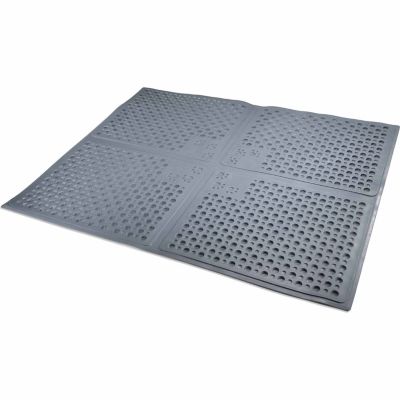
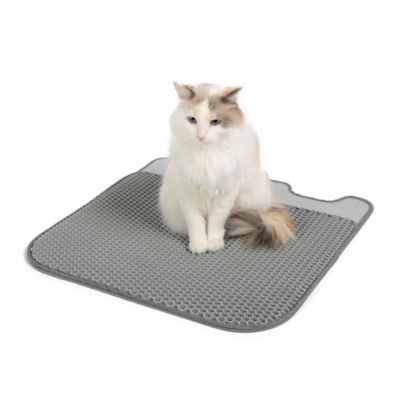
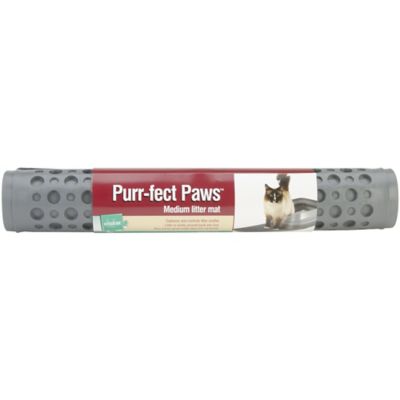
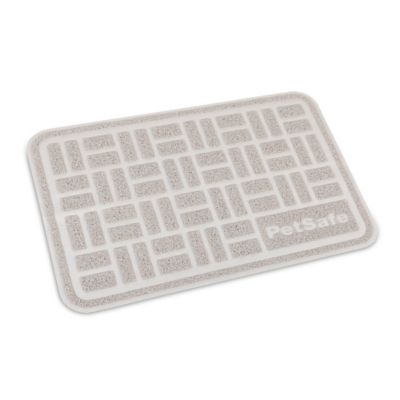
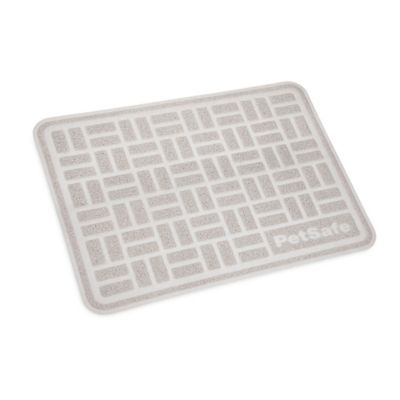
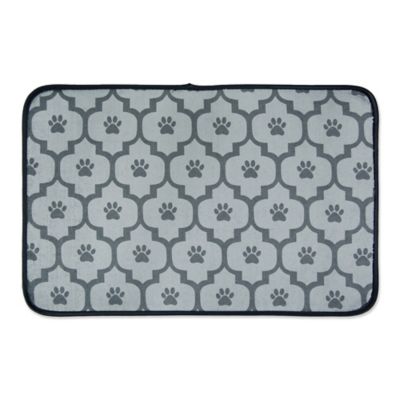
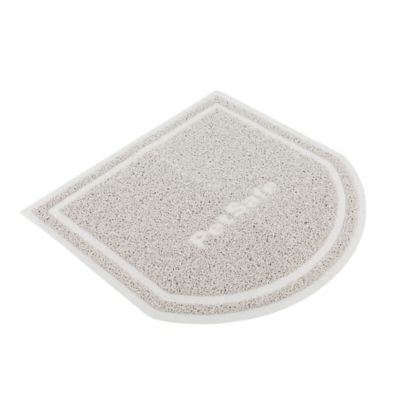
Gray cat litter mats help keep scattered litter close to the box instead of letting it travel across the floor on your cat’s paws. A mat placed just outside the entry gives loose granules a place to settle when your cat steps out, shakes a paw, or heads across the room. The gray color fits easily with many laundry rooms, mudrooms, bathrooms, and other everyday spaces, while the textured surface helps catch litter before it reaches rugs, hallways, or the bottoms of socks. These mats can be a handy choice for homes with one cat, several cats, kittens learning their litter box habits, or older cats that take a little more time getting in and out. They also make a thoughtful gift for a new cat owner, someone bringing home a shelter cat, or a friend setting up a litter station in a new home. When choosing a gray cat litter mat, start with the space around the box. Measure the available floor area and consider a mat that extends beyond the front edge and sides where your cat is most likely to step. A small mat may suit a tucked-away box, while a larger option can give active cats more room to land and turn. Look at the surface pattern, too. Deep grooves, raised textures, honeycomb openings, and soft mesh can all catch stray litter, though each style handles cleanup a little differently. Mats with a two-layer honeycomb design may let litter fall into a lower layer for simple emptying, while a solid surface may be easier to wipe. A silicone mat with raised edges can help protect the floor from damp litter and small spills. Rubber and foam surfaces can provide a softer landing for paws and are often easy to shake, rinse, and air-dry. If the litter box sits on hardwood, laminate, vinyl, or another smooth floor, check that the mat rests flat and stays in place as your cat walks across it. For more help comparing litter types and matching litter to your cat’s routine, visit
Best Cat Litter.
Daily care is simple when the mat is sized and placed well. Lift or shake it over a trash can or outdoor area to release trapped granules, then sweep or vacuum the surrounding floor as needed. Many rubber, foam, silicone, and mesh mats can be rinsed with warm water and mild soap when a deeper cleaning is needed. Let the mat air-dry fully before putting it back beneath the box, especially if it has a layered or textured surface that can hold moisture. Follow the care directions for the particular material, and avoid harsh cleaners that may leave a strong scent around the litter station. A washable mat is especially helpful during the cooler months, when doors and windows stay closed and tracked litter can collect quickly in busy indoor spaces. It can also make cleanup easier in farm homes, apartments, cabins, and houses where cats move between rooms, porches, garages, or enclosed entryways. Place the mat on a level surface with the litter box centered or positioned so the main exit opens onto the textured area. Keep the box itself clean and easy to reach, since a cat that avoids a cramped or messy setup may scatter more litter while searching for a comfortable spot. Check the mat from time to time for bent edges, cracks, worn spots, or trapped moisture, and replace it when it no longer lies flat or cleans up easily. Gray cat litter mats come in several sizes, shapes, and materials, so the best fit depends on your cat’s habits, the type of litter in the box, the amount of room available, and the kind of floor underneath. A cat that launches out of the box may need extra coverage, while a quiet indoor cat with a compact setup may do well with a smaller mat. With the right placement and a quick cleaning routine, a litter mat helps keep the area around the box neater and gives your cat a more comfortable path back into the rest of the home.