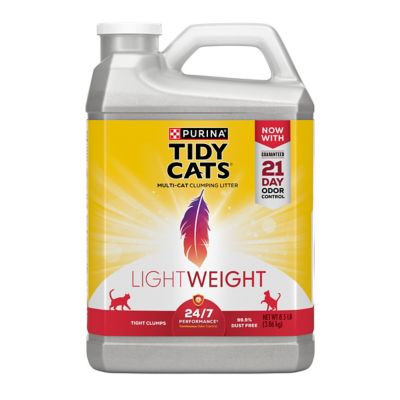
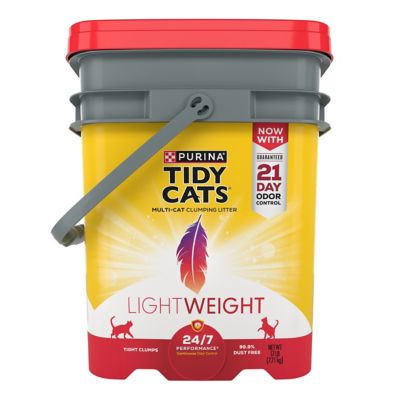
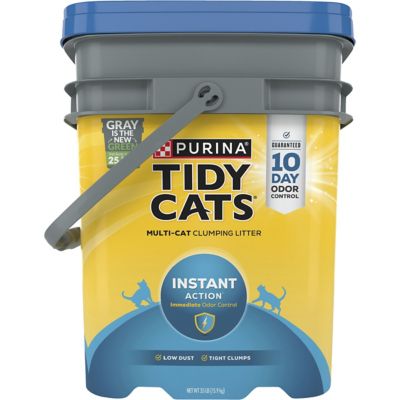
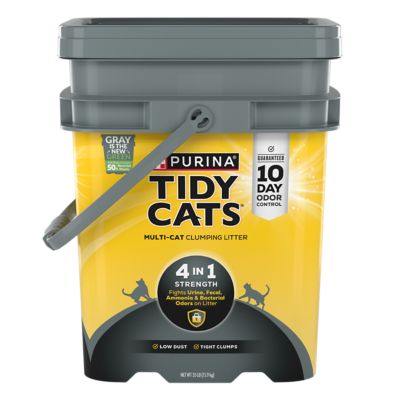
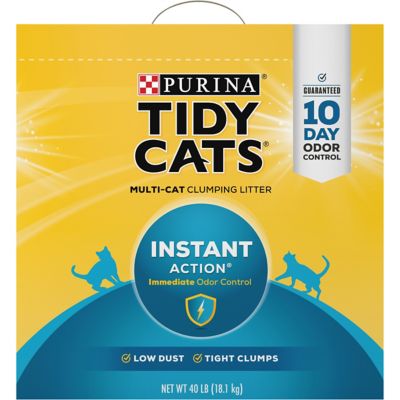
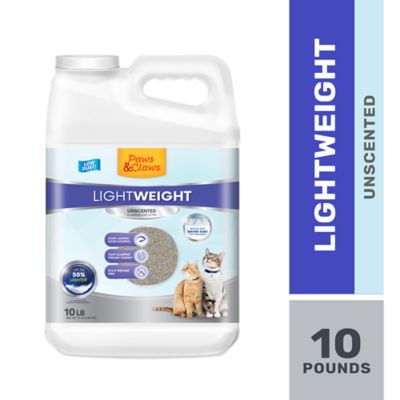
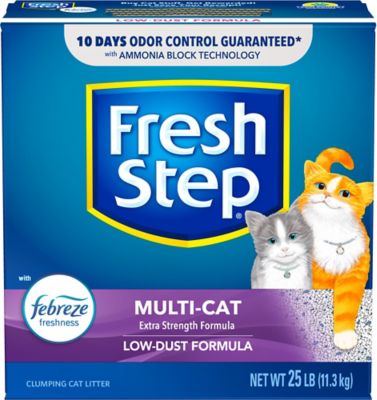
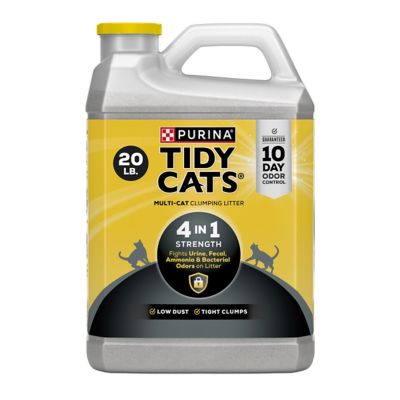
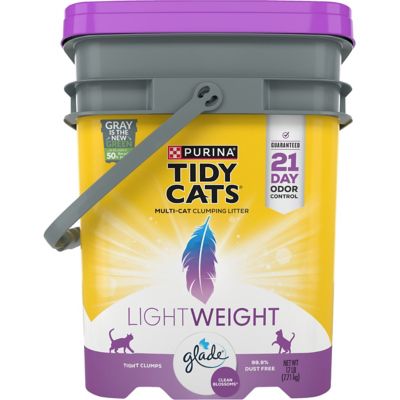
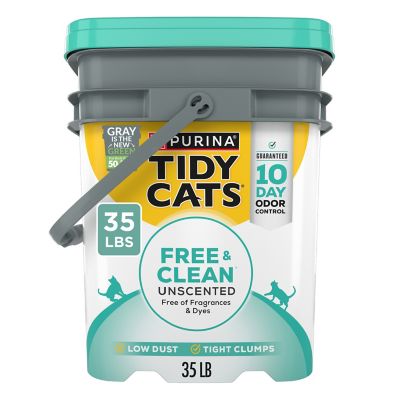
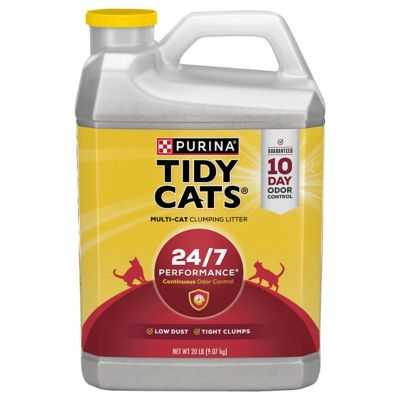
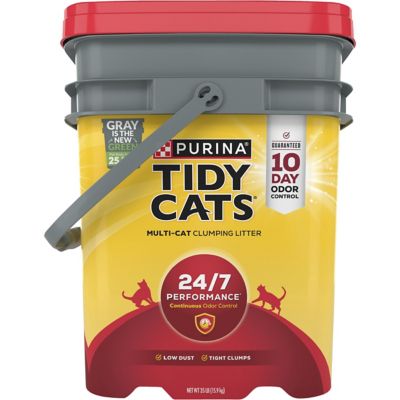
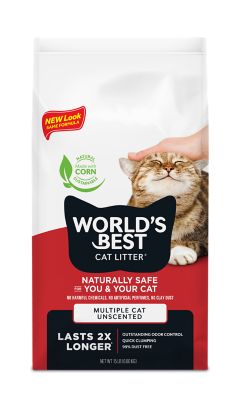
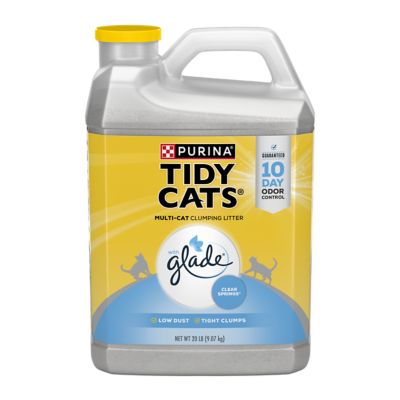
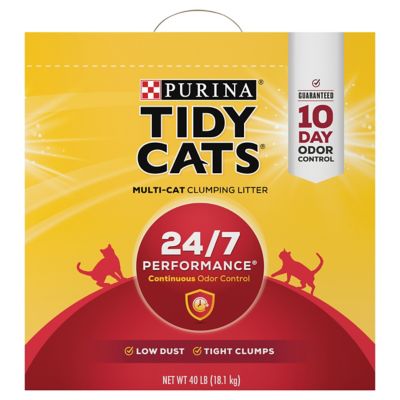
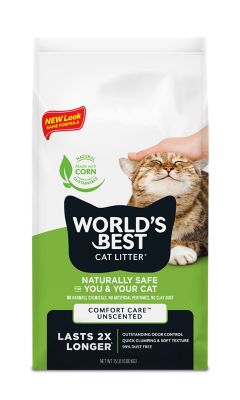
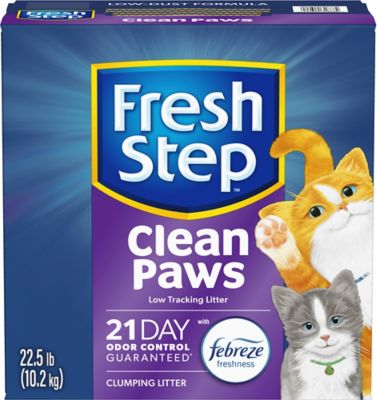
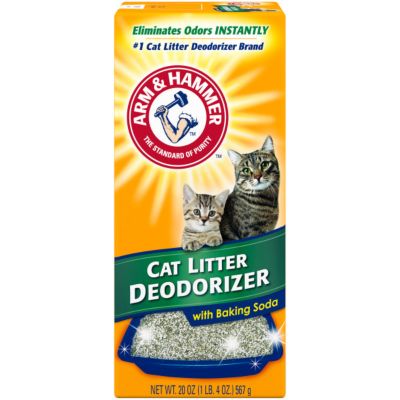
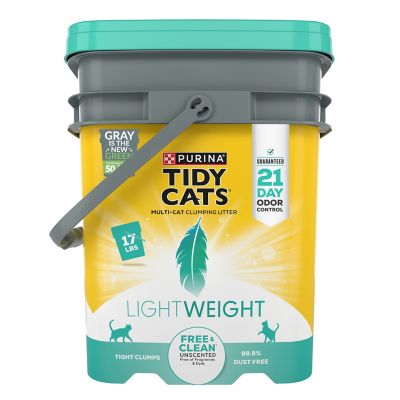
Low dust cat litter helps keep the area around your cat’s box cleaner and more comfortable, especially in homes where the litter box sits near a hallway, laundry room, mudroom, or other well-used space. Traditional clay litter can release fine particles when it is poured, kicked, or scooped, leaving a powdery film on nearby floors and furniture. Low dust formulas are made to reduce that cloud of airborne particles, though no litter stays completely free of dust once it breaks down with use. This can be a practical choice for cats with sensitive noses, households with people who are bothered by airborne dust, or anyone tired of finding a gritty trail from the box to the food bowl. Look for descriptions such as low dust, dust control, or reduced dust, and pay attention to the shape and size of the granules. Larger, more uniform pieces usually create less loose powder than litter that crumbles easily. Clay remains a familiar choice because it is available in clumping and non-clumping formulas, while corn-based litter offers a plant-based alternative that may have a lighter feel and larger granules. Compressed pine and paper pellets are another option, with a different texture and scent profile than fine-grain litter. Some low dust litters include activated charcoal or other odor-controlling ingredients, while unscented formulas keep the litter box environment simpler for cats and people who prefer to avoid added fragrance. If you are comparing options for a cat with a strong reaction to scented products, take a look at
Unscented Cat Litter as well. A low dust litter can make a thoughtful addition to a new cat owner’s care package, a housewarming gift for someone adopting a cat, or a useful item for a friend caring for an older pet. It is the kind of practical gift that gets used every day, right alongside scoop bags, a litter mat, and a sturdy box.
The best choice depends on your cat’s habits, your home, and how often you are able to maintain the box. Clumping litter is handy for removing urine and solid waste in small portions, helping the remaining litter stay fresh when the box is topped off as needed. Non-clumping litter and pellets may call for a different cleaning routine, since moisture can collect in one area or cause pellets to soften and break apart. Either way, read the care directions and start with a clean, dry box. Pour slowly and close to the bottom of the pan instead of dumping the whole bag from shoulder height. A gentle pour creates less turbulence and keeps settled particles from floating through the room. Scoop with a steady hand rather than stirring the entire box, and give the litter a moment to settle before sweeping or vacuuming nearby. A litter mat under the box can catch pieces carried out on your cat’s paws, while a covered box may help contain some tracking but can also hold odor and dust if ventilation is poor. Place the box in a spot with comfortable airflow, such as a quiet corner with room around it, rather than a tightly closed closet or cramped cabinet. Keep it away from food and water, yet make sure your cat can reach it without passing through a noisy area or slippery doorway. During the warmer part of the year, good airflow can help keep odors from lingering. As the weather turns cooler and doors and windows stay closed more often, regular scooping and washing the box become even more important. Most cats prefer a clean, familiar setup, and sudden changes in texture, scent, or box location can lead to accidents. When switching to a new low dust formula, mix a small amount into the old litter and increase it gradually over several days. Watch for changes in use, digging, or comfort, and slow down the transition if your cat avoids the box.
Dust control is only one part of a healthy litter box routine. Scoop at least once a day in a single-cat home, and check more often when several cats share the space or when the box is used heavily. Multiple cats generally do better with multiple boxes placed in separate, easy-to-reach locations, since crowding can lead to stress and uneven wear on the litter. Replace litter according to the package directions and your household’s needs, then wash the pan with mild soap and water before drying it completely. Avoid strong cleaners, bleach mixtures, and heavy perfumes that can leave an odor cats may dislike. When pouring or changing litter, people with dust sensitivities may benefit from opening a window, running an exhaust fan, or wearing a well-fitting mask. Keep bags and buckets sealed between uses so moisture does not turn clean litter into clumps before it reaches the box. Store litter on a dry, level surface where pets and children cannot open the container or tip it over. Natural pellets and plant-based formulas can behave differently from clay, so dispose of them only as directed on the package and follow local waste rules; used litter should not be flushed unless the product specifically says it is safe and local guidance allows it. For cats with asthma, persistent sneezing, watery eyes, coughing, or other breathing concerns, ask a veterinarian about the most suitable litter and box setup. Choosing a low dust formula, pouring it carefully, keeping the room aired out, and staying consistent with cleaning can cut down on mess while giving your cat a calmer place to take care of business through the changing seasons.