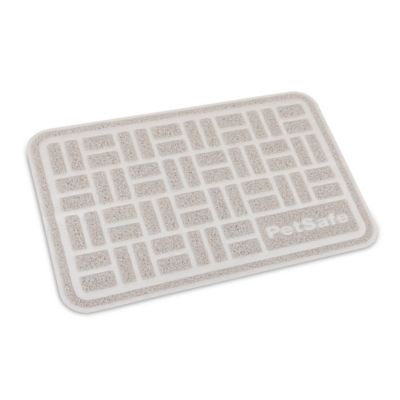
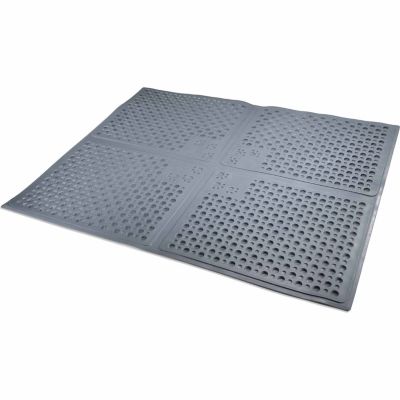
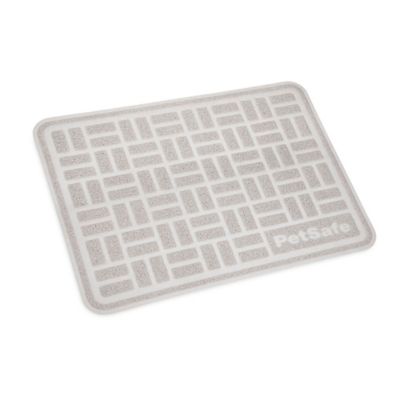
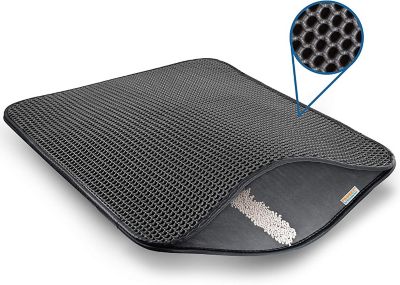
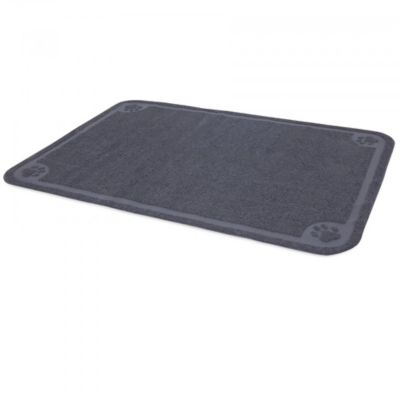
Waterproof cat litter mats help protect the floor around a litter box from scattered litter, small liquid spills, and urine accidents. Their waterproof layer keeps moisture from passing straight through the mat, while a textured or pocketed surface helps catch granules carried out on a cat’s paws. That combination matters in a laundry room, spare bathroom, or quiet corner of a farmhouse, where a few steps from the box can otherwise leave grit across a much larger area. A mat gives loose litter a landing place and makes the space easier to keep tidy between regular box cleanings. The construction makes a difference, though: an open mesh surface needs a solid backing beneath it to provide a liquid barrier, and a mat with openings all the way through is not waterproof on its own. Raised edges can help hold a small spill within the mat’s footprint, but liquid can still reach the floor if it runs beyond the border or escapes through an unsealed seam. Floor protection depends on the mat’s shape, condition, and placement as well as its material. Constructions include flexible rubber or silicone surfaces, plastic mesh over a waterproof base, and double-layer foam designs with an upper layer that catches litter. EVA foam can offer a softer landing, while some rubber and silicone styles have a more substantial feel underfoot. A single-piece surface generally has fewer seams to check, while a layered mat may offer deeper pockets for collecting granules. For a cat that steps out slowly, a broad, gently textured area may be enough to catch loose litter. For one that leaps out after a determined round of digging, extra coverage beyond the entrance can matter more than a thick surface directly beside the box. The right match balances floor coverage with a feel the cat is willing to walk across, since a mat that gets jumped over cannot catch much from those paws.
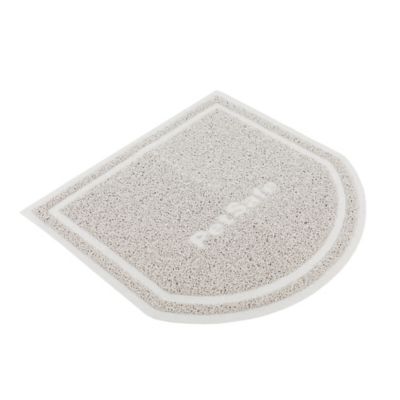
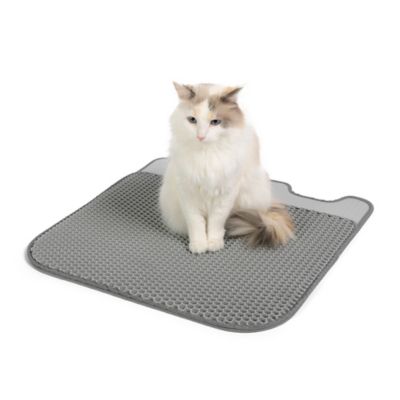
Fit starts with the litter box opening and the route a cat takes away from it, not just the mat’s dimensions. A front-entry box usually calls for room in front of the doorway, while an open pan may need coverage along more than one side. With a top-entry box, the landing spot can sit farther from the base than expected. Measuring the available floor space, including door clearance and room to scoop, helps avoid a mat that curls against a cabinet or blocks the laundry room door. Rectangular shapes often suit a straight wall, while shaped designs can fit beside a corner setup without filling the whole room. In a home with several cats, each box may need its own catch area rather than one small mat between two trays. A flat, stable backing helps keep the landing area steady, particularly for older cats or kittens still finding their footing. Grip depends on both the backing and the floor beneath it; dust, loose litter, and moisture can interfere with contact even when a mat has a slip-resistant underside. Surface texture deserves just as much attention as size. Deep grooves and honeycomb openings can collect scattered granules, but a rough or stiff feel may encourage a sensitive cat to step around the edge. Softer loops or rounded openings may suit tender paws better, provided there are no loose strands to chew. The litter itself also affects how a mat performs. Fine clay granules can settle into smaller pockets, while larger wood or paper pellets may stay on top instead of dropping through. Lightweight litter can travel farther, making a wider landing area helpful. In a tight bathroom, a lower-profile mat may fit better than a thick layered style, especially near a swinging door. Wherever the box sits, the mat should leave a clear path for the cat without turning a busy walkway into an obstacle. Edges that lie flat and enough room to stand comfortably help make the setup easier to navigate.
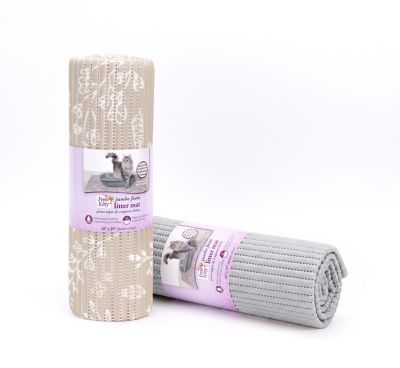
Everyday cleanup is another practical difference between waterproof cat litter mats. Some surfaces release dry litter with a shake over a trash container, while others have grooves that need a brush or vacuum attachment, if the care directions allow it. Double-layer designs may open along an edge so trapped granules can be emptied without turning the entire mat upside down. Litter and solid waste belong in the trash rather than a sink or drain, where they can cause plumbing trouble. For liquid messes, a surface that wipes clean can make a small accident less of a chore, but waterproof construction does not mean a mat can go in the washing machine. The care label should spell out whether rinsing, hand washing, or machine washing is appropriate. Mild soap, when permitted, and thorough rinsing help avoid residue, while drying both sides completely keeps moisture from lingering against the floor. The area underneath needs attention, too, especially if a spill reaches the edge. Backing materials can interact with certain floor finishes, so compatibility matters on wood, vinyl, and other finished surfaces. Repeated scratching, chewing, folding, and washing can eventually wear down a mat; intact seams, a sound backing, and edges that stay flat matter more than thickness alone. Torn mesh or crumbling foam is a reason to replace it, particularly with a cat that mouths loose pieces. Color can help the setup settle into the room without drawing much attention.
Gray Cat Litter Mats offer a neutral look beside concrete floors, tile, or painted cabinets, although any color still needs regular cleaning. For a first-time cat owner, a busy multi-cat household, or someone tired of finding litter halfway down the hallway, a well-fitting mat adds a practical layer of protection. It supports a clean litter area without replacing routine scooping, box washing, or prompt attention to accidents.