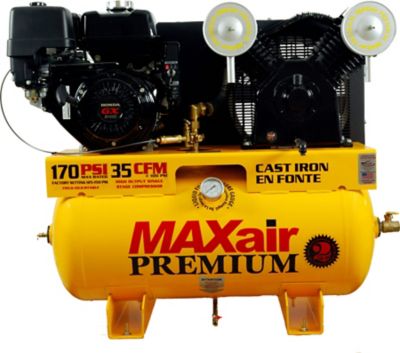
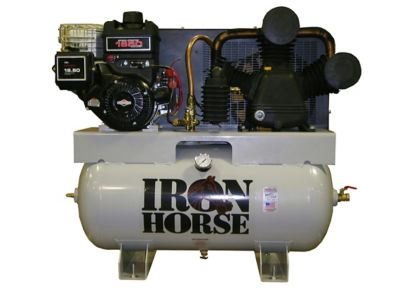
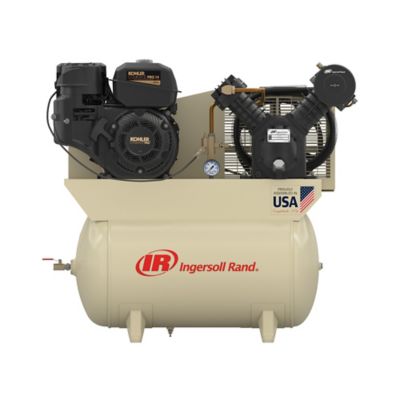
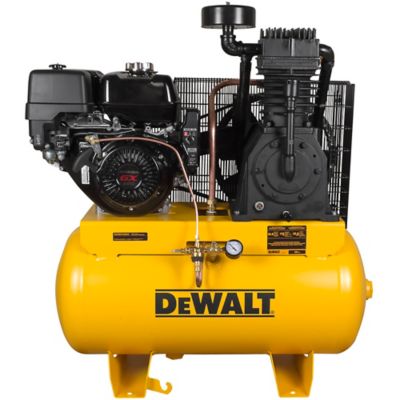
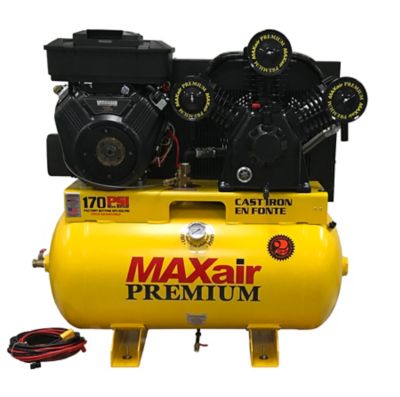
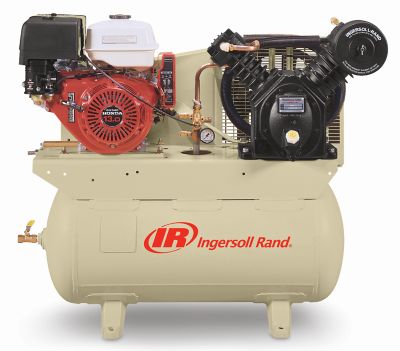
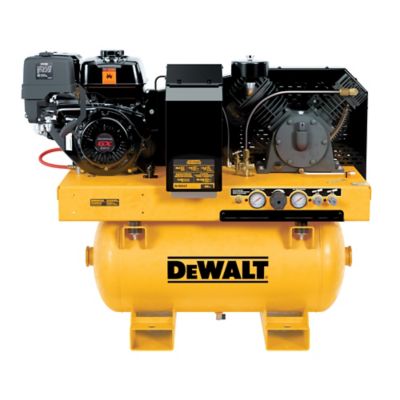
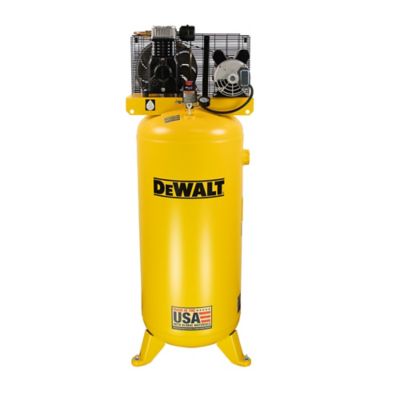
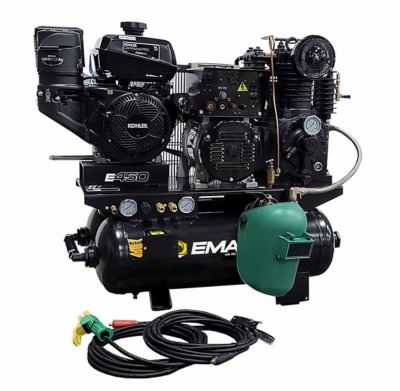
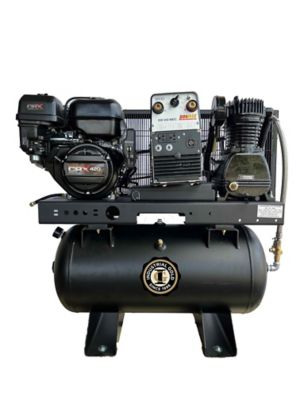
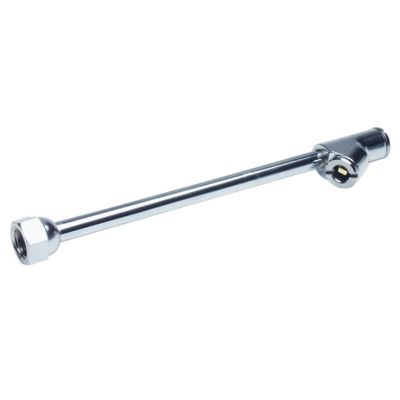
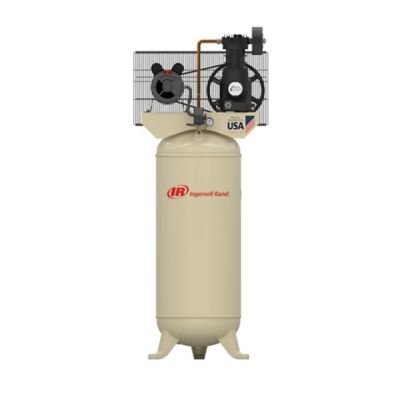
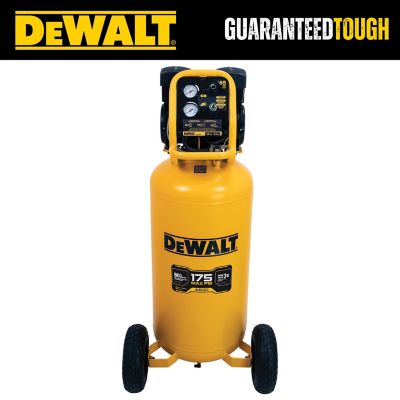
Truck-mounted air compressors bring a steady supply of compressed air to jobs where a wall outlet may be miles away. Installed or secured on a service truck, pickup bed, flatbed or trailer, these systems can support tire service, farm repairs, construction work, road maintenance and field service. A gas- or diesel-engine-driven compressor operates independently of outside power, while an underhood system makes use of the truck’s engine compartment and leaves more room in the bed. Hydraulic and rotary screw arrangements draw power from a vehicle’s hydraulic system and can provide continuous air delivery for demanding work. The right setup depends on the work at hand, the vehicle carrying it and the tools that need air. Before choosing, look at air volume in cubic feet per minute (CFM), maximum pressure in pounds per square inch (PSI), tank size, engine or hydraulic requirements, mounting space, hose connections and the number of tools that may run at once. A tire inflator and blow gun may need far less air than an impact wrench, pavement breaker or air hammer. If several tools will operate together, compare the compressor’s delivered CFM at the working pressure rather than focusing only on the highest number printed on the label.
A service truck headed down a gravel road before sunrise has different demands than a pickup that carries a compressor to a weekend farm repair. For roadside tire work, a compact arrangement with practical hose storage and quick connections can help get a tractor, trailer or work truck moving again without hauling it back to the shop. Contractors may look for a tank and air output suited to framing, concrete, fencing or utility work, along with a mounting arrangement that keeps tools, fuel and materials organized. On a farm, compressed air can help inflate equipment tires, blow dust from hard-to-reach areas and power select air tools during repairs near a barn, pasture or field entrance. A larger receiver tank stores a reserve of air for short bursts, while a compressor with strong sustained output is better suited to longer tool cycles. Gas-powered systems can be helpful where electrical service is unavailable, but they need ventilation and safe fuel handling. Underhood and hydraulic systems may preserve bed space and reduce the need for a separate engine, though installation, vehicle compatibility and service access deserve close attention. Keep the truck’s payload rating in mind, measure the mounting area before purchase and confirm that the compressor, brackets, hoses and accessories will fit without blocking lights, storage doors or other equipment. For vehicles that spend time beyond paved roads, browse
Off Road Air Compressors for additional air supply options suited to remote travel and field work.
A good truck-mounted setup also depends on the details around the compressor. Choose hose length and diameter according to the distance from the unit to the work area, since a long or narrow hose can reduce airflow at the tool. Couplers, regulators, filters and moisture separators help match the air supply to the task, while a pressure gauge makes it easier to monitor the system during operation. Drain the receiver tank as recommended to remove collected moisture, inspect belts and fittings, check oil levels where applicable and keep intake filters clear of dust, chaff and road grit. In cooler weather, condensation and freezing temperatures can affect lines and fittings, so storing hoses neatly and protecting exposed connections can make the next start-up smoother. Always follow the equipment instructions, wear eye and hearing protection, secure the vehicle before operating tools and keep hands, loose clothing and debris away from moving parts. A compressor mounted on a work truck may spend one day inflating livestock trailer tires, the next powering a wrench beside a hay shed and another clearing dust from a fence-line repair. Taking time to match air output, pressure, power source and mounting space to those real working conditions helps create a setup that fits the truck and the routine. These systems can also make a thoughtful gift for a farmer, mobile mechanic, contractor or fleet owner who regularly handles repairs away from the shop, especially when paired with the hose, fittings and safety equipment needed for the job.