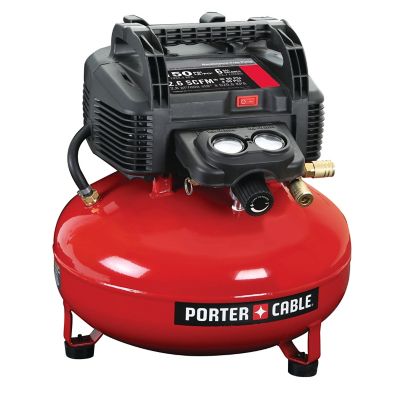
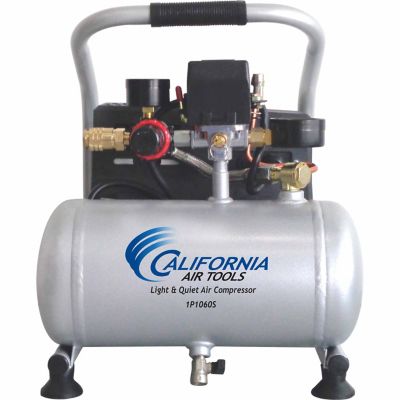
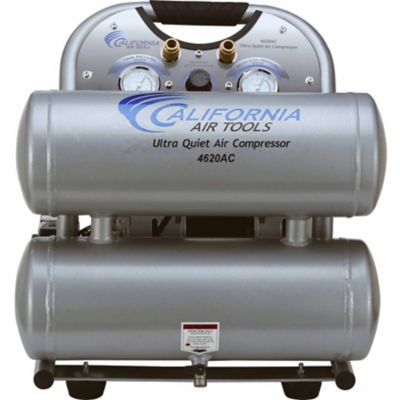
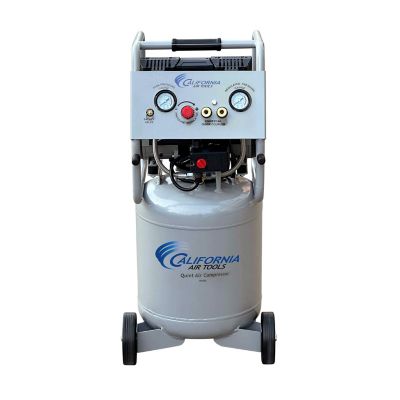
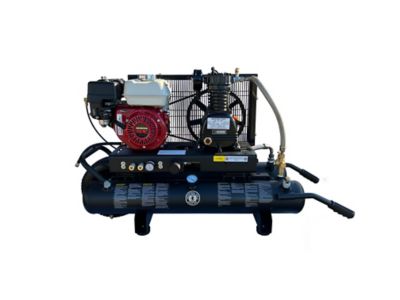
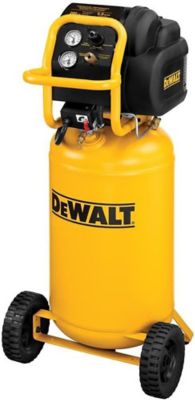
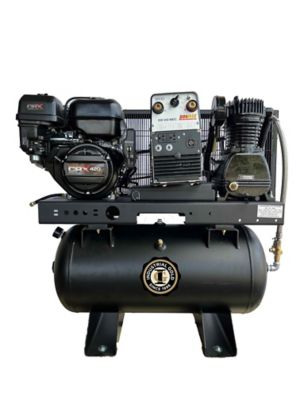
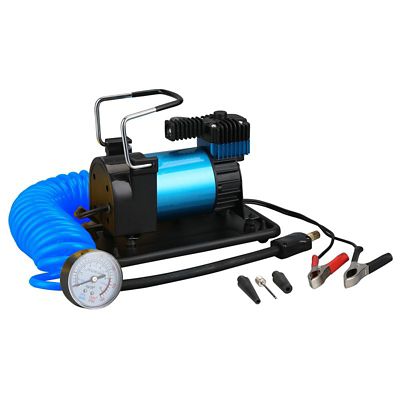
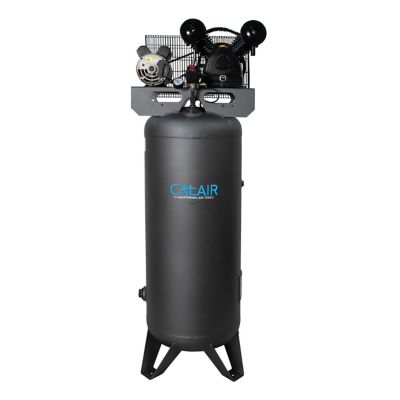
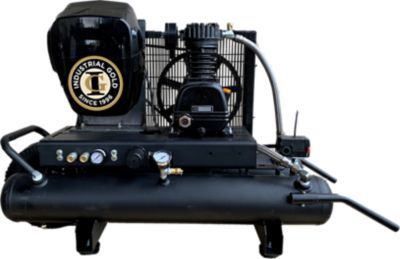
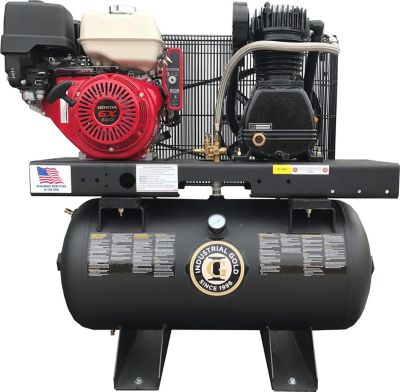
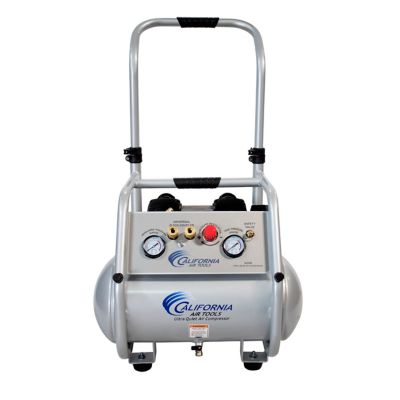
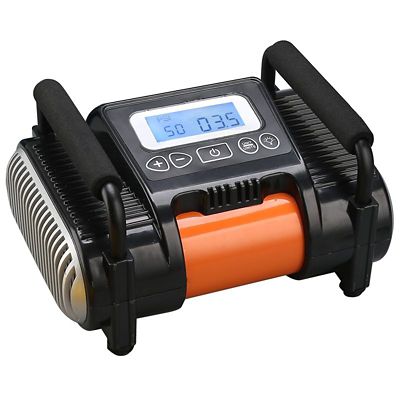
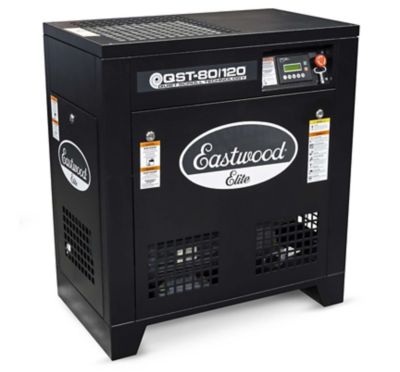
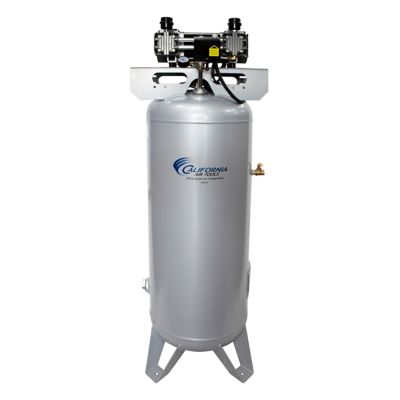
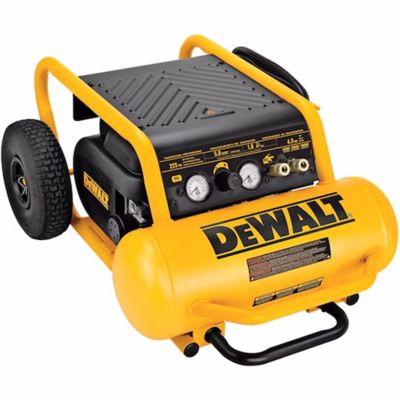
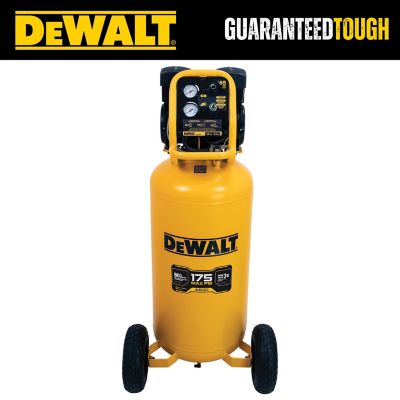
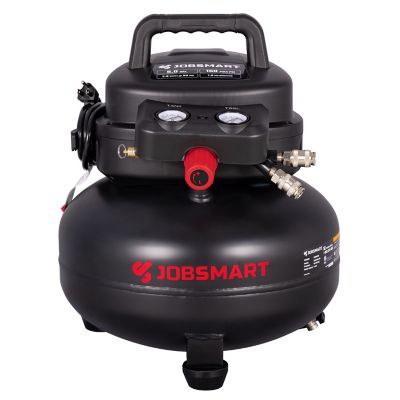
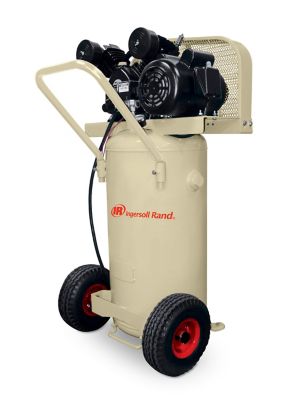
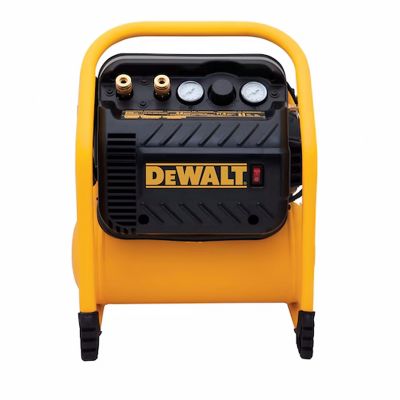
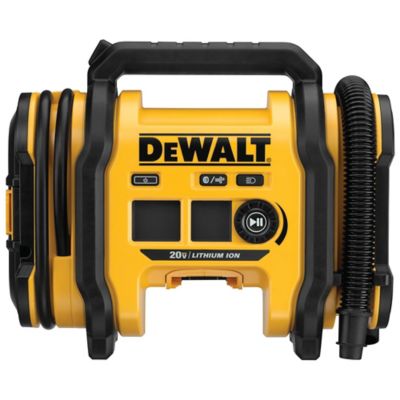
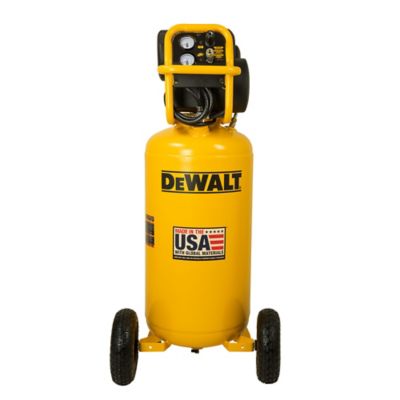
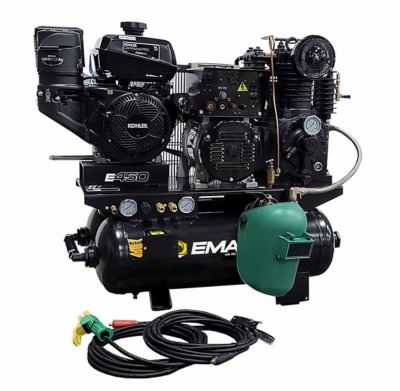
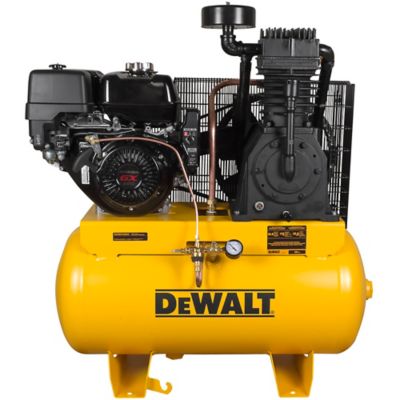
Motorized air compressors bring handy, on-demand air power to the garage, barn, workshop, jobsite, and driveway. A motor—either electric or gas-powered—turns a pump that draws in outside air and squeezes it into a storage tank. When you connect an air hose, that stored air flows out to inflate tires, blow away dust, or run compatible pneumatic tools. It is a simple setup, but it can save a surprising amount of time. Instead of stopping work to hunt down a service station air pump or wrestling with a hand tool, you can keep a compressor close by and put it to work when the need comes up. Farmers may use one for topping off tractor, trailer, ATV, and truck tires, cleaning debris from equipment, or handling light repair work around the property. In a home garage, compressed air can help with nailers, staplers, impact tools, ratchets, spray equipment, and general cleanup. A motorized air compressor can also make a practical gift for a person who enjoys woodworking, restoring equipment, working on vehicles, or keeping a well-used homestead in good shape. For smaller jobs and limited storage,
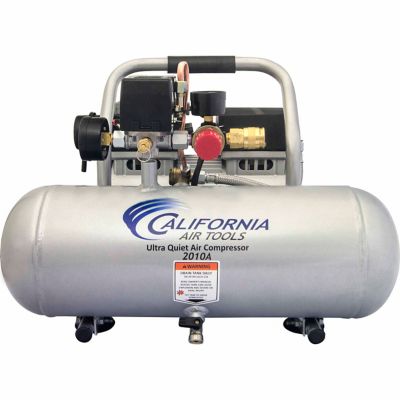
Compact Air Compressors are often a convenient fit. Larger wheeled or stationary units are better suited to a busy workshop or a crew that needs a steadier supply of air throughout the day.
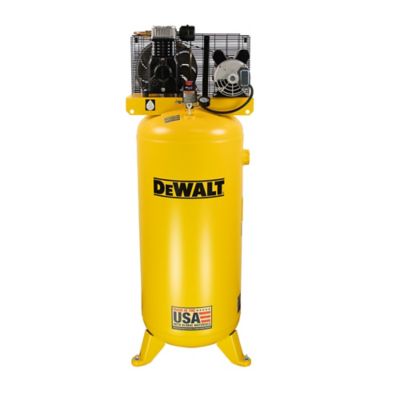
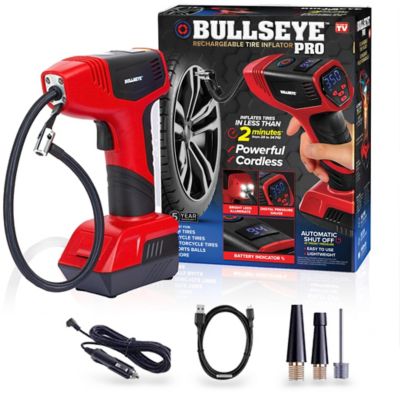
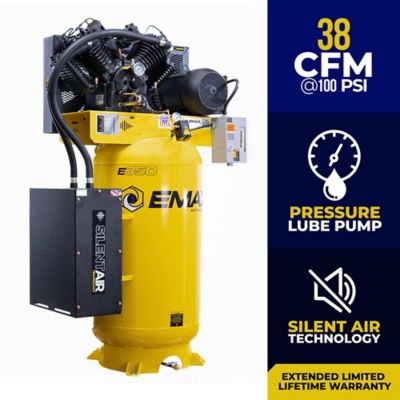
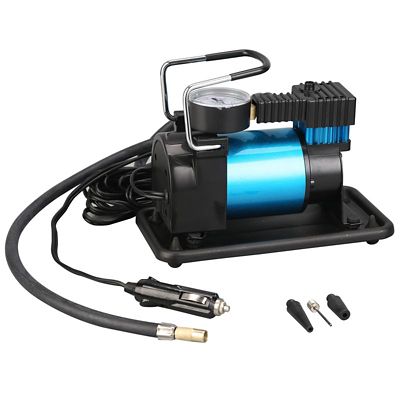
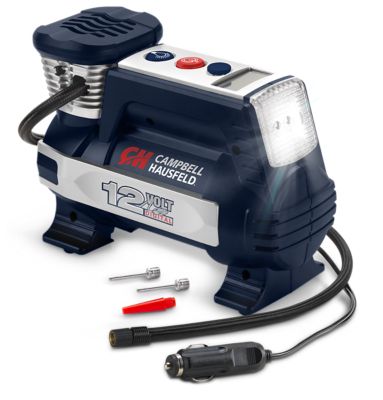
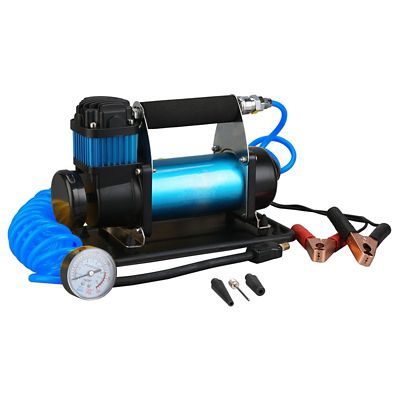
The right compressor starts with the work you expect it to handle. Look at the air tool’s required PSI, or pounds per square inch, and compare its CFM, or cubic feet per minute, requirement with the compressor’s output. PSI tells you how much pressure the tool needs, while CFM helps show how much air the compressor can deliver over time. A nail gun may use short bursts of air and work well with a smaller tank, while an impact wrench, grinder, sander, or spray gun may need a stronger, more consistent supply. Choosing a unit with a little extra capacity can help keep the motor from running constantly, especially when you are working through a long repair or using a tool that consumes air steadily. Tank size also matters. Small tanks are easier to carry and can recover quickly for brief jobs, while larger tanks hold more reserve air and reduce the number of motor cycles during extended use. Electric compressors are a popular choice for home shops because they are generally convenient to start and can run wherever a suitable outlet is available. Gas-powered compressors can be useful outdoors or at a remote work area where electric service is unavailable, although they require fuel, ventilation, and more room for operation. Compact 12V DC compressors are designed for vehicle use and roadside or off-road inflation, connecting to a vehicle battery or suitable power outlet. They are especially handy to keep with a truck, trailer, camper, or off-road rig, but they are not a substitute for a larger compressor when you need to run demanding pneumatic tools. Portability, wheel design, handle placement, hose reach, noise level, outlet style, and available storage space all deserve a close look before choosing. A vertical tank can make better use of a narrow corner, while a horizontal layout may be easier to move around a crowded shop. If the compressor will be used outside during cooler weather, check that the power source, extension cord, and operating conditions match the manufacturer’s requirements.
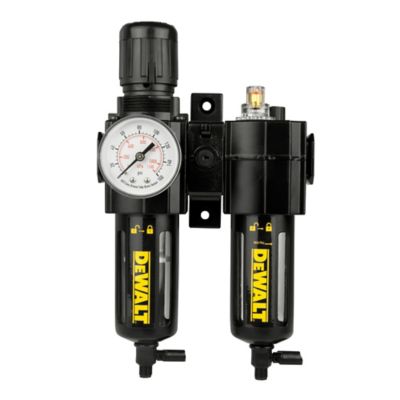
Safe setup and regular care help a motorized air compressor stay dependable through changing seasons. Place the unit on a flat, stable surface with plenty of room around the motor and pump for airflow. Keep it away from rain, standing water, sparks, open flames, and dusty areas that could clog the intake. Before connecting a tool, check its recommended PSI and make sure the hose, fittings, couplers, and regulator are rated for the job. Raise pressure gradually and never exceed the limits marked on the compressor, hose, or tool. Wear eye protection when blowing dust or debris, and remember that compressed air can throw grit, metal shavings, and other loose material farther than expected. Never point an air nozzle at yourself, another person, animals, or clothing, and use the right nozzle for cleaning tasks rather than trying to improvise. Moisture collects inside the tank as air is compressed, particularly when the machine moves between warm and cool conditions. Drain the tank regularly according to the owner’s instructions to help limit rust and keep the compressor in good working order. Inspect hoses for cracking, examine fittings for leaks, and keep the intake filter clean. A compressor that runs longer than usual, struggles to build pressure, or cycles on and off too often may need attention before the problem grows. During the cooler months, store portable units in a dry place and protect cords, hoses, and fittings from freezing conditions. Whether it is helping with a fence repair, airing up a trailer before a trip, or keeping a busy workbench supplied with steady air, a motorized air compressor is a useful piece of equipment for everyday chores and bigger projects alike.