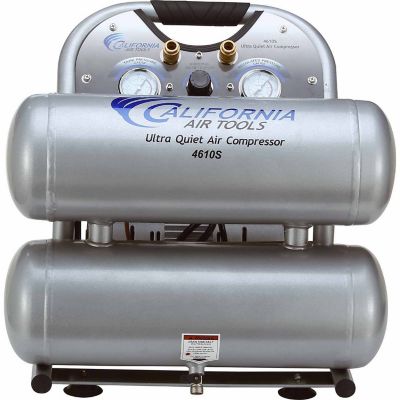
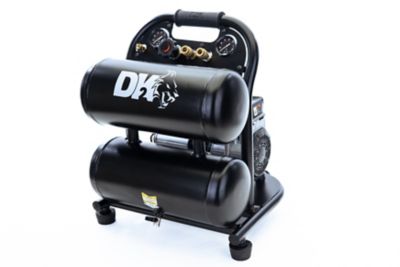
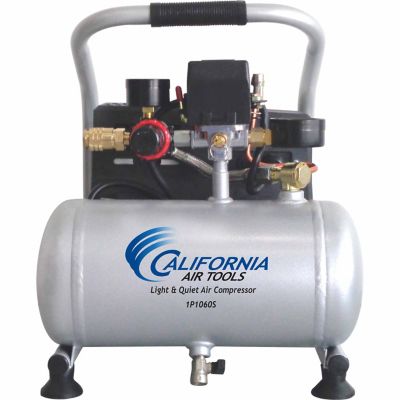
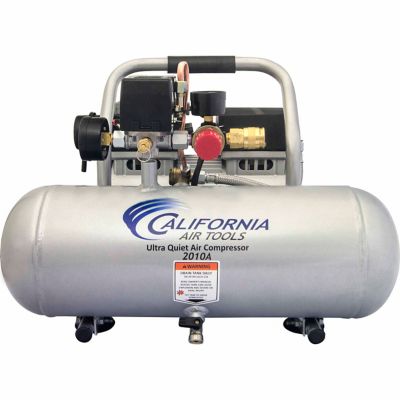
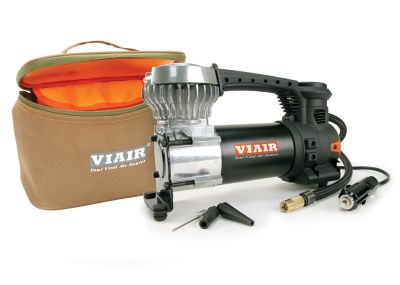
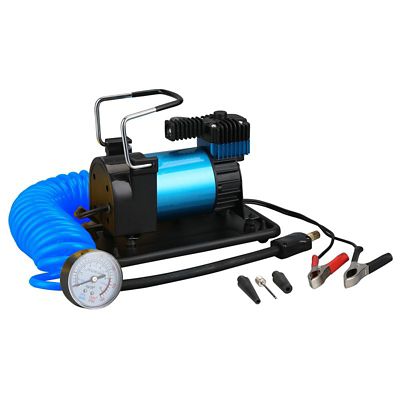
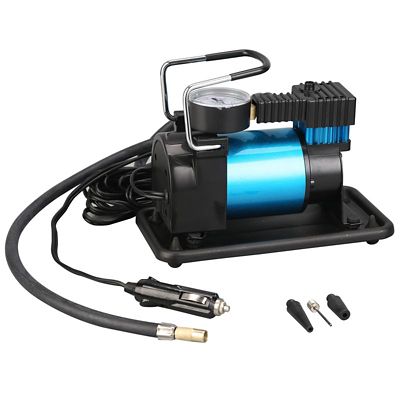
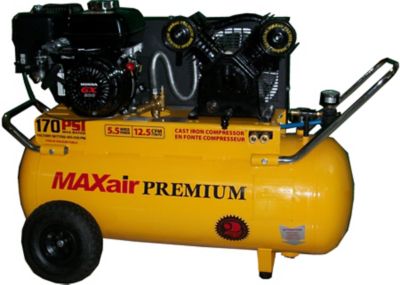
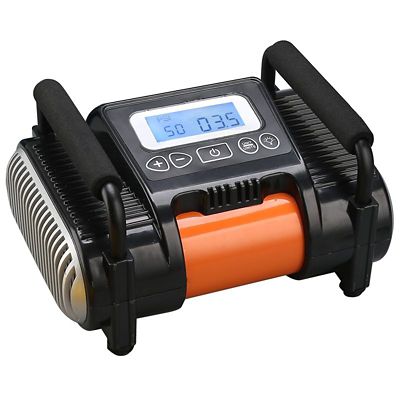
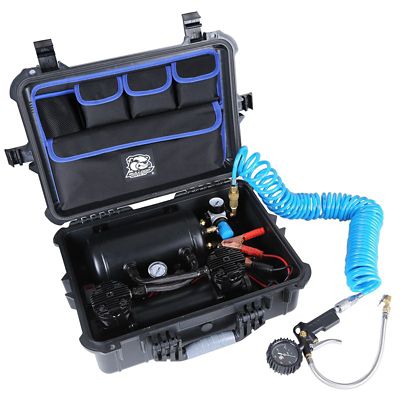
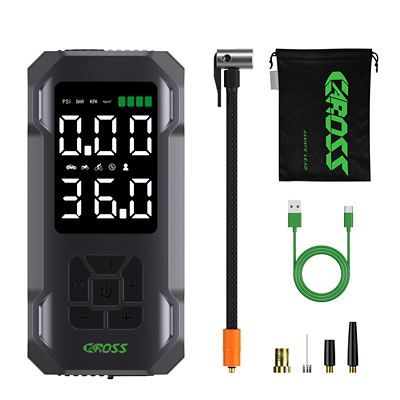
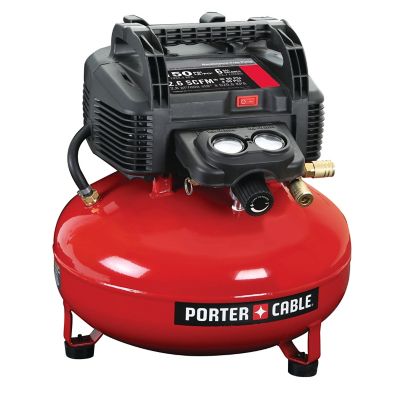
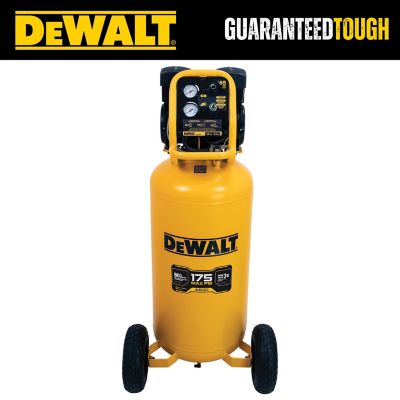
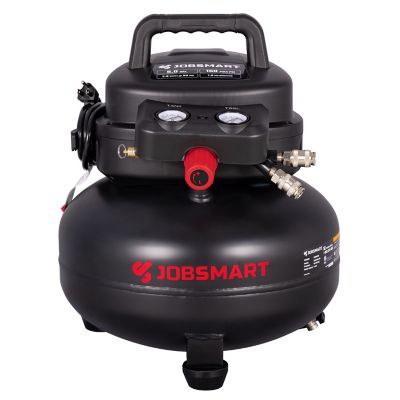
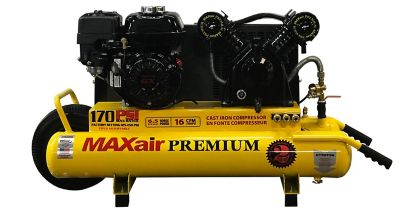
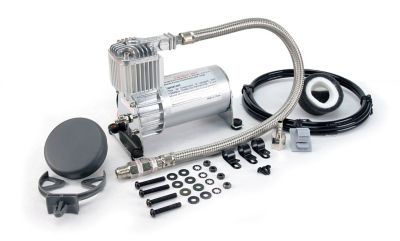
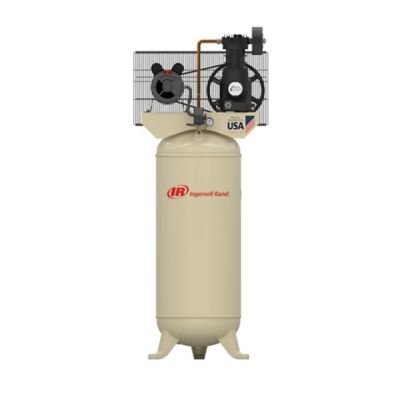
Off road air compressors are a handy part of a well-equipped truck, Jeep, SUV, ATV, or overlanding setup, especially for drivers who spend time on gravel roads, muddy trails, rocky ground, sand, and remote backroads. Lowering tire pressure can help a vehicle gain traction and ride more comfortably over rough terrain, but those tires need to be aired back up before returning to pavement. A portable 12V air compressor gives you a practical way to handle that job at the trailhead, campsite, hunting property, or side of the road without relying on the nearest service station. These compressors typically connect to the vehicle battery or a 12V power source, then deliver air through a hose and tire chuck. Portable models can be carried from one vehicle to another and stored in a toolbox, cargo area, or gear bag, making them a solid choice for occasional trail users, weekend campers, ranch hands, and anyone who wants a little extra peace of mind on rural roads. They also make useful gifts for a truck owner, off-road enthusiast, hunter, angler, or overlanding family member who spends more time outside than on the interstate. A compressor is especially useful when paired with a tire pressure gauge, repair plugs, gloves, and a sturdy storage case, though each item may be purchased separately.
When comparing off road air compressors, pay close attention to airflow, duty cycle, power connection, hose length, and the tire sizes the unit is designed to service. Airflow is commonly listed in CFM, or cubic feet per minute, and a higher CFM rating generally means faster inflation. Larger truck, Jeep, and SUV tires hold more air than standard passenger tires, so a compressor with a stronger motor and higher output can save considerable time when airing up all four tires. Single-cylinder units may suit smaller tires or occasional emergency use, while dual-cylinder compressors are often better suited to oversized tires and frequent trail work. Duty cycle describes how long a compressor can run before it needs to cool down. A unit with a longer duty cycle can be more convenient when filling several tires in a row, but it still needs to be used according to the manufacturer’s instructions. Thermal protection, a built-in pressure gauge, vibration-resistant feet, and a durable carrying handle can make a noticeable difference when the compressor is being used on hot pavement, dusty ground, or uneven gravel. Check the power lead and hose length, too. A short cable may not reach the battery comfortably, and a short air hose can make it harder to access rear tires or tires mounted on a trailer. Battery clamps are often preferred for high-draw compressors, while lighter-duty models may use a 12V accessory plug. Always confirm the vehicle’s outlet rating before plugging in a compressor, and keep the engine running when appropriate to help protect the battery.
Drivers who use their rigs on trails several times a season may prefer a permanently mounted air compressor. On-board systems can be installed under the hood, inside a vehicle, or in a protected bed or cargo compartment, with an accessible switch and air connection routed to a convenient location. This setup reduces the amount of gear that has to be unpacked and can be a good fit for regular overlanding, work trucks, farm vehicles, and vehicles that carry recovery equipment year-round. Shoppers looking for more information about permanently mounted options can also browse
Truck Mounted Air Compressors. Portable compressors remain a flexible choice for families with more than one vehicle or for anyone who only needs air support during occasional trips. Before buying, consider the largest tire you plan to fill, how often you will use the compressor, where it will be stored, and whether you need to inflate tires on a trailer, ATV, or other equipment as well as your truck. It is wise to carry a dependable gauge and check pressure when tires are cool, since heat from driving can raise the reading. Give the compressor room to vent, keep the motor and connections away from standing water, and allow the unit to cool between long inflation jobs when required. As the weather warms and outdoor trips pick up, and during the cooler months when muddy lanes and changing trail conditions can make traction more important, a properly matched off road air compressor can help keep a vehicle ready for the trip home.