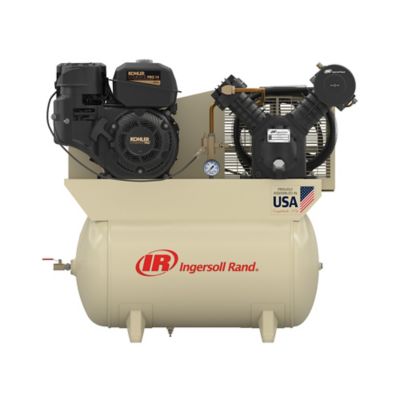
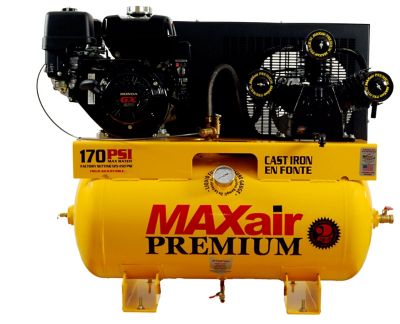
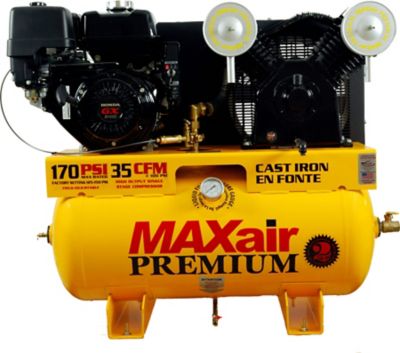
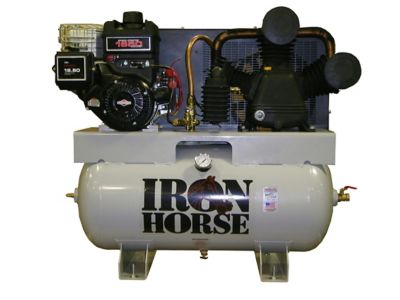
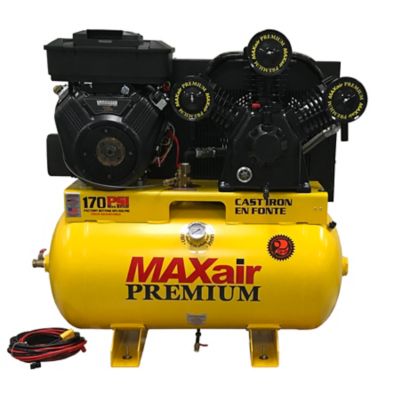
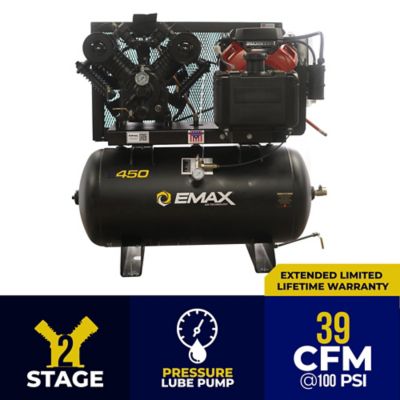
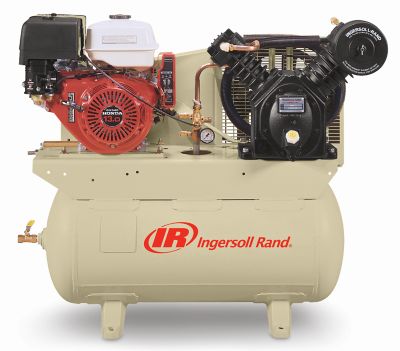
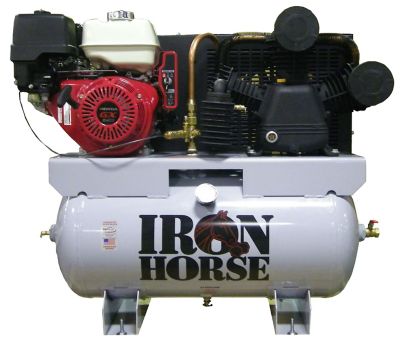
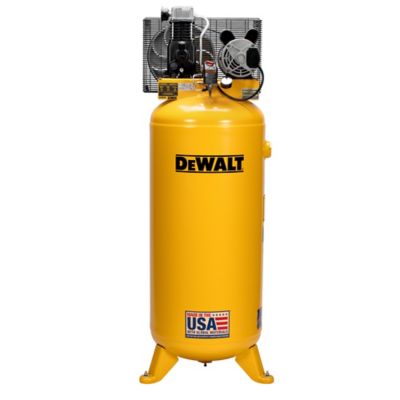
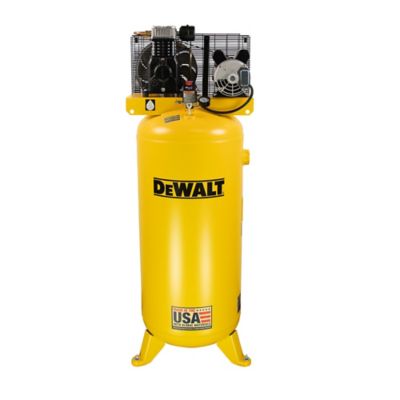
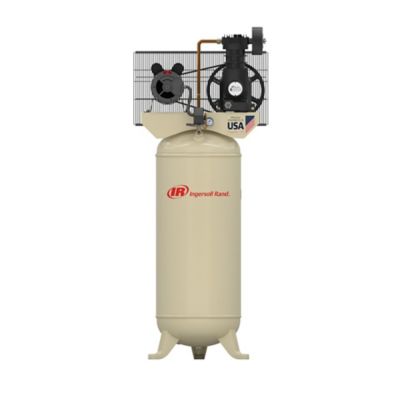
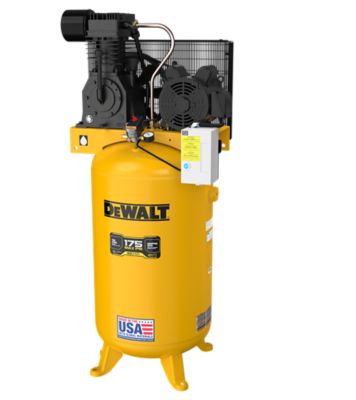
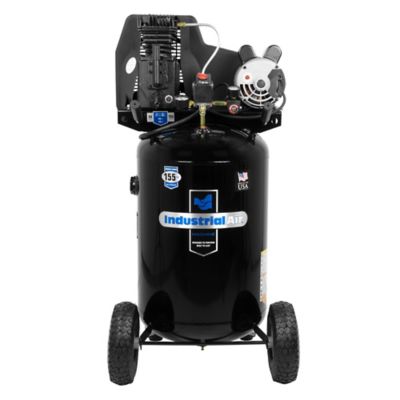
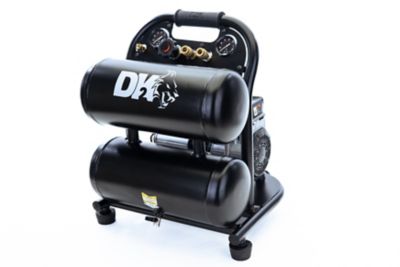
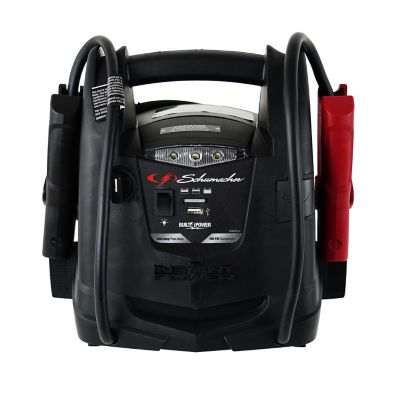
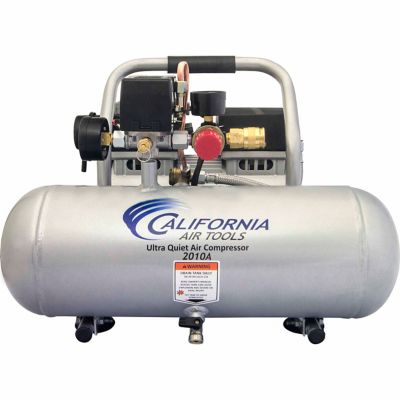
Truck bed air compressors bring a source of compressed air along for the job, whether that means servicing equipment beside a hayfield, handling repairs at a construction site, or keeping a mobile mechanic’s tools running away from the shop. These compressors mount in a pickup bed or service vehicle and supply air for compatible pneumatic tools and tire inflation equipment. Gas-powered units can operate without an electrical outlet, while electric systems need a suitable power source matched to their voltage and current requirements. The right setup depends on the work ahead, not simply the biggest tank that fits between the wheel wells. Air delivery, commonly listed in cubic feet per minute, or CFM, tells more about a compressor’s ability to support a tool than maximum pressure alone. That airflow rating needs to be considered at the tool’s required operating pressure, measured in pounds per square inch, or PSI. An impact wrench working in short bursts puts a different demand on an air system than a grinder running for an extended stretch. When more than one tool will operate at the same time, their combined airflow needs matter, too. The receiver tank stores compressed air and helps handle brief spikes in demand, but a larger tank cannot make up for a pump that delivers less air than the work requires. Duty cycle is another important distinction: it describes how much operating time a compressor is designed to handle within a stated period under specified conditions. Together, airflow, pressure, tank capacity, and duty cycle give a clearer picture of how a truck-mounted compressor fits daily work. For a farm service truck, that may mean enough capacity for intermittent fastening and equipment maintenance. For a mobile repair business, sustained output and recovery time may carry more weight. Hoses, couplers, regulators, and any required air treatment also belong in that picture, since restrictions or mismatched connections can limit performance at the far end of the hose.
Fit starts with the truck as much as the compressor. A bed-mounted air compressor takes up space that might otherwise hold a toolbox, welder, fuel transfer tank, or feed sacks, and its installed weight counts toward the vehicle’s payload. The full setup includes more than the compressor’s listed weight: fuel, mounting hardware, hose reels, and other equipment all add to the load. Horizontal receiver tanks can suit bed-mounted layouts, but overall length, width, and height still need to work with wheel wells, bed rails, covers, and access to other gear. A sensible arrangement leaves room to reach controls, read gauges, drain the tank, and service the pump without climbing over a pile of tools. Secure installation follows the compressor and vehicle manufacturers’ requirements, with mounting points and support suited to the equipment rather than an improvised tie-down arrangement. Construction details matter on a truck that spends its days traveling between job sites. Steel tanks and frames provide structural support, while cast-iron pump cylinders are common in heavier-duty designs. Aluminum components can help reduce weight in other configurations. Material alone does not tell the whole story; pump design, operating speed, cooling provisions, and maintenance requirements all affect service life. Guards around belts and moving parts help protect against contact, and clearance around the unit allows proper ventilation. Gas engines offer flexibility where electrical service is out of reach, but exhaust must stay outdoors and away from cab openings, enclosed spaces, and people nearby. An open tailgate does not make an enclosed truck cap a safe operating space. Electric units bring their own fit considerations, including starting demand, circuit capacity, wiring, and, for vehicle-powered systems, battery and charging-system capability. Not every electric compressor can run from a pickup’s accessory outlet or a small inverter. Matching the power arrangement to the compressor helps keep a convenient mobile setup from becoming a strain on the truck’s electrical system.
Care and everyday handling are part of owning a truck bed air compressor, especially when it shares space with dusty tools, muddy chains, and the rest of a working truck’s load. Oil-lubricated pumps need the lubricant and service intervals specified by the manufacturer; oil-free designs have different maintenance needs rather than no maintenance at all. Intake filters, belts where fitted, fasteners, hoses, and fittings deserve regular attention because vibration and job-site debris can take a toll. Moisture collects inside receiver tanks as compressed air cools, so the specified draining routine helps limit internal corrosion. Tank damage, deep rust, or suspect welds call for removal from service and professional evaluation, not a patch made in the farm shop. Before maintenance, the power source needs to be shut down and isolated, with stored pressure released as directed by the manufacturer. Fuel-powered equipment also needs to cool before refueling. These details are easier to manage when drain valves, fill points, and service parts remain accessible after installation. For daily work, a hose reel can keep air line organized, while suitable hose length helps reach equipment without repeatedly repositioning the truck. Longer runs and undersized hose can create pressure loss, so hose diameter and fittings should suit the airflow demand. Tire work calls for inflation equipment matched to the tire and wheel assembly, with pressure limits and any required restraint procedures kept firmly in mind. Hearing protection and room for safe operation matter around running compressors and pneumatic tools as well. Truck owners whose plans lean toward trail travel and tire inflation can also explore
Off Road Air Compressors while comparing power requirements, mounting space, and air delivery. Whether the truck heads to fence repairs, machinery service, or a job-site equipment call, a well-matched compressor setup keeps compressed air close to the work without overlooking the space, upkeep, and operating demands that come with carrying it.