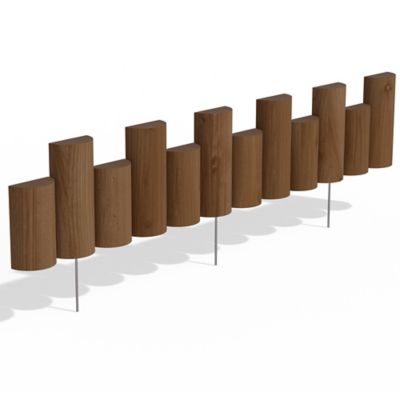
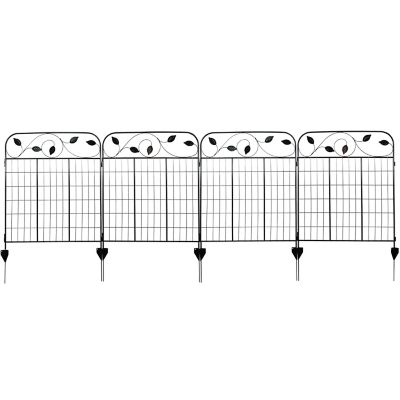
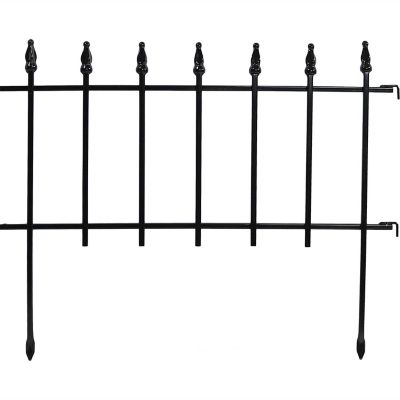
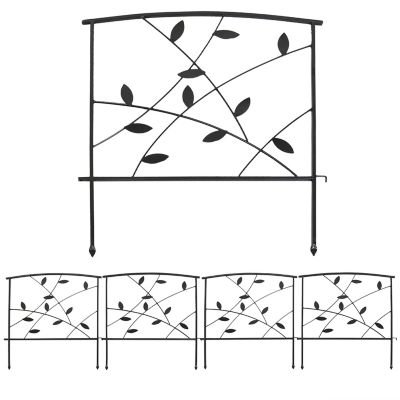
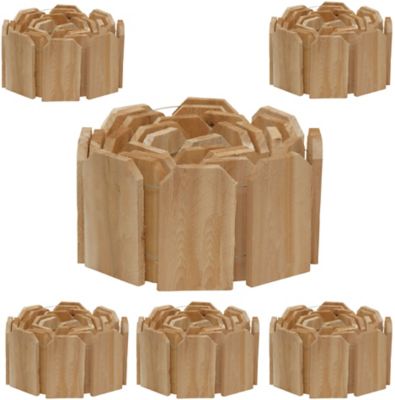
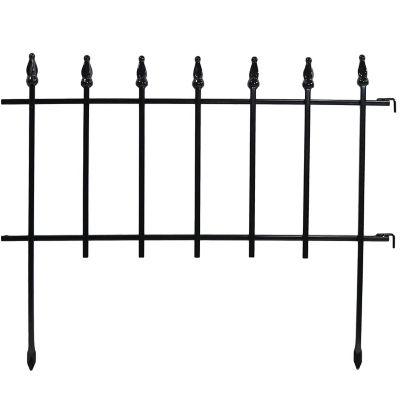
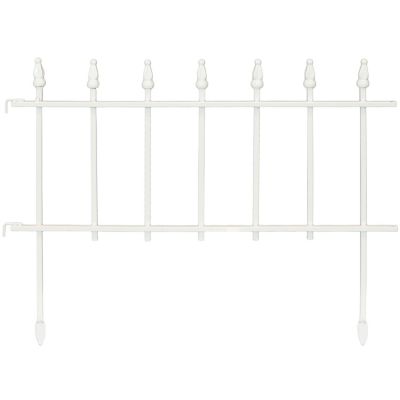
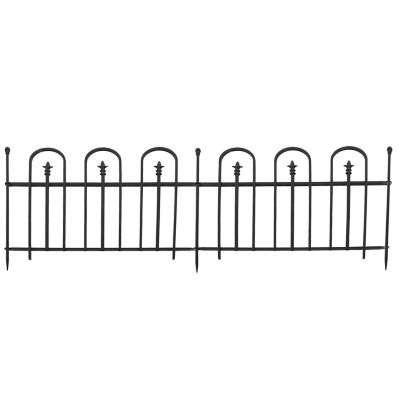
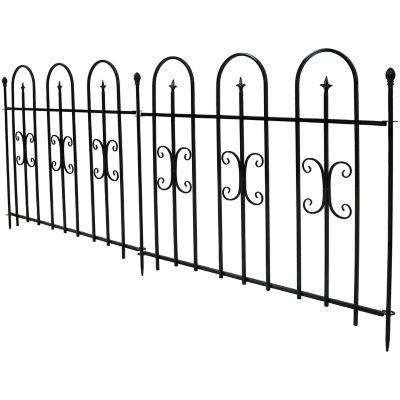
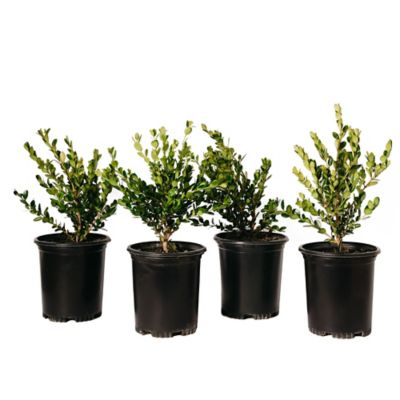
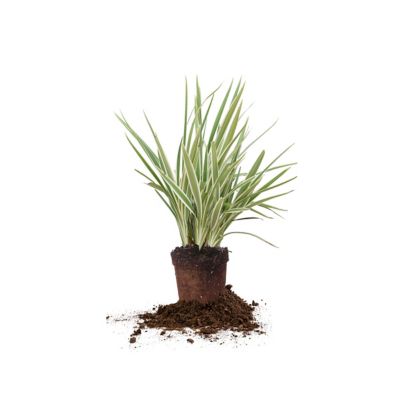
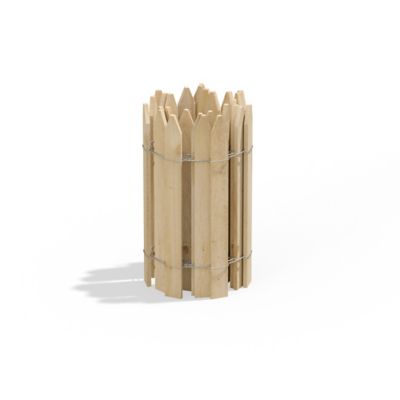
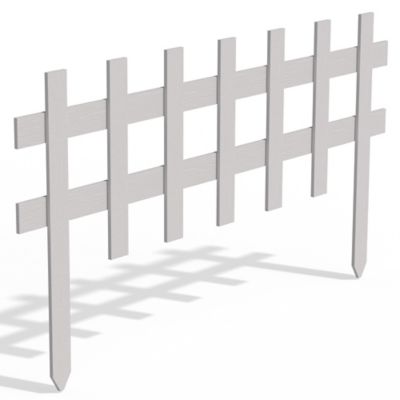
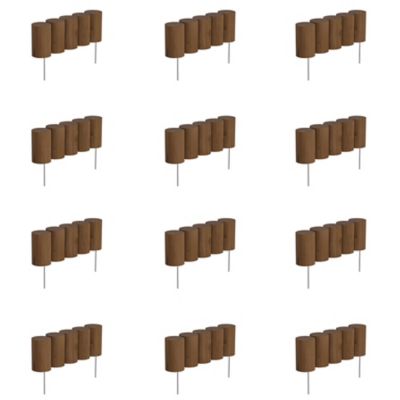
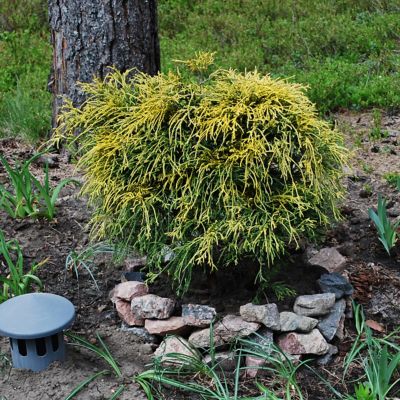
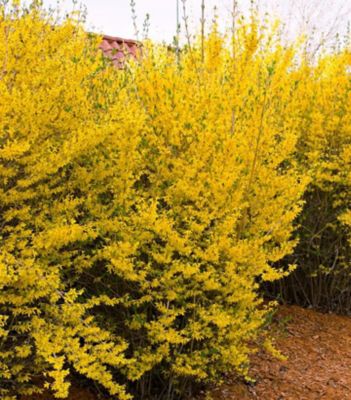
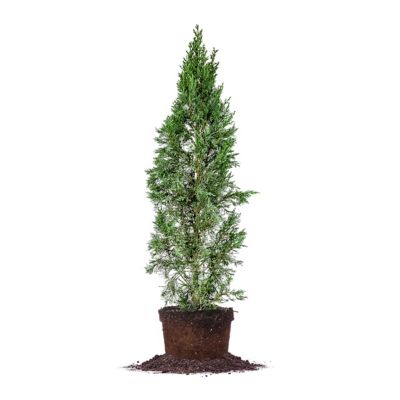
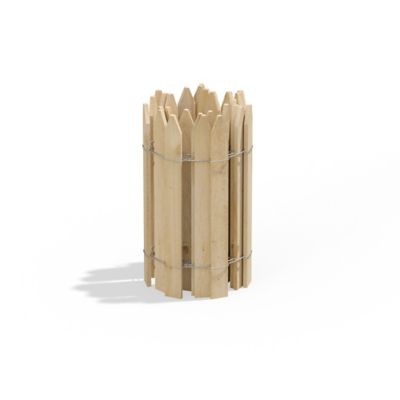
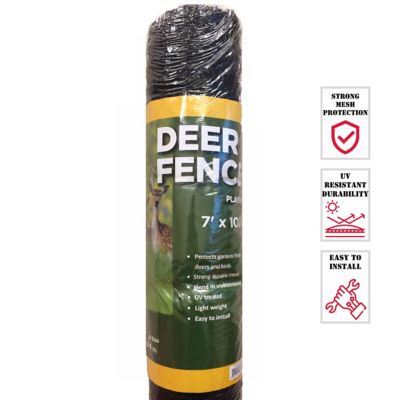
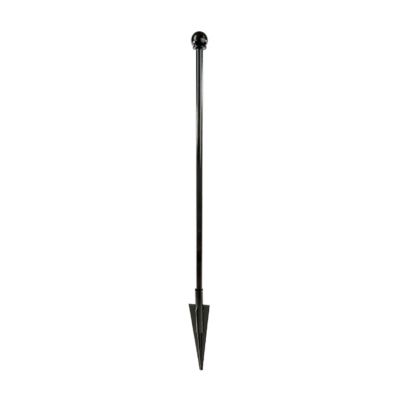
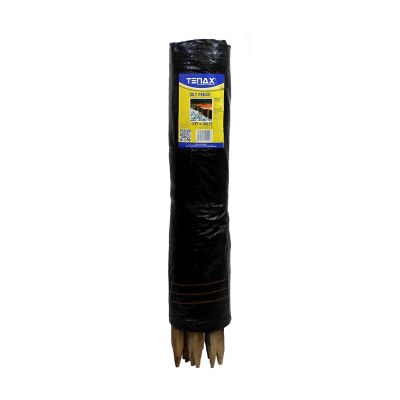
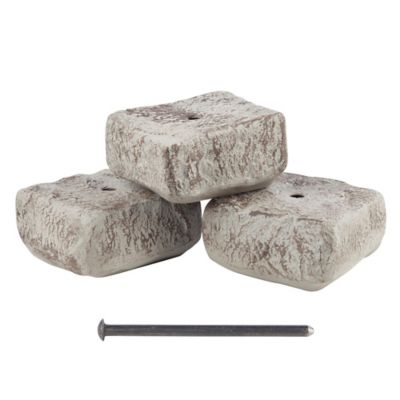
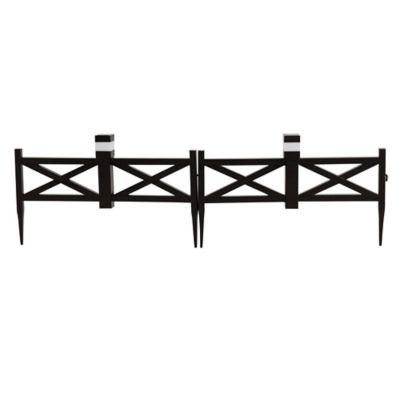
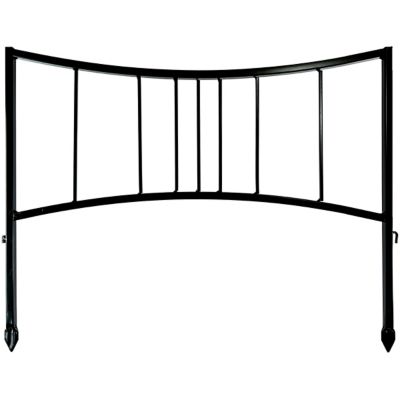
Tree borders give yards, gardens and landscaped areas a clean, finished look while helping define the space around a tree. They can be used around young shade trees, flowering trees, evergreens, fruit trees and mature specimens that have become the centerpiece of a lawn. A well-placed border helps separate tree beds from grass, gravel, mulch, walkways and other planting areas, making the whole property look more orderly without taking away from the natural shape of the tree. Many folks use them to keep mulch or decorative stone gathered around the trunk and away from places where a mower or string trimmer might catch it. They can also help outline a bed so it is easier to maintain as the seasons change. During the cooler months, a defined tree ring makes it simple to refresh mulch, clear leaves and keep the area from looking scattered, while in warmer weather it helps show off flowers, ground cover and other plantings beneath the branches. When choosing a tree border, start by measuring the area around the tree and thinking about how much room the trunk will need as it grows. A border should not press tightly against the trunk or cover the root flare, and it should leave enough space for air movement, watering and routine care. Flexible edging may be useful for curved beds or groups of trees, while sturdier sections can suit straight runs and more formal layouts. Consider the look of the surrounding property, too. A simple, low-profile border blends nicely into a country yard, while a more noticeable style can add definition beside a driveway, porch or garden path.
The right tree border depends on the ground, the weather and the work you expect it to handle. In a level lawn, installation may be fairly straightforward, but sloped ground, rocky soil and areas with exposed roots call for a little more planning. Look for materials that can stand up to moisture, sunlight, shifting soil and the occasional bump from a wheelbarrow or mower. It is helpful to compare the height, length, connection method and overall flexibility of each option, especially when outlining a wide tree canopy or several trees planted in a row. Low borders tend to keep the edge subtle, while taller borders can create a stronger barrier between mulch and grass. For a natural-looking bed, follow the tree’s shape with a rounded or gently sweeping outline instead of forcing a perfect circle. A tree that stands beside a fence, pasture or outbuilding may look best with a border that echoes the existing lines of the property. Before setting anything in place, remove weeds and loose debris, mark the intended edge and check for irrigation lines, buried utilities and large surface roots. Keeping mulch a few inches away from the trunk is important, since piled-up material can hold excess moisture against the bark. Borders are also useful around trees in high-traffic areas, where they help show visitors, pets and equipment where the planting bed begins. With a little care during installation, they can make regular outdoor chores easier and give a tired-looking landscape a neater edge without requiring a complete overhaul.
Tree borders are a practical choice for homeowners, gardeners, landscapers, property managers and anyone who takes pride in a well-kept outdoor space. They work around front-yard trees, backyard gathering spots, roadside plantings, community grounds and rural properties where clear boundaries can save time. A gardener may use them to build a tidy bed beneath a favorite tree, while a homeowner with a young orchard may use borders to keep each planting area easy to identify and maintain. They can also make a thoughtful gift for someone who enjoys gardening, improving a homestead or adding character to a new home, especially when paired with other useful landscaping supplies. For larger projects, compare the total length needed before buying and account for corners, overlaps, entrances and any extra material needed for adjustments. It is usually easier to create a smooth, natural edge with a little room to spare than to come up short at the final section. As leaves fall and outdoor chores shift into a slower pace, defined tree beds make cleanup more manageable and help protect the shape of a landscaped area through changing weather. When the ground is workable, a tree border can be installed as part of a broader cleanup or planting project; when conditions turn cold or wet, planning measurements and layout ahead of time can make the next installation day go much smoother. For additional ways to organize planting beds and give outdoor spaces a finished edge, explore
Landscape Fences.