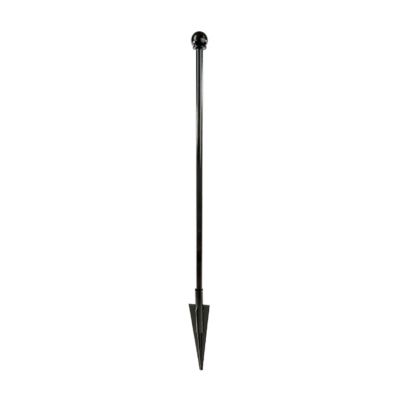
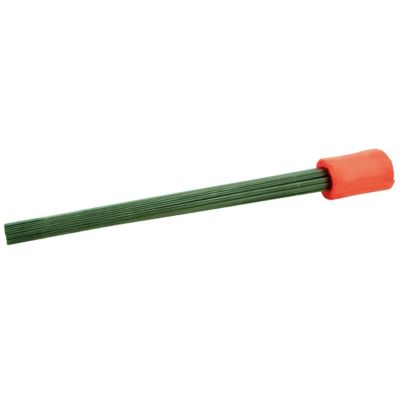
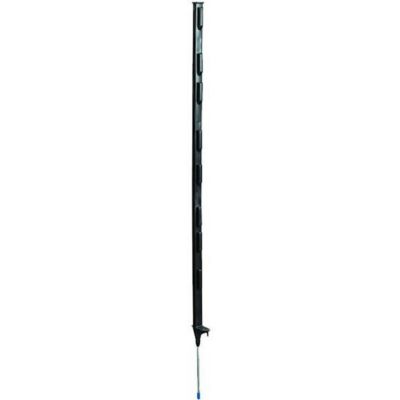
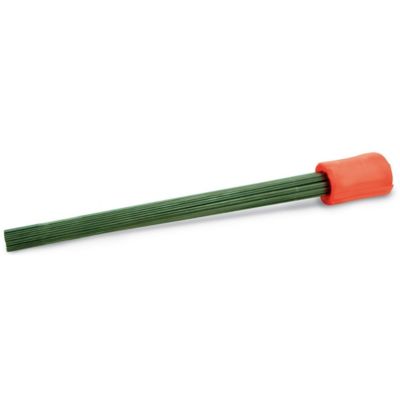
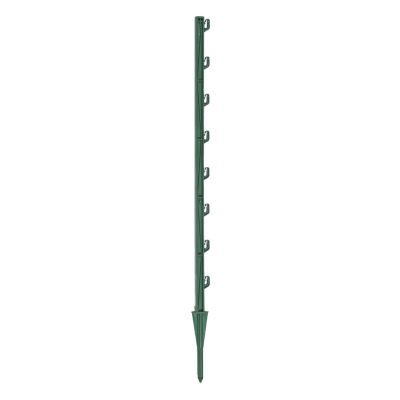
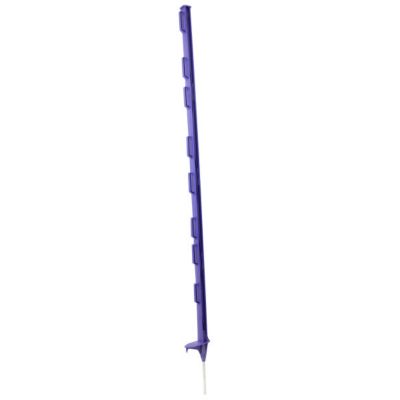
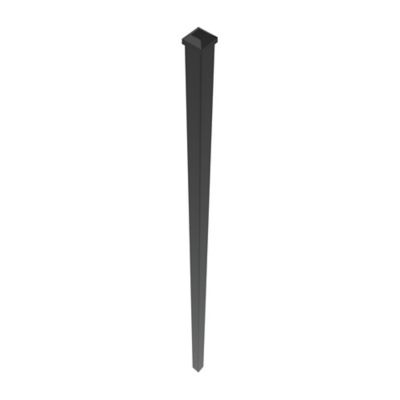
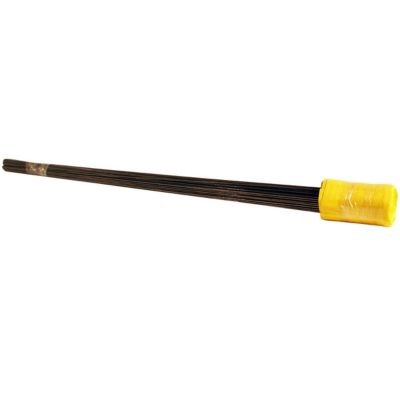
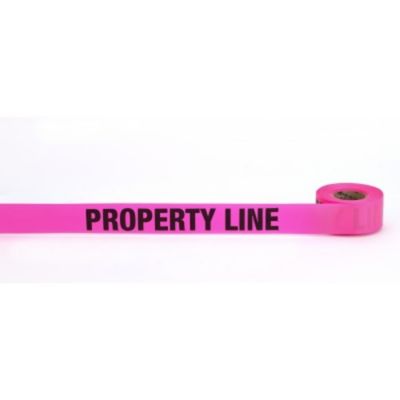
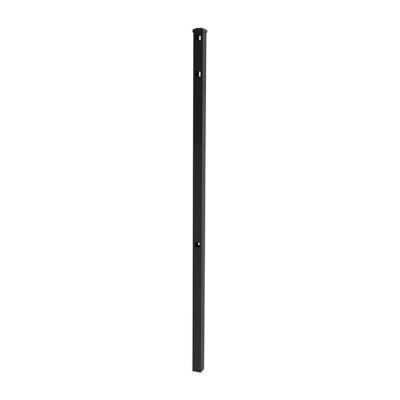
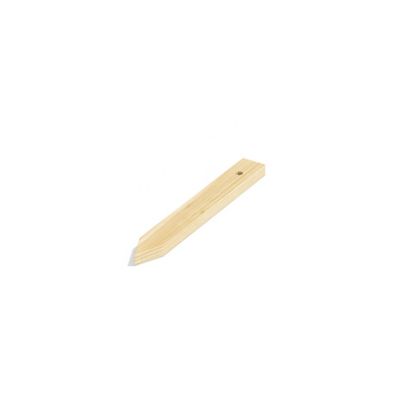
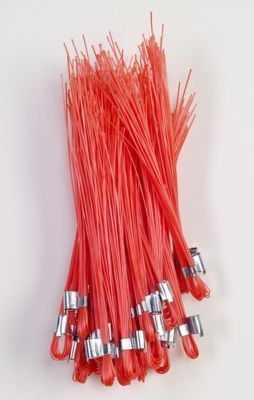
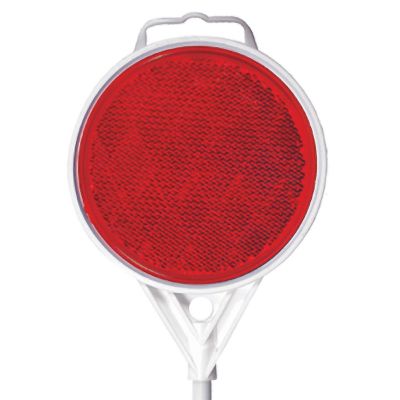
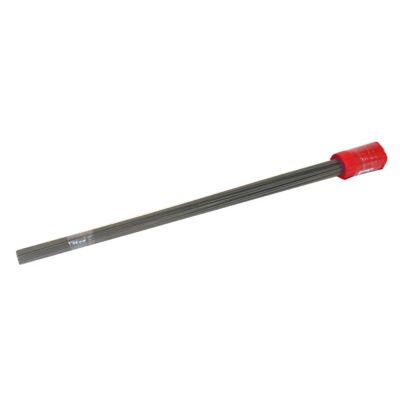
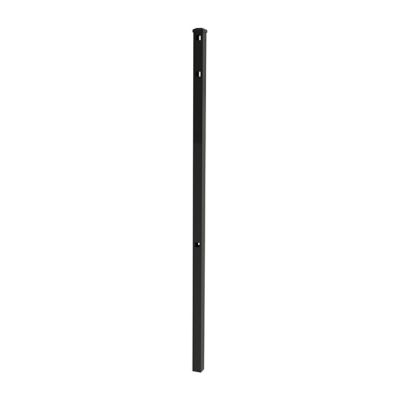
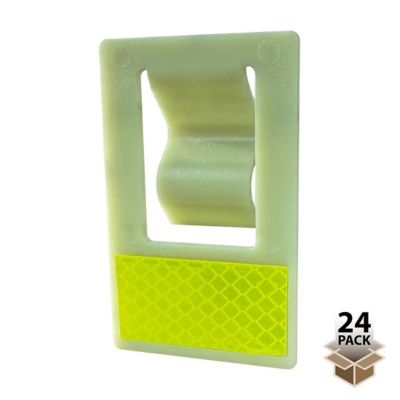
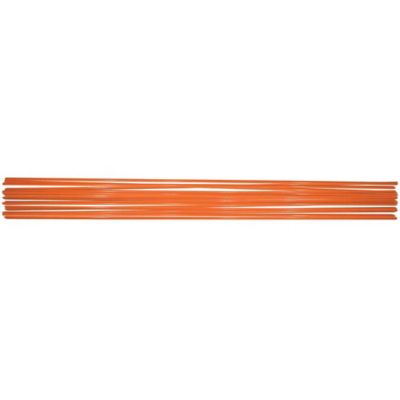
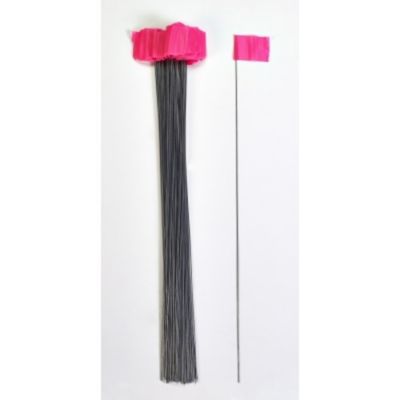
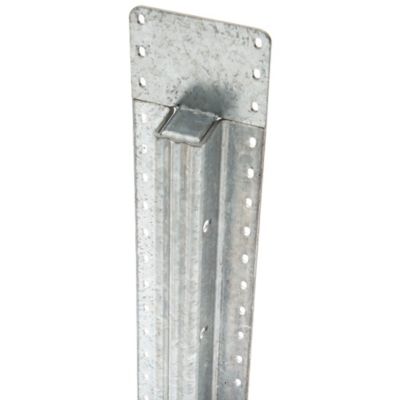
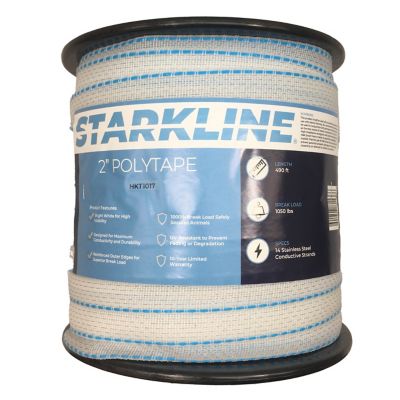
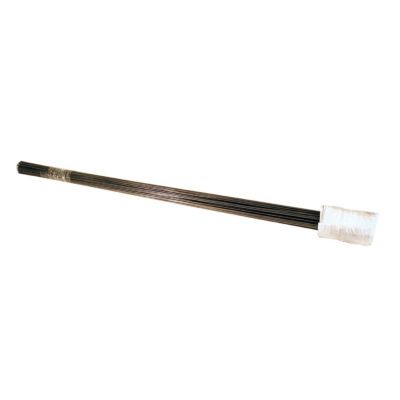
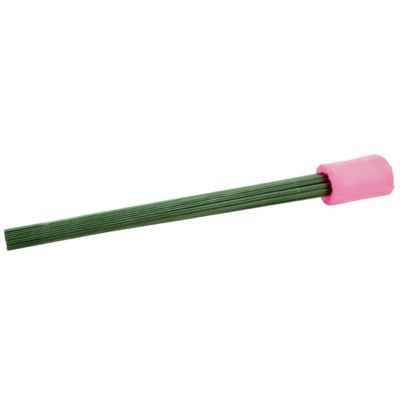
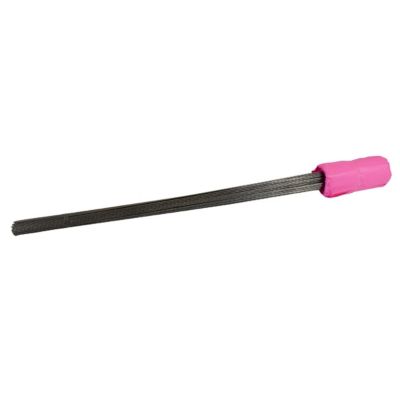
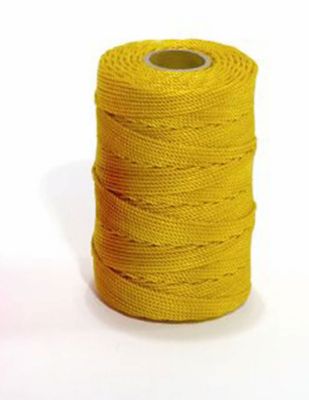
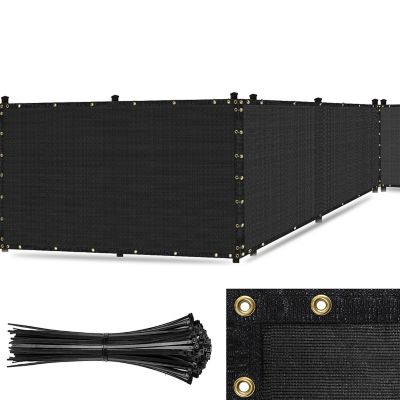
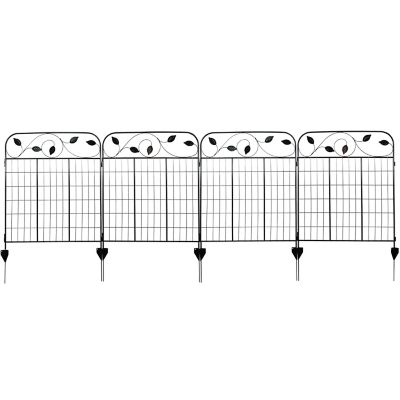
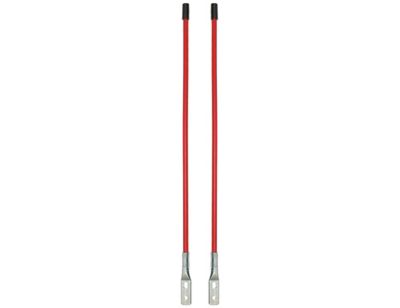
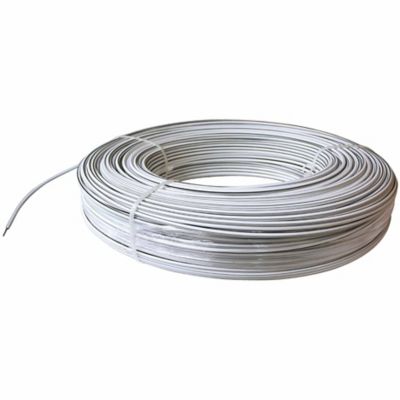
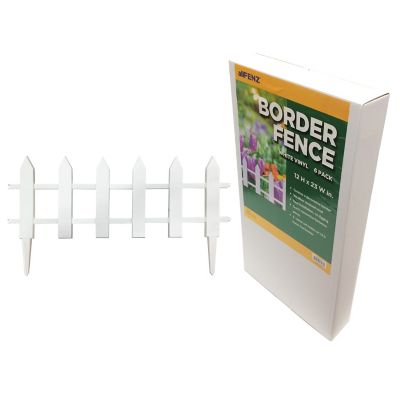
Property boundary markers help landowners make the edges of a property easier to see and remember. They can be useful around rural homes, farms, wooded acreage, hunting land, rental properties, pasture lots and large yards where a boundary may run along a tree line, gravel drive, drainage ditch or open field. A clearly visible marker can help with everyday jobs such as mowing, trimming brush, planning a garden, placing a gate or keeping equipment on the right side of a property line. High-visibility stakes and flagged markers are handy when the ground is covered by tall grass, leaves or light snow, while more subdued markers can provide a neater look around a home or landscaped area. Before choosing a marker, consider the kind of ground where it will be installed, how far it needs to be seen, and whether livestock, pets, children, vehicles or lawn equipment may come near it. A marker that works well in soft soil may need a different installation method in rocky ground, and a boundary along a busy driveway may call for a tougher, more visible option. Look for durable materials that can stand up to sun, rain, changing temperatures and the occasional bump from a mower or utility vehicle. Color, height and shape matter, too. Bright colors are easier to spot from across a field, while a low-profile marker may be preferred where mowing and landscaping are regular chores.
It is important to understand the difference between a visual property marker and an official property monument. A homeowner can generally use visible stakes, flags or other markers to identify a boundary for personal and practical purposes, but a marker purchased for everyday use does not establish a legal property line by itself. Official boundary points may be set as iron pipes, rebar, concrete monuments, metal caps or other reference points by a licensed land surveyor, depending on local practice and the property survey. A deed, plat map or previous survey may show where those points are located, but maps and records can be difficult to interpret when a line crosses uneven ground or disappears into brush. When the exact location matters for a fence, building, driveway, pond, land sale or neighbor discussion, a professional survey is the dependable way to confirm the line. Avoid moving, covering, damaging or removing an official survey pin or monument. Laws vary by location, and disturbing a survey marker can create costly problems or legal consequences. If an older marker is missing or hard to find, a surveyor can help locate and identify the correct reference point. A metal detector may help with searching for a buried metal point when used with a survey and local guidance, but it should not be treated as proof of ownership or as a replacement for professional verification. Once the boundary has been confirmed, visual markers can be placed in a way that makes the line easier to follow without misrepresenting their legal status.
Property boundary markers are a practical choice for landowners who like to keep a place orderly and easy to manage. They can help a new homeowner learn the shape of an unfamiliar lot, give a caretaker a clear mowing reference and help family members recognize where private land begins and ends. Farmers and hobby growers may use them near pasture edges, access lanes, timber, ponds or garden areas, while hunters and outdoor property owners may appreciate markers that remain visible through brush and changing weather. They can also be a thoughtful housewarming gift for someone who has recently bought acreage, built a home outside town or taken on a neglected parcel that needs a little organization. For a cleaner finished setup, pair visible boundary markers with a properly planned fence or browse
Private Fences for ideas that suit the property and its use. Keep spacing consistent where possible, and place markers where they can be seen without creating a hazard for people, animals or equipment. During the warmer part of the year, installation is often easier when soil is workable and brush can be cleared, while the cooler months are a good time to inspect markers, replace faded flags and note places where growth or weather has hidden the line. With the right placement and a clear understanding of what a marker can and cannot do, these simple tools can make large or small properties easier to care for and easier to navigate.