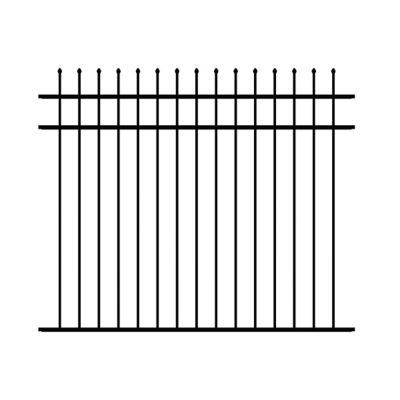
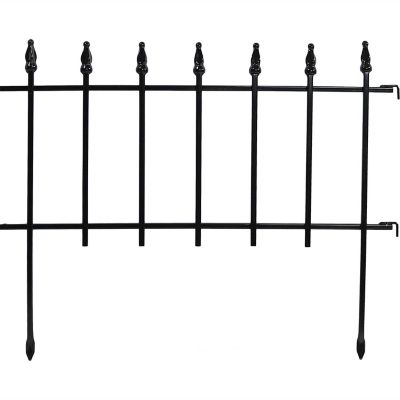
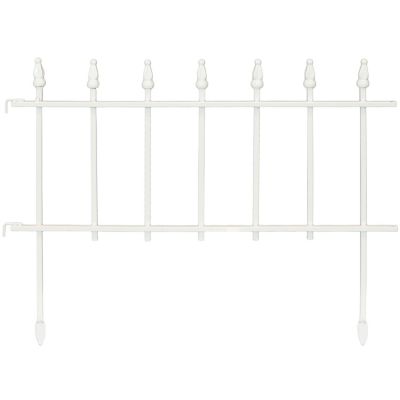
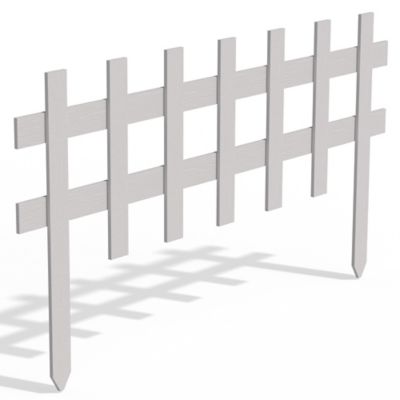
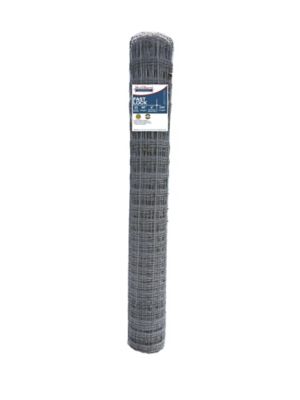
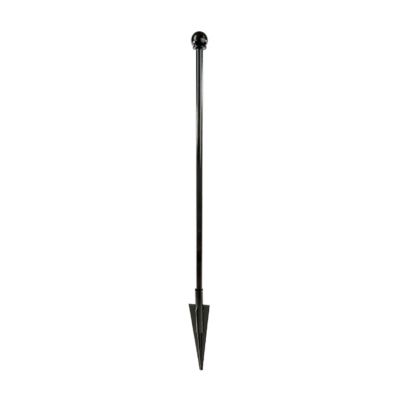
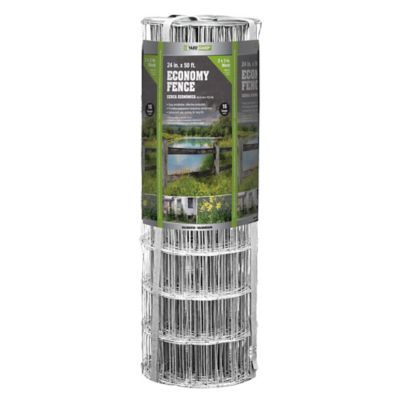
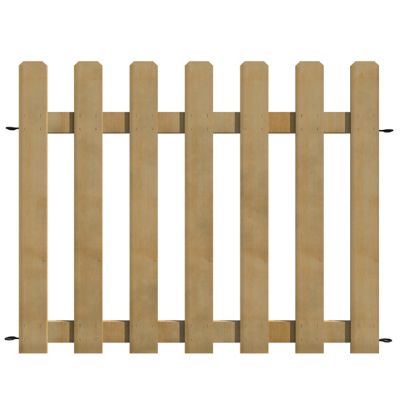
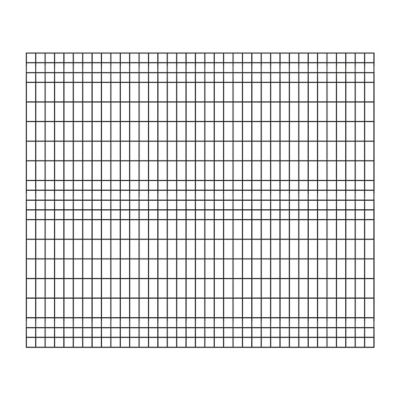
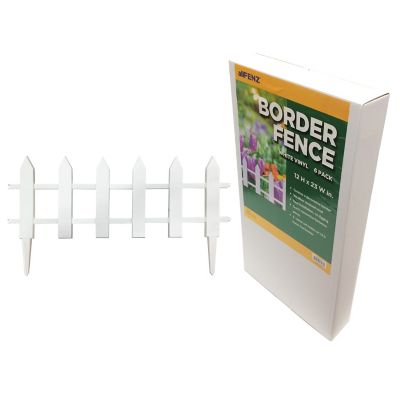
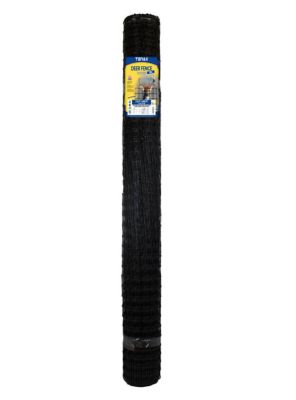
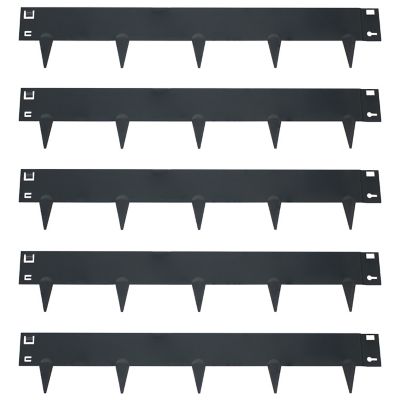
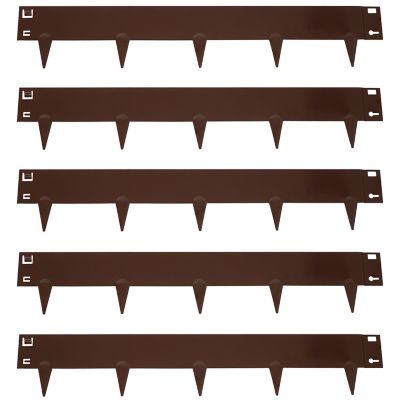
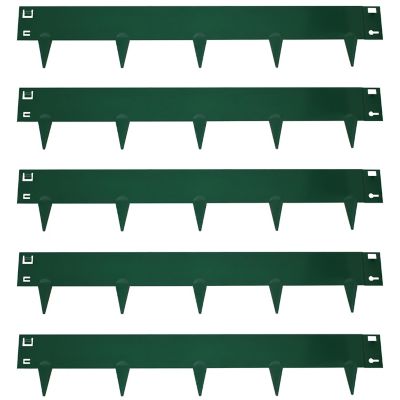
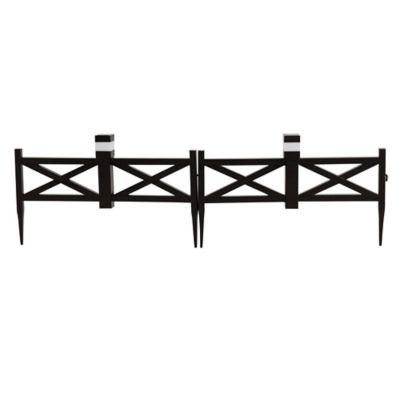
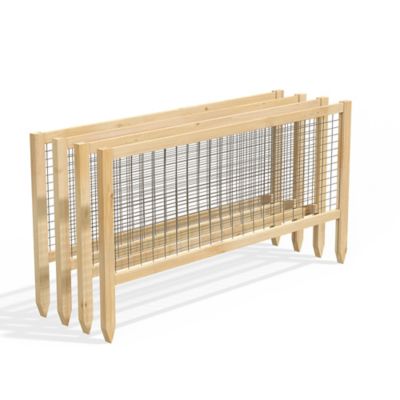
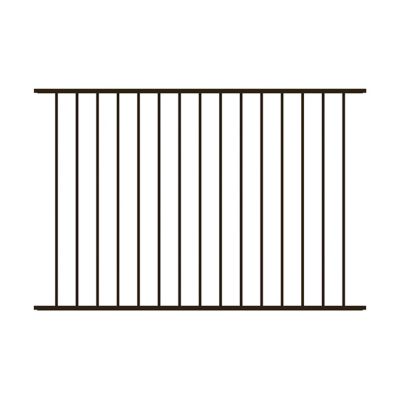
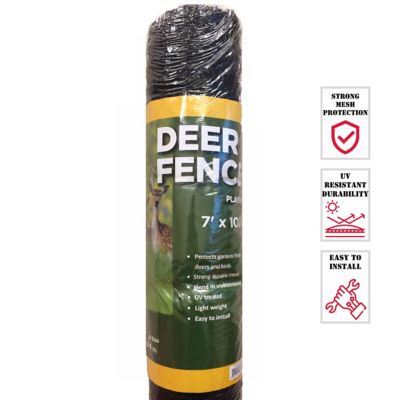
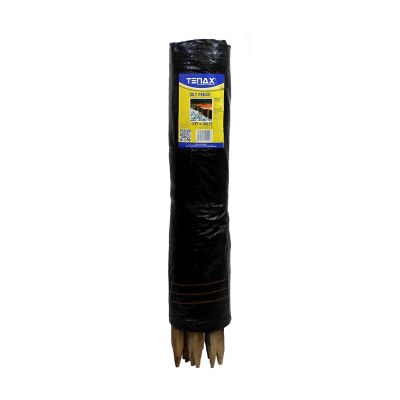
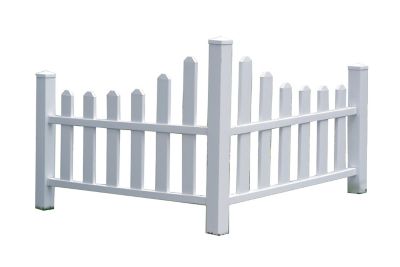
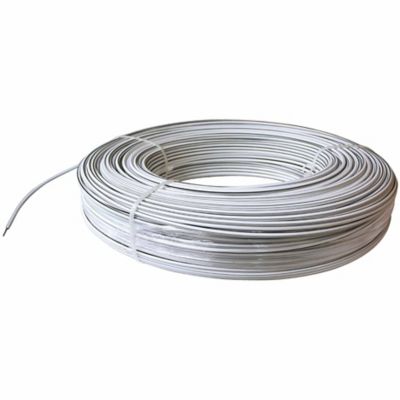
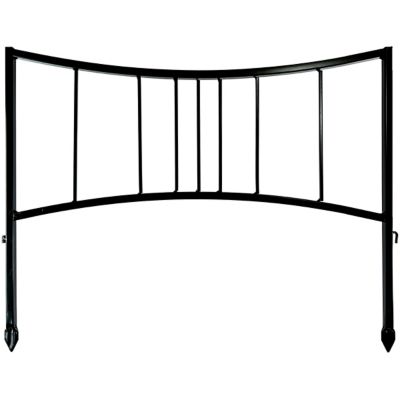
Landscape fences bring a finished look to the places where grass meets garden beds, walkways, porches, driveways, and other outdoor spaces. They can define a planting area, keep mulch and soil from washing onto the lawn, or add a little separation between a play area and a row of flowers. Some are mostly decorative, with low panels that create a clean border around a bed of shrubs or perennials. Others provide a more practical barrier for keeping small pets out of freshly planted ground, guiding foot traffic, or protecting vegetables from curious paws. A landscape fence can also help make a large yard feel more organized by breaking it into comfortable, useful sections. Metal and wrought iron styles are a good fit for a classic, sturdy appearance, and many are finished to resist rust and everyday weather. Vinyl and PVC fencing offer a neat, low-maintenance look without the need for regular painting or staining, making them handy around beds where you want a tidy edge with less upkeep. Wood and wire bring a warmer, more rustic feel that works naturally around cottage gardens, raised beds, and country properties. When choosing a style, think about the job you need it to do first, then consider how it will look beside your home, trees, siding, stone, and existing outdoor structures. A low decorative border may be all that is needed around a front flower bed, while a taller, stronger barrier may be better for a garden that sees regular activity from children, dogs, or wildlife.
The way a fence is installed matters just as much as its appearance. No-dig and self-staking styles can be pushed directly into soft soil, which makes them useful for quick changes, seasonal garden borders, or renters who want a boundary without digging permanent holes. They are also convenient when a planting bed changes shape from year to year. For firmer, long-term structures, post-installed fencing generally calls for measured layouts, dug post holes, and secure support set roughly 1 to 2 feet into the ground, depending on the height, soil, and local conditions. Before setting anything in place, walk the proposed line with a tape measure and mark corners, gates, curves, and changes in elevation. A simple garden hose can help you picture a gentle curve before the first hole is dug. Check for buried utility lines, watch for irrigation tubing, and allow enough room for a mower or wheelbarrow to pass where needed. Soil that is loose and workable may accept stakes easily, while rocky, clay-heavy, or compacted ground may call for a sturdier installation approach. On sloped ground, stepped sections can keep the top line looking even, while flexible wire or smaller panels may follow a gradual curve more naturally. Leave a little clearance from tree trunks and established shrubs so growing roots and branches do not press against the fence. During the cooler months, it is also worth checking that panels, stakes, and posts are seated securely before wet ground, frost, or strong wind puts extra stress on the layout. For a wider selection of fencing ideas for gardens, yards, paths, and other areas, explore
Fences for Outdoor Spaces.
Landscape fencing is a practical choice for homeowners, gardeners, hobby farmers, property managers, and anyone who enjoys giving an outdoor space a little more shape. It can mark the edge of a new herb garden, frame a gravel path, surround a mailbox planting, or keep foot traffic from cutting across a muddy patch. Gardeners often use short fencing to protect young plants while they get established, especially when beds are near a porch or along a frequently traveled path. Pet owners may use a visible border to discourage a small dog from digging in soft soil, though fence height, spacing, and the animal’s habits should always be considered before relying on it as a restraint. A landscape fence can also make a thoughtful gift for someone settling into a new home, planning a first garden, or refreshing an older yard; it gives them an easy way to add personality while tackling a useful outdoor project. Look for panels and posts suited to the size of the area, and measure before purchasing so you know how many sections, connectors, or supports may be needed. Narrow openings are helpful around smaller pets, while wider decorative spacing may better suit an ornamental bed where containment is not the main goal. Consider maintenance, too: wood may need occasional sealing or staining, metal benefits from checking for scratches and rust, and vinyl is often chosen for its simple cleanup. As the weather shifts and outdoor work moves at a slower pace, a well-planned fence can keep beds looking orderly, protect the edges of paths, and make spring planting easier to picture. With the right height, material, installation method, and layout, landscape fencing adds useful structure without taking away the natural character of the yard.