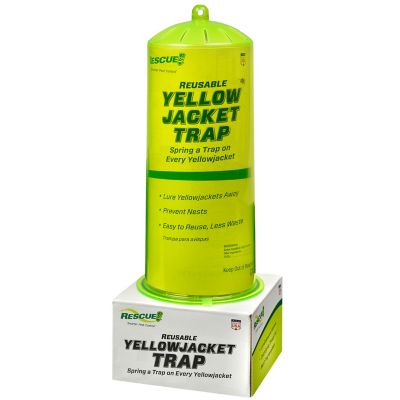
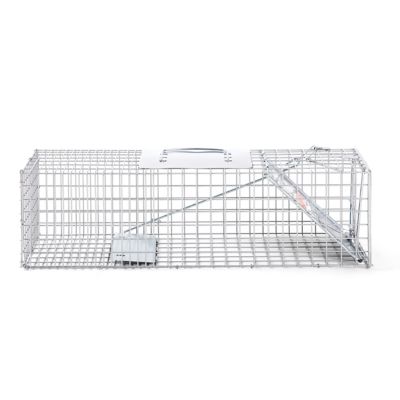
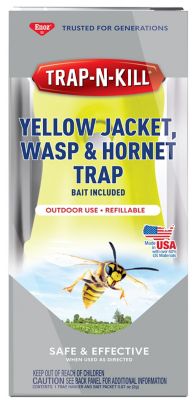
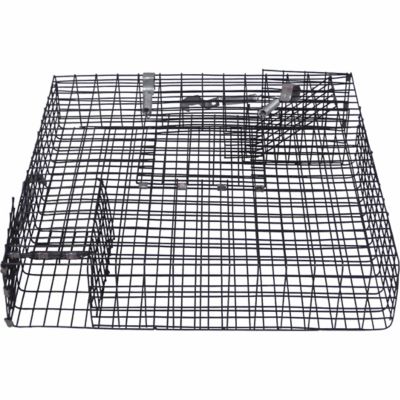
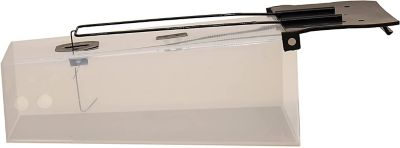
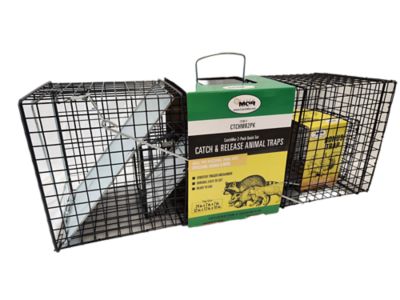
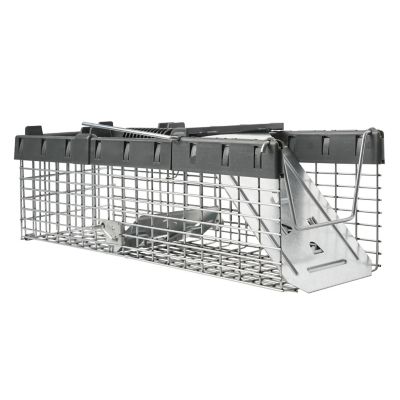
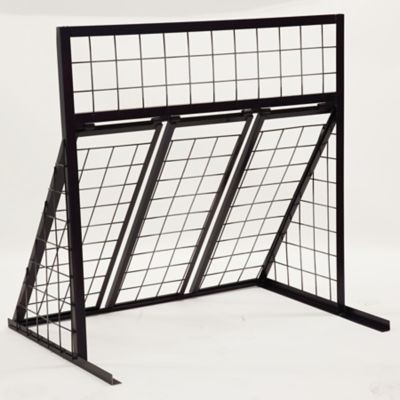
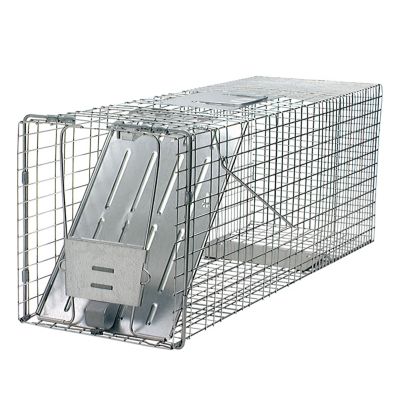
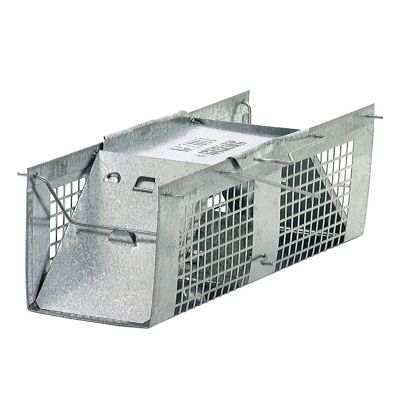
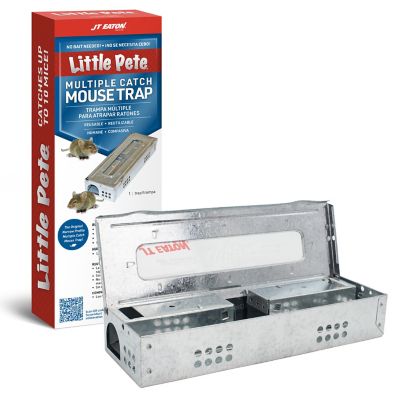
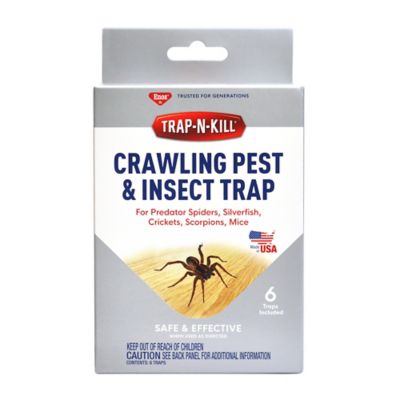
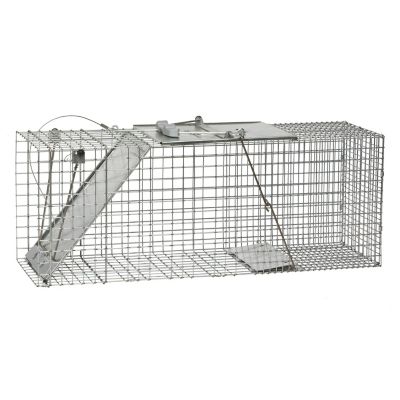
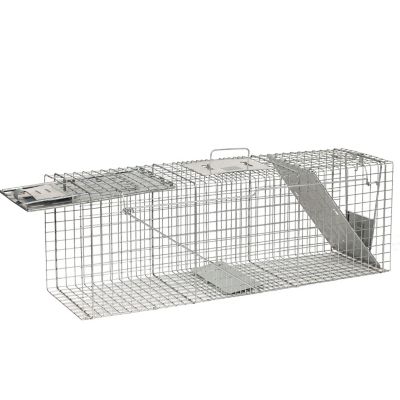
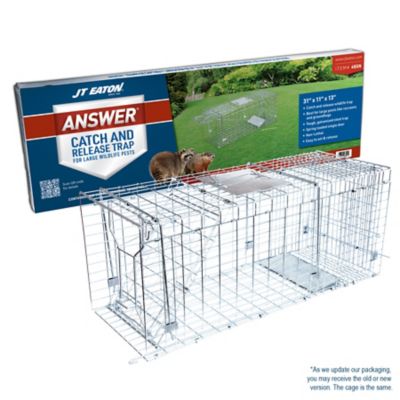
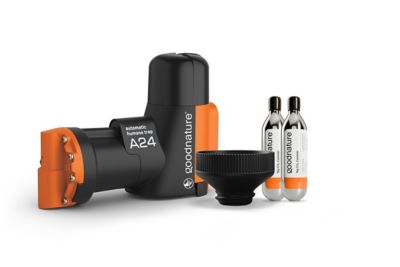
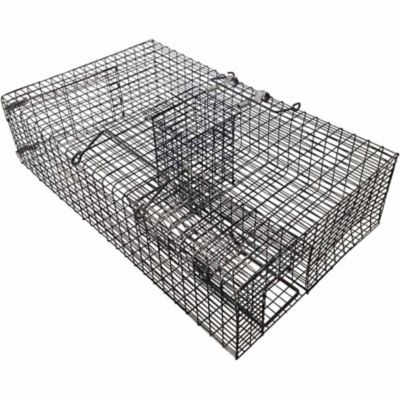
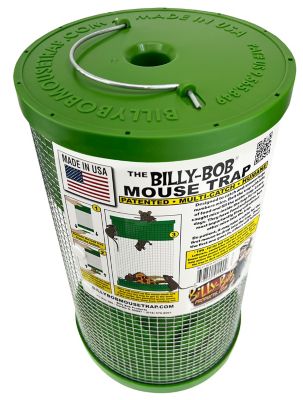
Trapping supplies have a practical place around farms, homes, barns and outbuildings where unwanted animals can get into feed, damage structures or disturb livestock. A rodent working its way into a feed room presents a different problem from a larger animal digging beneath a shed, and the equipment needs to match that difference. This category covers more than the trap itself: it also includes the supporting gear that helps with placement, handling, maintenance and storage. For property owners, livestock keepers and experienced trappers, choosing suitable equipment starts with knowing the animal involved and the setting where trapping is permitted. Trap dimensions, entrance openings, trigger design and holding capacity all matter. A trap that looks roomy enough from the outside may have a smaller usable interior once its operating parts are considered. Likewise, a sensitive trigger may suit one application but be a poor match for another. Live-capture cages, enclosed designs and other trapping equipment serve different purposes, so those distinctions deserve attention before anything goes near a barn wall or property boundary. Clear manufacturer information about target animals and intended placement is more helpful than judging a trap by its appearance alone. Location matters just as much as size, especially where barn cats, working dogs, children or neighboring livestock share the space. Equipment needs to fit a responsible plan for avoiding unintended catches, not simply fit the spot where animal activity has been noticed. State and local rules may address permitted trap types, licenses, landowner permission, checking intervals and the handling of captured animals. A live-capture design does not automatically make release or relocation lawful, and moving wildlife can create problems for the animal and the receiving property. Those responsibilities are part of selecting trapping supplies, whether the job involves a small homestead or a larger stretch of working land. The right fit is about the whole situation, not just the animal’s size.
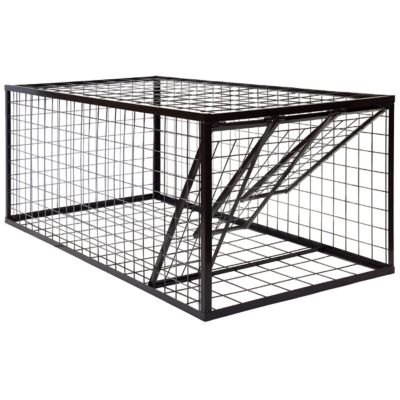
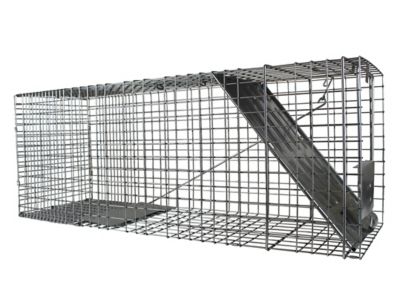
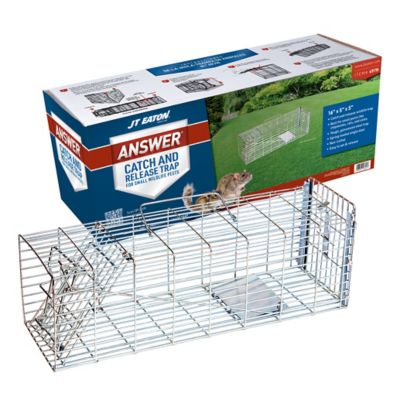
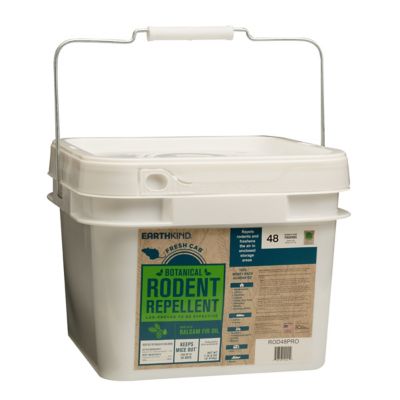
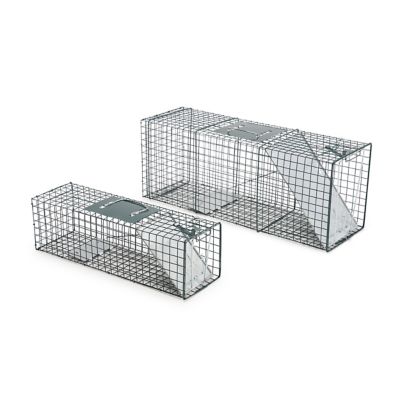
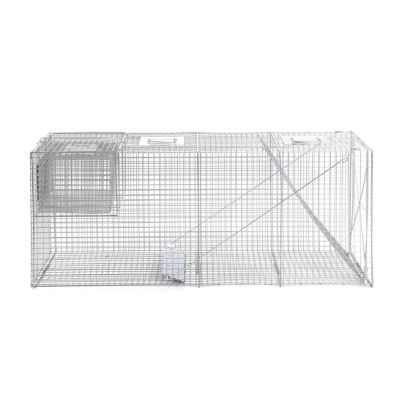
Construction details can make a noticeable difference in how trapping equipment handles everyday work. Depending on the design, steel frames, wire mesh, solid panels and protective finishes may contribute to strength, containment and ease of cleaning. Mesh spacing should suit the intended animal, while doors and latches need to operate as the manufacturer describes. On cage-style equipment, smooth edges, sound connections and a properly aligned door are worth close attention. Handles and carrying points also deserve a look, particularly when equipment must travel between a storage shed and an approved placement area. They do not replace safe handling practices or make direct contact with wildlife safe. For mechanical traps, the relationship between the frame, trigger and moving parts matters more than a heavy feel in the hand. Compatibility is another consideration across the category: replacement components, fastening hardware and anchoring equipment need to match the trap design and its stated application. Parts that appear similar are not necessarily interchangeable. Baits and lures have different roles as well, with suitability depending on the target animal, the trap and the surrounding activity. Strong odor alone is not a useful measure of suitability, especially near pets, livestock or stored feed. Packaging directions and label restrictions help establish where a product belongs and where it does not. Care requirements also affect the choice. Some equipment calls for particular cleaning methods, surface treatments or storage conditions, and those directions should take priority over a general-purpose approach. Residue, corrosion, bent wire and worn moving parts can interfere with operation. Supplies that are straightforward to inspect and maintain can make routine checks less of a chore, particularly when several locations need attention. Between jobs, separate storage away from children, animals, feed and household goods helps keep the equipment organized and limits unintended contact. Long service life depends on suitable materials, proper handling and attention to wear rather than on size or weight alone.
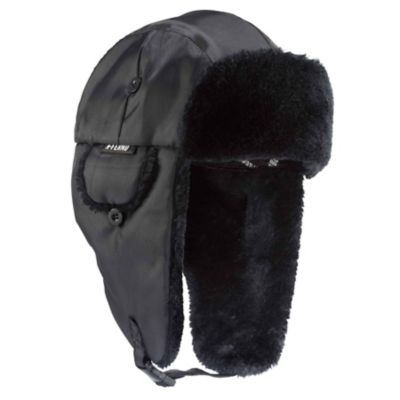
The most useful trapping supplies fit the way a property actually runs. In a feed room, there may be narrow spaces beside storage bins, frequent foot traffic and animals nearby; around a detached shed, the concern may be an opening beneath the floor or repeated digging along one side. Those settings call for different equipment footprints and different precautions. A compact design can be easier to position in a confined, permitted location, while a larger cage requires enough clearance for its door and operating mechanism to function without obstruction. Ground contact, access for required checks and separation from everyday chores all belong in that decision. Trapping is also only one part of managing animal activity. Tight-fitting feed containers, repaired entry points and fewer spilled scraps can address the reasons animals keep returning. Equipment works within that broader effort rather than replacing it. For someone responsible for several buildings, keeping trapping gear separate from fence tools and livestock supplies can make missing parts or signs of damage easier to spot before the next job. Personal clothing deserves consideration, too. Work pants that allow easy movement, appropriate footwear and accessories such as
Trapper Hats can be part of a practical outfit for checking a trapline, though clothing and gloves do not make handling a captured animal safe. Required checks need to fit into the day even when chores pile up, and every setup needs a lawful plan for what happens after a catch. An injured animal, a suspected disease risk or an unfamiliar wildlife problem may call for a licensed wildlife-control professional rather than a different trap. For experienced trappers and property owners alike, thoughtful selection comes down to equipment that suits the animal, the location and the person responsible for it. Clear operating directions, appropriate dimensions, serviceable components and manageable care requirements help make trapping supplies a sensible part of property upkeep without overlooking the animals and people sharing the ground.