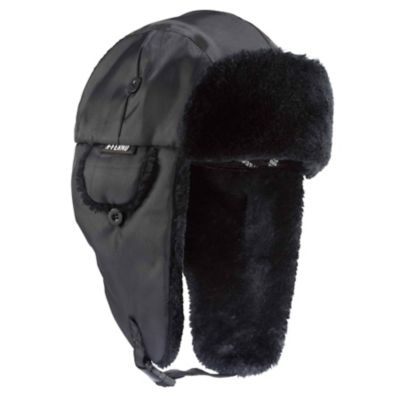
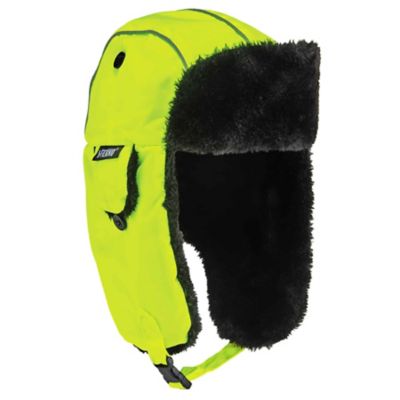
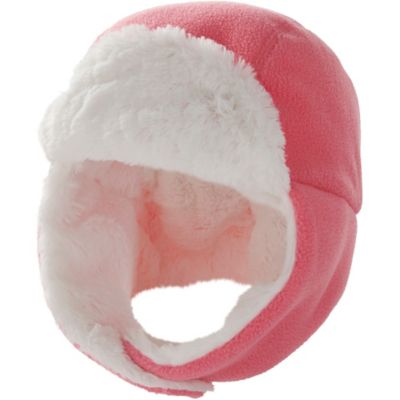
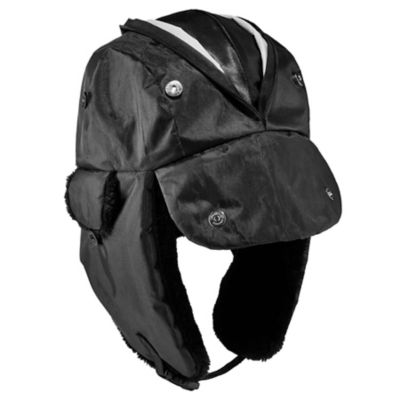
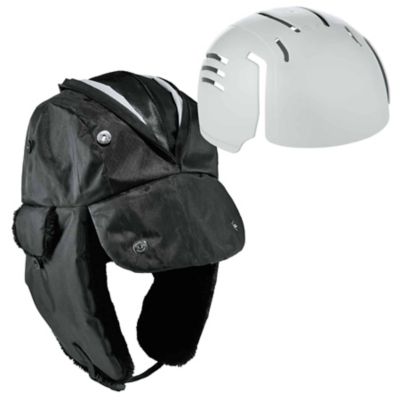
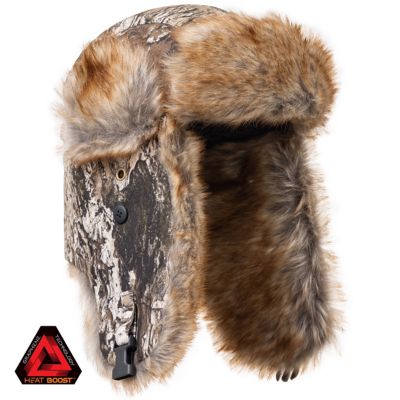
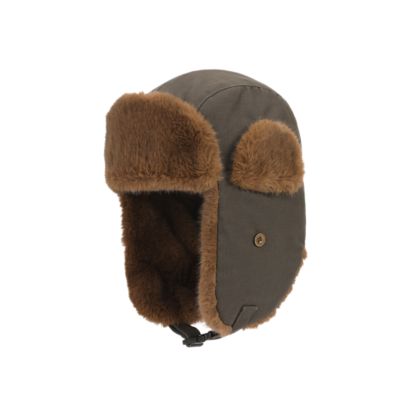
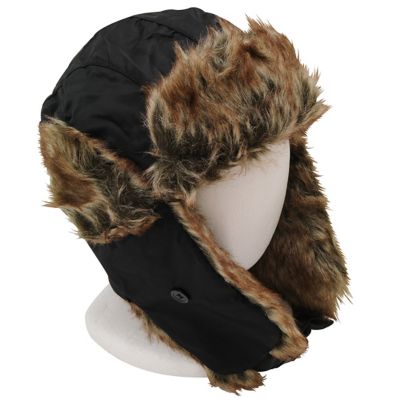
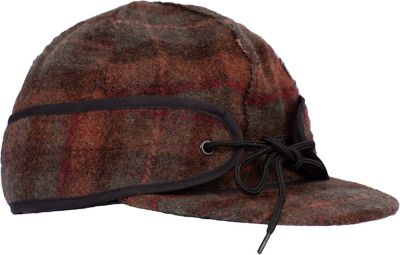
Trapper hats are cold-weather hats with a close-fitting crown and extended ear flaps that bring warmth down around the ears and sides of the face. Many also have coverage at the nape of the neck, where a short cap can leave a gap above a coat collar. Their familiar shape suits the kind of days that start with frost on the truck windshield and keep rolling through feeding time, fence checks, and a walk back from the barn after sundown. Depending on the design, the ear flaps can hang down, fasten beneath the chin, or secure over the crown when less coverage feels better. That flexibility makes a trapper hat handy when a still morning turns breezy or a slow chore gives way to a brisk walk. Materials make a noticeable difference in how these hats feel and perform. Nylon and polyester shells can offer a lightweight outer layer, while canvas brings a firmer feel that pairs naturally with work coats. Wool and wool-blend shells offer warmth with a softer, more traditional appearance; their comfort depends on the fabric weight, blend, and lining. Leather has a different feel again, with a surface that develops character over time and calls for material-specific care. For another take on that material, a
Leather Hat offers a broader range of shapes beyond the ear-flap style. Inside a trapper hat, fleece, faux fur, quilted fabric, shearling, or other fur linings can create very different levels of loft and softness. Faux fur has a plush pile, fleece generally feels less shaggy against the skin, and shearling combines wool with its attached hide. A thick lining alone does not establish how well a hat handles wind or moisture. Shell construction, insulation, coverage, and fit all contribute, and water resistance should not be mistaken for waterproof protection during a long stretch of wet snow or rain. The most comfortable combination depends on both the weather and the pace of the day.
Fit matters just as much as fabric when a winter hat stays on through several hours outdoors. A trapper hat should sit securely without squeezing the forehead or leaving uncomfortable pressure at the temples. Enough depth in the crown helps the ear flaps reach where they belong rather than riding above the bottoms of the ears. Head circumference is a useful starting point for sizing, but lining thickness and the shape of the hat affect the final feel. A plush interior can feel snugger than a thin quilted one, even when the labeled size is similar. Adjustable closures can help fine-tune the fit, though they cannot make an undersized crown comfortable. With the flaps down, the chin fastening should hold the hat in place without pulling hard beneath the jaw or making it awkward to turn the head. Snaps, buckles, and ties each have their own feel in daily wear. A closure that is easy to handle with cold fingers is especially welcome when stepping out of the cab into a stiff breeze. For anyone wearing glasses, smooth contact around the temples helps prevent the arms from pressing into the sides of the head. A tall coat collar also deserves consideration: heavy layers bunching at the back of the neck can push a hat forward when looking up. Trapper hats suit slower outdoor tasks, watching a game from the sidelines, tending animals, and walks along open fields where there is little shelter from the wind. More active work may call for lighter insulation or flaps that fold up so excess warmth can escape. Coverage around the ears can change how clearly nearby sounds come through, an important consideration around livestock, vehicles, and equipment. Loose ties should stay secured away from moving machinery, and a winter hat is not a substitute for required head protection. Where a hard hat or other protective gear is necessary, compatible cold-weather accessories need to follow the equipment maker’s requirements.
Everyday wear puts particular demands on the seams, lining, and fastening points of a trapper hat. Ear flaps are raised and lowered, chin straps get tugged, and the crown may brush against a hood or seat back throughout the day. Neat stitching, firmly attached closures, and a shell suited to the intended work are worth considering alongside warmth. A smooth outer surface may be easier to wipe after a dusty chore, while a longer pile lining can catch bits of hay and needs a gentler touch. Care starts with the label because a washable synthetic hat and one made with leather or natural fur can require very different treatment. Where the care instructions allow it, a soft cloth with a small amount of mild soap can lift surface marks without soaking the whole hat. Machine washing should be reserved for hats specifically labeled for it, with the stated water temperature and drying method followed closely. Leather, shearling, and natural fur often call for specialized cleaning; conditioners or weather treatments should be intended for the exact material rather than applied across the entire hat. After exposure to damp weather, letting the hat air out away from direct heat helps protect its shape and lining. A dashboard heater, radiator, or hot dryer can harm certain shells, trims, and insulation. Before storage, the hat should be fully dry, with enough room that the flaps and pile are not crushed beneath heavier clothing. These practical details matter for a hat that travels between a coat hook, a truck cab, and the outdoors. Trapper hats also make thoughtful gifts for people who spend cooler days checking water troughs, walking a dog down a gravel road, or cheering from cold bleachers. The recipient’s head size, preference for natural or synthetic materials, and usual activity level help narrow the choice. For someone who runs warm, manageable insulation may matter more than maximum loft; for someone standing still in the wind, fuller ear and neck coverage can make the day more comfortable.