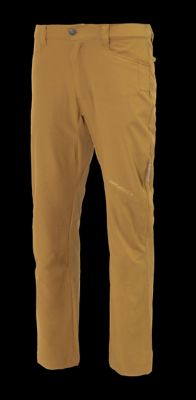
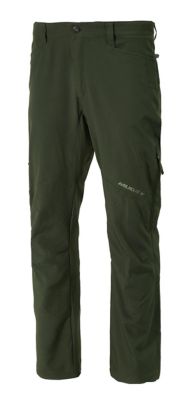
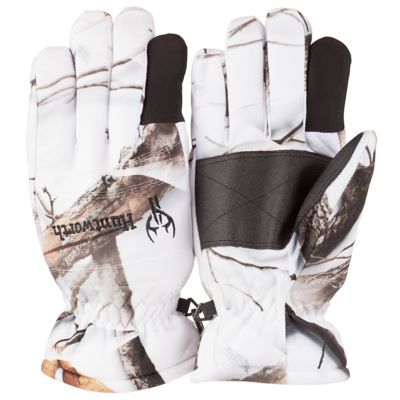
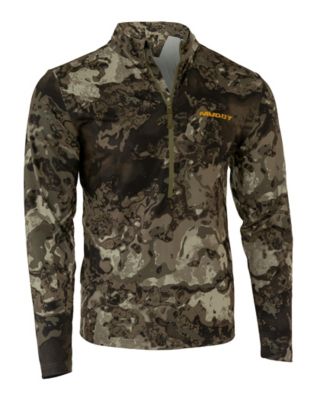
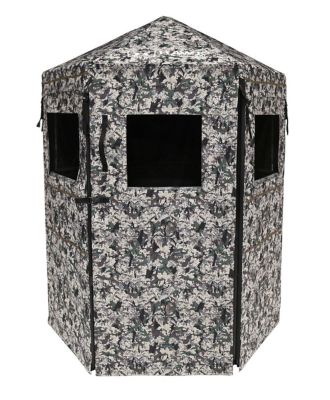
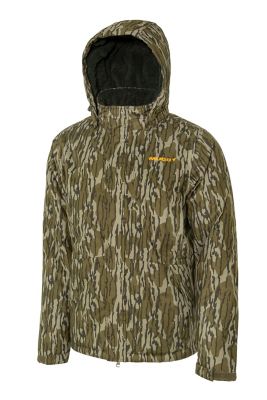
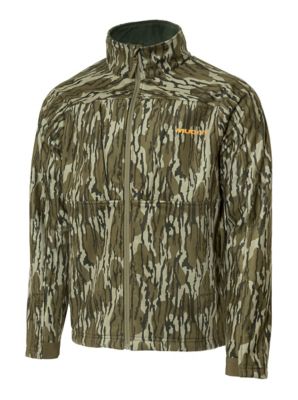
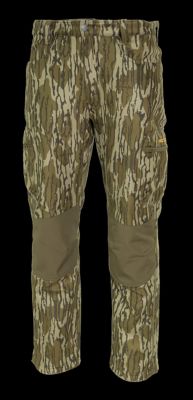
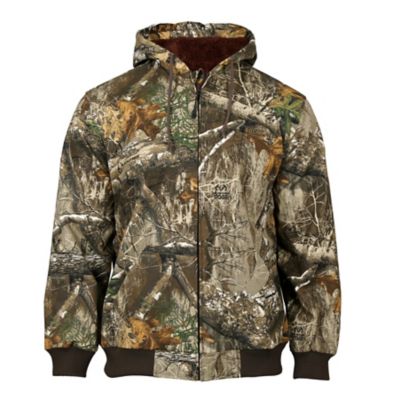
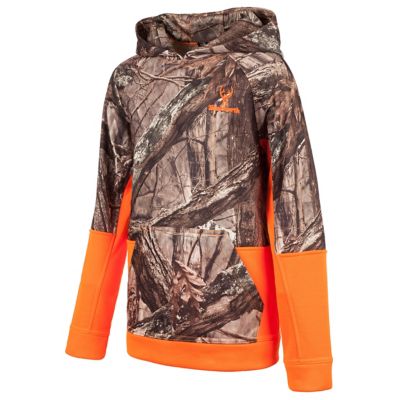
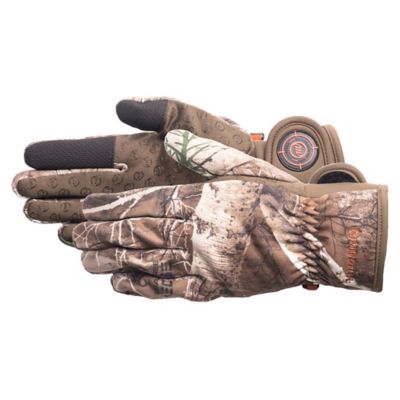
Hunting gear brings together clothing, footwear, optics, packs, and field essentials matched to the game, terrain, and way a hunter spends time outdoors. A long walk across pasture and brush calls for a different setup than several hours in a ground blind, but both depend on comfortable fit, manageable weight, and equipment that holds up to regular field wear. Hunting clothing often combines quiet fabrics, freedom of movement, and pockets that keep small essentials within reach. Merino wool and synthetic base layers help move perspiration away from the skin, while fleece and insulated layers provide options for hunters who alternate between walking and sitting. Outer fabrics with tightly woven construction, reinforced knees, and abrasion-resistant panels can better handle contact with brush, rough bark, and the edge of a seat. Camouflage patterns work best when their colors and shapes suit the surrounding cover, while blaze-orange garments provide visibility where hunting regulations require them. Fit deserves attention beyond the size on the tag: shoulders need room for reaching, knees need room for stepping over a fallen limb, and cuffs should stay clear of hands and boot soles. Footwear matters just as much once the truck is out of sight. Supportive hunting boots, well-defined tread, and a secure heel fit help with uneven ground, while waterproof construction can limit moisture entering through the boot itself. Rubber and leather each bring different care needs, and heavier construction can add protection at the expense of walking weight. Socks influence the fit of the whole system, especially around the toes and heel. A boot that feels fine standing still may rub on a hillside or crowd the toes during a downhill walk. Gloves, headwear, and face coverings round out a clothing setup, with fabric feel, hearing, visibility, and access to pockets all worth considering. Quiet closures and covered hardware can also reduce the little scrapes and clacks that seem especially loud in a still patch of woods.
Optics and field accessories help hunters observe wildlife, understand their surroundings, and keep important equipment close without filling every pocket. Binoculars offer a steady way to study an animal or scan a distant field edge, and their usefulness depends on more than magnification alone. Field of view, image brightness, eye relief, and overall weight all affect how comfortable they feel through a long stretch of glassing. Higher magnification can make hand movement more noticeable, while a comfortable harness keeps binoculars from swinging during a walk. Rangefinders provide distance readings, though performance depends on the target surface, viewing conditions, and the equipment’s stated limits. Trail cameras serve a different role, recording activity along travel routes or feeding areas where their placement is legal. Detection range, battery needs, storage, image settings, and any cellular service requirements help determine how well a camera suits a property and how often it needs attention. Calls and scent-related accessories are more closely tied to the game being pursued, the hunting method, and local rules, so their place in a setup varies. Carry systems bring these pieces together. A hunting pack with adjustable straps, a supportive waist belt, and practical compartments can keep weight close to the body and prevent hard edges from digging into the back. Water, navigation equipment, first-aid supplies, and a light deserve space alongside hunting accessories, even on familiar ground. A pack that opens without a wrestling match is easier to manage beside a tree or inside a blind. Field knives and processing tools also benefit from secure sheaths, handles that remain easy to grip, and materials that tolerate thorough cleaning. Breathable game bags help shield harvested meat from dirt and insects while allowing airflow; prompt cooling and clean handling still matter. For hunters traveling on foot, the weight and packed size of these supplies affect comfort long before the walk back to the gate.
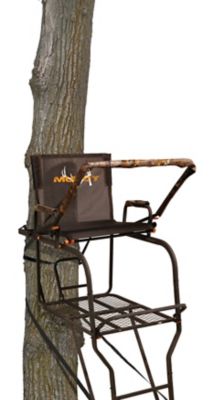
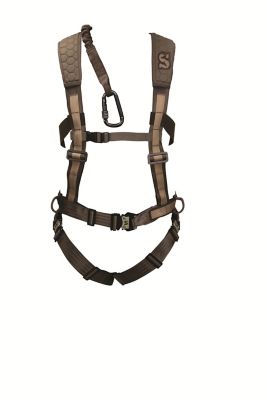
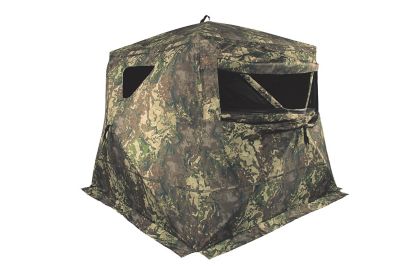
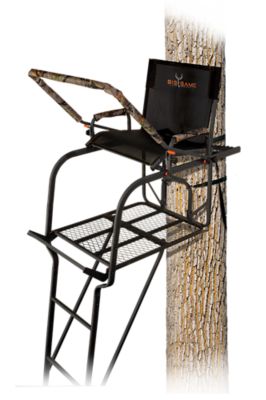
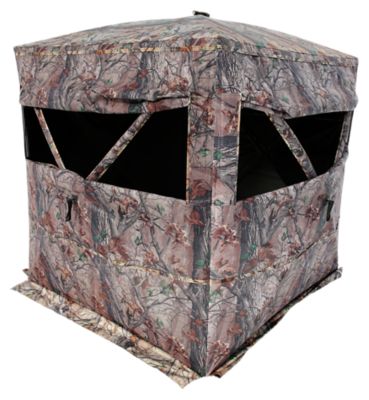
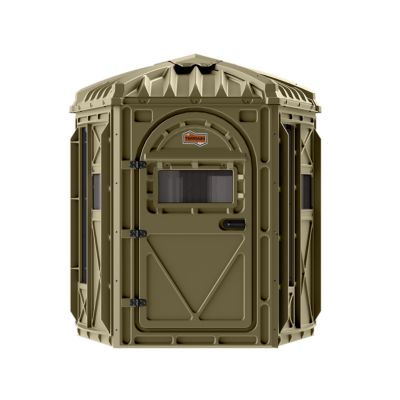
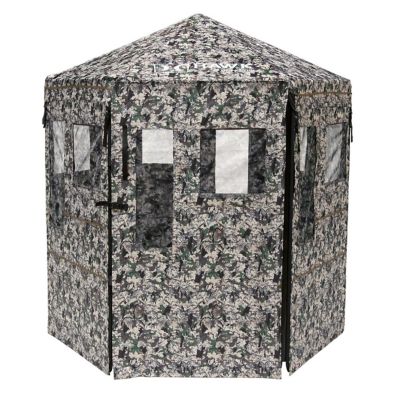
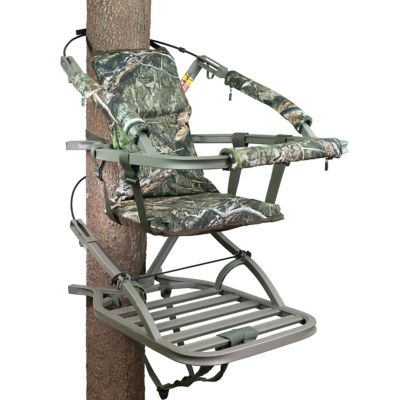
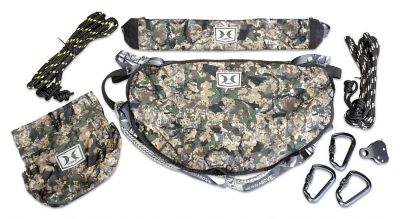
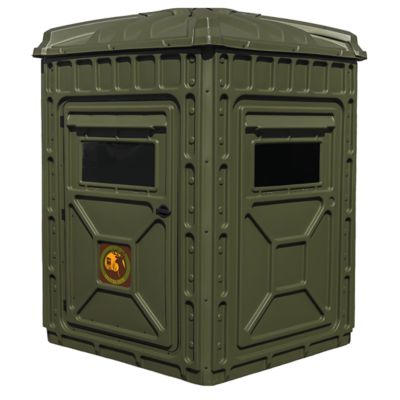
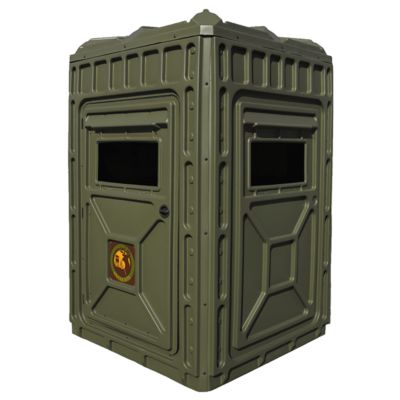
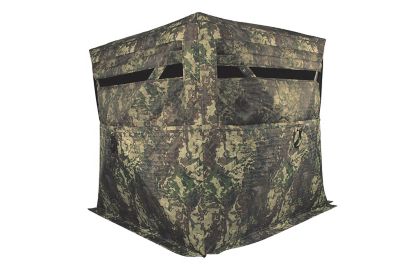
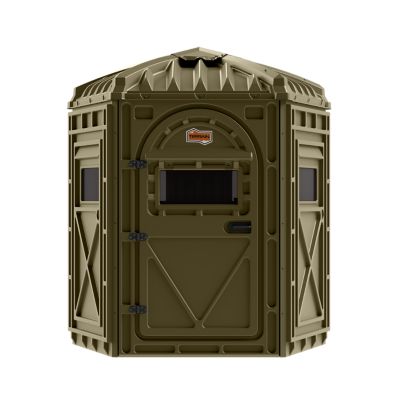
The best match for hunting equipment comes down to the place it will go and the work it needs to do. A hunter crossing open acreage may put more emphasis on carrying comfort and observation, while someone settling into a blind may care more about quiet storage, an easy-to-reach pocket layout, and a seat that allows a stable position. Elevated hunting adds another set of considerations, including equipment compatibility and a properly fitted full-body fall-arrest system operated according to the manufacturer’s instructions. Protective eyewear and hearing protection belong with shooting-related equipment, and navigation tools should support awareness of property boundaries as well as the route back. Hunters who travel permitted trails with an ATV can match
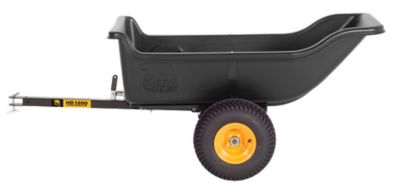
ATV Hunting Accessories to the vehicle’s mounting points, load limits, and intended cargo. Secure attachment matters when equipment rides over ruts, and loads should never interfere with steering, controls, or the rider’s movement. Back at the barn or pickup, good storage habits help keep the whole setup ready for another outing. Mud and grit can wear down fabric, stitching, zippers, and moving parts, while trapped moisture can encourage corrosion or mildew. Care labels and manufacturer directions matter because waterproof membranes, leather, coated fabrics, and optical lenses do not all tolerate the same cleaners or treatments. Clothing needs space to dry before storage, lenses call for suitable cleaning materials, and electronics need attention to battery condition and compartment seals. Regular checks of straps, buckles, stitching, and soles can reveal wear before it becomes a problem far from the truck. Hunting gear can also make a thoughtful gift for a family member or hunting partner, especially when the choice reflects how that person hunts. Clothing and footwear depend heavily on fit, while carry accessories depend on the equipment already in the recipient’s setup. Familiarity with their terrain, routine, and existing gear makes the selection more useful than simply adding another piece to the pile. Practical details earn their place over miles of walking, hours of watching, and the everyday work of keeping field equipment in shape.