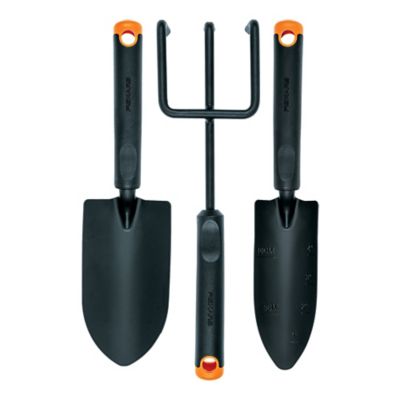
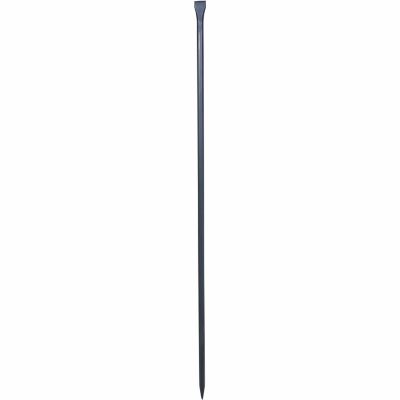
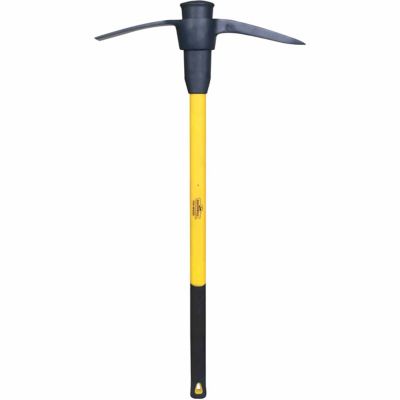
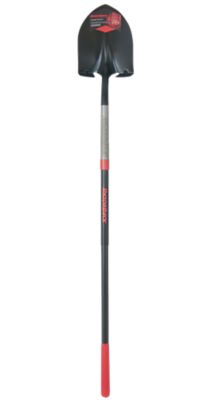
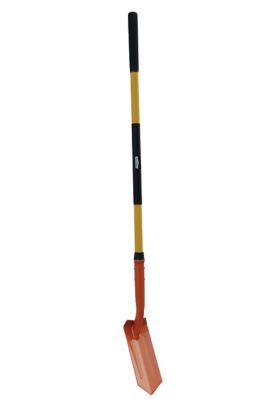
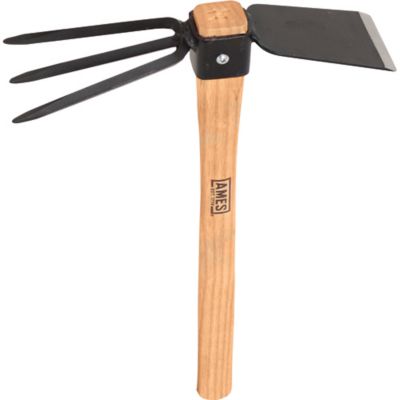
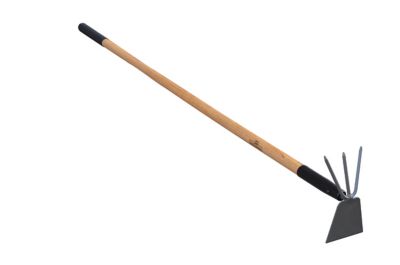
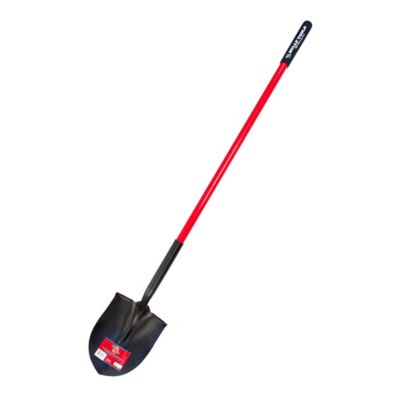
Tools for digging holes include shovels, spades, manual post hole diggers, earth augers, digging bars, mattocks and hand trowels. The right choice depends on the hole’s width and depth, the ground beneath it and how many holes the job calls for. Planting a shrub beside a porch takes a different setup than setting a run of fence posts along a pasture. A round-point shovel has a curved blade that helps break into soil and lift it out, making it a practical starting point for general yard and farm work. A digging spade usually has a straighter blade that suits defined edges, planting holes and trimming the sides of an excavation. Narrow trenching shovels reach into tight spaces and lift loose material from slim channels, while small hand tools give gardeners more control around young plants. For compacted soil, a mattock combines an adze-style blade with a chopping blade or pick, depending on the head design. A digging bar concentrates force through a narrow working end to loosen stubborn ground or shift smaller rocks within the tool’s intended limits. These tools handle different parts of the same job: breaking the surface, loosening the ground and clearing the hole. Blade width matters because a broad scoop carries more loose soil but can take more effort to push into packed earth. A narrower blade can be easier to work between established plants or along a tight fence line. Sharpened edges help with penetration, while broad foot steps give boots a steadier place to apply pressure. Hole shape matters, too. A wide planting hole, a narrow post hole and a short trench each call for a different balance of reach, control and soil removal. For construction projects, the required opening and depth should follow the plans, local requirements and the needs of whatever will be installed, rather than the dimensions of the tool alone.
For fence lines and gate openings,
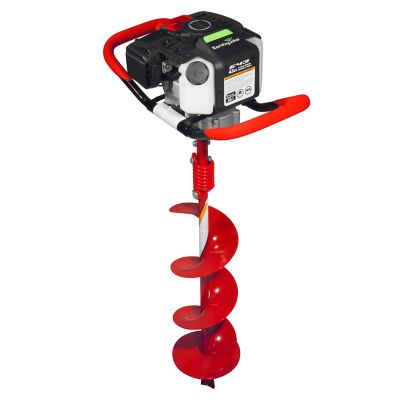
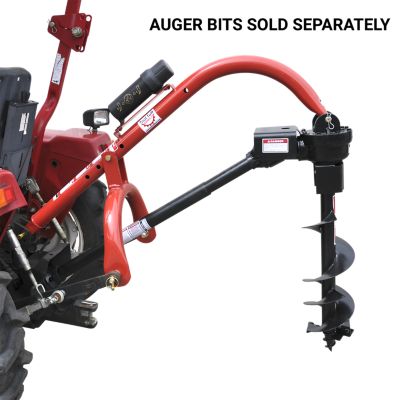
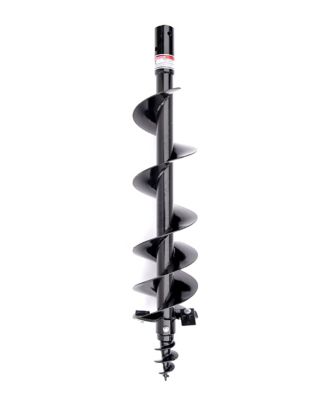
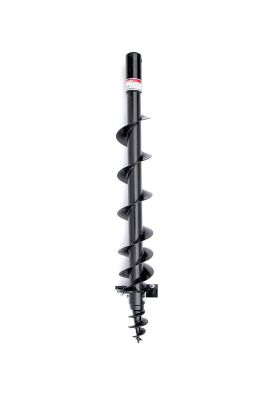
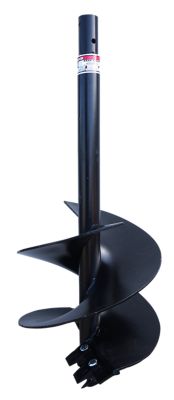
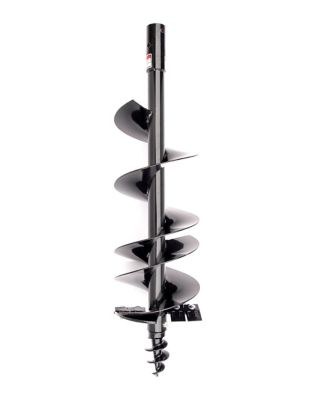
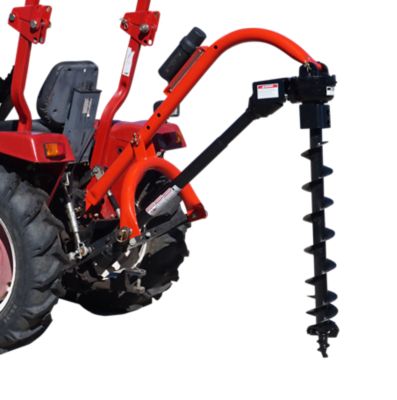
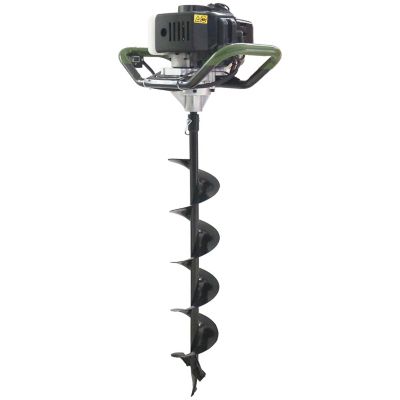
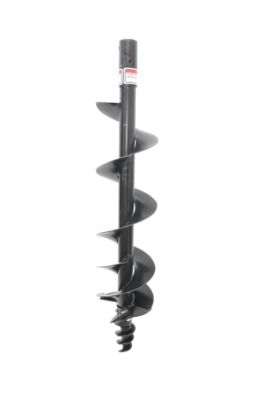
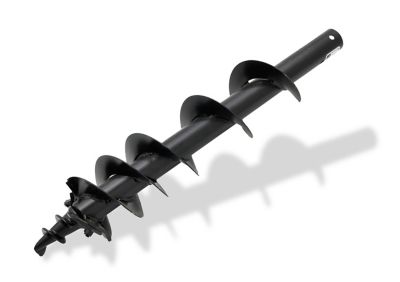
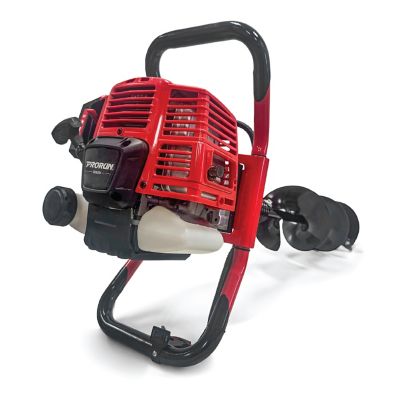
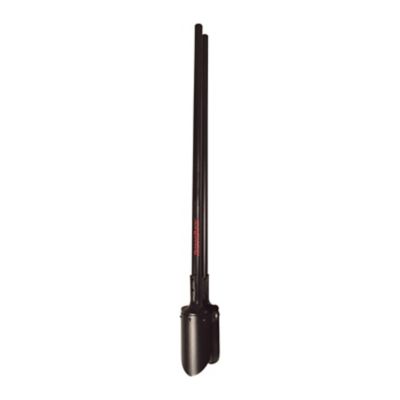
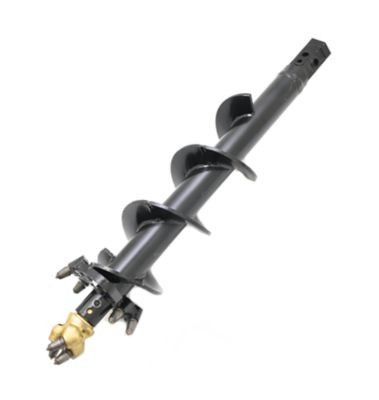
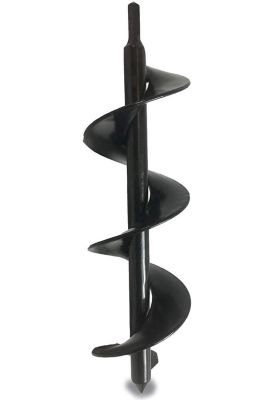
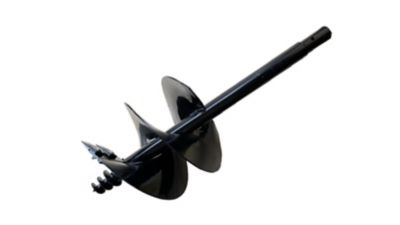
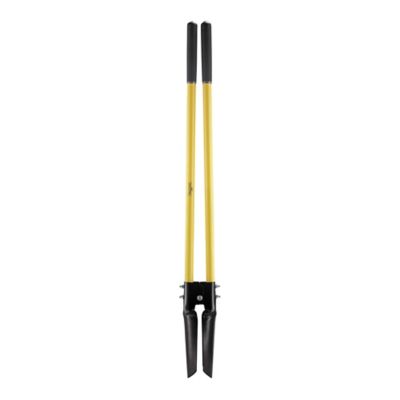
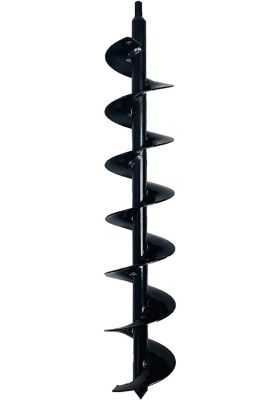
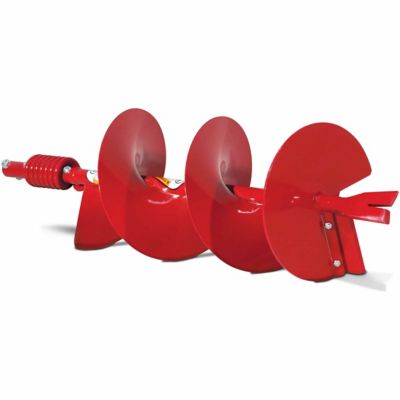
Post Hole Diggers help create the narrow openings needed for posts. Manual models have paired scoops that close around loosened soil so it can be lifted out without widening the entire opening. Handle length, scoop shape and the space needed to spread the handles all affect how comfortably they work at greater depths. They make sense for smaller projects, occasional repairs and locations where larger equipment would be awkward to position. Earth augers take a different approach, turning a spiral bit to cut into the ground and move loosened soil toward the surface. Hand-operated augers suit certain small jobs, while powered equipment can reduce the effort of making repeated holes when matched to the ground and the project. Powered options range from handheld equipment to machines and tractor-mounted attachments, with different requirements for operator count, controls, power and attachment compatibility. A larger bit does not automatically make a better hole; its diameter needs to suit the planned installation and stay within the equipment’s rating. Extension compatibility and rated digging depth matter when additional reach is necessary. Soil conditions also shape performance. Loose soil may fall back into an opening, clay can cling to blades and flights, and stones or buried roots can stop a rotating bit abruptly. An auger is not a substitute for equipment designed to cut rock, and forcing a stalled bit can create a dangerous situation. Torque control, secure footing and following the manufacturer’s operating directions deserve attention with any powered digging equipment. Before any ground is disturbed, a request through 811 helps arrange marking of participating utilities; private lines may need a separate locating service. Eye protection, work gloves and sturdy footwear belong alongside the digging tools, with hearing protection where the equipment calls for it. Around barns, gardens and livestock areas, working space matters as much as digging power, especially beside an existing fence or a narrow gate.
Materials and fit make a noticeable difference when a short chore turns into an afternoon of digging. Steel blades and heads bring the strength needed for repeated contact with soil, though steel type, thickness, heat treatment and construction vary. Forged heads and reinforced sockets are features worth considering for demanding work because the connection between the head and handle takes considerable strain. Stainless steel appears on some smaller garden tools and offers resistance to rust, while protective finishes on other steel tools help limit corrosion when kept intact. Wood handles offer a familiar grip and may be replaceable on designs that allow it. Fiberglass handles resist rot, and steel shafts provide another construction option, but total weight and balance still deserve a close look. A tool that feels manageable for a few scoops can feel quite different after clearing several deep holes. Handle length should suit the person doing the work and the space available. Long shafts provide reach, while D-grips and similar handle shapes can offer a firm handhold for lifting and turning soil. Grip size matters with work gloves on, and a smooth handle surface should feel secure without sharp seams or splinters. Foot steps should leave enough room for a boot without crowding the shaft. Care is straightforward: soil left packed around a socket or auger connection can hide wear, and damp clumps left on bare steel encourage rust. Cleaning off soil, drying metal surfaces and storing tools off the ground help keep them ready for the next job. Cutting edges, fasteners, handles and powered connections need regular inspection, with maintenance and edge care matched to the manufacturer’s directions. Gardeners, fence builders, acreage owners and grounds crews may need different combinations, but all benefit from tools that fit the work rather than simply looking substantial. For a practical gift, the recipient’s usual chores, working space and preferred handle style offer better direction than size alone.