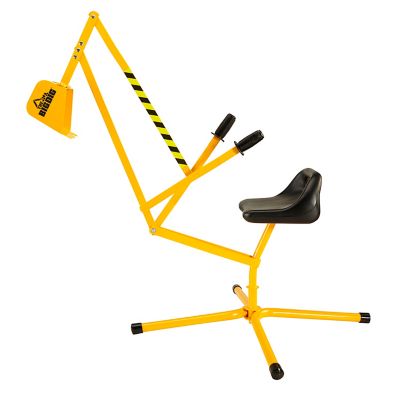
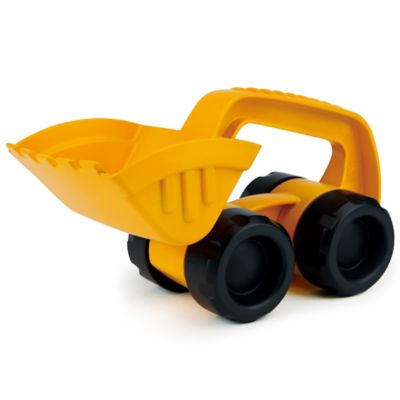
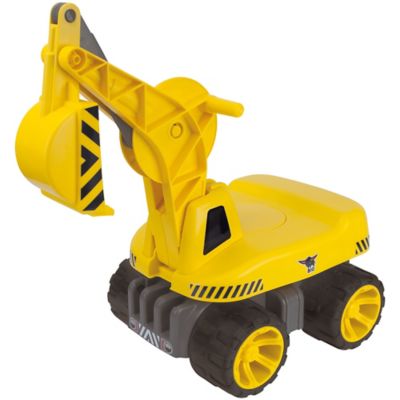
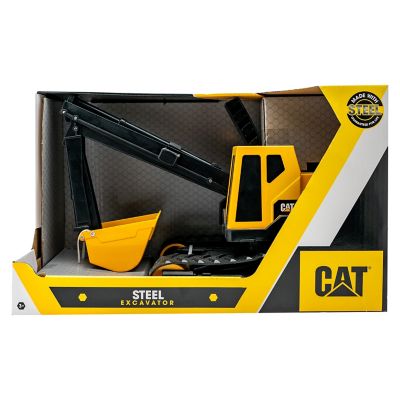
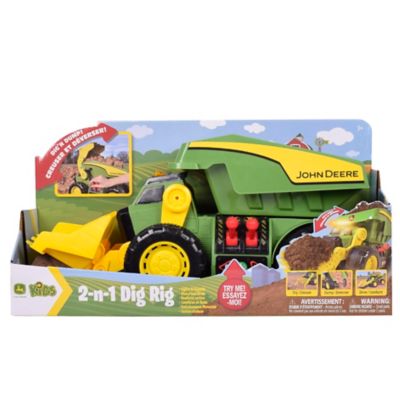
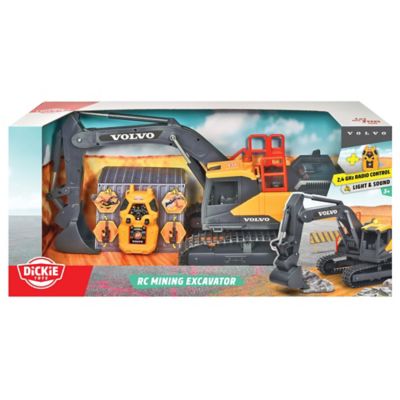
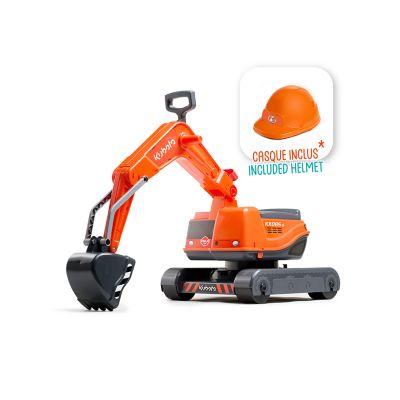
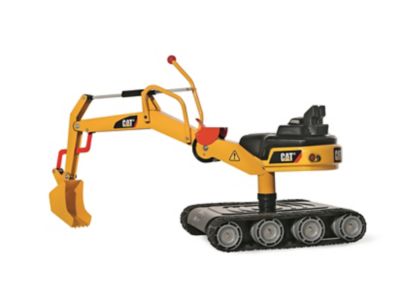
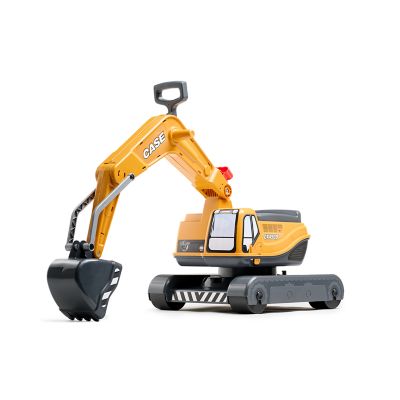
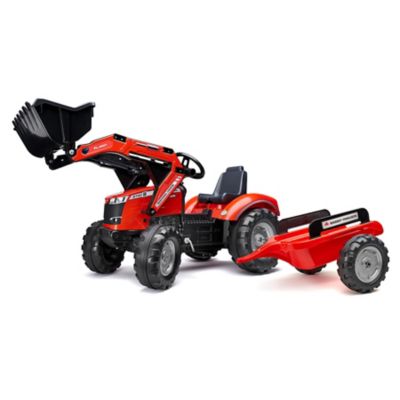
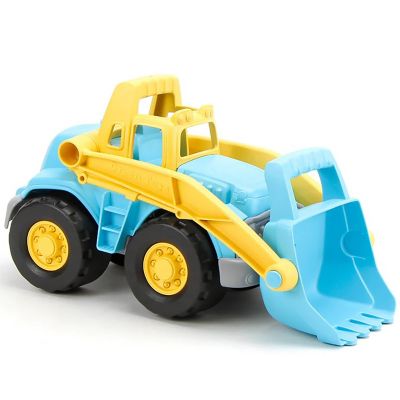
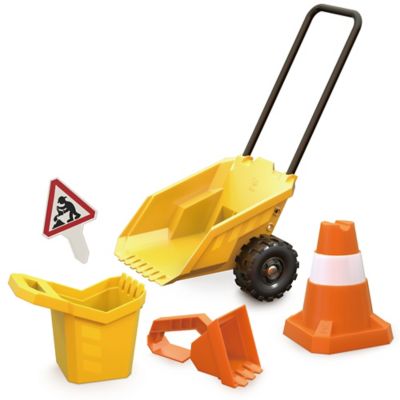
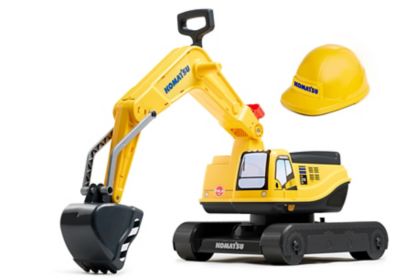
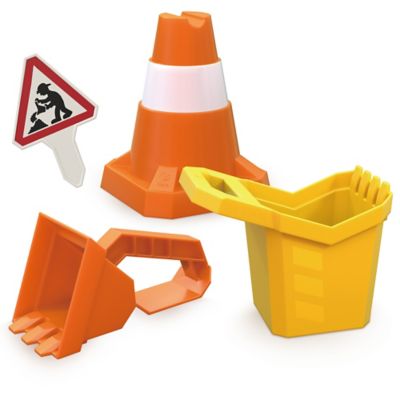
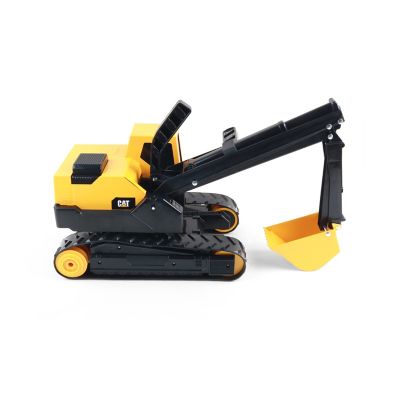
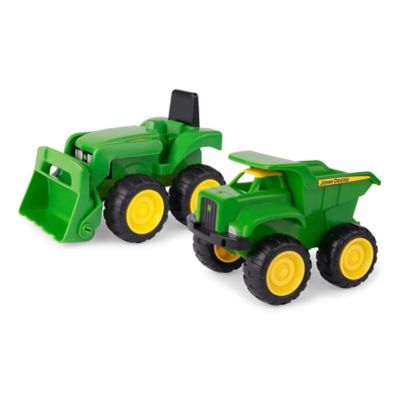
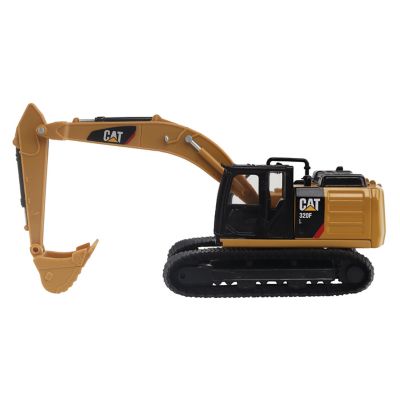
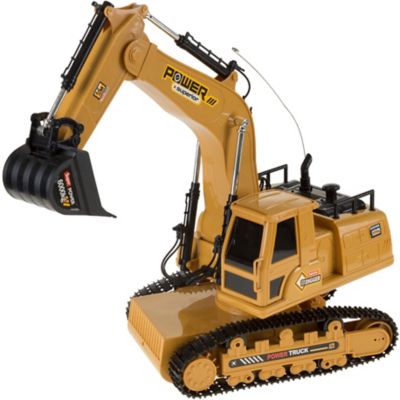
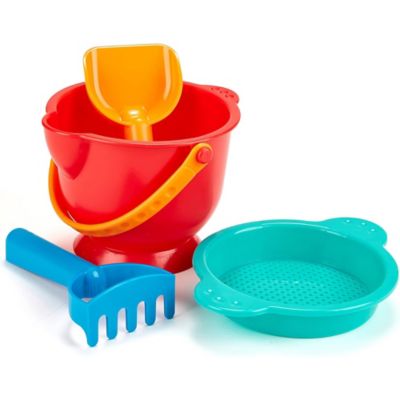
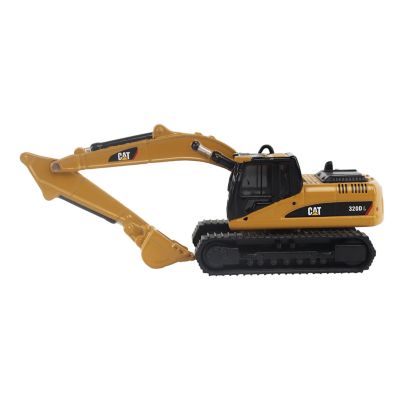
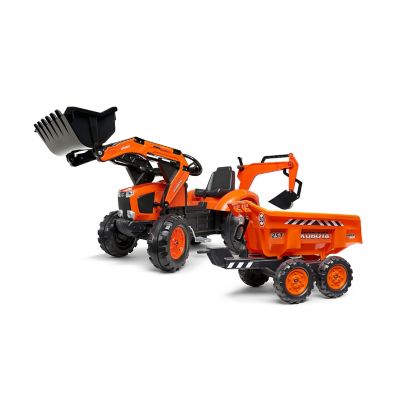
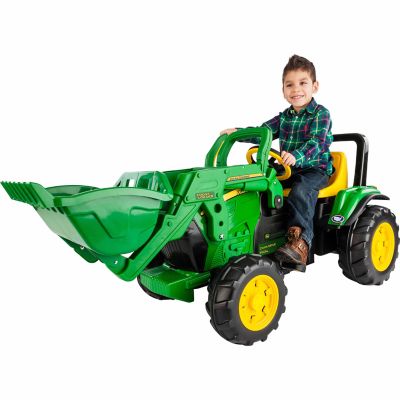
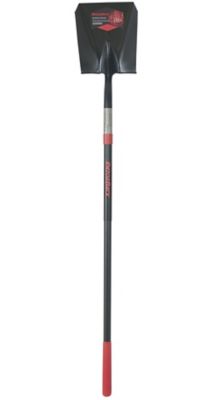
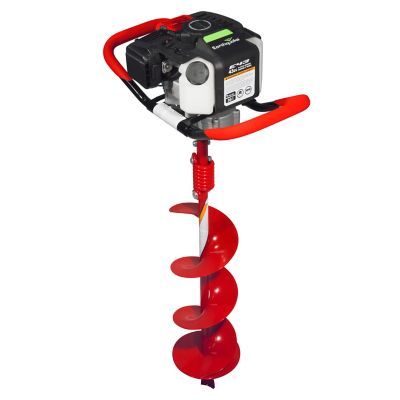
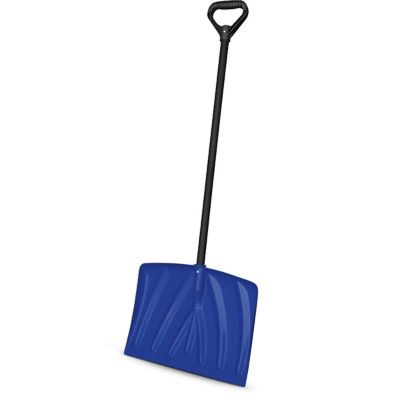
Digging toys bring big-job imagination down to kid-sized play. A child can climb into a ride-on excavator, turn the seat toward a fresh patch of sand and work two control levers to scoop, lift and dump like a road crew at work. Other digging toys are simple handheld tools that fit easily in a sandbox, garden bed or tote for outdoor play. Small shovels, scoops, trowels and hand diggers help children move sand, loose soil, mulch or snow while building coordination through ordinary, hands-on fun. Discovery and gem dig kits offer a different kind of digging adventure, giving kids a block or plaster material to chip away at as they uncover hidden fossils, stones or small treasures. These toys can make thoughtful gifts for birthdays, family gatherings or cooler-weather indoor play, especially for children who like construction equipment, nature, collecting or making their own little work sites. They also suit a wide range of play spaces, from a backyard sandbox and a gravel driveway to a porch tub filled with sensory materials. During the warmer part of the year, digging toys can keep children busy outdoors while they build roads, tunnels, ponds and castles. As the weather turns cooler, a hand tool set or discovery kit can move into a garage, mudroom or playroom for imaginative projects without needing a large play area.
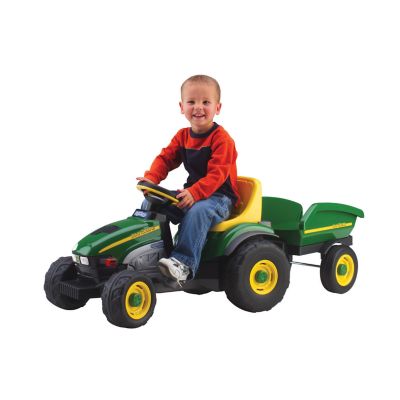
When choosing digging toys, start with the child’s age, size and play habits. Ride-on excavators are commonly designed for children ages 3 and up, but age recommendations are only one part of the decision. Always check the listed weight limit, which may be around 110 pounds for some metal ride-on designs, and choose a sturdy, level area where the child can operate the toy safely. A rotating seat can make it easier to reach different parts of a sandbox, while two-handed control levers encourage hand-eye coordination and help children learn how movement at the controls affects the scoop. For younger children, look for tools that are easy to grip, lightweight and sized for small hands, with smooth edges and no loose parts that could become a hazard. Plastic tools are often a practical choice for sand and water play because they are light and easy to rinse, while metal hand tools may offer a more realistic feel and better performance in firm soil. For outdoor toys that will live on a porch, in a barn or beside a sandbox, durable construction matters. Powder-coated steel can help metal equipment stand up to regular outdoor use, and UV-resistant plastic can help reduce fading and brittleness from sun exposure. Even tough toys last longer when they are emptied of wet sand, rinsed after muddy play and stored out of standing water. Children should use digging toys with adult supervision, especially around hard ground, rocks, water, garden tools and other equipment. A clear play area and a little guidance go a long way toward keeping the fun focused on scooping, building and discovering.
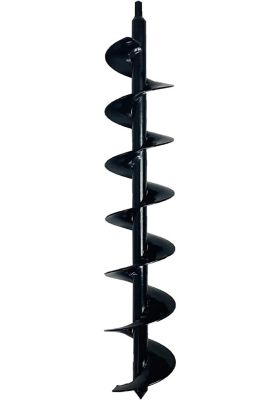
Digging toys can also be paired with everyday outdoor projects to give play a more personal touch. Set up a sandbox construction zone with cups, buckets and toy vehicles, or let children create pretend utility lines, animal burrows and garden plots in a designated area of loose soil. A ride-on digger works well for children who enjoy active, make-believe work and have room to maneuver, while handheld tools are easy to pack for a camping trip, visit to the beach or afternoon at a relative’s house. Discovery kits are useful when space is limited or when a child enjoys slower, focused activities that reward patience. Keep the digging material on a tray or washable mat, and have a small brush nearby for clearing away dust as the hidden item appears. Children who are interested in real gardening may also enjoy exploring age-appropriate
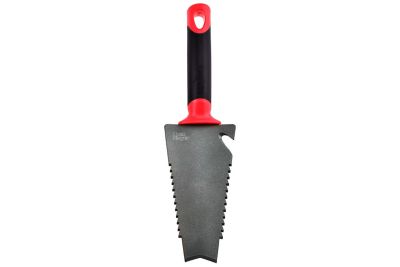
Root Digging Tools with an adult, though regular garden equipment should not be treated as a toy. For any digging activity, match the tool to the material: soft sand calls for a lightweight scoop, loose soil may need a firmer hand trowel, and compacted ground is better left to adults. The right size and material make a noticeable difference, helping children use the toy successfully instead of fighting with a handle that is too large or a scoop that is too heavy. Whether it becomes part of a sandbox, a seasonal gift basket or a rainy-day discovery station, a digging toy gives kids a hands-on way to practice problem-solving, strengthen small muscles and turn an ordinary patch of ground into a place full of stories.