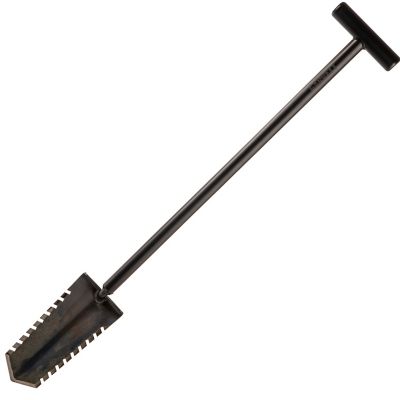
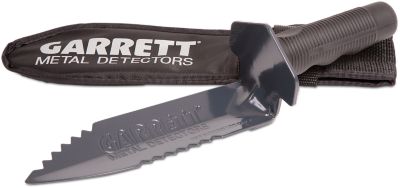
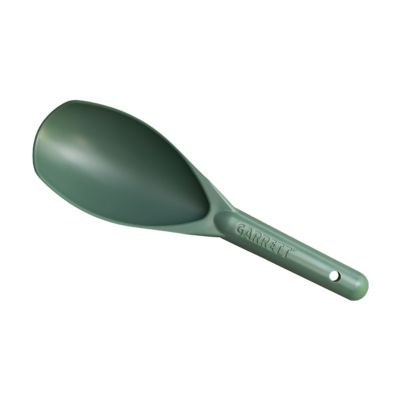
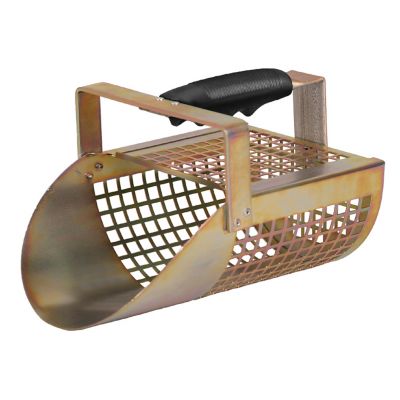
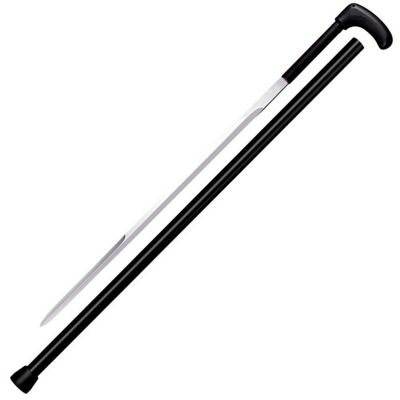
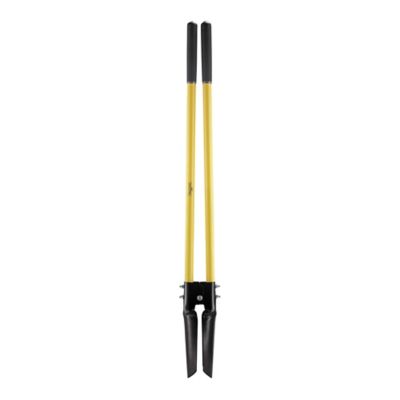
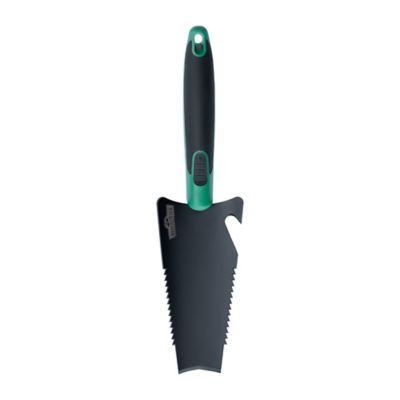
Metal detecting digging tools help uncover a located target while keeping the hole, the surrounding ground, and the find itself as undisturbed as possible. The main types include hand diggers and trowels for shallow recovery, narrow-blade shovels for deeper targets, and sand scoops for loose, sandy ground. The right fit depends on the soil, the likely target depth, and how much gear you want to carry. A compact hand digger makes sense for a coin-sized signal close to the surface, especially where permission allows detecting on maintained grass. A pointed blade enters the ground in a small area, while a serrated edge can work through fine roots without requiring a broad cut. That control matters when a small coin or button may be sitting just beside the blade. For open fields and other permitted search areas with deeper signals, a longer-handled digging shovel offers more reach and leverage. Narrow blades move less earth than broad garden spades, and foot steps can provide a place to apply pressure without pushing directly on the blade’s edge. T-handles offer a compact grip, while D-handles give the hand an enclosed opening that some folks find easier to hold with gloves. Neither shape is best for every person; overall length, grip size, and balance matter just as much. On sandy ground, a scoop lets loose material fall through openings while larger objects stay inside. Opening size affects what remains in the basket, so a scoop meant for larger finds may let very small targets slip through. A hand scoop keeps the setup light for shallow searching, while a long-handled design provides reach with less kneeling. Across these styles, metal detecting digging tools work best as target-recovery equipment, not as a replacement for a pry bar, rock pick, or full-size shovel for moving large amounts of earth.
Blade material and construction make a difference when the ground is packed tight or scattered with gravel. Steel blades bring strength to narrow digging profiles, but thickness, shaping, and the connection between blade and handle also affect how a tool handles pressure. Stainless steel offers corrosion resistance, though it still benefits from cleaning and drying after a trip. Carbon steel can provide a strong working edge, with more attention needed to protect exposed metal from rust. Protective coatings help shield the surface, but scraping against stones can wear those finishes away. A sturdy-looking blade alone does not tell the whole story: secure joints, sound welds, and a handle that does not shift under pressure deserve a close look, too. Blade shape should match the work. A slim point enters a confined spot, a gently dished blade carries loose dirt, and a straight cutting edge offers control around a small opening. Serrations can help with fibrous ground, although aggressive teeth also call for care around turf and buried objects. Fit is just as practical as metal choice. A grip should leave enough room for the hand without forcing the fingers into a cramped position, and a guard can help keep the hand from sliding toward the blade. Textured handles offer traction when hands or gloves are dirty, while a smooth, rounded handle end may feel better against the palm during repeated pressure. For someone who spends plenty of time crouched beside a signal, a short tool keeps the work close. A longer shaft suits someone who prefers to start an opening while standing. Weight becomes noticeable over a long walk across a pasture or along a trail, so carrying comfort belongs in the decision alongside digging strength. Sheaths and secure carriers keep sharp edges covered between stops. Folding designs reduce packed length, but their hinges and locking points need attention, particularly when grit collects around moving parts. Blades also need enough room in a carrier to slide in without catching the cutting edge.
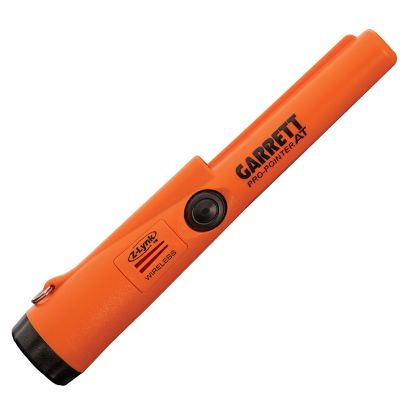
A useful metal detecting setup supports the whole recovery, not just the first cut into the soil. A handheld pinpointer helps narrow the target’s location within loose earth or a lifted section of ground, which can reduce unnecessary digging. A ground cloth gives excavated soil a place to land instead of scattering through the grass, and a finds pouch helps keep recovered objects contained during the walk back. Separate compartments are handy when a promising coin turns up in the same outing as bottle caps, wire, and other scrap. Gloves offer a barrier against dirt and rough edges, although no glove makes it safe to handle unknown sharp objects carelessly. These details matter to longtime detector enthusiasts, folks exploring a permitted farmstead site, and beginners learning how much patience goes into a careful recovery. As a gift, a digging tool is easiest to match when the recipient’s usual search ground and preferred working position are known. Someone searching sandy areas has different needs from someone recovering shallow signals in firm turf. Adult recovery tools with pointed blades and cutting edges are not play equipment; families looking for a separate category of digging play can explore
Digging Toys. Responsible access remains part of any detecting outing. Landowner permission, posted rules, local restrictions, and protection of historic or archaeological sites determine where digging belongs. Knowing the location of buried utilities and irrigation lines matters even when a target seems shallow. Careful recovery also leaves space between the blade and the suspected find, since contact with a metal edge can scratch a coin or damage a fragile object. Back at the shed or garage, removing packed dirt, drying metal surfaces, and checking handles and fasteners help keep equipment ready for another trip. Cutting edges and serrations belong covered in storage, away from children and loose gear. A well-matched digging tool feels manageable on the walk, controlled at the target, and straightforward to clean when the searching is done.