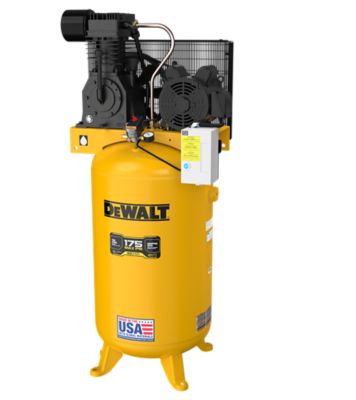
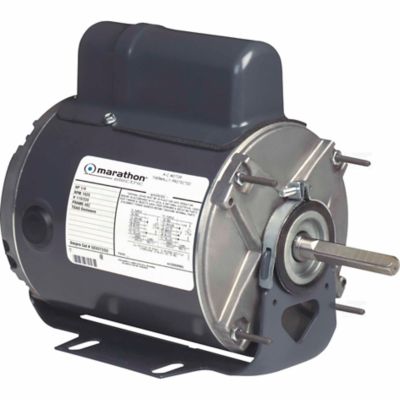
Three-phase motors are electric motors powered by three alternating currents spaced 120 electrical degrees apart. Together, those currents create a rotating magnetic field that turns the rotor and delivers power to connected equipment. In common squirrel-cage induction designs, that rotating field also provides starting torque without a separate starting capacitor. Their smooth torque delivery makes three-phase electric motors a practical fit for pumps, air compressors, conveyors, machine tools, and other equipment that has steady work to do around a farm, workshop, or commercial operation. A water pump keeping a livestock system supplied and a conveyor moving grain have different demands, even when their motors carry the same horsepower rating. Horsepower describes mechanical output, but starting torque, operating speed, and the way a load behaves all help determine whether a motor fits the job. A loaded conveyor may need substantial torque to get moving, while a centrifugal pump places different demands on the motor as speed increases. Rated revolutions per minute, or RPM, matter just as much as horsepower when replacing a motor that drives a pulley, gearbox, or pump. On an induction motor, the rotor normally turns slightly slower than the rotating magnetic field; that difference is called slip. Matching the equipment’s intended operating speed helps preserve its designed performance instead of simply putting another motor on the mounting plate. Duty rating is another important distinction. Continuous-duty motors are rated to operate continuously under their specified conditions, while intermittent-duty applications involve defined periods of operation and rest. For farmers, maintenance crews, fabricators, and shop owners, the right match comes down to the whole workload: how often the equipment starts, what it takes to get that load moving, and how long it runs between stops. Those details tell more about suitability than the motor’s outward size alone. Efficiency ratings can also help compare how effectively motors turn electrical input into mechanical output, especially on equipment that runs for long stretches.
Physical fit deserves close attention because a replacement three-phase motor has to connect to the machine as well as the electrical supply. A standardized frame designation helps identify mounting dimensions, shaft height, and other key measurements, but the complete frame information still needs to match the equipment. Foot-mounted and flange-mounted arrangements serve different layouts, and shaft diameter, shaft length, keyway dimensions, and mounting-hole spacing all affect compatibility. A motor that looks close on the bench can still leave a pulley out of line or a coupling short of its proper position. Rotation also matters, especially for directional pumps and other driven equipment with a specified operating direction. The nameplate and manufacturer’s drawings provide the details needed to compare those connections before installation. Housing materials influence weight, handling, and how the motor suits its surroundings. Cast-iron housings generally add weight and rigidity, while aluminum housings generally weigh less; neither material by itself establishes suitability for every job. Winding insulation, bearing construction, shaft design, and protective finishes also contribute to service life. Enclosure type is especially important around chaff, dust, moisture, and airborne debris. An open drip-proof motor allows air through its interior and belongs in surroundings compatible with that design. A totally enclosed fan-cooled motor moves cooling air across its outer housing rather than directly through the windings, but that designation does not make it waterproof, washdown-rated, or approved for hazardous locations. Grain-handling areas and other places with combustible dust require equipment specifically approved for the location. Clearance around cooling surfaces matters, too; a motor tucked tightly behind a wall of equipment may not have the airflow its design requires. Good alignment, a solid mounting surface, and appropriate belt tension help limit vibration and unnecessary bearing loads. These practical fit details matter whether the motor sits beneath a shop compressor or alongside a pump that supports daily chores.
Electrical compatibility is just as important as mechanical fit. Three-phase motors need a compatible three-phase supply or a properly engineered conversion system; matching horsepower does not make one a direct substitute for a single-phase motor. Nameplate voltage, frequency, full-load current, and wiring information establish the electrical requirements, and multiple-voltage ratings do not mean a motor can run on any available supply. A qualified electrician can confirm the connections and select suitable controls, overload protection, grounding, and disconnecting equipment for the installation. Frequent starts, reversing operation, and variable-speed service can add requirements beyond a basic run-and-stop application. A variable frequency drive can control motor speed, but the motor and drive need to be compatible with each other and with the connected load. Inverter-duty ratings, operating-speed limits, insulation requirements, and cooling at reduced speed all deserve attention when speed control is part of the job. Service factor also has a specific meaning: it describes permitted loading under stated conditions, not a standing invitation to overload a motor. For equipment centered on moving air,
Fan Motors offer another application-focused category, with mounting, speed, and enclosure requirements tied to the fan assembly. Whatever the driven equipment, access for inspection and upkeep belongs in the purchase decision. Some motor bearings are sealed, while others have lubrication requirements set by the manufacturer, so grease fittings and service intervals should never be assumed. Clear cooling passages, sound electrical connections, and attention to unusual noise or vibration can help catch developing trouble before it interrupts work. Inspection and maintenance require proper shutdown and lockout by trained personnel, with rotating shafts, belts, and couplings guarded during operation. A well-matched three-phase motor brings the right electrical ratings, mounting dimensions, enclosure, and operating characteristics together. That combination supports equipment that earns its place in the barn, shop, or work building by doing its assigned job day after day.