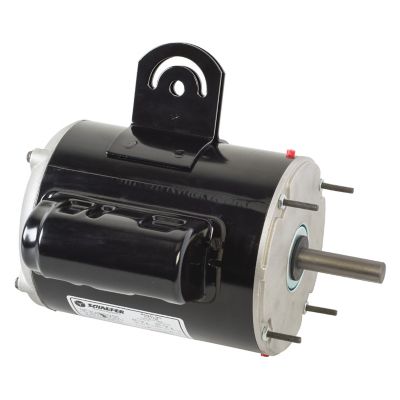
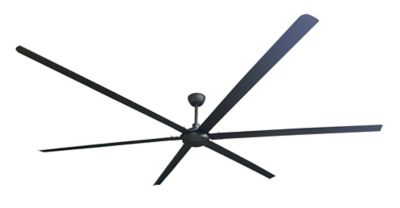
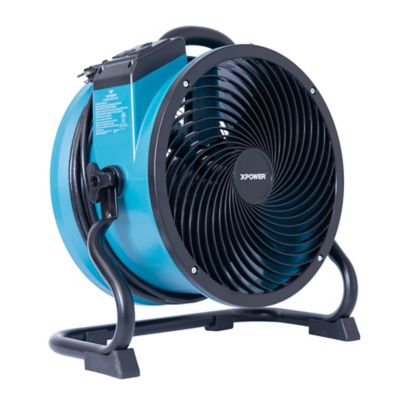
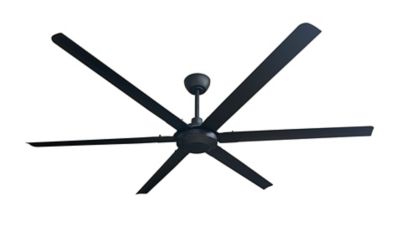
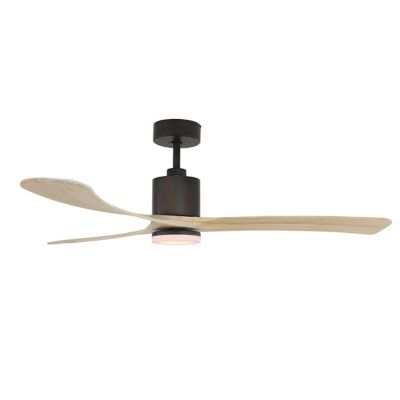
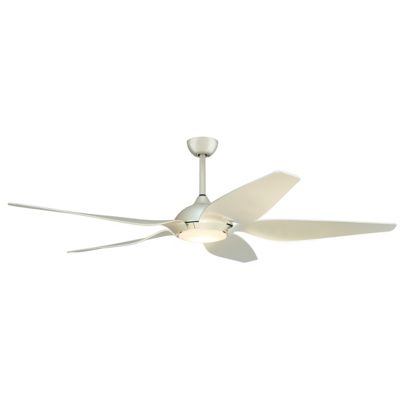
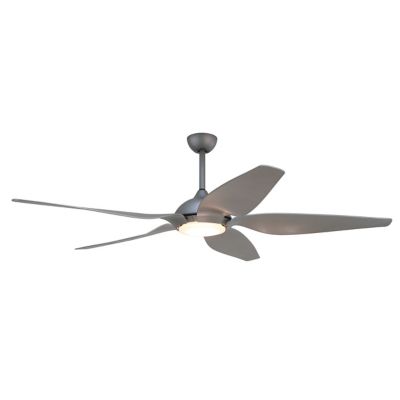
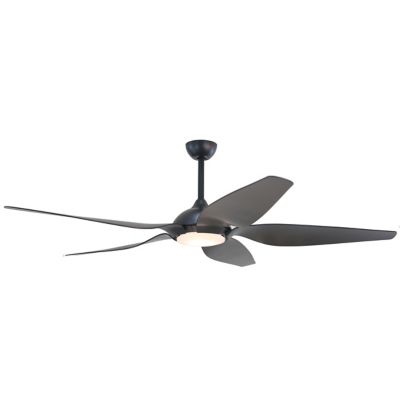
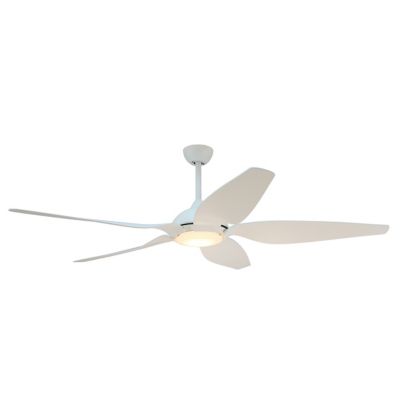
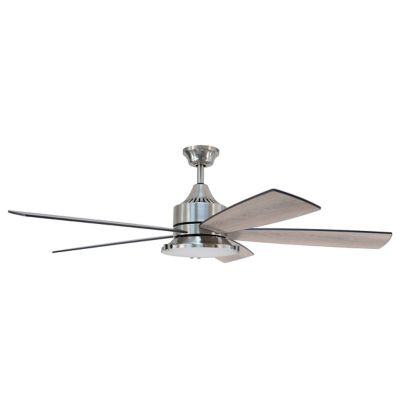
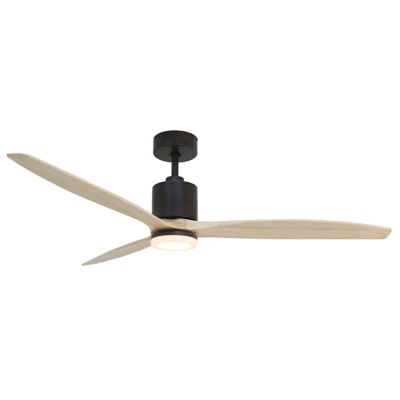
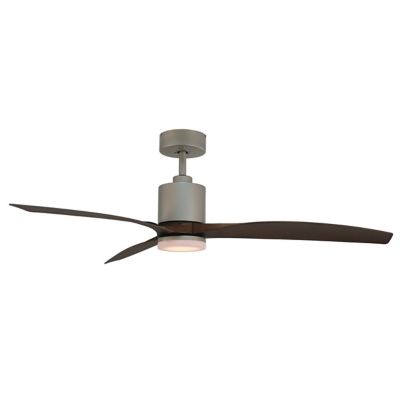
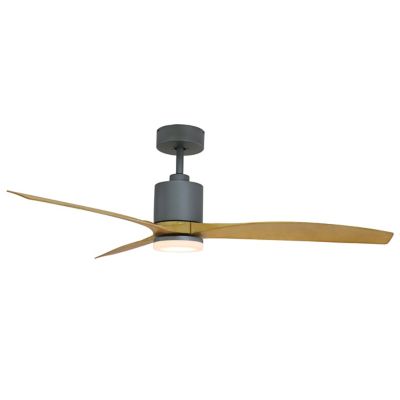
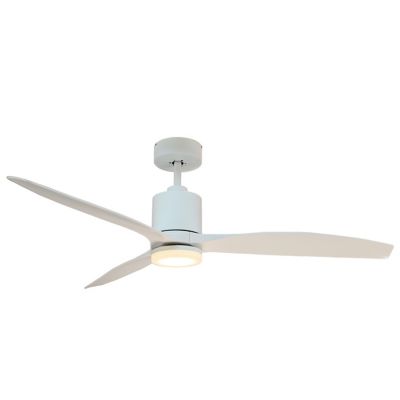
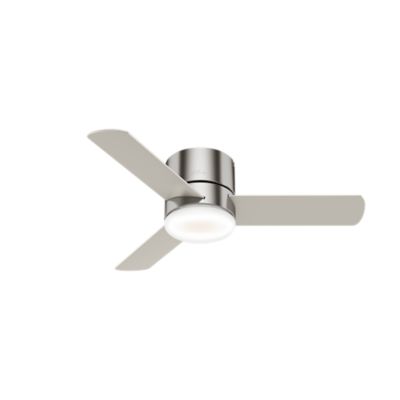
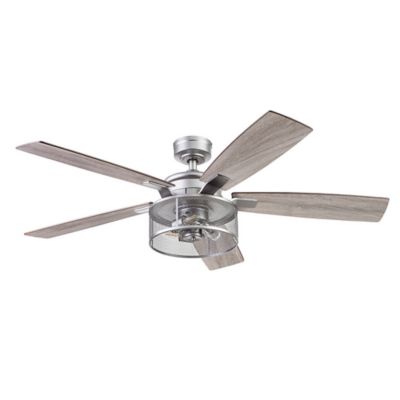
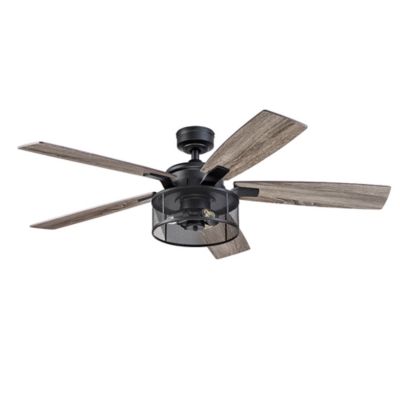
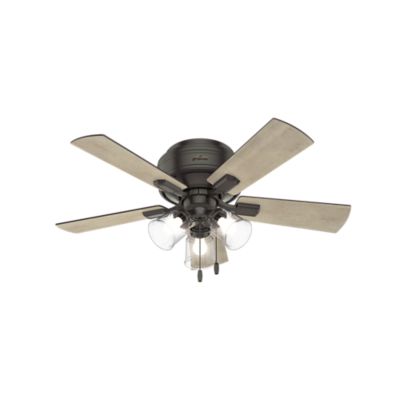
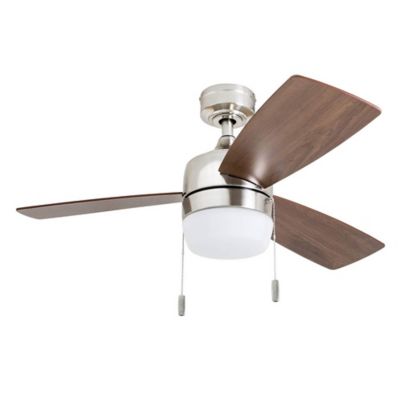
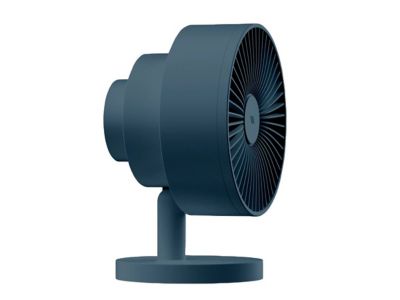
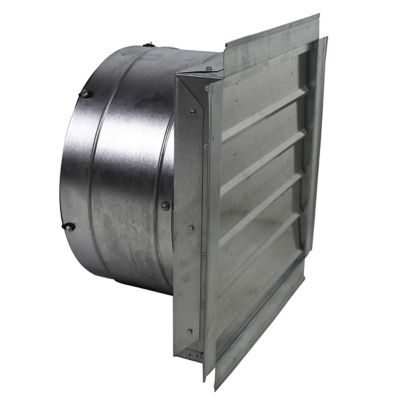
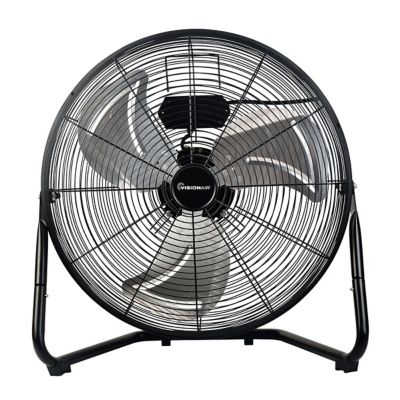
Fan motors are the working heart of many cooling and ventilation systems, turning electrical energy into the steady rotation that moves air through a home, shop, barn, greenhouse, livestock area, or equipment enclosure. They may be used in HVAC condenser units, furnace air handlers, exhaust fans, attic ventilators, bathroom vents, pedestal fans, and other airflow equipment that helps manage heat, moisture, dust, fumes, or stale air. During the cooler months, good ventilation still matters. A well-ventilated shop keeps condensation from settling on tools, a barn fan helps reduce dampness and odors, and an exhaust fan can clear humid air after chores or washing down a work area. When the weather warms, the same motor may help circulate air through a garage or outbuilding, move heat away from machinery, or keep air flowing around animals and stored materials. Fan motors come in several designs, each suited to different jobs. Permanent split capacitor, or PSC, motors are common in HVAC equipment because they provide dependable operation, relatively quiet performance, and efficient continuous running. Shaded-pole motors have a simpler design and are often found in smaller exhaust fans and older appliances, where modest airflow and low cost are the main priorities. Electronically commutated motors, commonly called ECMs, use built-in electronic controls and variable-speed operation to deliver strong efficiency in modern air handlers and furnaces. Brushless DC motors also use electronic commutation rather than physical brushes and are valued for efficient, long-lasting operation in many modern fan systems. The right replacement depends on the equipment and its original specifications, not simply on the fan’s size or appearance.
Before choosing a fan motor, read the information on the old motor’s nameplate and compare every important detail. Voltage is one of the first items to check; common ratings may include 115 volts or 208–230 volts, but the correct choice must match the equipment’s electrical system. Horsepower, amperage, RPM, frequency, and service factor also affect how the motor performs under load. A motor with the wrong horsepower can struggle, overheat, or fail to move air as intended, while an oversized motor may place unnecessary stress on the fan assembly and wiring. Rotation direction matters just as much. Motors may be designed for clockwise or counterclockwise rotation when viewed from a particular end, and installing the wrong direction can reduce airflow or cause the fan blades to work against their intended pitch. Check whether the motor is reversible and confirm the manufacturer’s viewing reference before installation. Physical fit is another key part of the match. Measure the frame size, overall length, mounting pattern, shaft diameter, shaft length, and shaft position. A 48-frame motor, for example, needs mounting dimensions and a shaft that fit the existing bracket, pulley, hub, or blade assembly. Also check the shaft shape and any required flat or keyway. The enclosure type should suit the location. Open air-over, often listed as OAO, relies on the fan’s airflow to cool the motor and is commonly used where the motor sits in the moving air stream. Totally enclosed air-over, or TEAO, offers more protection from dust and moisture while still depending on airflow for cooling. Other enclosure styles may be better for especially dirty, damp, or exposed areas. Look for thermal overload protection, bearing style, capacitor requirements, mounting hardware, and duty rating as well. A replacement that looks nearly identical on a workbench may still be the wrong choice if its capacitor, wiring, rotation, or heat rating does not line up with the system.
A careful inspection can save a long walk back to the parts counter. Shut off power at the disconnect and breaker before touching the equipment, and use a meter to verify that power is actually off; a control switch alone may not isolate every circuit. Photograph the old wiring and label each connection before removing anything, while following the equipment manual and local electrical requirements. Capacitors can hold a charge even after power is disconnected, so they should be handled and discharged only with the proper tools and knowledge. If the motor serves a furnace, condenser, rooftop unit, or other high-voltage system, a qualified HVAC or electrical technician is often the safest choice. For a fan in a farm shop or shed, clear away cobwebs, chaff, grease, and dust around the housing before installation, since buildup can restrict airflow and add heat. After the motor is installed, confirm that the blade or blower wheel is balanced, the shaft is secure, the guard is in place, and the wiring is protected from vibration and rubbing. Listen for grinding, humming, rattling, or a slow start; those sounds may point to a worn bearing, incorrect capacitor, blocked airflow, or a mismatch in the replacement. A quiet, even hum and a steady stream of air are good signs. Fan motors are built for different levels of run time and different environments, so consider how often the equipment operates, whether it runs continuously, and whether it sits in a dusty barn, damp utility room, open-sided shed, or clean indoor space. When a system needs controlled torque or slower mechanical movement rather than direct fan airflow, browse related options such as
Gear Motors. Taking a few minutes to match the electrical, mechanical, and environmental specifications helps keep air moving reliably through changing seasons and reduces the chance of repeat repairs.