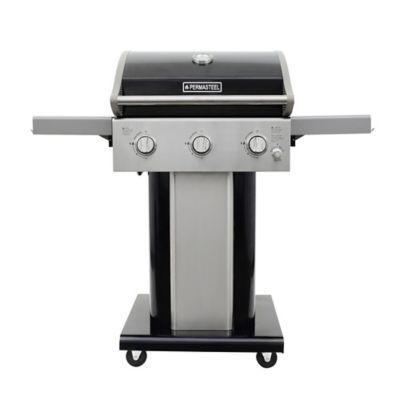
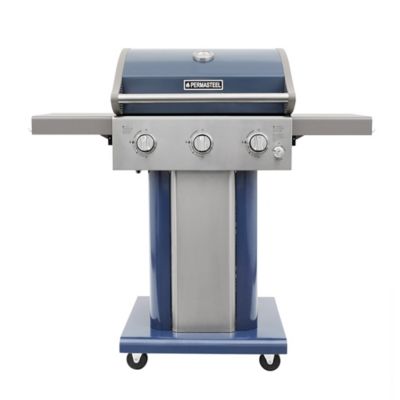
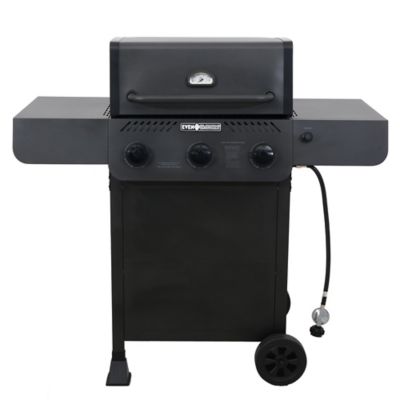
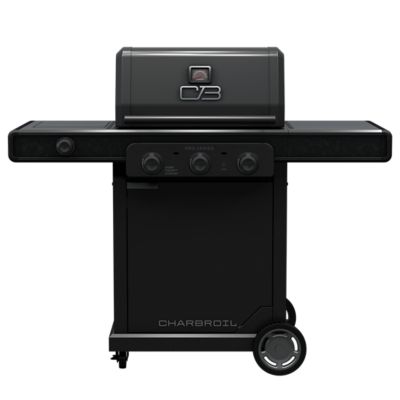
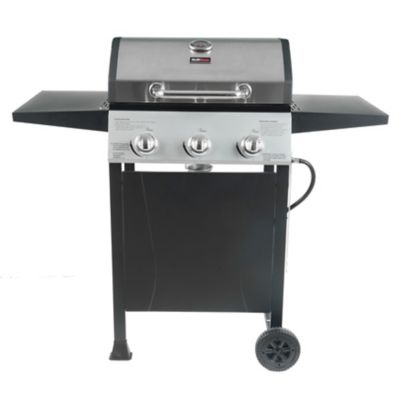
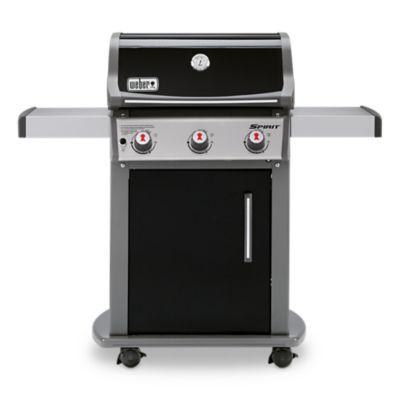
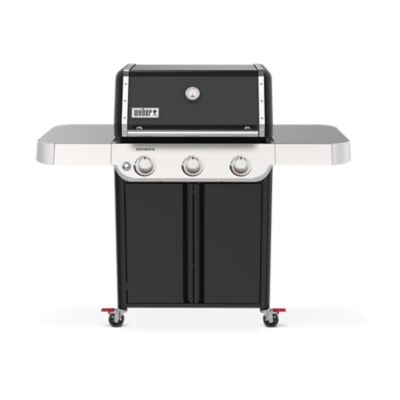
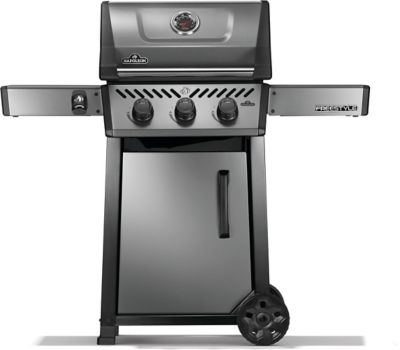
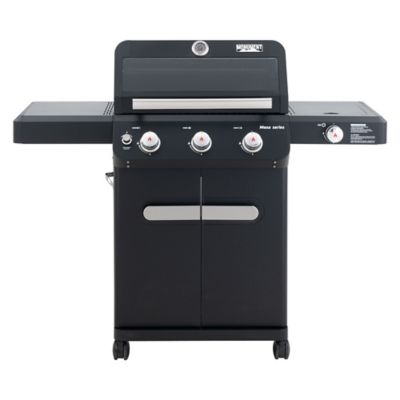
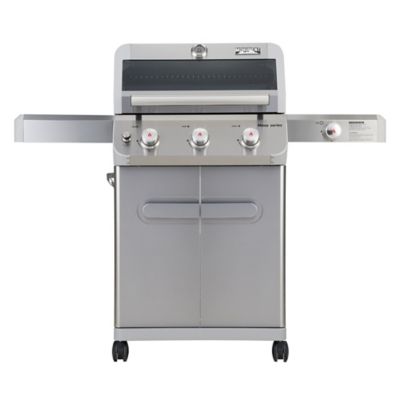
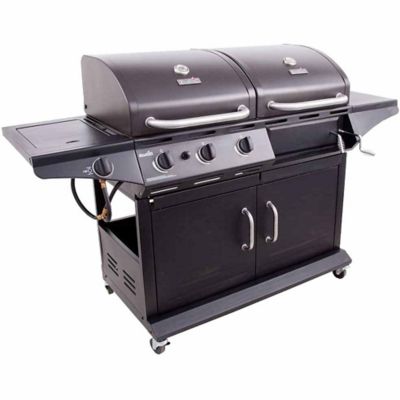
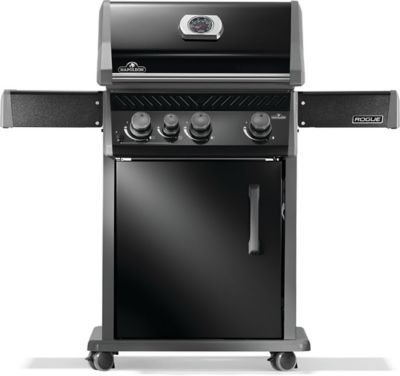
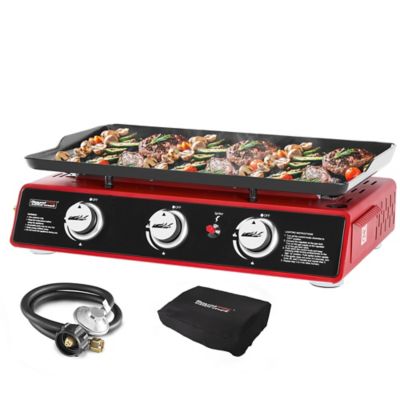
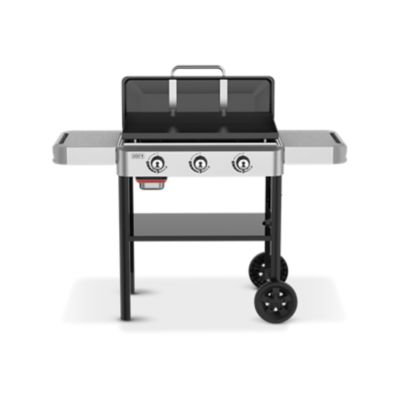
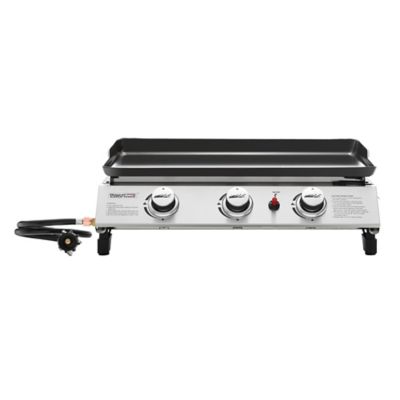
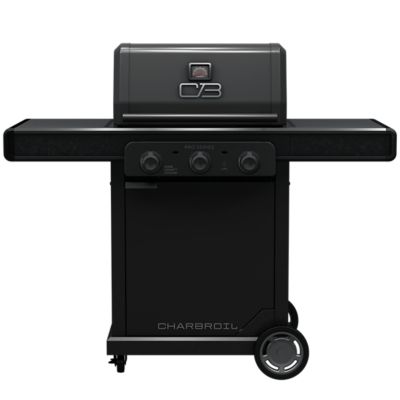
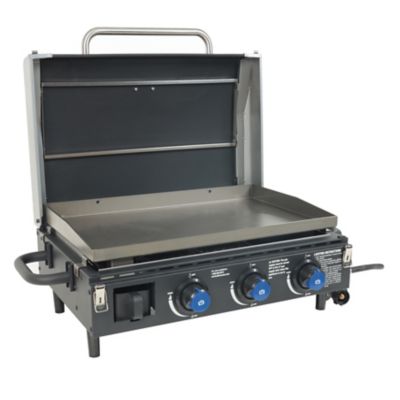
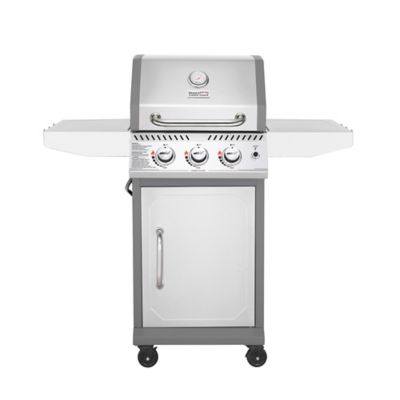
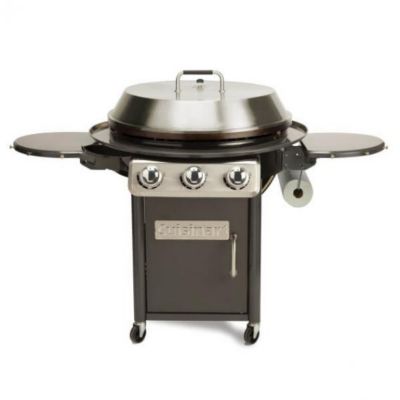
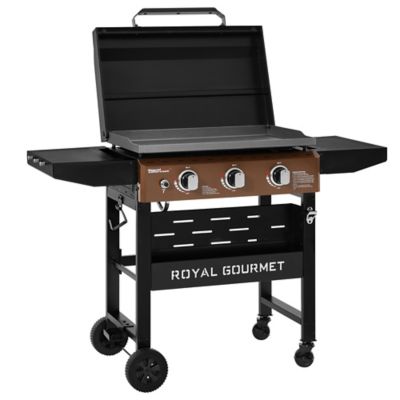
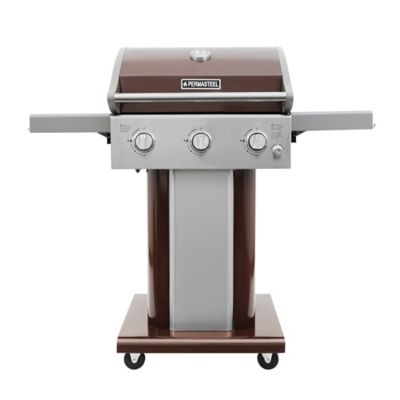
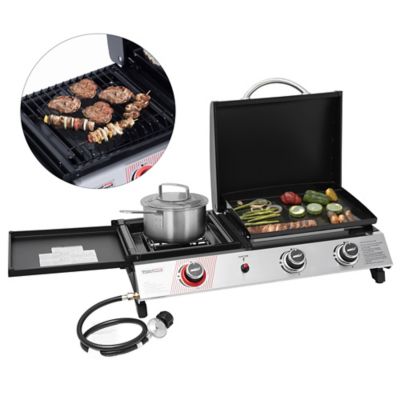
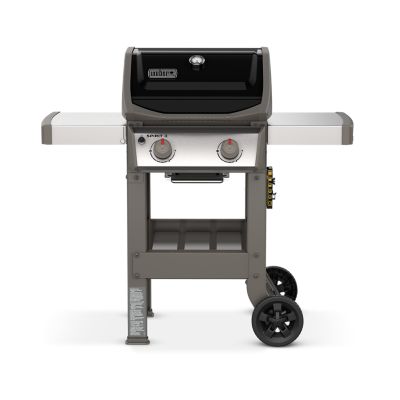
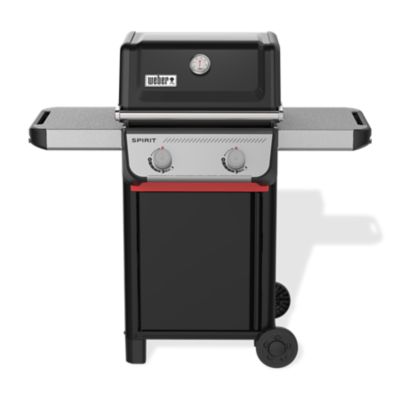
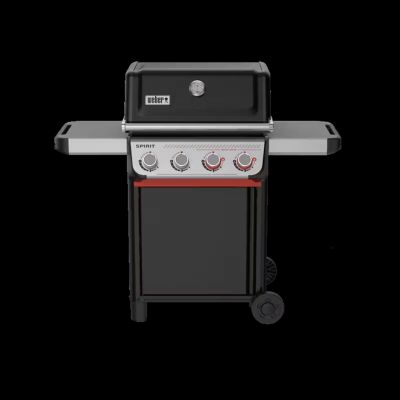
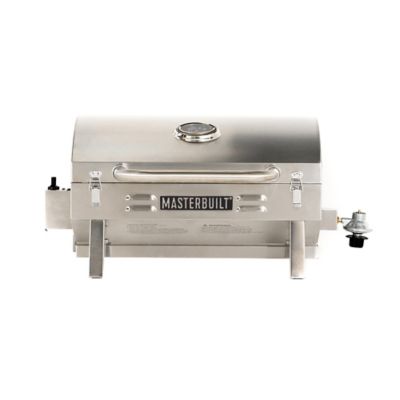
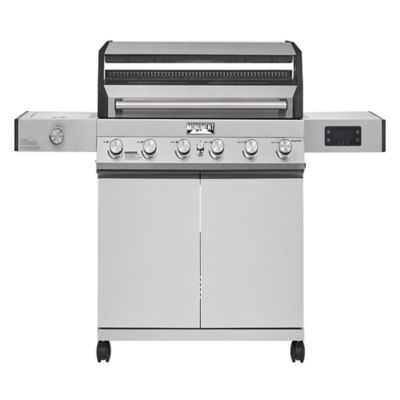
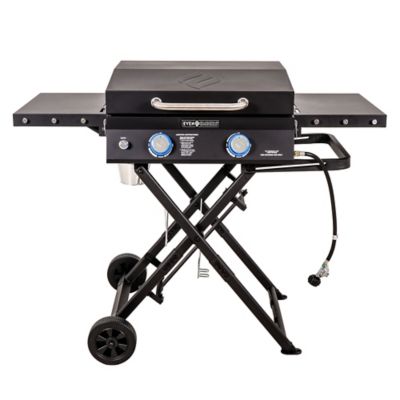
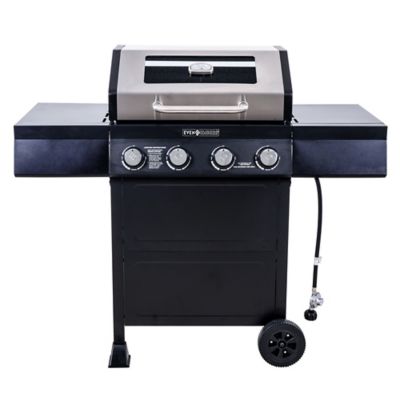
Three burner gas grills offer a practical middle ground for backyard cooking, giving you more room and heat control than a compact grill without taking over the whole patio. With three separate main burners, you can set up different heat zones for burgers over a hotter area, vegetables or chicken over gentler heat, and a cooler spot for food that needs extra time. Many models provide roughly 400 to 550 square inches of total cooking space, including the warming rack, with about 300 to 400 square inches devoted to the main grate. That is enough room to cook for a small or medium-size family, handle a weekend meal with friends, or keep several courses moving when everyone gathers around the picnic table. Main burner output often falls between 24,000 and 36,000 BTUs, though the exact figure varies by grill size and design. BTUs describe heat input, but they are only one part of the cooking picture. The grate material, lid fit, burner layout, wind protection, and how well the grill holds heat all play a role in how evenly food cooks. A three-burner gas grill can be a handy choice for a home with a modest deck, a farm porch, or a patio where every square foot matters. It also suits cooks who want the ease of propane, with quick startup and simple heat adjustments, instead of waiting for charcoal to catch. Look for a sturdy cart, easy-to-read controls, smooth-moving wheels, and side shelves that give you a landing spot for trays, tongs, seasonings, and a bowl of freshly picked vegetables. If storage space is limited, folding shelves can make it easier to tuck the grill beside a shed or along the edge of a garage when cooking is done.
When comparing Three Burner Gas Grills, start by thinking about how you really cook. Someone who mostly prepares burgers, brats, steaks, and hot dogs may want strong main burners, generous grate space, and a lid that helps hold steady heat. A household that cooks fish, corn, squash, or cast-iron skillet meals may place more value on separate heat zones and a warming rack. A side burner can be useful for simmering beans, heating sauce, boiling water for corn, or keeping a skillet outdoors when you would rather not warm up the kitchen. It can also help keep the cook involved in the conversation instead of running back and forth between the patio and the stove. Grates are commonly made from porcelain-coated steel or cast iron. Porcelain-coated steel is often lighter and simple to maintain, while cast iron can hold heat well and leave appealing sear marks when it is preheated properly. Check the grate spacing if you plan to cook smaller foods, and consider whether the grates can be lifted for access to the burners below. Ignition style matters, too: a push-button or electronic starter can make lighting quick, while sturdy control knobs allow you to make small heat changes as food cooks. For propane use, make sure the tank connection is easy to reach and that the cabinet or lower frame leaves room for the cylinder without crowding. A built-in thermometer helps you keep an eye on the heat beneath the lid, though an instant-read thermometer is still useful for checking meats and poultry. Think about placement before buying. Leave clear space around the grill, keep it on a level surface away from siding and low branches, and choose a spot where smoke will not drift toward doors or windows. During the cooler months, a three-burner gas grill can turn an ordinary supper into an outdoor break, with the lid lifting to release the smell of seared onions while a pot of sauce warms on the side.
A three-burner gas grill can also make a thoughtful gift for a new homeowner, a family settling into a larger place, or the friend who enjoys feeding a crowd at the campground or hunting cabin. It is a useful choice for someone who likes hosting but does not need the footprint of a larger outdoor cooking station. Before giving one as a gift, consider whether the recipient has a safe place to cook, room to store a propane cylinder, and a clear path for moving the grill. Accessories such as a fitted cover, long-handled cooking tools, a grill basket, or a sturdy instant-read thermometer can round out the setup without taking away from the main gift. For regular use, brush food residue from the grates after cooking while they are still warm, empty grease trays as needed, and follow the care directions for the burners and cooking surfaces. Keep the lid closed when the grill is not in use, and use a cover suited to the grill’s size when it will sit outside through rain, wind, or falling leaves. Before lighting, check that the propane connection is snug and that burner openings are clear; if you notice a gas smell, turn off the tank and follow the manufacturer’s safety steps before using the grill again. A little preparation goes a long way: bring the meat out, set your tools nearby, preheat the grill, and give each food item its own place over the heat. For larger households or cooks who regularly serve a big gathering, a wider setup may be worth considering, including
6 Burner Propane Gas Grills. For many patios and everyday meals, though, three burners provide a comfortable balance of cooking room, flexible heat zones, and manageable size. From a quiet breakfast of bacon and toast to an evening meal of grilled chicken, garden vegetables, and warm rolls, this grill style fits naturally into the routines of country living and makes outdoor cooking feel simple.