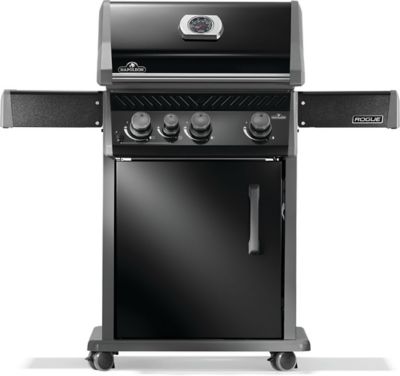
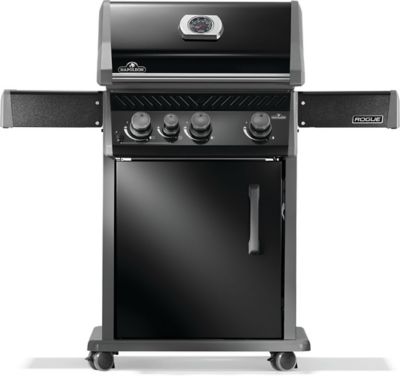
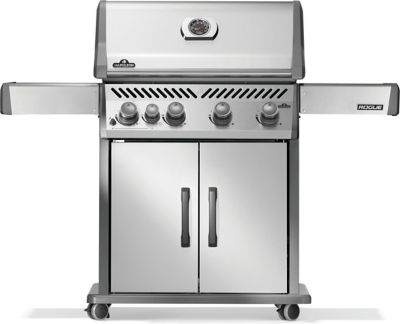
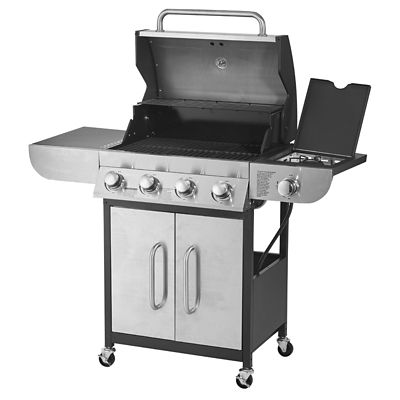
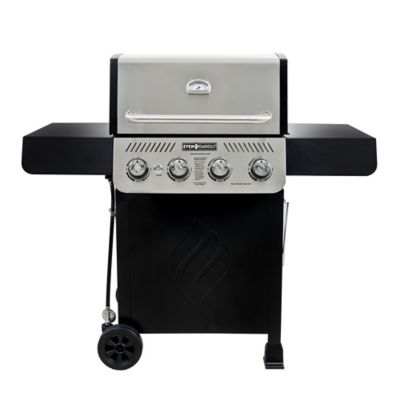
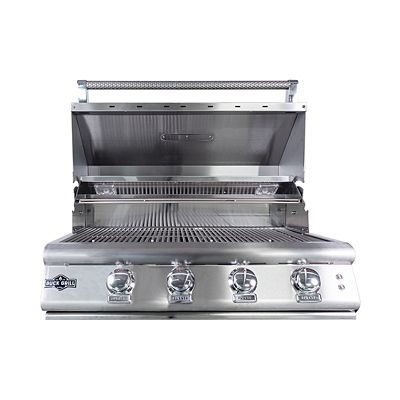
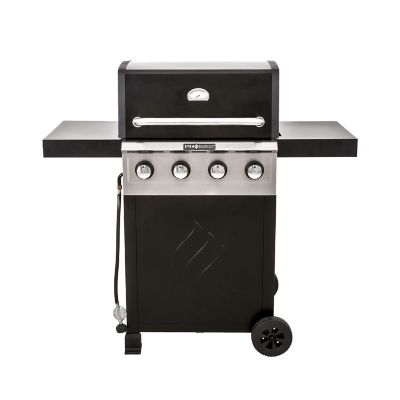
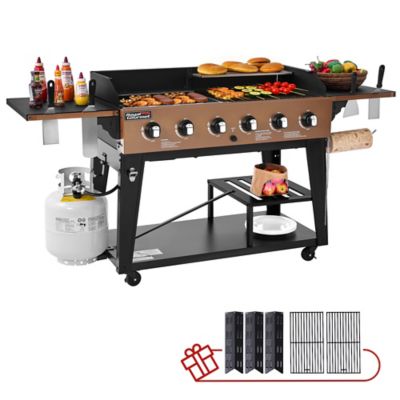
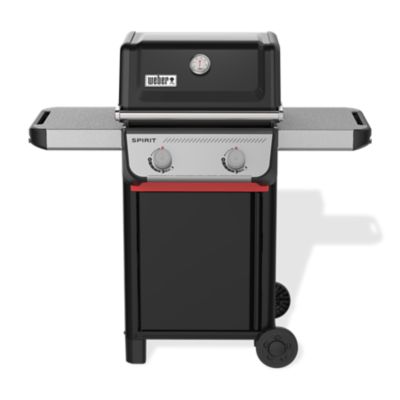
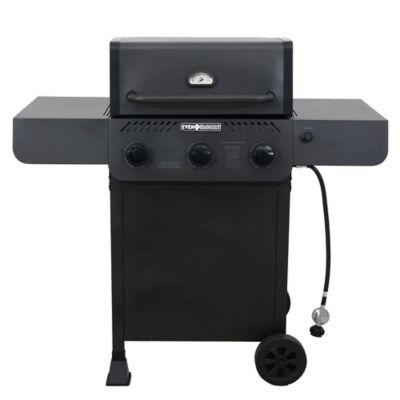
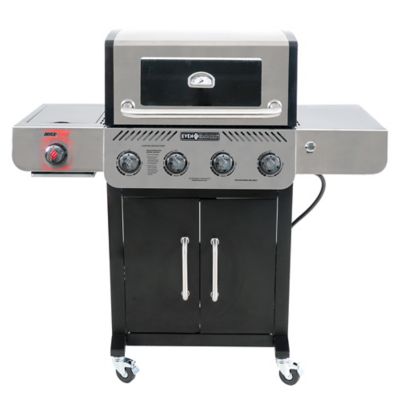
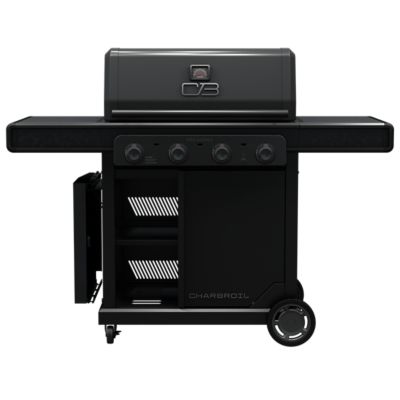
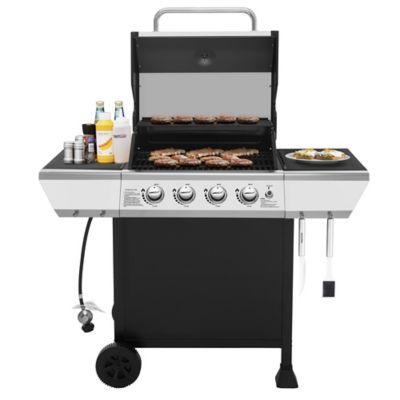
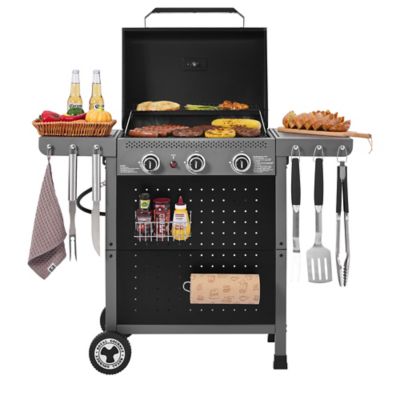
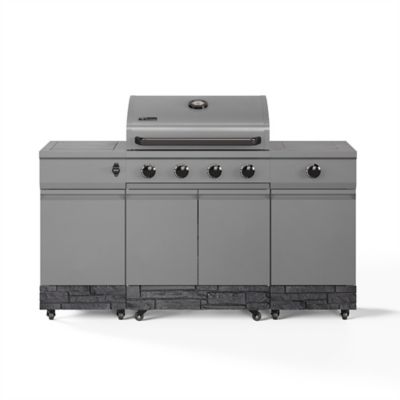
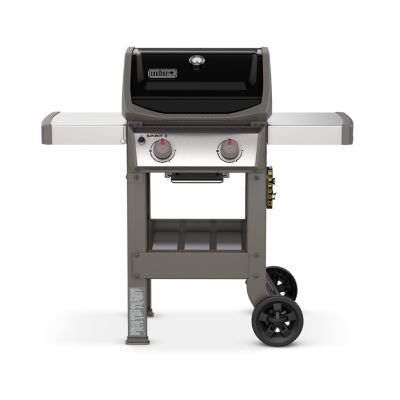
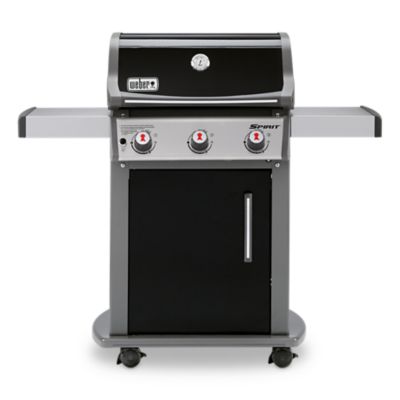
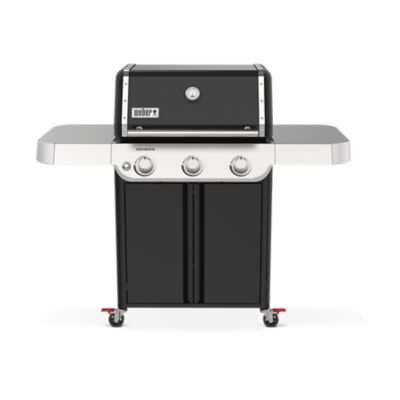
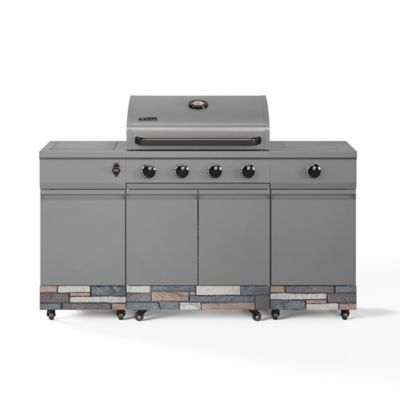
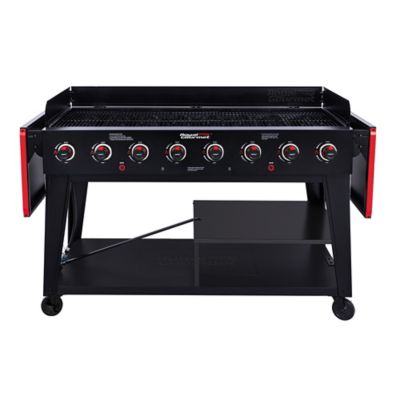
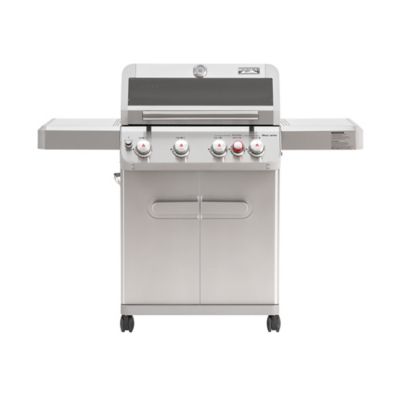
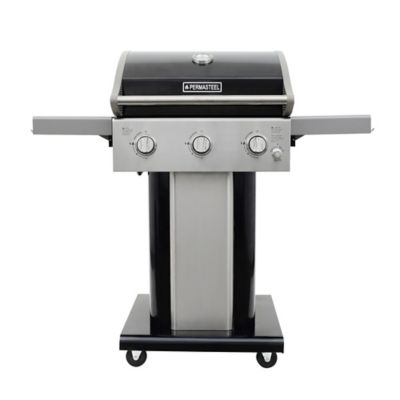
Gas grills with temperature control put adjustable cooking heat within reach, whether supper calls for a quick batch of burgers or a roast that needs a gentler pace. The category ranges from grills with manual burner knobs and lid thermometers to models with digital displays, food probes, and connected monitoring. On a conventional gas grill, turning a burner knob changes the gas flow and flame level; the cook watches the temperature and makes adjustments along the way. Some electronically controlled designs can adjust burner output to help maintain a selected cooking temperature, while others provide readings and alerts without regulating the flame. That difference matters when comparing controls: a digital display or phone connection does not necessarily mean automatic temperature management. Independently adjustable burners also make room for different cooking zones. One side can carry enough heat to brown steaks while another holds a lower setting for vegetables, or an unlit section can provide indirect heat for thicker cuts with the lid closed. A lid thermometer gives a general reading of the cooking chamber, but it does not tell the whole story at grate level or measure the inside of the food. Food probes and separate meat thermometers serve that different job, helping check doneness against safe internal temperatures. Even heating, responsive controls, and a lid that closes properly all contribute to a setup that feels manageable from the first round of hot dogs to the last chicken breast. For folks fitting dinner between chores and an evening ballgame, that can mean less guesswork at the grill. For someone who enjoys taking their time over a whole chicken or a thick pork chop, it means more ways to match the cooking heat to the food. Connected alerts can add convenience where supported, but they do not take the place of staying nearby and keeping an eye on an operating grill.
Cooking space and construction shape how that temperature control works in everyday use. A broad grate gives food room to sit without crowding, while several independently controlled burners can offer more flexibility for cooking different foods together. Total burner count alone does not tell how evenly a grill cooks, and a higher BTU rating does not automatically mean better results. Burner placement, heat distribution components, grate material, and the size of the cooking chamber all play a part. Cast-iron grates hold heat well and can leave a strong sear, though exposed iron needs care to help prevent rust. Stainless steel grates offer another approach, with cleaning and upkeep that depend on their design and the manufacturer’s directions. Porcelain-coated surfaces provide a cooking surface that needs protection from chips and harsh scraping. Under the grates, heat tents or similar components help spread heat and shield burners from some drippings, though grease still needs somewhere to drain and collect. An accessible grease tray and removable cooking components can make cleanup less of a chore after a full meal. Outside the firebox, a steady frame, firmly attached handles, and shelves that suit the cooking area matter just as much as a tidy control panel. A side shelf gives a platter a landing spot; enclosed storage can keep suitable grilling supplies close without taking over the patio. The right fit includes more than the grill’s listed width. Open lids, extended shelves, access to the fuel connection, and the manufacturer’s required clearances all need room. A compact layout may suit meals for two, while a larger cooking surface can handle a hungry crew without as many separate batches. For either setup, comfortable access to the knobs and a clear view of the temperature display help keep attention on the food rather than on reaching around the grill.
Fuel setup is another practical distinction among gas grills with temperature control. Propane models draw from a compatible cylinder, making them a common fit for freestanding cooking areas without a permanent gas line. Natural gas models need the proper household connection and installation, and a grill should only change fuel types when the manufacturer permits it with the specified conversion equipment. The two fuels are not interchangeable without the right components. For a permanent cooking space,
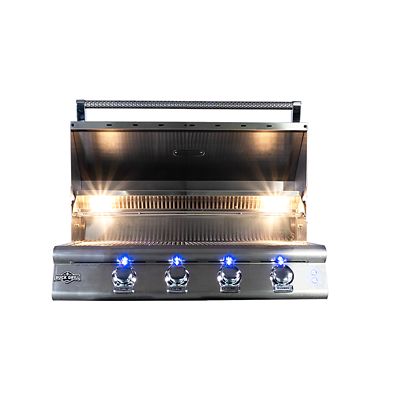
Gas Grills For Outdoor Kitchens brings the focus to layouts where the grill works alongside counters, storage, and other outdoor cooking features. Built-in applications require a grill designed for that installation, along with the specified ventilation, clearances, and supporting materials; a freestanding grill is not automatically suited to an enclosure. Any gas grill belongs outdoors in a properly ventilated location that meets its installation requirements, never in a garage or another enclosed space. Day-to-day care also supports steady cooking performance. Grease buildup can contribute to flare-ups, and blocked burner ports can interfere with the flame, so access for cleaning is worth considering alongside the cooking features. Cleaning methods should match the grate material and finish, with the gas supply shut off and components handled as directed in the owner’s manual. A cover that fits the grill and clean, dry storage for accessories help keep the cooking area ready for the next meal. For a housewarming or a gift to someone who enjoys feeding family and friends, the most useful match is a grill that suits their space, fuel setup, and cooking habits. Straightforward knobs may be just right for a cook who likes staying hands-on, while probe readings and supported alerts may appeal to someone who enjoys tracking a longer cook. Either way, the appeal is practical: enough control to sear, roast, and cook at a gentler pace, with room for the meals that bring everyone to the table.