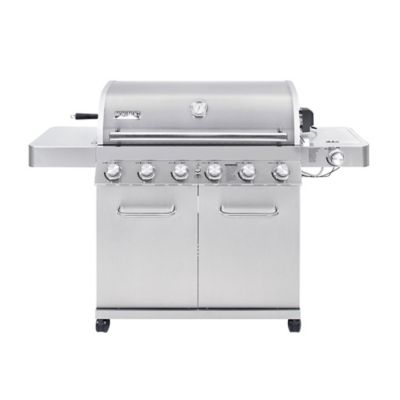
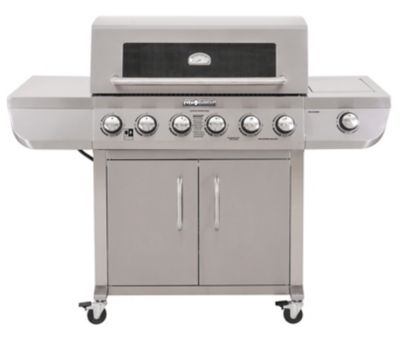
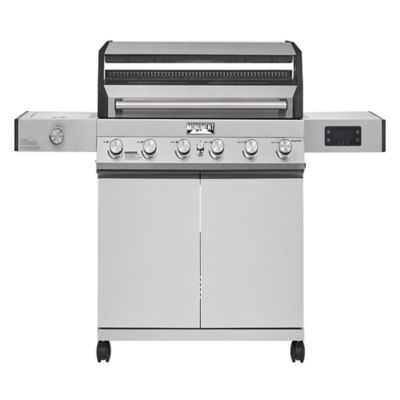
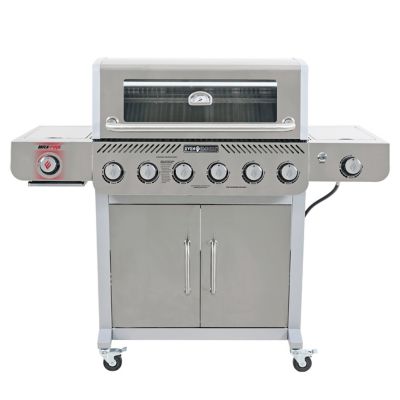
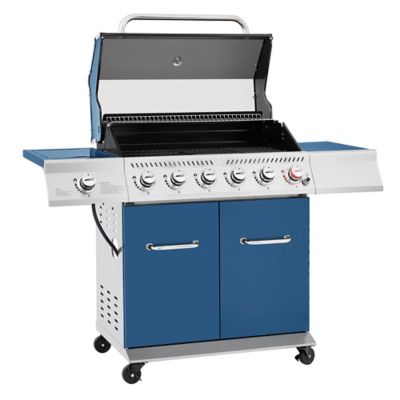
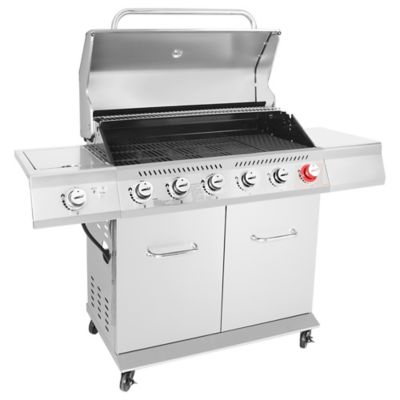
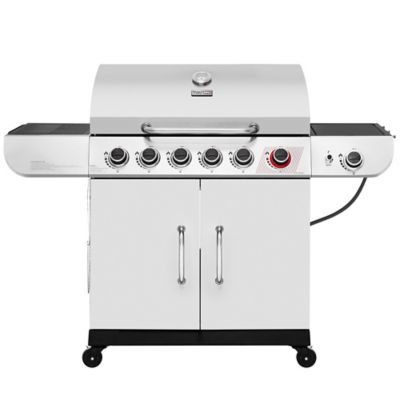
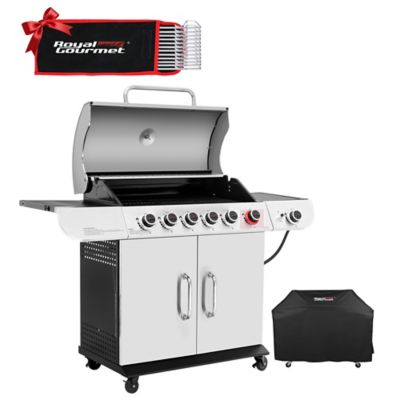
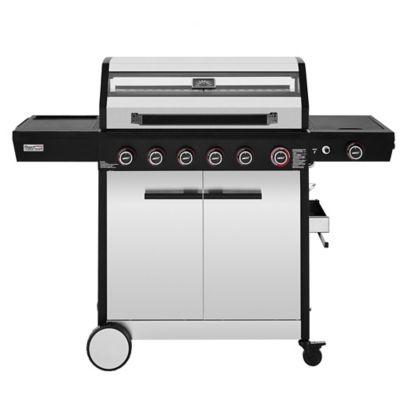
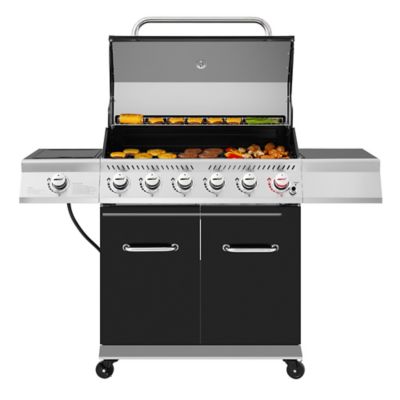
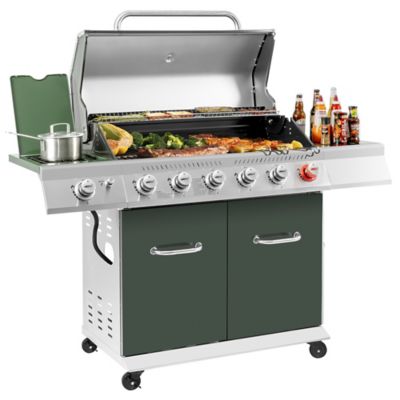
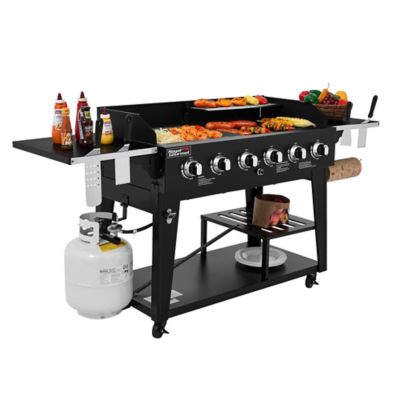
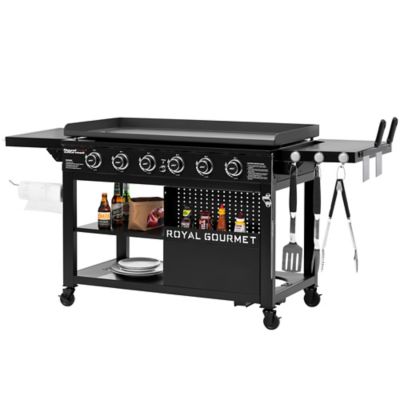
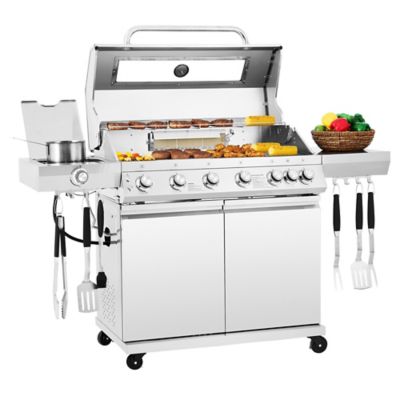
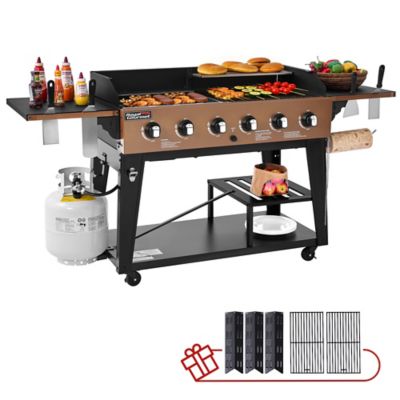
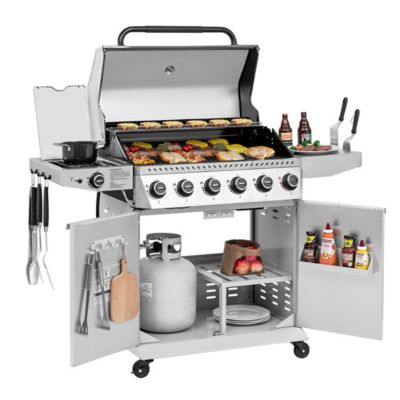
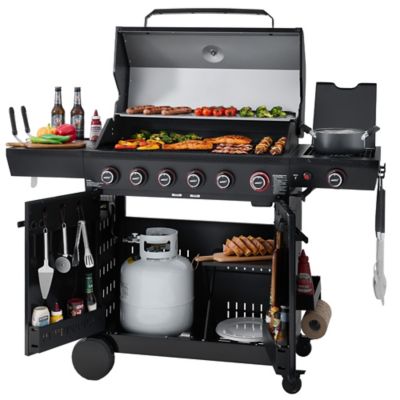
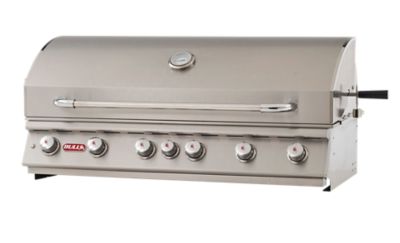
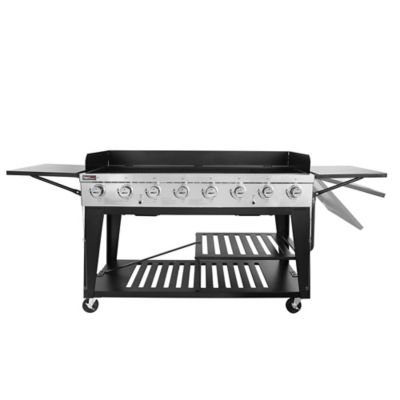
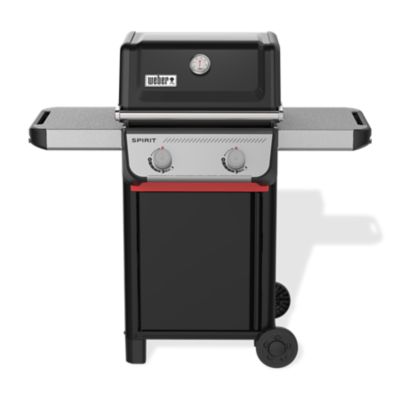
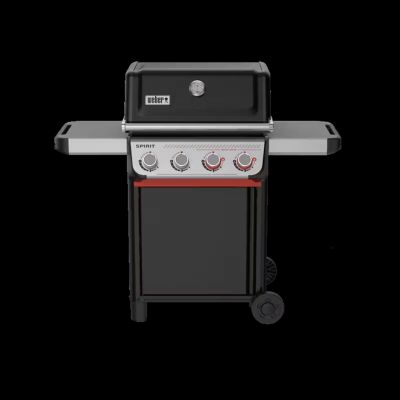
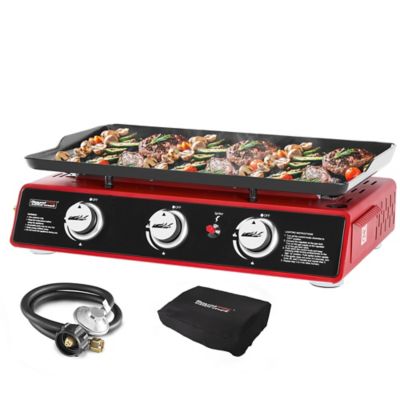
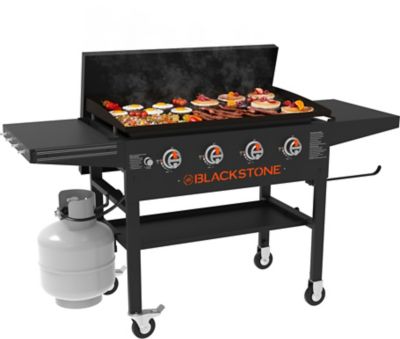
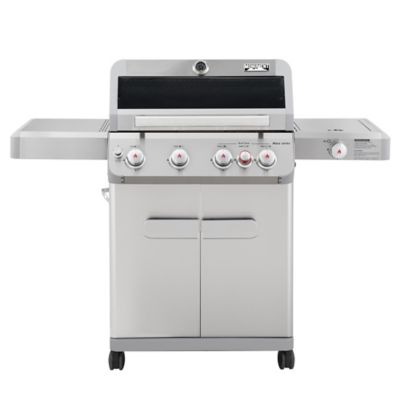
A 6-burner propane gas grill gives busy backyard cooks room to put a full meal on the grates without working through one small batch after another. Six independently controlled main burners allow separate cooking zones, so burgers can sizzle over direct heat while thick pork chops finish more gently on another part of the grill. That flexibility suits family suppers, gatherings after a ballgame, and a table full of hungry folks coming in from chores. The main benefit is not simply a bigger fire; it is having space and control for foods that cook at different speeds. Chicken, corn, and sliced squash do not need the same treatment, and a broad cooking surface makes it easier to give each one its own spot. Burner count alone, though, does not tell the whole story. Primary cooking area measures the space on the main grates, while total cooking area may also include an elevated warming rack. That upper rack is handy for toasting buns or briefly holding finished food, but it does not replace the main surface for searing a full round of steaks. The layout matters as much as the square-inch measurement: a wide grate can accommodate rows of burgers, while front-to-back depth helps with longer cuts and larger grill baskets. Listed burner totals also deserve attention because a side burner or a dedicated searing burner may be counted separately from the main burners beneath the lid. A six-main-burner layout offers different cooking possibilities than a grill whose advertised total includes auxiliary burners. For households that regularly feed a crowd, the extra room can mean fewer trips between the kitchen and the cooking area. For smaller meals, independently controlled burners offer flexibility, although preheating and burner operation should follow the grill’s instructions. Propane fuel also makes this format practical for outdoor cooking areas without a permanent natural gas connection, provided the grill has a suitable location and the correct cylinder, regulator, and hose connections.
Construction shapes how a six-burner propane grill cooks, how it feels to operate, and how much attention it needs between meals. Stainless steel is common in lids, burner tubes, and cooking grates, but the type of stainless steel and the thickness of individual components vary. It resists corrosion rather than eliminating the possibility of it, so a stainless exterior still needs regular cleaning. Painted or powder-coated steel can serve well in the frame and cabinet when its finish stays intact and grease does not build up around seams. Cast-iron grates hold heat well and help produce a strong sear; porcelain-coated versions need cleaning tools that will not chip or scratch their coating. Uncoated cast iron generally needs seasoning according to the manufacturer’s directions. Stainless steel grates offer another cooking surface with their own care requirements, and grate spacing affects how easily small vegetables or delicate fish can slip through. Beneath the grates, heat tents or flame tamers help spread heat and shield burners from drippings, though accumulated grease can still contribute to flare-ups. A removable grease tray and accessible collection cup make routine cleanup less of a chore. Heat output, expressed in British thermal units per hour, describes fuel input rather than proving how evenly a grill cooks. Burner placement, grate design, lid fit, and the relationship between output and cooking area all influence performance. A dedicated sear burner can provide concentrated heat for browning, while a side burner can keep a pot of beans or a pan of onions close at hand. Those features serve different jobs and are not included on every configuration. Electronic ignition can simplify lighting, with some systems requiring a battery. A lid-mounted thermometer shows conditions near its sensor, not the internal temperature of dinner; a separate food thermometer remains important for checking doneness. For cooks who enjoy roasts or whole birds, compatibility with a rotisserie may also matter, along with the clearance beneath the closed lid and any accessory requirements.
A larger grill needs a place where its size works with the rest of the outdoor cooking setup, not against it. Overall width includes side shelves, and depth should account for handles and any space needed to open the lid. Enough working room around the front makes it easier to reach the controls, move a platter, and tend food without squeezing past chairs or other equipment. The grill belongs outdoors on a stable, level surface, with the clearances from buildings and combustible materials specified by its manufacturer; it should never operate inside a garage or another enclosed space. Wheels help move a grill into position, while locking casters, where fitted, help keep it from rolling during cooking. Side shelves provide useful landing spots for utensils and uncooked food, with a separate clean platter ready for the finished meal. Cabinet storage can keep approved supplies close by, but the propane compartment and ventilation openings need to remain unobstructed. Cylinder size and placement must match the grill’s requirements, and propane connections need leak checks as directed, never with a flame. Natural gas and liquid propane are not interchangeable fuels; conversion is appropriate only when the manufacturer explicitly permits it and specifies the necessary equipment and procedure. Between cookouts, clearing grease, cleaning grates with suitable tools, and inspecting burner ports help keep the grill ready for its next meal. A properly fitted cover can protect the exterior between cooking sessions once the grill has cooled completely. Access to replacement burners, heat tents, and grates is another consideration for long-term ownership. A six-burner grill can make a thoughtful shared gift for a household that hosts often, especially when the recipients have room for it and enjoy cooking outdoors. Where a smaller footprint better matches the patio and the usual head count,
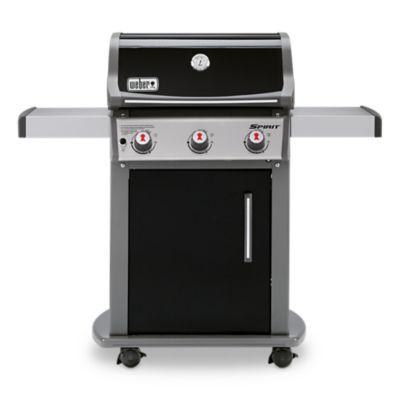
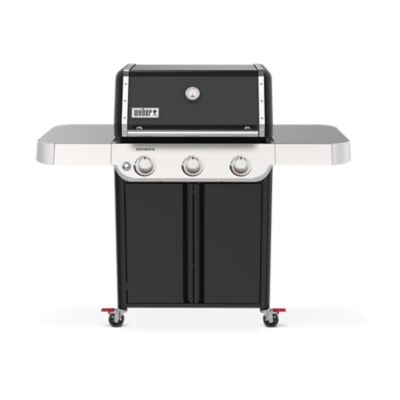
Three Burner Gas Grills offer a useful comparison. The right fit leaves room for both the food on the grates and the people gathered around the table, whether supper means a few thick steaks or enough burgers to feed the whole crew.