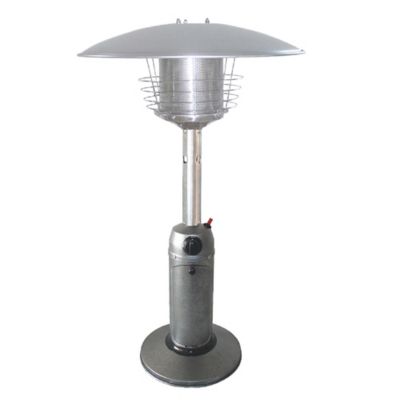
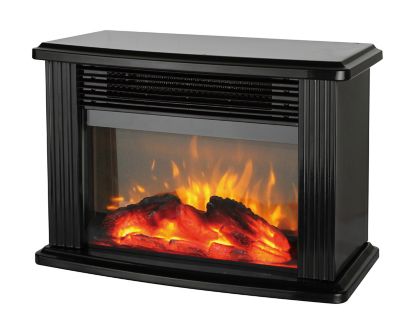
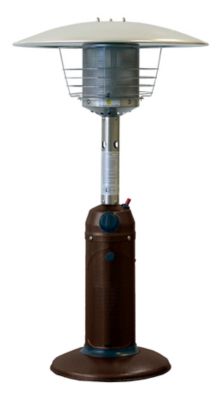
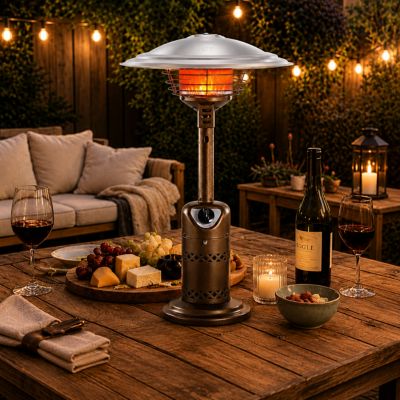
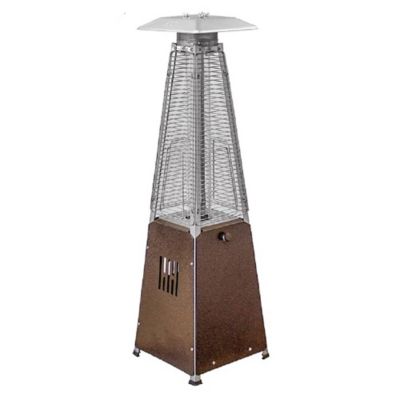
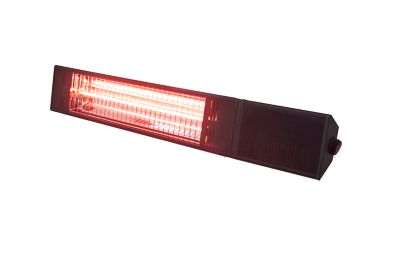
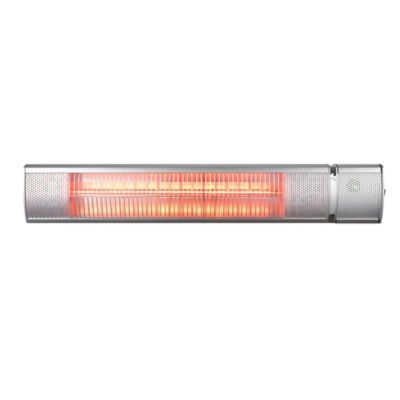
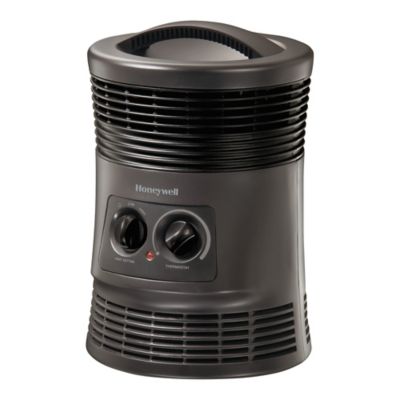
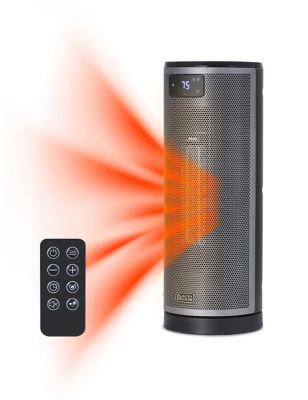
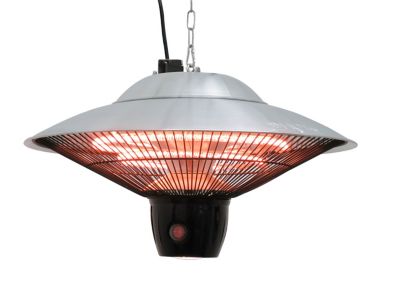
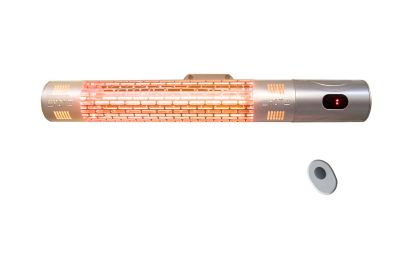
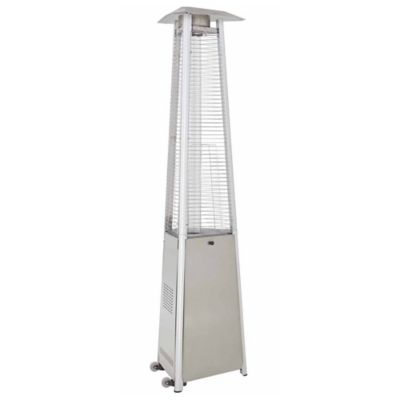
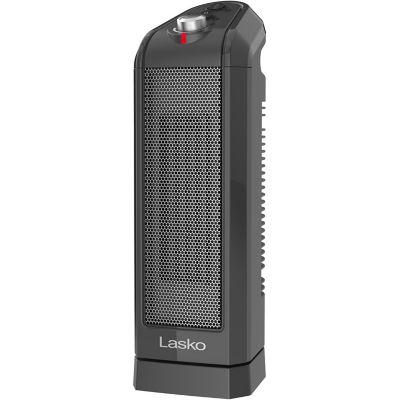
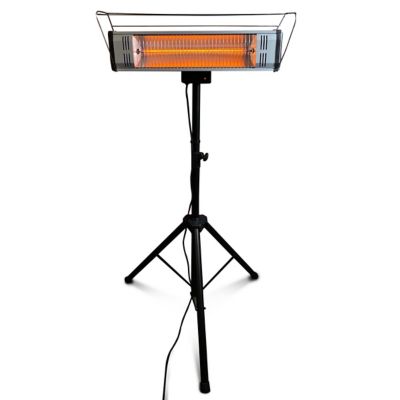
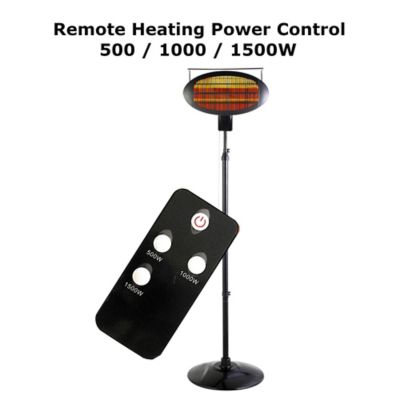
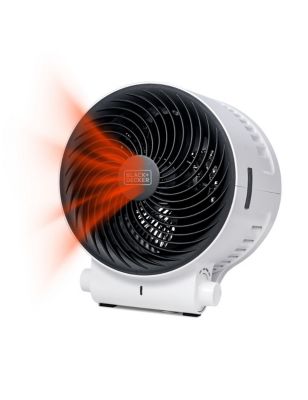
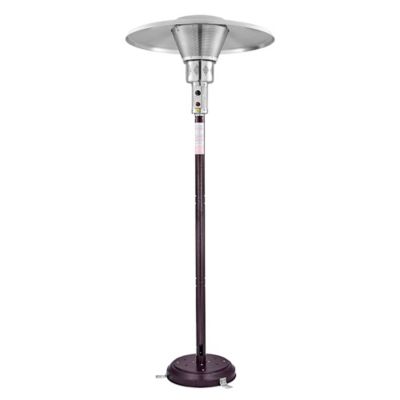
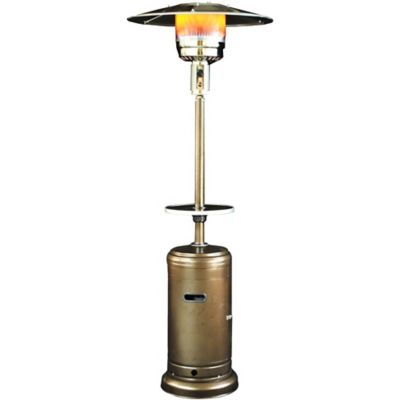
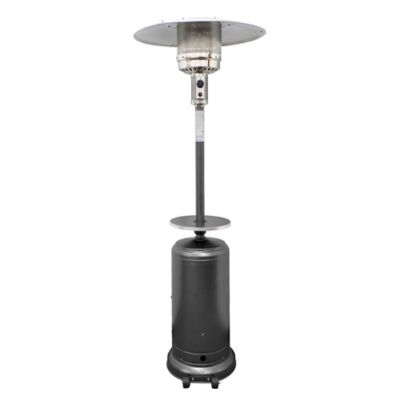
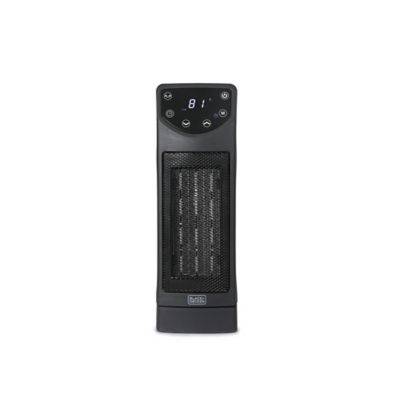
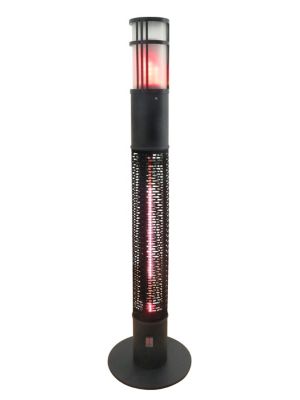
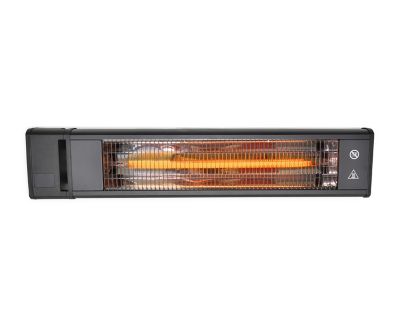
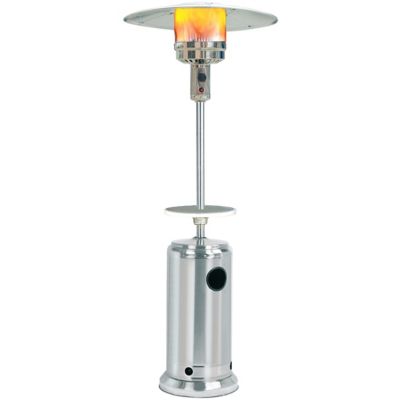
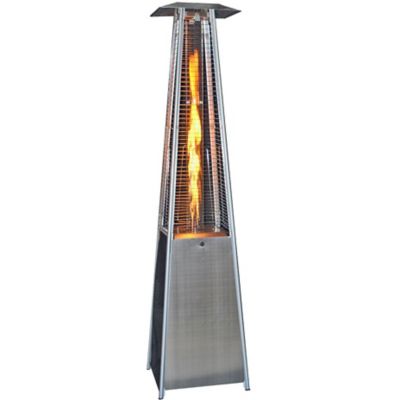
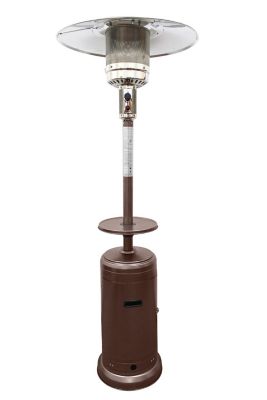
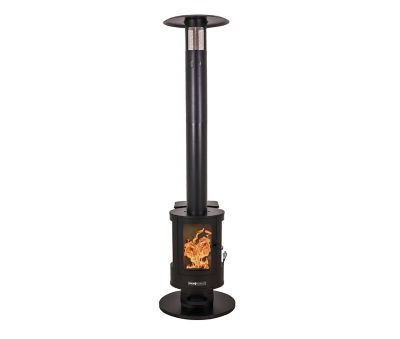
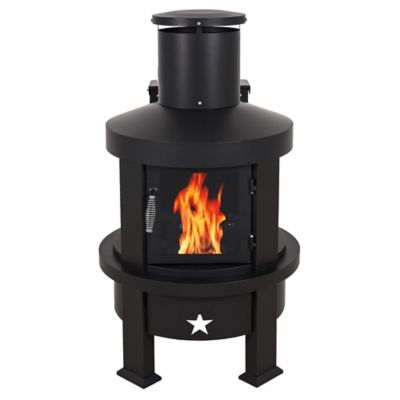
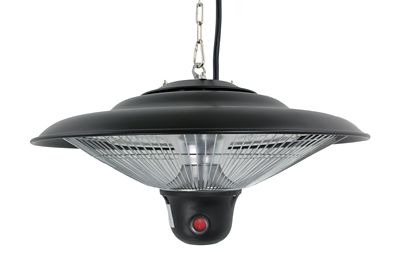
Tabletop heaters bring a little extra comfort to the places where folks gather, whether that’s a porch table, an outdoor dining area, a workshop desk or a chilly corner of the house. Outdoor propane tabletop heaters are made to provide localized warmth around a small seating area, making it easier to enjoy coffee on the patio, supper on the deck or a late-evening conversation around the fire pit when the air starts to cool. Many use a portable 1-lb. propane cylinder, while some can connect to a larger 20-lb. tank with the proper hose and fittings. Electric tabletop heaters are better suited for indoor personal spaces such as home offices, enclosed porches, craft rooms and bedside tables. They plug into a standard outlet and warm the area close to the unit rather than trying to heat an entire room. Before choosing a heater, think about where it will be used, how much space you want to warm and whether you have convenient access to an outlet or fuel. A compact heater can be handy in a drafty farmhouse office where cold air slips in around an old window, while a propane model may be the better fit for a covered patio where extension cords would get in the way. If you need warmth for a larger area or want a taller unit for standing gatherings, you can also browse
Freestanding Heaters for additional options.
When comparing tabletop heaters, pay close attention to heat output, controls, portability and the type of fuel required. Outdoor propane models commonly offer roughly 10,000 to 12,000 BTUs, which is enough for personal warmth and a small group seated nearby, though wind, humidity and the openness of the space can affect how warm it feels. Adjustable heat settings let you turn the output down while people are eating and raise it when the evening gets colder. Electric desk heaters may use up to 1,500 watts and are often designed for close-range comfort, so they work well beside a chair or on a desk but should not be expected to heat a barn, garage or whole living room. A small footprint makes a tabletop heater easier to place, and a carrying handle can come in handy when moving it from the porch to a storage shelf. Look for sturdy bases, simple push-button or dial controls and clearly marked settings that are easy to use while wearing work gloves. Safety features deserve just as much attention as heating power. An anti-tip or tip-over shutoff can stop the unit if it gets knocked over, and an automatic shutoff can help limit risk if the heater overheats or runs longer than intended. Keep any heater on a level, solid surface with plenty of clearance from curtains, paper, cushions, tablecloths, siding and other items that could catch fire. Propane tabletop heaters should only be used outdoors or in spaces specifically approved by the manufacturer, never inside a home, tent, shed, garage or other enclosed area where carbon monoxide could build up. Electric models should be kept dry unless they are clearly rated for outdoor use, and they should be plugged into an outlet and cord setup that matches the manufacturer’s directions.
Tabletop heaters can be useful for homeowners, renters, campers, hunters, tailgaters, restaurant and event hosts, and anyone who likes making the most of outdoor space during the cooler months. They’re especially handy for a covered porch where a full-size heating system would take up too much room, or for an outdoor workbench where your hands get cold before the job is finished. Place one near a patio dining table and it can take the edge off a crisp evening without crowding the area with a large appliance. At home, a compact electric heater can make a desk more comfortable during early mornings, late-night paperwork or quiet time with a book, while keeping the thermostat set for the rest of the household. These heaters can also make thoughtful gifts for new homeowners, RV owners, gardeners, grillers and friends who enjoy hosting outside. A portable model is easy to store between uses, and many homeowners appreciate having one ready when an unexpected cold snap makes the porch feel less inviting. For the best results, measure the table or surface where the heater will sit, check the manufacturer’s required clearance, confirm the available fuel source and consider how easy the unit will be to carry and store. Keep propane cylinders upright and stored according to local guidelines, inspect hoses and connections before outdoor use, and never leave a heater running unattended. With the right setup, a tabletop heater can add a welcome pocket of warmth to a porch breakfast, a fall football gathering, an evening of stargazing or a long conversation after supper, helping outdoor spaces stay useful and comfortable as the seasons shift.