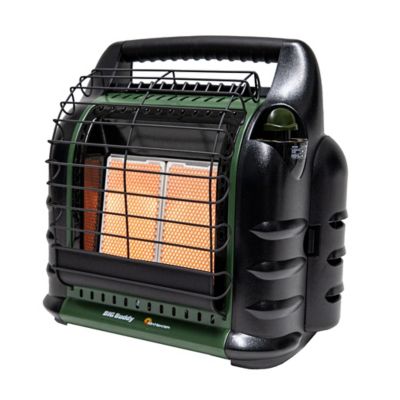
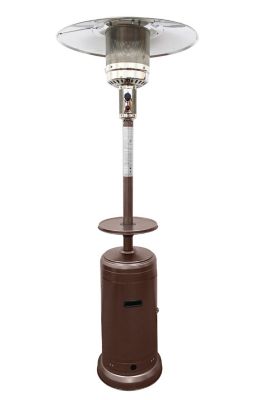
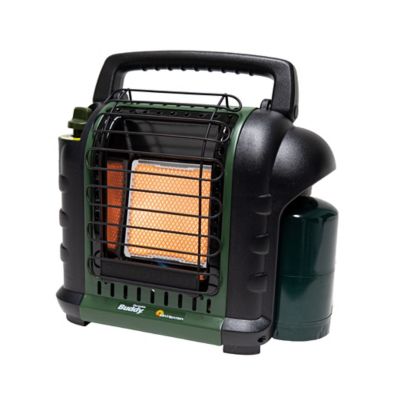
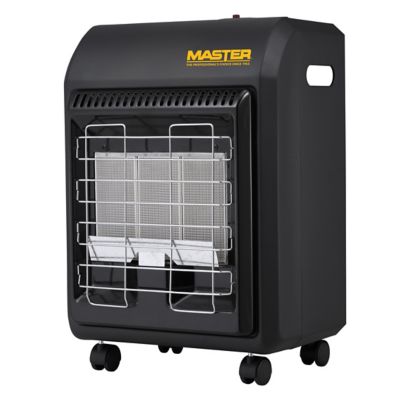
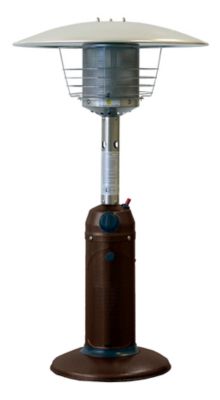
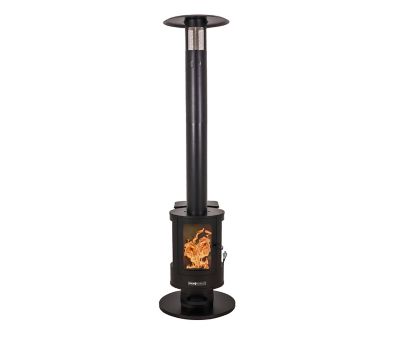
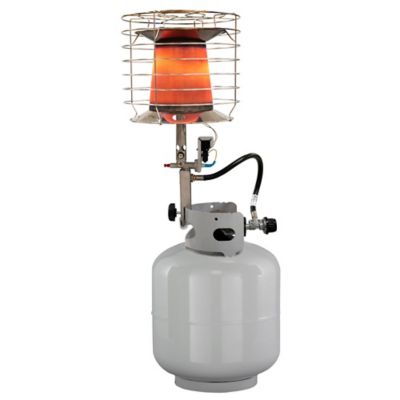
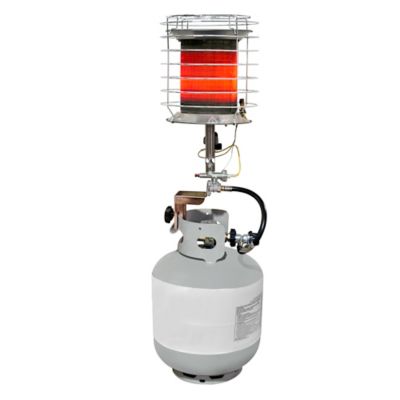
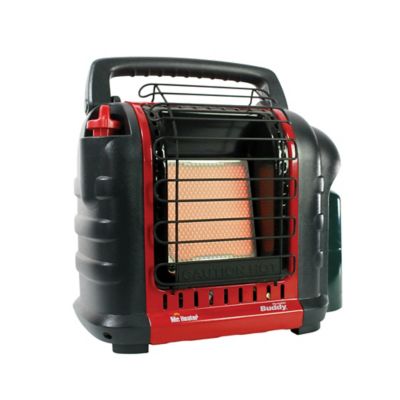
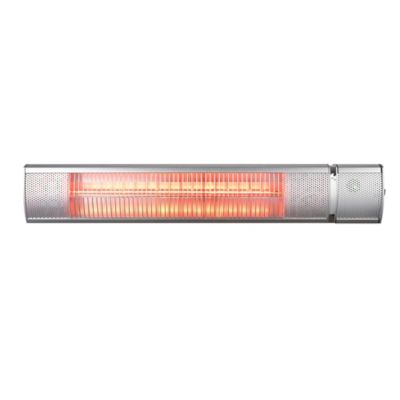
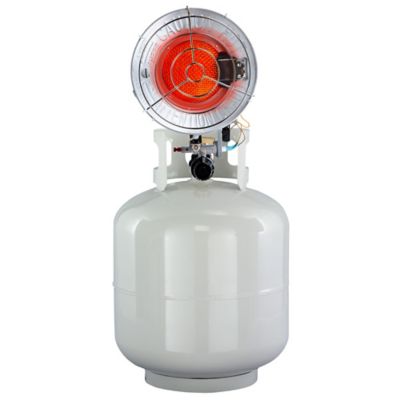
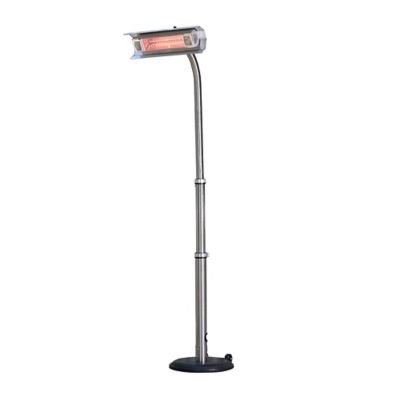
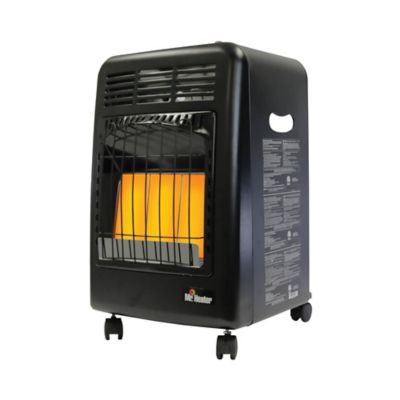
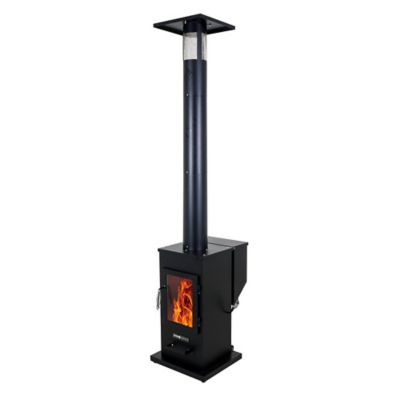
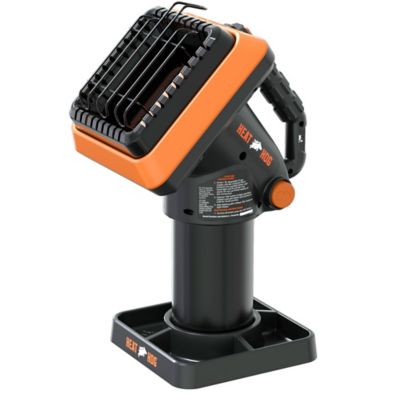
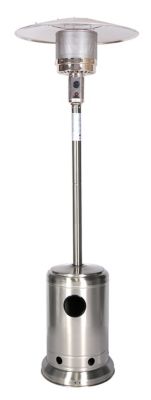
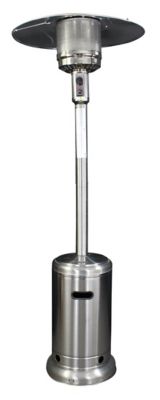
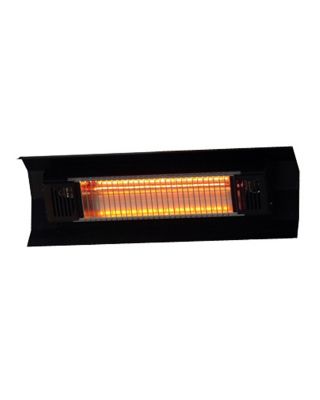
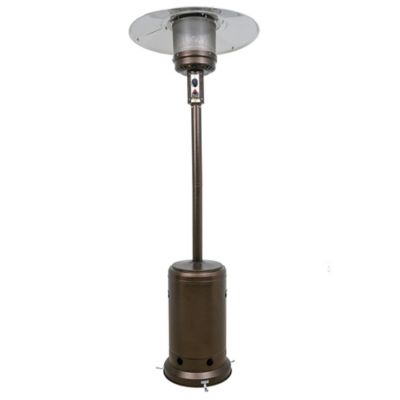
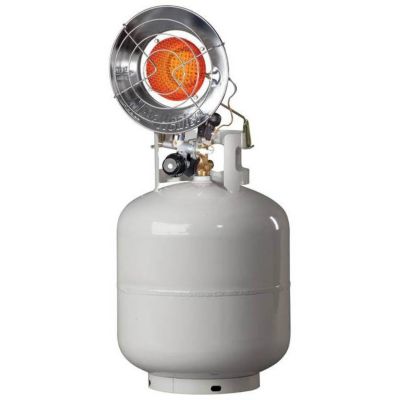
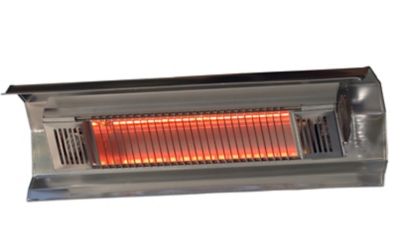
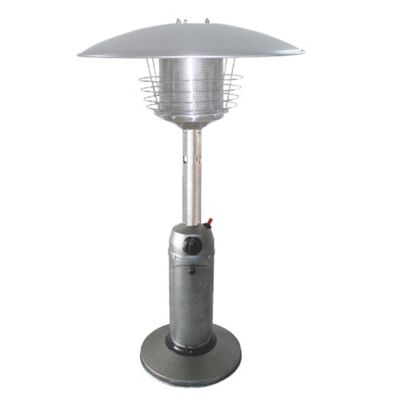
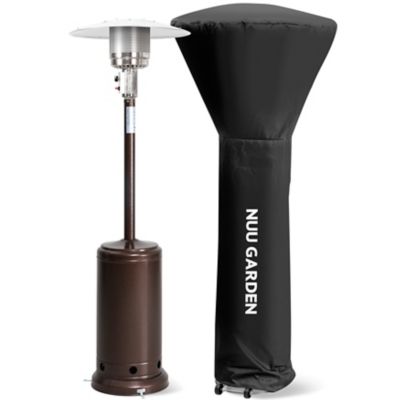
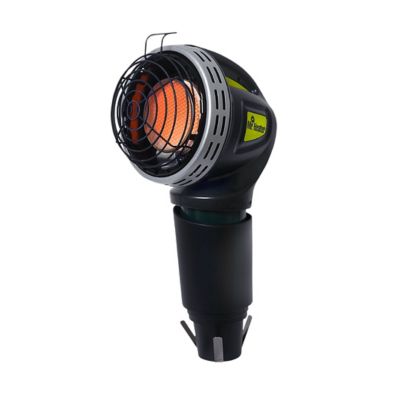
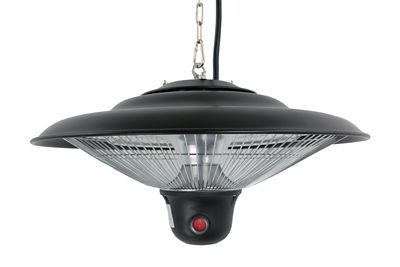
Outdoor heaters bring steady warmth to open-air gathering spots, helping make a patio, deck, or backyard seating area more comfortable when the temperature drops. Whether the setting is a farmhouse porch, a gravel courtyard, or a table just outside the back door, the right heater fits both the space and the way folks spend time there. Propane, electric, and natural gas outdoor heaters are the main choices, with different fuel needs, installation requirements, and heating patterns. Freestanding propane patio heaters offer flexibility because they do not need an electrical outlet or permanent gas connection. Many tall propane models have heat outputs around 40,000 to 50,000 BTUs per hour, though output varies by design. A tank compartment keeps the fuel cylinder tucked into the base, while wheels can make repositioning easier once the heater is shut down and cool. Electric outdoor heaters run on electricity, and many infrared designs direct radiant heat toward people and nearby surfaces rather than trying to warm all the surrounding air. Depending on their electrical requirements, they may plug into an appropriate outlet or need a dedicated circuit and professional installation. Natural gas patio heaters connect to a permanent gas supply, making them a practical match for a gathering spot with an established layout. That connection calls for professional installation and compliance with local requirements. Each type has a place: propane suits flexible seating arrangements, electric can work well for targeted warmth, and natural gas suits spaces where the heater will stay put. Heat output alone does not tell the whole story, either. Wind, mounting height, surrounding structures, and the distance between the heater and the seats all affect how much warmth reaches the people gathered nearby. A stated coverage area is best treated as an estimate under particular conditions, not a promise that every corner of a patio will feel the same.
The shape and placement of an outdoor heater matter just as much as its fuel source. Tall freestanding designs can serve an open seating area without taking up table space, while smaller tabletop styles bring heat closer to a compact gathering. Wall-mounted and ceiling-mounted electric heaters leave the floor clear, which can be helpful beside a dining table or along a narrow outdoor sitting area. Any overhead installation needs the mounting height, orientation, and clearances specified by the manufacturer; a roof or pergola does not automatically make a location suitable. The heater also needs room away from siding, rails, cushions, curtains, branches, and other combustible materials. On a deck, the surface and surrounding structure must meet the heater’s installation requirements. A level, stable base matters wherever people are pulling out chairs, carrying supper outside, or walking between the house and the yard. Stainless steel is a common material for outdoor heater bodies and reflectors because it resists corrosion, although it still benefits from regular cleaning and protection from prolonged exposure. Powder-coated steel offers a finished exterior with a protective coating, while aluminum components can help limit weight and resist rust. Fasteners, joints, base construction, and the condition of protective finishes all contribute to how well a heater holds up over time. For a spot exposed to blowing dust or damp air, accessible surfaces and a well-fitting cover can make upkeep simpler. Controls deserve a little attention, too. An easy-to-reach ignition button, clearly marked heat settings, and an accessible shutoff can make everyday operation less of a chore. Features such as tip-over protection, flame-failure protection on gas models, and overheat protection on electric models add safeguards where included, but they do not replace proper placement or supervision. The best fit leaves enough room for comfortable seating and clear walking paths without crowding the heat source.
Outdoor heating works best when it supports the way a space already gets enjoyed: coffee on the porch, supper at the picnic table, or a long conversation after the dishes are cleared. For larger gathering areas, several properly spaced heaters may distribute warmth more evenly than one heater turned up high, provided the layout follows all required clearances. Businesses planning outdoor dining or shared seating areas can explore
Commercial Patio Heaters for a category focused on those settings. At home, a heater can also make a thoughtful gift for someone who enjoys hosting outside, as long as the fuel connection, electrical needs, and available space suit the recipient’s setup. Safe operation remains part of that fit. Fuel-burning outdoor heaters belong only in outdoor locations with the ventilation their instructions require, never inside a home, garage, shed, or enclosed porch. They should not serve as a way to heat animal housing or enclosed work areas. Children and pets need space away from hot surfaces, and a heater should be shut off before anyone leaves the area unattended. Propane cylinders need upright storage and handling according to the cylinder and heater instructions, and gas connections need the specified leak checks rather than testing with a flame. Electric models need an outdoor-rated installation and the circuit protection required by their instructions and local code; power cords should stay out of walkways and away from hot surfaces. Routine care helps keep operation straightforward. Once the unit is off and completely cool, cleaning away dust, leaves, and insect buildup can help keep vents and burner areas clear, following the manufacturer’s directions. Inspection of hoses, cords, mounting hardware, and finishes can catch damage before the next gathering. A properly fitted cover belongs on a cool heater, and sheltered storage between stretches of use can reduce exposure. With the right placement and regular attention, outdoor heaters make a familiar gathering spot more inviting without getting in the way of everyday life.