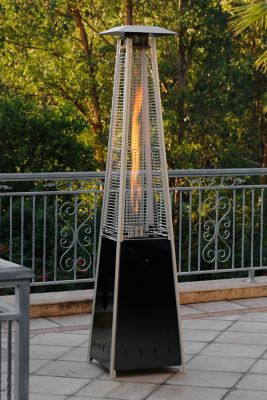
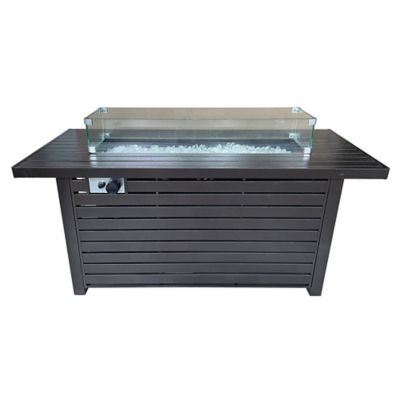
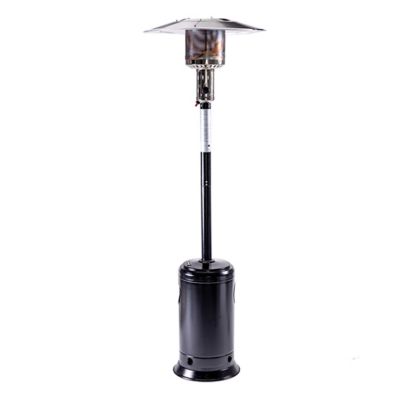
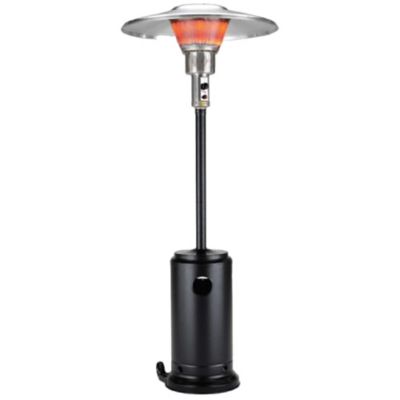
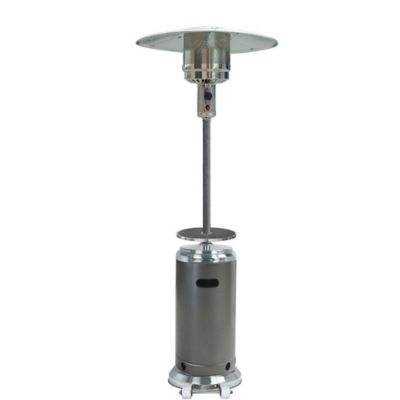
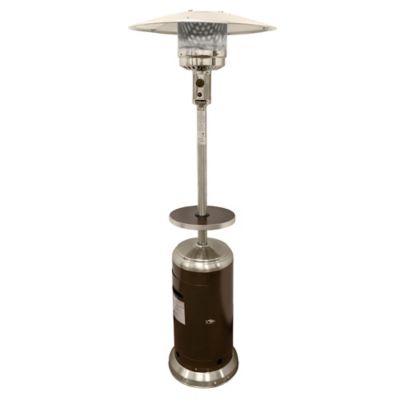
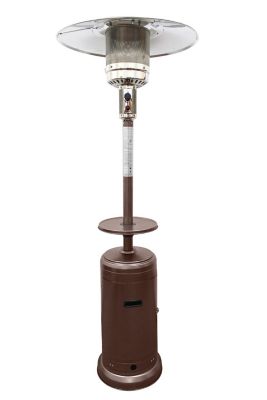
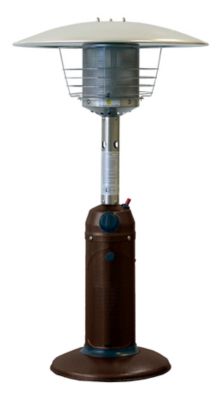
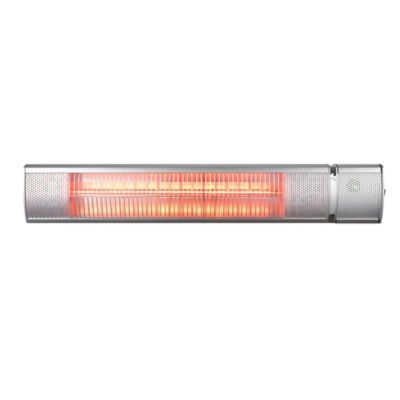
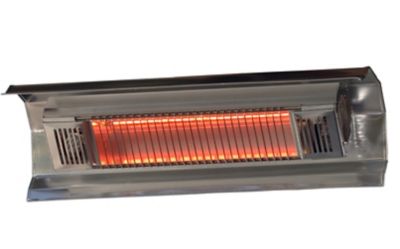
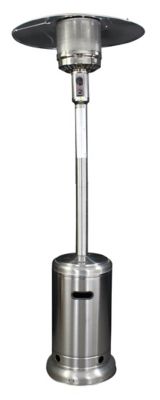
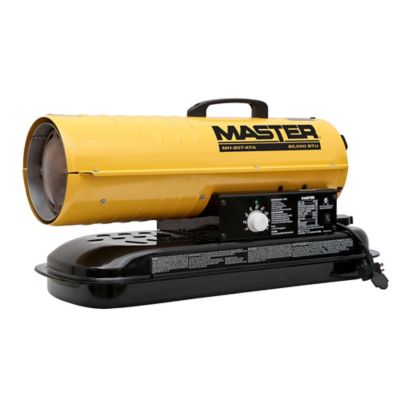
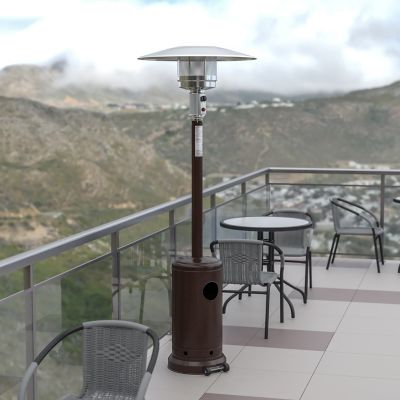
Commercial patio heaters bring targeted warmth to outdoor seating areas at restaurants, cafés, lodging properties, event venues, and other places where folks gather when the air turns cool. They can make a supper table on an open patio more comfortable, take the chill off a seating area outside a country inn, or help guests settle in near an outdoor gathering space. These outdoor heating units run on propane, natural gas, or electricity, with freestanding, wall-mounted, and ceiling-mounted designs serving different layouts. Many commercial gas patio heaters have input ratings around 34,000 to 50,000 BTUs per hour, while some electric commercial heaters operate in the 3,000- to 6,000-watt range. Ratings vary, and output alone does not tell the whole story: mounting height, wind exposure, outdoor temperature, and the direction of the heat all affect comfort at the table. Radiant heating warms people and nearby surfaces within its reach rather than bringing an entire open-air patio to one steady temperature. That makes heater placement especially important for spaces with scattered tables, long benches, or seating along a building. A compact dining patio may call for warmth over a few separate seating groups, while a broad terrace may need several heating zones. Commercial patio heating is about matching the equipment to the way a space actually works, from servers carrying trays between tables to guests pulling out chairs in winter coats. A heater also needs room beyond its footprint. Required clearances from furniture, umbrellas, awnings, overhead structures, and other combustible materials can determine whether a particular style fits at all. Outdoor heaters should never crowd exits or accessible routes. For business owners and property managers, the right fit balances heat coverage with an orderly layout, leaving space for everyday foot traffic and keeping hot surfaces away from accidental contact. A welcoming patio still needs to function smoothly when every chair is occupied and staff members are moving through with full hands.
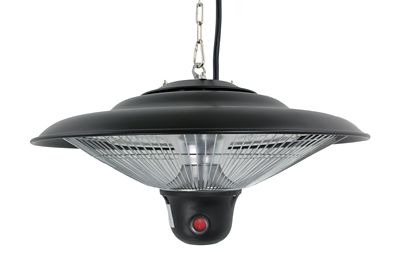
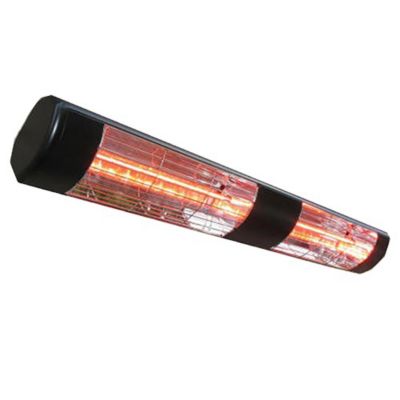
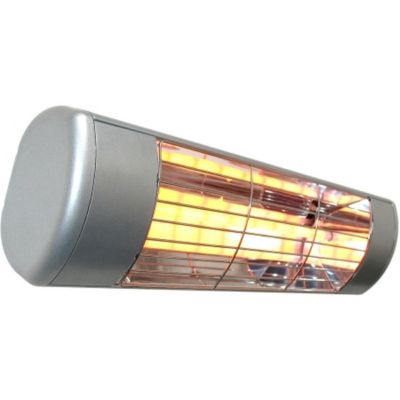
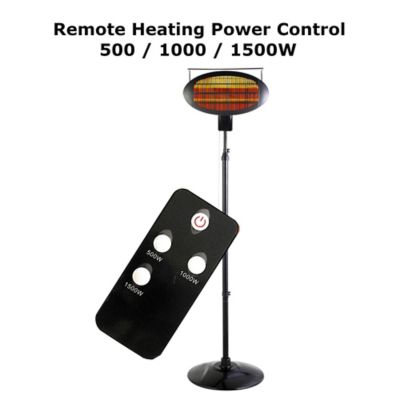
Fuel choice shapes both the setup and the daily routine of commercial outdoor heating. Freestanding propane patio heaters suit spaces where table arrangements change or a permanent gas connection is not practical. Many accommodate a standard 20-pound propane cylinder inside the base, though cylinder requirements vary by model. Wheels can make repositioning easier once the heater is off and completely cool; they are not a reason to move a heater while it is operating. For a café that rearranges tables for larger parties, that flexibility can matter as much as the heat output. Propane also brings the task of monitoring fuel, changing cylinders, and keeping spare cylinders in approved outdoor storage areas. Natural gas patio heaters connect to a fixed supply, making them a practical match for established seating areas that need regular heating without cylinder changes. Their location depends on the gas connection, required clearances, and professional installation that follows local codes and the manufacturer's requirements. Electric infrared patio heaters offer another approach, directing radiant heat toward occupied areas without an on-site fuel cylinder. Wall-mounted and ceiling-mounted formats can leave the floor open for chairs, service paths, and cleaning, provided the structure supports the installation and all mounting requirements are met. Electrical demand deserves attention, especially with higher-wattage equipment that may require dedicated circuits, a particular voltage, or hardwiring by a qualified electrician. Covered patios need equipment specifically approved for the setting; a roof overhead does not automatically make any outdoor heater suitable underneath it. Fuel-burning patio heaters belong only in outdoor locations permitted by their instructions, with the required ventilation and clearances, never inside enclosed dining rooms, tents, or garages. Controls also influence day-to-day operation. Depending on the design, adjustable heat settings, ignition controls, timers, or separately controlled zones can help staff manage warmth across different seating sections. Straightforward controls and a consistent shutdown routine are particularly helpful where several employees share opening and closing duties.
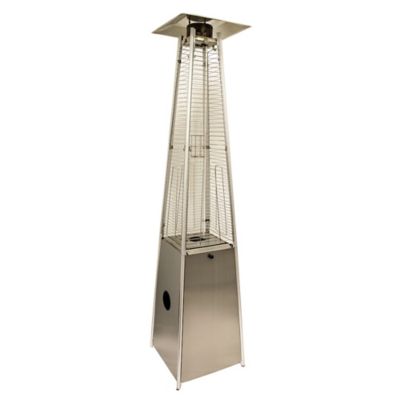
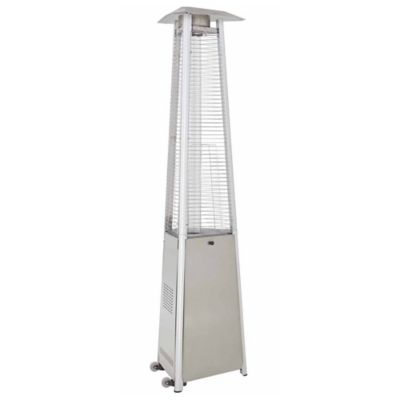
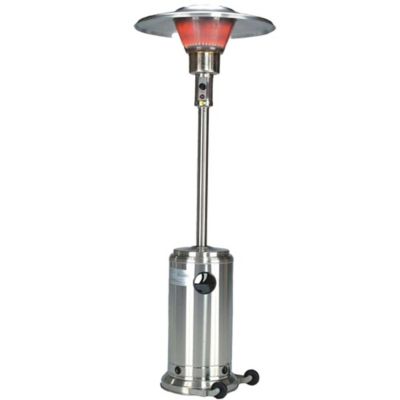
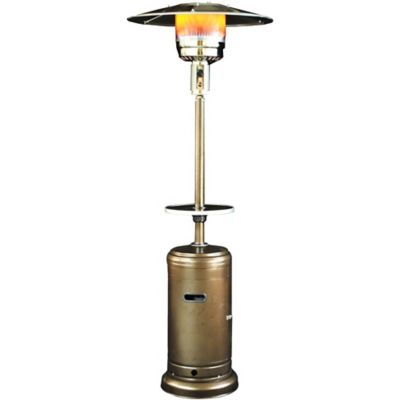
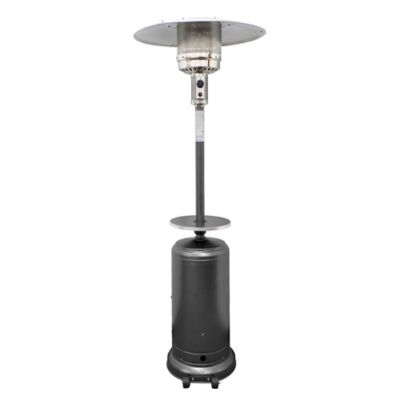
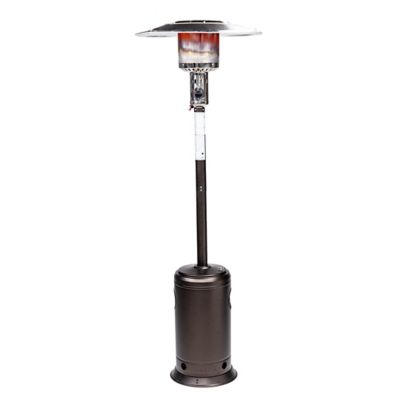
Materials, construction, and upkeep matter when a patio heater faces damp mornings, dusty breezes, and repeated service through the cooler months. Stainless steel is a common choice for outdoor heater housings because it offers corrosion resistance and a finish that fits comfortably alongside metal tables, railings, and outdoor serving stations. For spaces where that material is a priority,
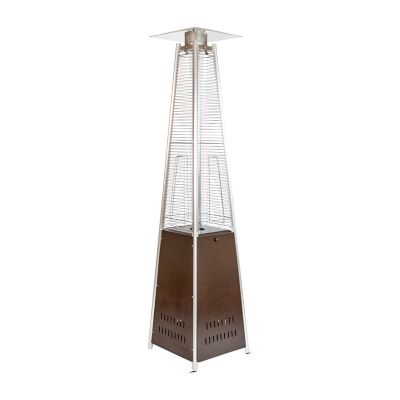
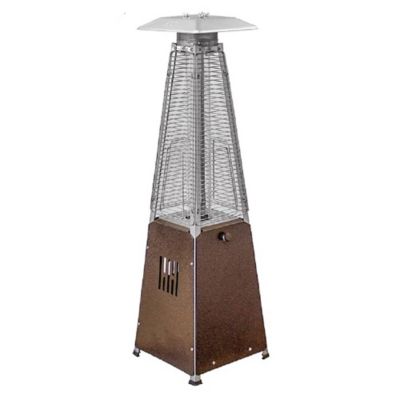
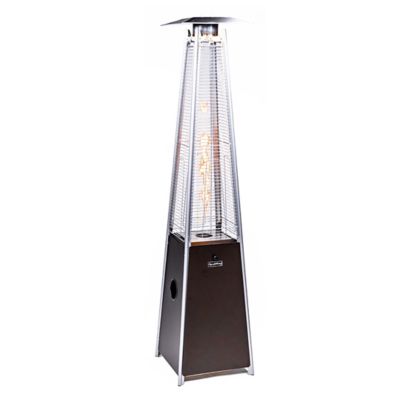
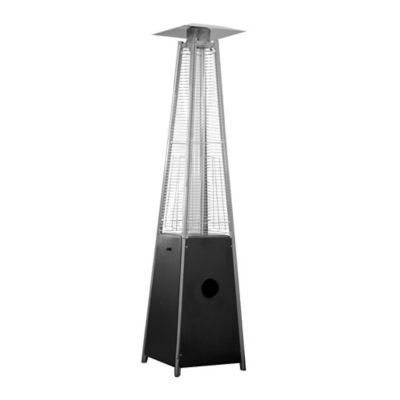
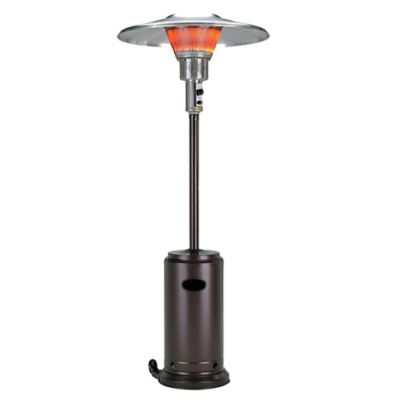
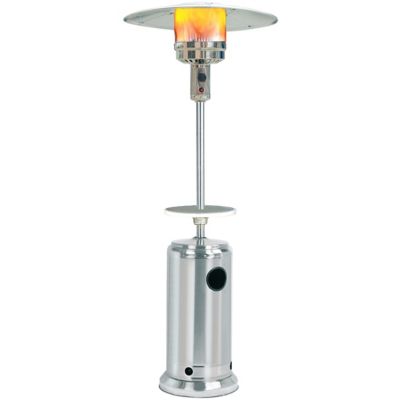
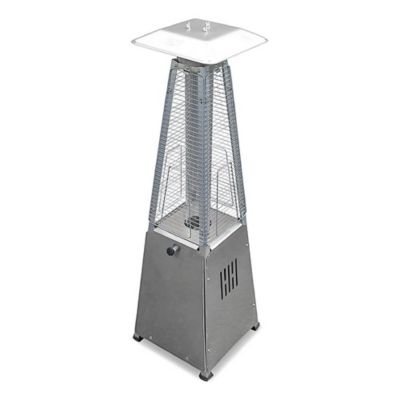
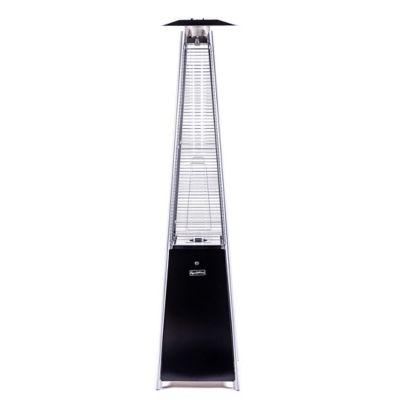
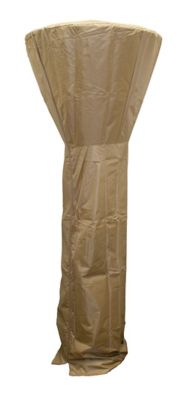
Stainless Steel Patio Heaters offer a closer look at this category. Stainless steel grades differ, and no finish makes a heater immune to weather or neglect. Powder-coated steel is another common construction material, with a protective coating that benefits from prompt attention to scratches or chipped areas. Near salt air, pools, or irrigation spray, material specifications and cleaning requirements take on added importance. Tall umbrella-style heaters typically spread warmth beneath an overhead reflector, while glass-tube designs pair visible flame with a different heat distribution pattern. Appearance can help a heater fit the setting, but warmth at seated height matters more than how striking the flame looks from across the yard. A stable base, secure assembly, and a level surface suited to the equipment are essential for freestanding designs. Depending on the heater, safety features may include tip-over shutoff, flame-failure protection, or overheat protection; those features support proper operation rather than replace it. Wind can shift warmth away from guests and create operating hazards, so manufacturer wind limits matter even with a substantial base. Routine care generally includes letting equipment cool before cleaning, keeping burner areas or heating surfaces clear as directed, and checking cords, hoses, connections, and fasteners for wear. Reflectors and glass components need cleaning methods appropriate to their materials, without harsh abrasives that can damage surfaces. A fitted cover can help protect a cooled heater between outings when the manufacturer recommends one, while longer storage may require additional steps for the fuel system. For restaurants, farm event spaces, and lodging patios, commercial patio heaters earn their place through thoughtful placement, suitable construction, and regular attention—the practical details that help keep an outdoor seating area comfortable and ready for company.