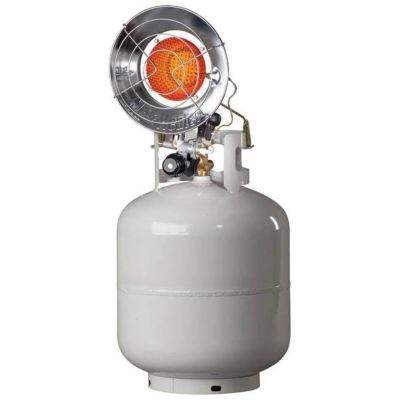
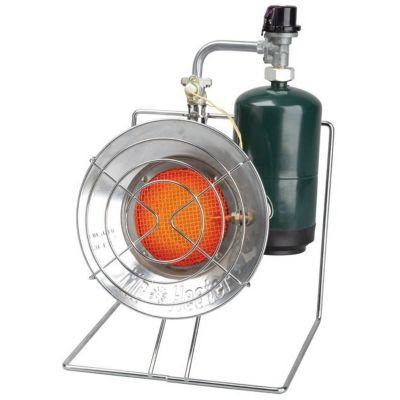
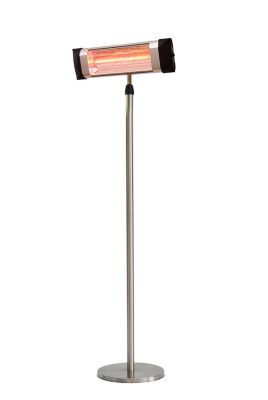
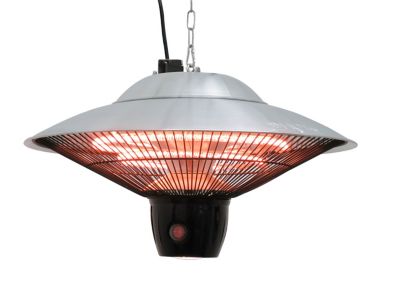
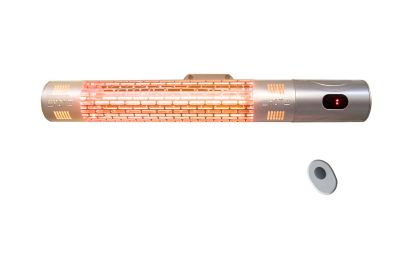
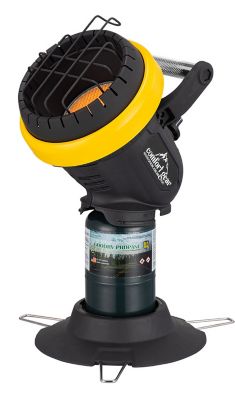
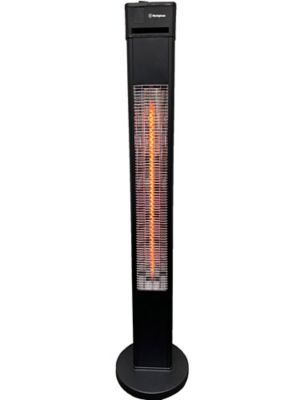
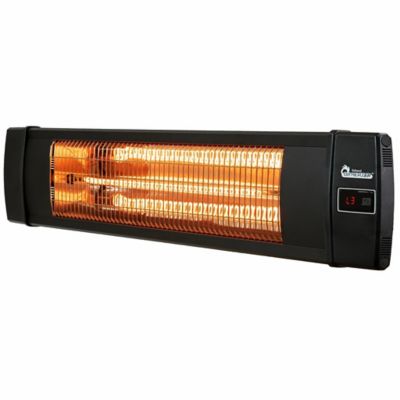
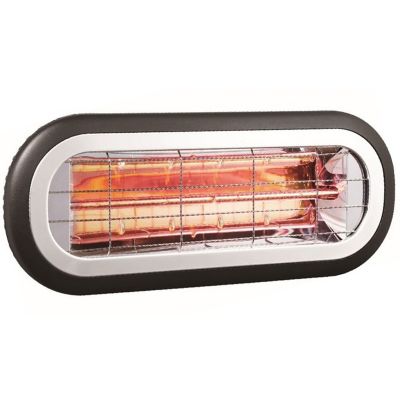
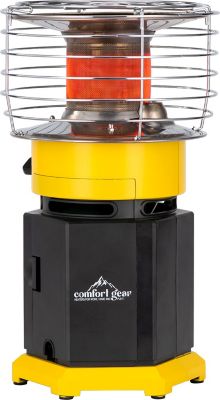
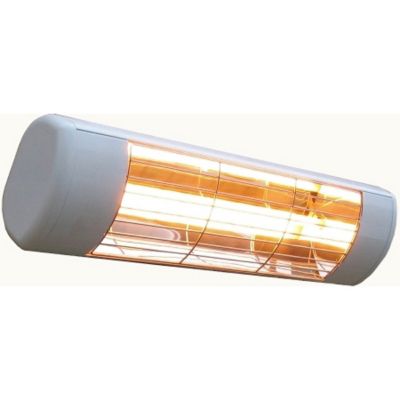
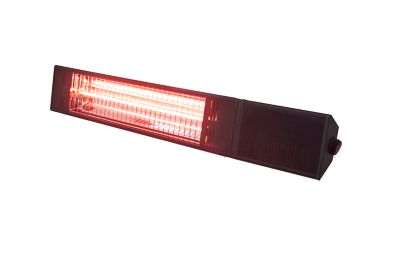
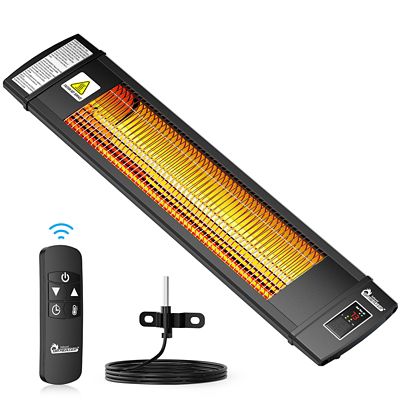
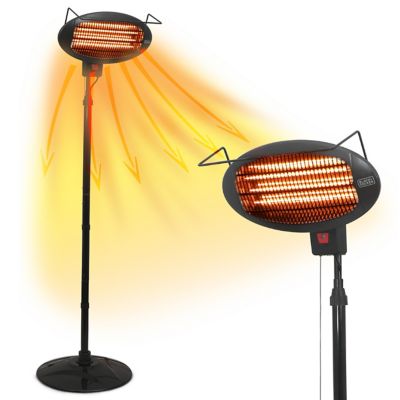
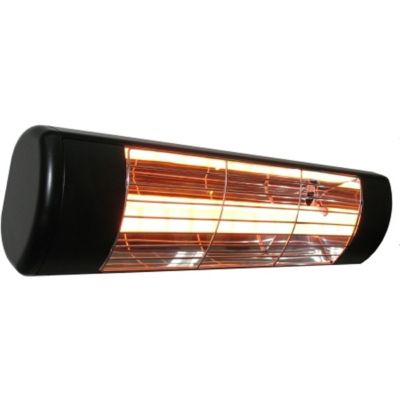
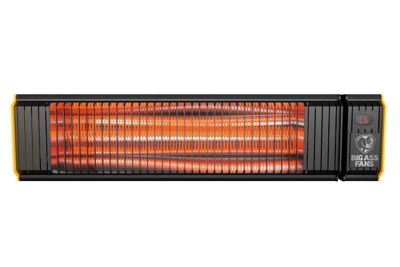
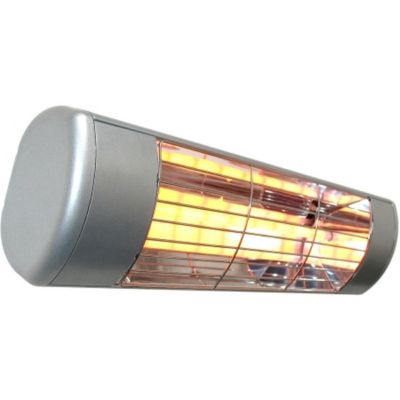
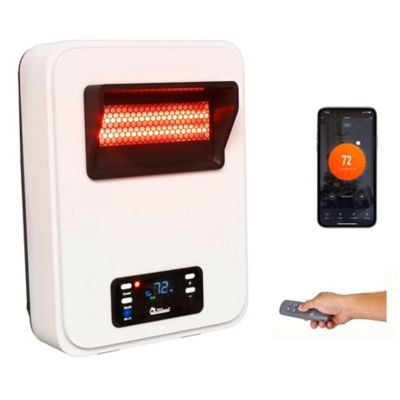
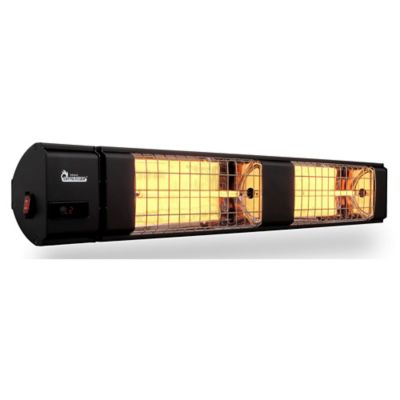
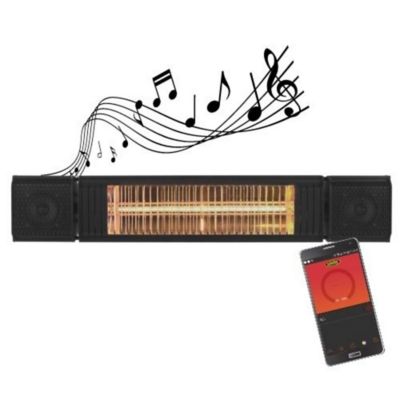
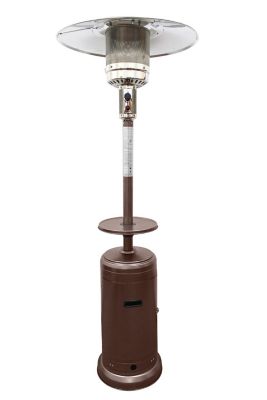
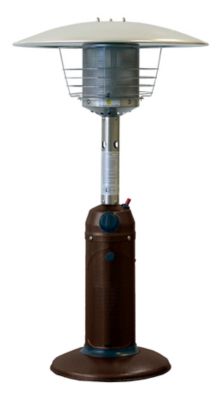
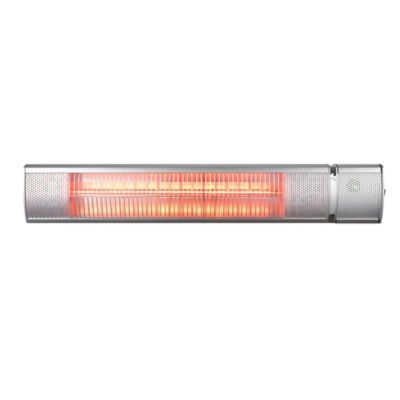
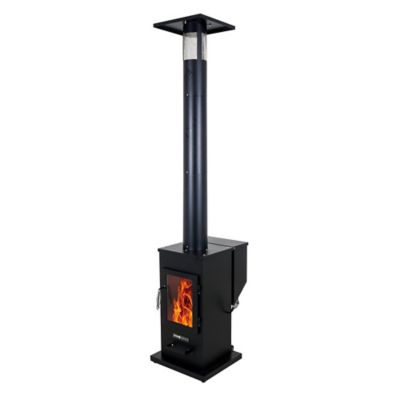
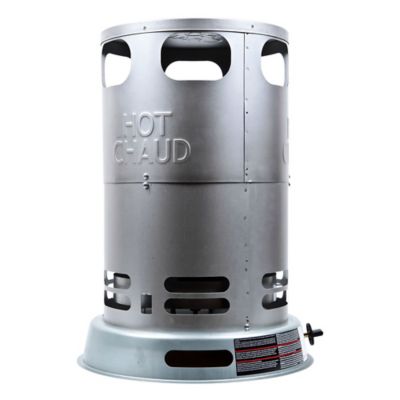
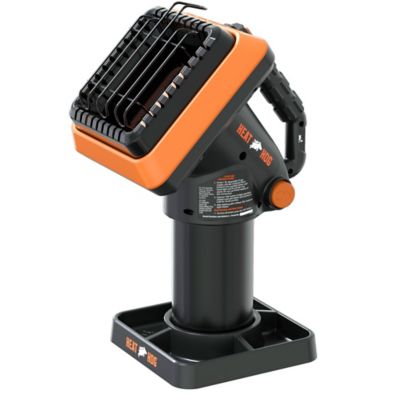
Small outdoor heaters bring focused warmth to compact patios, open-air seating areas and campsite gathering spots without taking up the room of a full-size patio tower. Rather than heating an entire yard, these compact heaters help make a smaller space more comfortable, whether that means a pair of chairs beside the back steps or a picnic table where the family settles after chores. The main types include tabletop propane heaters, compact radiant propane heaters and electric infrared heaters. Tabletop propane heaters generally send heat outward from an elevated burner and reflector, while compact radiant models aim warmth toward a more concentrated area. Electric infrared heaters warm people and nearby objects directly, making them a practical option for seating areas within reach of a suitable electrical connection. Some small propane heaters produce roughly 3,800 to 11,000 BTUs per hour, and many compact electric heaters operate at about 1,500 watts, though output varies by model. Those numbers describe heat output or electrical input, not a promise that a heater will warm a particular number of square feet outdoors. Wind, placement, mounting height and the distance between the heater and a chair all affect how much warmth reaches someone sitting there. A modest radiant heater aimed toward two seats may suit a quiet evening better than a larger unit positioned too far away. For folks who want to take the chill off while watching the dogs play in the yard or sharing coffee outside, the direction of the heat can matter as much as the rating on the label. Portability matters, too: a carry handle, manageable weight and a compact footprint can make moving a cooled heater between approved locations less of a chore. A tabletop design keeps the heat source up off the ground, but it still needs a sturdy, level surface and plenty of clear space around it.
Fuel source and fit help narrow down which small outdoor heater belongs in a particular setup. Propane offers flexibility where there is no electrical outlet, making it useful around open patios and approved campsite locations. Some compact propane heaters accept small cylinders, while others connect to a larger cylinder only with a manufacturer-approved hose and regulator. Cylinder compatibility, fuel consumption and the complete setup’s footprint deserve a close look; a small heater attached to a separate tank needs room for both components and a protected hose route. Runtime depends on the fuel supply and heat setting, so a higher output generally means more frequent cylinder changes. Electric outdoor heaters avoid cylinder handling but need the voltage, circuit capacity and outlet protection specified by the manufacturer. Many 1,500-watt models draw about 12.5 amps on a 120-volt circuit, leaving limited capacity for other equipment on a typical household circuit. An outdoor-rated heater is essential, and its moisture-exposure rating determines where it can operate. An outdoor rating does not automatically mean a heater can stand in driving rain. Follow the instructions for GFCI protection, and do not assume an extension cord or power strip is acceptable. Around a porch or deck, measure the required clearance above, below and beside the heater before deciding where it will sit or mount. Roofs, railings, cushions, dry leaves and hanging fabric can all affect placement. A covered porch is suitable only when the heater’s instructions allow that setting and every ventilation and clearance requirement can be met. Outdoor-only propane heaters do not belong in homes, garages, tents or enclosed porches, even with a door or window open. Tip-over shutoffs, overheat protection and flame-failure controls can add safeguards where fitted, but none replaces proper placement or supervision. An oxygen-depletion sensor, if present, is not a carbon monoxide detector and does not make an enclosed area safe. Keep children and animals away from hot surfaces, and route cords and hoses where boots, chair legs and paws will not catch them.
Materials and construction influence how a compact outdoor heater holds up to regular handling and outdoor exposure. Stainless steel housings can help resist corrosion, while powder-coated steel provides a protective finish that benefits from prompt attention to chips and scratches. Aluminum reflectors help direct heat, and protective guards reduce accidental contact with heating components without making the surrounding surfaces safe to touch. A broad, stable base is worth considering on a busy patio, especially where chairs move often or a dog might brush past. For mounted electric heaters, the bracket, mounting surface and approved installation height are part of the fit, not afterthoughts. Controls should be easy to reach without leaning across the hot face of the heater; adjustable output and an approved adjustable-angle mount can help direct warmth where people actually sit. Care is usually straightforward, but it should follow the heater’s manual. Shut the unit down, disconnect power or close the fuel valve as directed, and let every surface cool before cleaning, covering or moving it. Clear away dust, leaves and insects from approved cleaning areas, keep burner openings and guards unobstructed, and check cords, hoses and fittings for damage before operation. Propane connections need leak checks according to the manufacturer’s directions, never with a flame. A fitted cover can limit exposure between outings, but it belongs on a fully cooled heater and does not replace sheltered storage when the instructions call for it. Store propane cylinders upright outdoors in an approved, ventilated location, away from ignition sources. For larger open-air work areas,
Outdoor Forced Air Heaters provide a different approach by moving heated air, with their own power, fuel, clearance and ventilation requirements. Small radiant and tabletop heaters are more focused on keeping warmth close to a seating spot. They can also make a thoughtful gift for someone who enjoys evenings on the patio or regular camping trips, provided the heater matches the recipient’s space, power or fuel setup, and site rules. The best fit leaves room to sit comfortably, walk freely and enjoy the outdoors without putting the heater in the way.