Suspension ball joints are compact but hard-working parts that connect a vehicle’s control arm to the steering knuckle, letting the wheel move up and down with the suspension while still turning left and right. The design is similar to a human hip joint: a rounded metal stud moves inside a socket, with a housing, bearing surface, lubricant, and protective rubber boot working together to keep movement smooth. Upper ball joints generally help maintain steering geometry and alignment, while lower ball joints often carry more of the vehicle’s weight and serve as a key steering pivot. Depending on the vehicle, a ball joint may be built into a control arm or installed as a separate service part. These parts are used on many cars, trucks, SUVs, and other road vehicles, making them a common consideration for drivers who spend time on rough gravel roads, farm lanes, construction areas, or uneven pavement. A worn joint may show up as a clunk or popping sound when turning or crossing bumps, looseness in the steering wheel, vibration through the front end, wandering on the road, or uneven wear along the inside or outside edge of a tire. Those signs can also come from other suspension or steering parts, so a careful inspection is important before ordering a replacement. Since a severely worn ball joint can affect wheel control and, in extreme cases, allow the wheel assembly to separate from the vehicle, treat unusual steering movement or loud front-end noise as a safety concern rather than something to put off.
Getting the right suspension ball joint starts with accurate vehicle information. Check the vehicle year, make, model, engine size, drivetrain, and whether the part is intended for the driver or passenger side. Some applications use different parts for two-wheel drive and four-wheel drive models, and a vehicle may have separate upper and lower joints with different designs. A vehicle identification number lookup can help narrow the choices, but comparing the original part with the replacement is still worthwhile when the old part has been removed. Pay attention to stud size and taper, mounting style, bolt-hole spacing, grease fitting location, and whether the needed hardware is included. A replacement may come with a new nut, cotter pin, snap ring, or mounting bolts, while another may require transferring or purchasing certain hardware separately. The rubber boot deserves a close look, too. It should fit snugly and shield the joint from road grit, water, salt, and mud without being torn, pinched, or stretched out of shape. Some ball joints are designed to be greased during routine service, while others are sealed and require no added lubricant. Following the vehicle manufacturer’s service information helps prevent using the wrong grease or overfilling a boot. For shoppers who maintain their own vehicles, the right
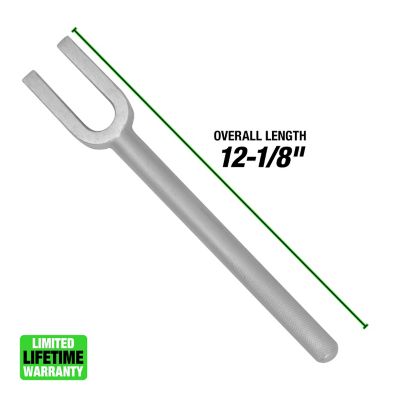
Car Suspension Tools can make inspection and removal work more manageable, especially when rust, tight press fits, or years of road grime are involved. A sturdy work area, wheel chocks, proper jack stands, eye protection, and the correct torque specifications matter just as much as the replacement part. Never rely on a vehicle jack alone while working underneath a vehicle, and avoid striking nearby steering or suspension components in a way that could damage them.
Replacing a suspension ball joint is a practical project for experienced do-it-yourself mechanics, particularly those who keep an older pickup, work truck, or daily driver in dependable shape through changing road conditions. It is also the kind of useful garage item that can make a thoughtful gift for someone who enjoys maintaining a vehicle, spends weekends repairing equipment, or prefers handling routine chassis work at home, though fitment should be confirmed before purchasing for someone else. In many cases, the job involves lifting and supporting the vehicle, removing the wheel and related hardware, separating the joint from the steering knuckle or control arm, and pressing or bolting in the replacement. Rusted parts and stubborn tapers can turn a simple-looking repair into a demanding one, so professional service may be the better choice when specialized equipment or experience is not available. After installation, fasteners should be tightened to the specified torque, the protective boot should be checked for proper seating, and any required lubrication should be completed. Because changing a ball joint can affect suspension geometry, a wheel alignment is often recommended afterward. Alignment is especially important if the vehicle has been pulling to one side, wearing tires unevenly, or receiving additional front-end repairs. During cooler months, road moisture, salt, mud, and frost-heaved pavement can put extra stress on aging suspension parts, while rough spring and summer driving can expose looseness that was easy to miss on smooth roads. Keeping an ear out for new knocks, checking tire wear, and paying attention to steering feel can help catch problems before they become a bigger repair. Whether you are refreshing the front end of a well-used farm truck or preparing a family vehicle for dependable trips over back roads, choosing a properly matched suspension ball joint and installing it with care helps support stable handling, even tire wear, and a more confident ride.