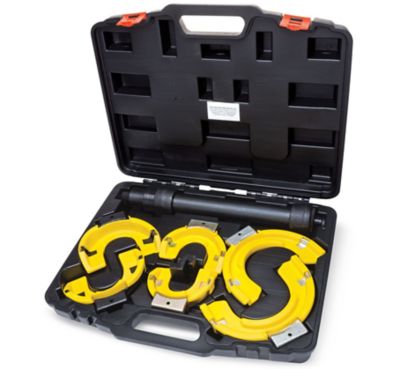
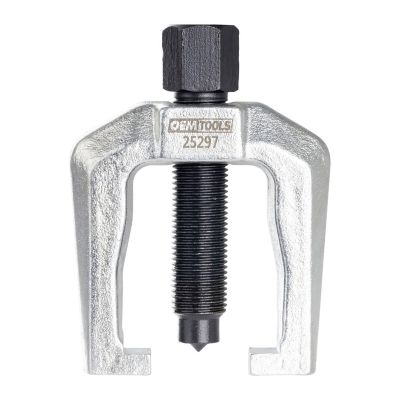
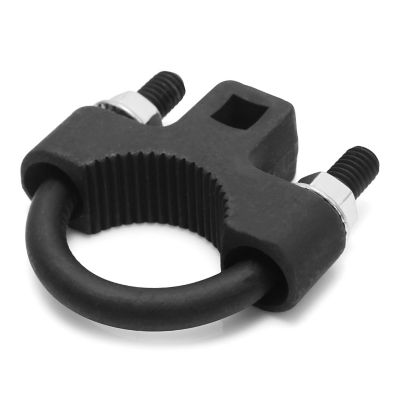
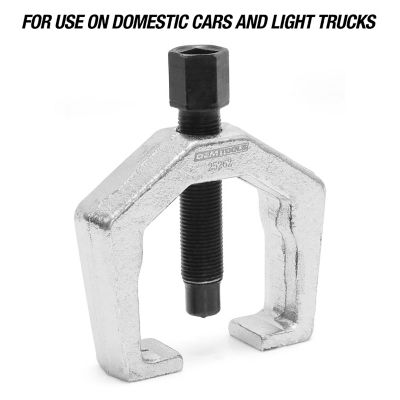
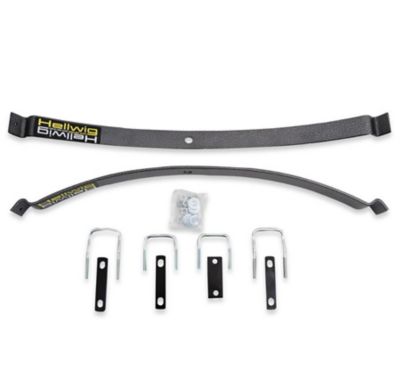
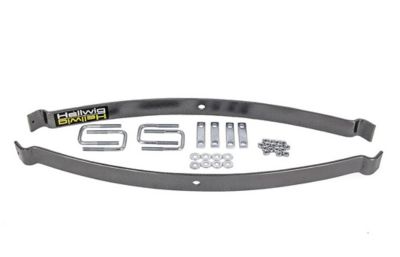
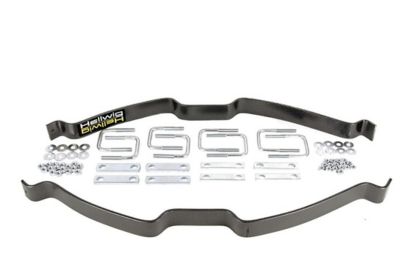
Car suspension tools help with the removal, installation and servicing of springs, struts, ball joints, control arm bushings and related steering connections. Common tool types include coil spring compressors, strut spring compressors, ball joint presses, joint separators, tie rod pullers and bushing service tools. Each handles a different kind of connection or load, so choosing by the repair matters more than choosing by the size of the tool case. Spring compressors hold compatible coil springs under controlled compression during certain strut or spring repairs. Ball joint presses apply force through matched adapters to remove or install press-fit joints, while separators release tapered connections between components such as ball joint studs and steering knuckles. Tie rod pullers serve related steering work, and bushing tools support jobs involving the sleeves and rubber or synthetic inserts that cushion suspension movement. These are the sorts of tools that earn their place when a straightforward wrench-and-socket job reaches a tightly seated joint or a component that needs support from more than one direction. For a home mechanic working on a daily commuter, a farm shop maintaining a pickup or a technician handling repeated repairs, the goal is the same: apply force where it belongs without putting unnecessary strain on nearby parts. A press, puller and separator are not interchangeable simply because all three can move stubborn components. Their frames, jaws, screws and adapters are shaped for different contact points. Screw-type separators can be a better match when protecting a joint boot matters, while fork-style separators can damage boots and may suit work where the joint will be replaced. Suspension designs vary, too. A MacPherson strut assembly, a separate coil spring and shock arrangement, and a leaf-spring setup call for different equipment. The useful starting point is the actual suspension layout and the service procedure for that vehicle, not a broad assumption that every car needs the same tools.
Fit comes down to more than the vehicle's name on the registration. Year, make, model, drivetrain and suspension configuration can affect which car suspension tools match the work. Even vehicles in the same model line may have different components, clearances or service requirements. For a ball joint press, adapter diameter, receiving-cup depth and frame opening all matter because the tool needs to support the correct surfaces while leaving room for the component to move. Some joints have retaining hardware or a specified pressing direction, and some control arm assemblies are not intended for separate joint replacement. A spring compressor needs to match the spring's diameter, coil shape and the manufacturer's stated application limits. Limited space inside a wheel well can also make jaw profile, screw position and overall tool length important. Materials and construction deserve a close look alongside fit. Forged steel bodies, heat-treated forcing screws and substantial press frames are common features in equipment built to handle concentrated force. Strength depends on the complete design, however, not just a hefty appearance. Clearly stated load limits and application information give shoppers a better basis for comparison than weight alone. Well-formed threads, properly seated adapters and contact surfaces free of cracks or deformation help a tool perform as intended. Protective finishes can slow surface corrosion, while storage cases keep small cups, sleeves and adapters together between jobs. For a mechanic working in a tight home garage, organized storage can be just as practical as a large assortment of attachments. For a shop handling several vehicle types, application coverage and replacement-part support may carry more weight. Hand-driven tools can offer control in confined areas, while powered equipment may suit repetitive work when the manufacturer permits it. Impact compatibility must be stated for the particular tool; a forcing screw is not automatically suitable for an impact wrench just because a socket fits its head. The right match balances access, capacity, construction and the kind of work that actually comes through the shop door.
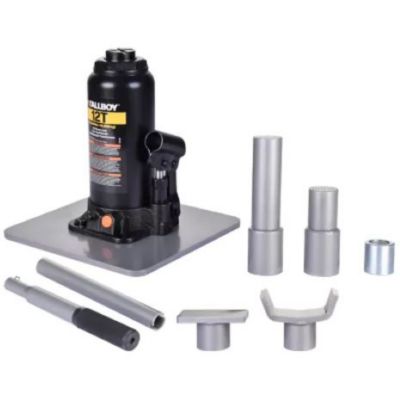
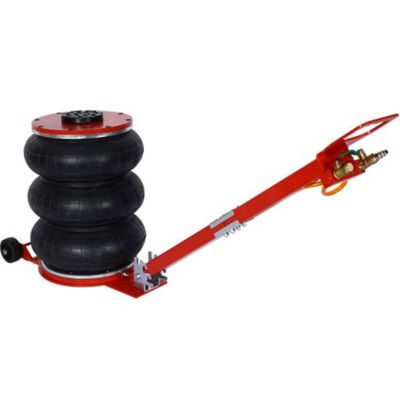
Suspension service also depends on the equipment around the specialty tool. Sockets, breaker bars, torque wrenches and suitable lifting equipment support the work, while the broader range of
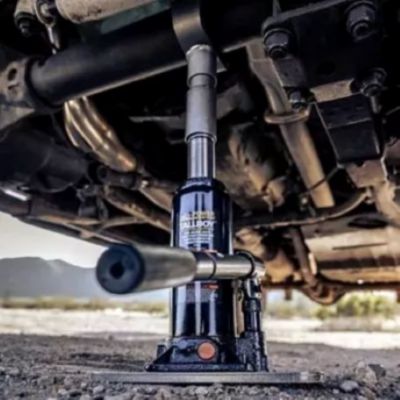
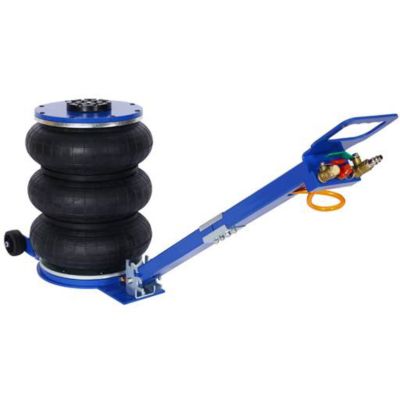
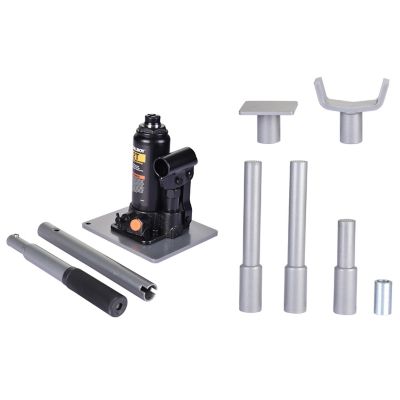
Car Maintenance Tools covers other routine vehicle-care needs. An impact wrench can help loosen certain fasteners, but final tightening calls for the vehicle manufacturer's torque specifications and the appropriate measuring tool. Some fasteners require replacement or a torque-angle procedure, and some suspension bushings require final tightening at a specified ride-height position. Those details are part of why a service manual belongs within reach, whether the vehicle spends its days on the highway or traveling between the house, barn and feed store. Suspension parts can be heavy, and compressed springs store enough energy to cause serious injury. Spring compressors require particular care, sound components and an operator familiar with the equipment; some repairs are better left to a trained technician with the proper shop setup. Suitable vehicle support on a firm, level surface matters throughout the job, and a hydraulic jack alone is not a substitute for properly rated support stands. Tool care has a direct effect on service life as well. Clean threads and contact surfaces make wear easier to spot, and lubrication should follow the tool manufacturer's directions rather than a general shop habit. Cracked jaws, bent frames, stripped threads or missing retainers are reasons to take a tool out of service. Keeping matched adapters together helps prevent mismatched setups on the next repair, especially in a shared shop where several people reach for the same case. After steering or suspension work, alignment checks or other follow-up procedures may be necessary, depending on the components involved. A well-chosen suspension tool collection supports careful work without filling the bench with attachments that never fit the vehicles at hand. For occasional repairs or regular shop duty, practical value comes from tools that match the application, hold their working surfaces and remain straightforward to inspect, store and maintain.