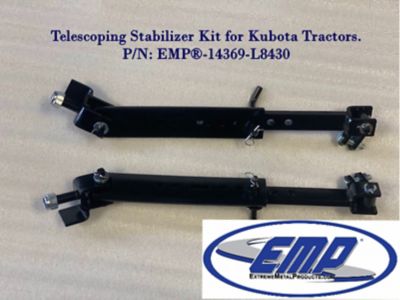
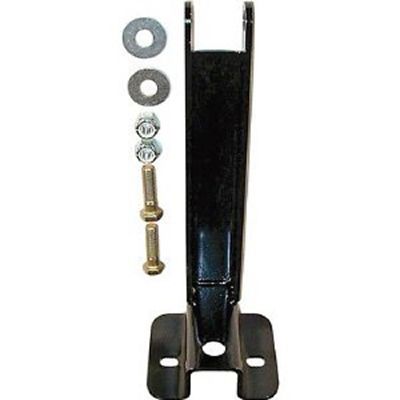
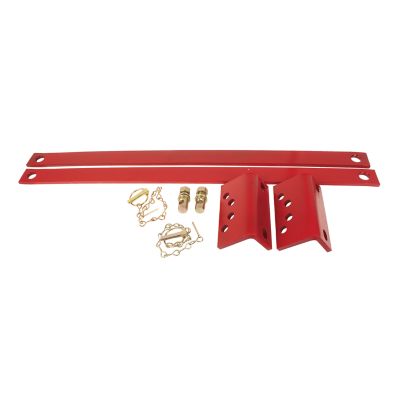
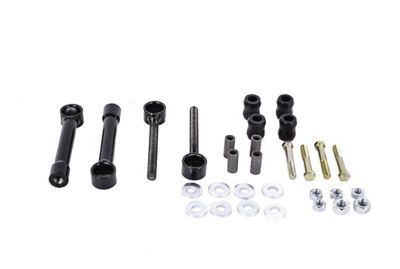
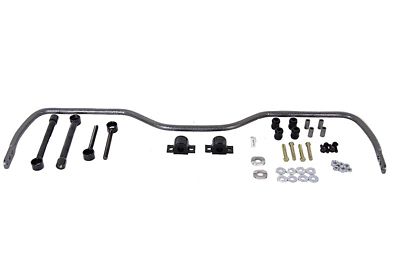
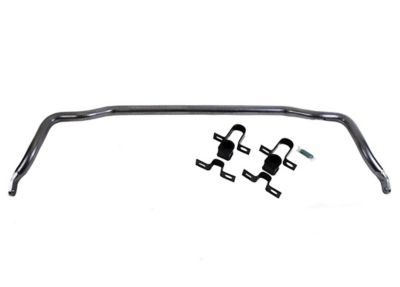
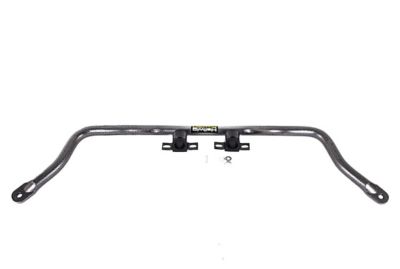
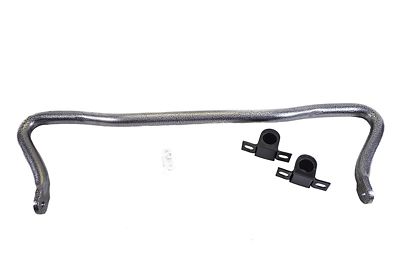
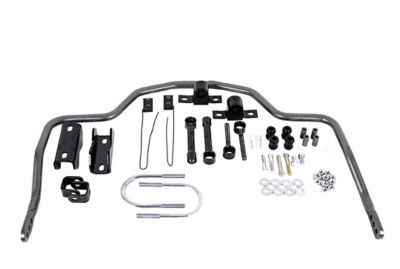
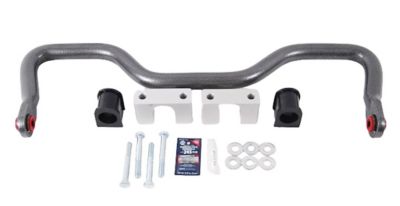
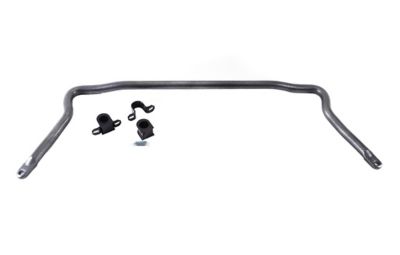
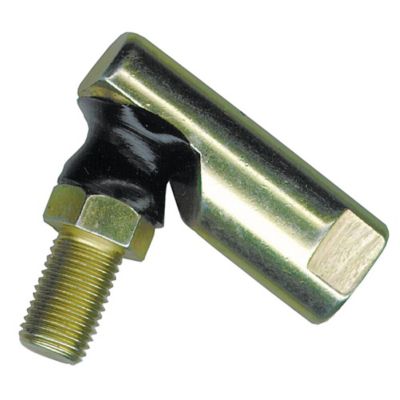
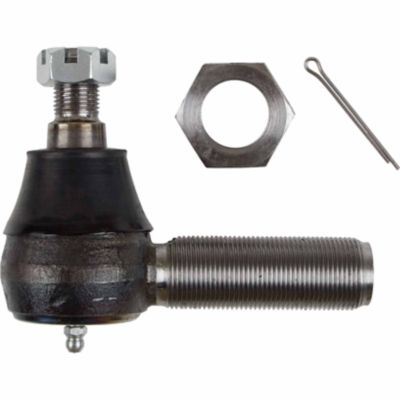
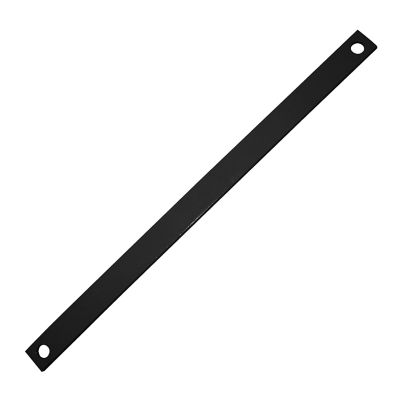
A suspension stabilizer bar link, also called a sway bar link, is a small but important part of a vehicle’s suspension system. It connects the ends of the stabilizer bar to another suspension component, such as a control arm, strut or frame-mounted point, and helps transfer suspension force from one side of the vehicle to the other. When you turn a corner, the stabilizer bar and its links work together to limit excessive body roll, helping the vehicle feel flatter, more balanced and easier to control. On a pickup that spends time hauling feed, fencing supplies or tools, dependable suspension parts can make a noticeable difference in how the vehicle handles a loaded bed. The same goes for a car or SUV used for daily commuting, school runs, gravel roads and long drives between rural communities. Stabilizer bar links are built to move with the suspension, but road salt, moisture, dirt, potholes and repeated impacts can eventually wear down the link, its bushings or its ball-and-socket joints. A worn link may produce a clunking, knocking or rattling sound when crossing bumps, washboard roads, railroad crossings or rough driveways. Some drivers notice more body roll while cornering, a loose or wandering feel through turns, or a suspension response that no longer feels as tight as it once did. These signs can also come from other suspension or steering components, so a careful inspection is important before ordering replacement parts.
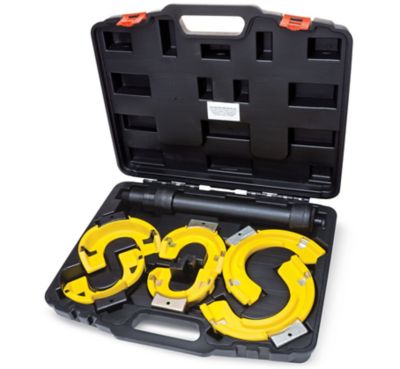
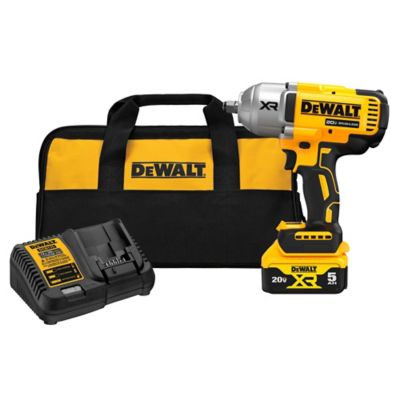
When shopping for a suspension stabilizer bar link, start with the vehicle’s year, make, model and trim, then confirm the correct position and fitment for the front or rear suspension. Some vehicles use links that differ from side to side, while others use matching parts on both sides. Pay attention to the overall length, mounting style, thread size, connector design and the type of bushings or joints included. A part that looks close may not provide the right range of motion or clearance once installed, especially on vehicles with modified suspension, heavy-duty equipment or non-factory ride height. It is also smart to inspect the surrounding hardware, including nuts, bolts, bushings and mounting points, since rusted or damaged hardware can complicate the job. Many mechanics replace stabilizer bar links in pairs because both sides typically experience similar mileage, road conditions and weather exposure. Replacing both at the same time can help maintain more even handling and saves the trouble of taking the vehicle apart again soon after. Still, the repair plan should follow the vehicle manufacturer’s service information and the findings from a proper inspection. Before getting started, gather the correct hand tools, penetrating oil, a torque wrench and suitable lifting and support equipment. Helpful resources and additional equipment can be found with
Car Suspension Tools. Never rely on a jack alone to support a vehicle, and allow extra time when working on parts exposed to mud, road grime or corrosion during the cooler months.
A stabilizer bar link replacement may suit a confident do-it-yourself mechanic who is comfortable safely lifting a vehicle and following torque specifications, while other drivers may prefer to have a qualified technician handle the inspection and installation. The job often involves removing the wheel, supporting the suspension as needed, loosening the old link and installing the replacement in the correct orientation. Rust can make removal slow, and the suspension may need to be positioned carefully so the new link lines up without forcing the connection. Once the repair is complete, fasteners should be tightened to the vehicle manufacturer’s specifications, and the vehicle should be checked for unusual noises, uneven movement or changes in handling. An alignment is not always required for a stabilizer bar link replacement, but it may be recommended if other suspension parts were replaced, the vehicle has struck a major pothole or the steering wheel no longer sits straight. During early fall and the colder driving season, suspension components face changing temperatures, wet roads, loose gravel and increased debris, making this a practical time to listen for new noises and look over the underside during routine maintenance. A replacement stabilizer bar link is generally purchased for repair rather than as a gift, but it can be a thoughtful choice for a family member, neighbor or friend who keeps an older work truck, commuter car or farm vehicle running with their own hands. Choosing a properly matched part helps restore the stabilizer bar’s connection to the suspension, supports steadier cornering and can bring back the solid, predictable feel many drivers notice when a worn link is finally replaced.