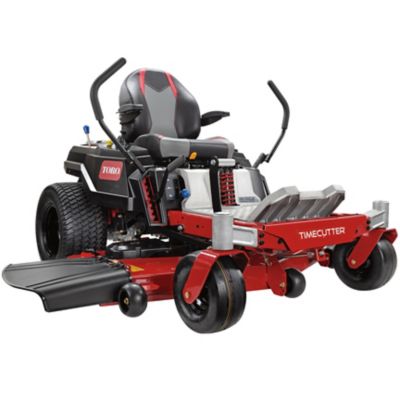
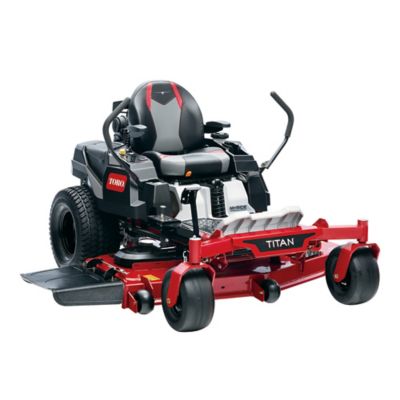
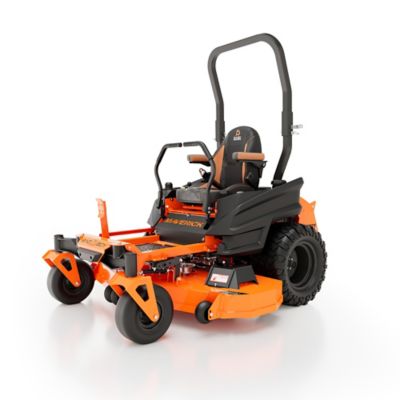
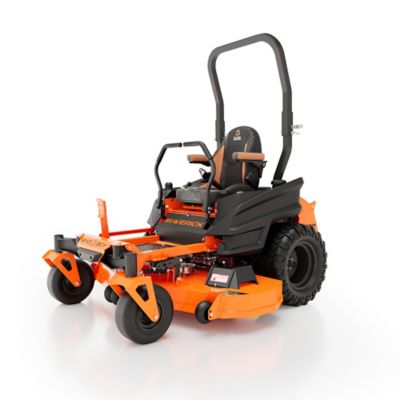
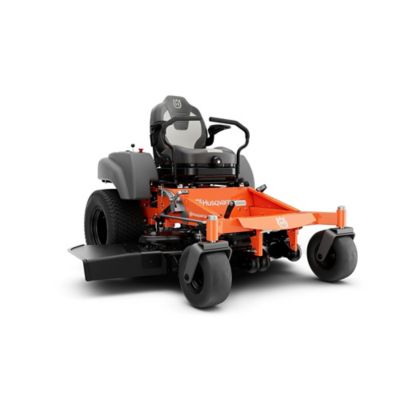
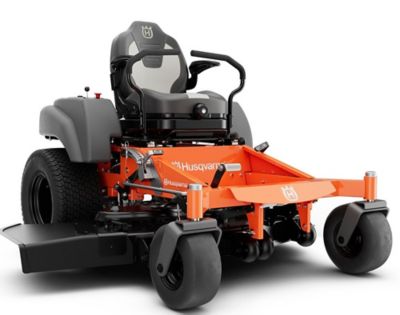
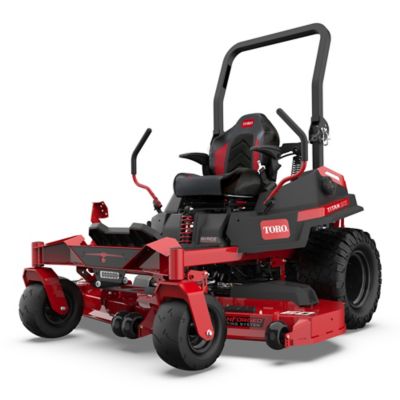
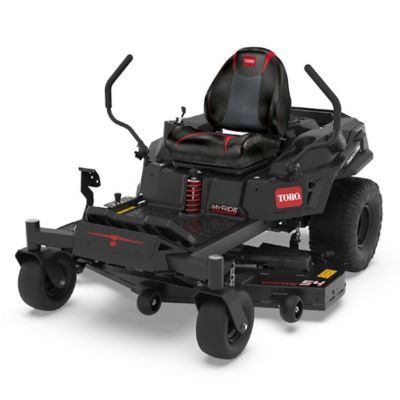
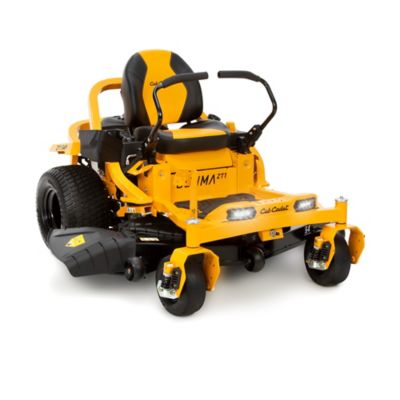
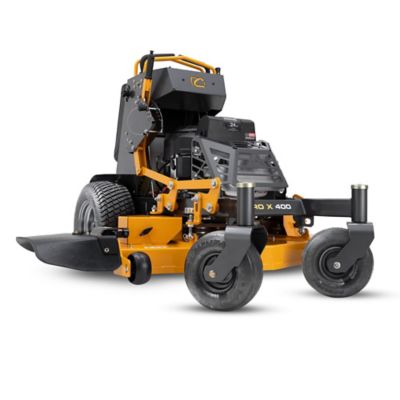
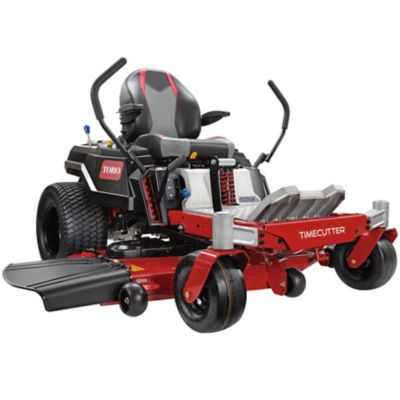
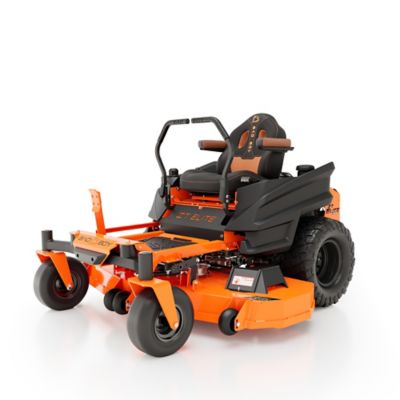
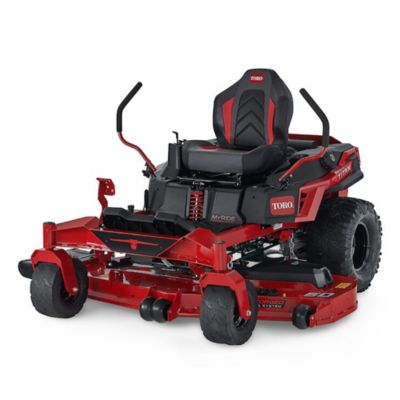
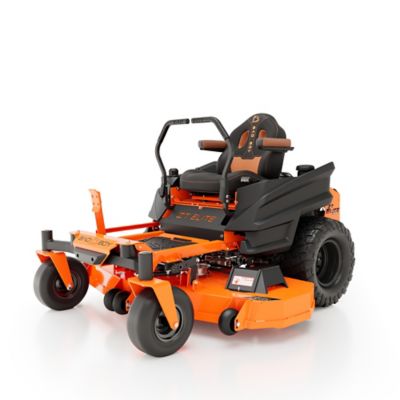
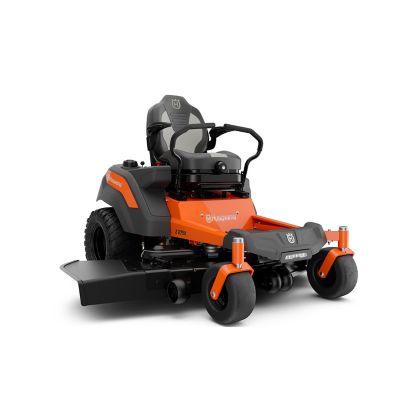
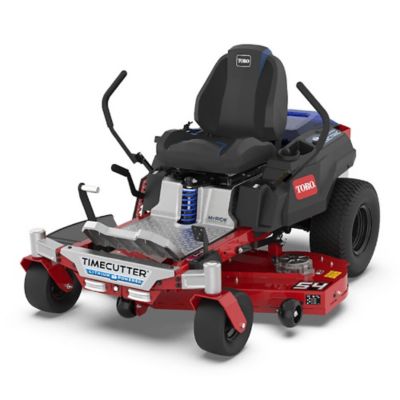
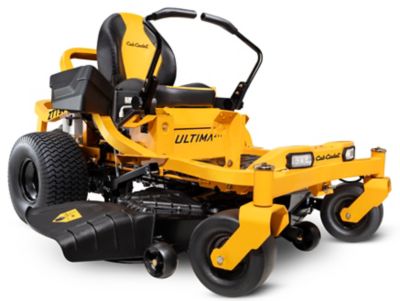
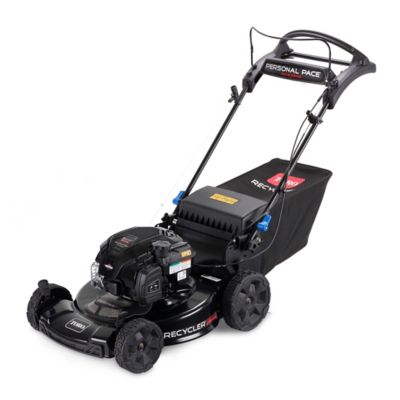
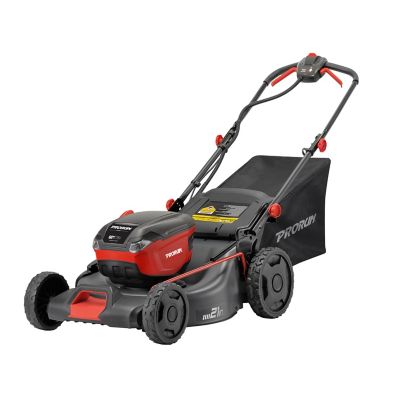
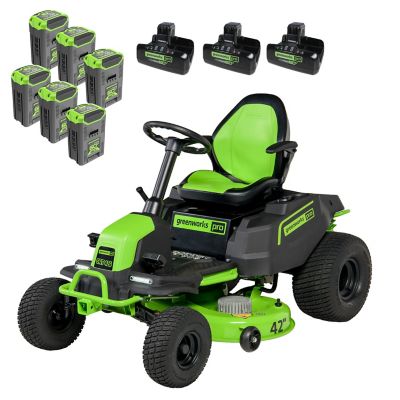
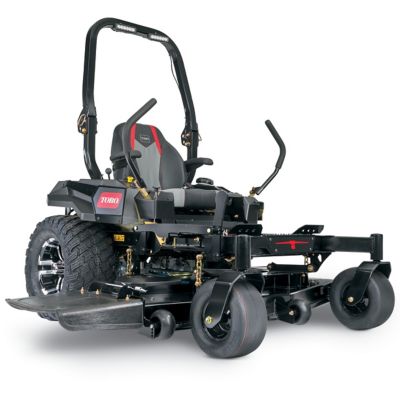
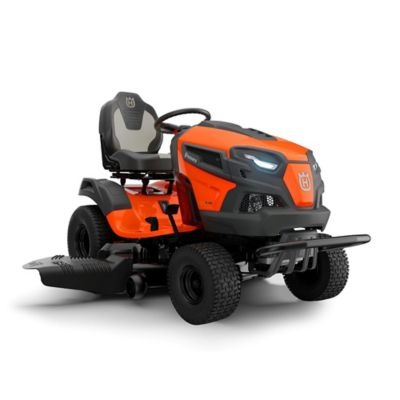
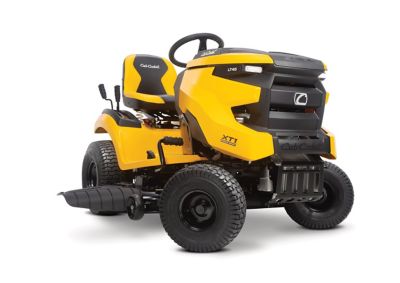
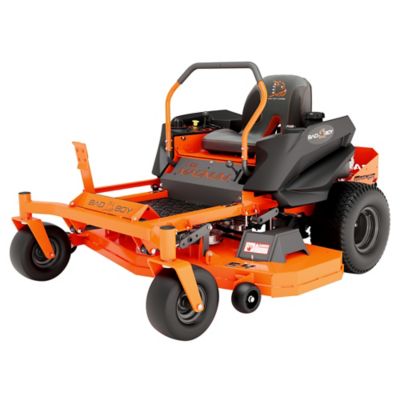
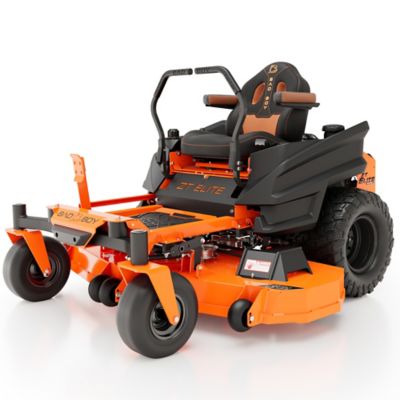
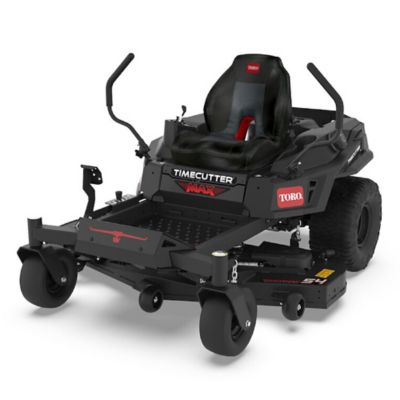
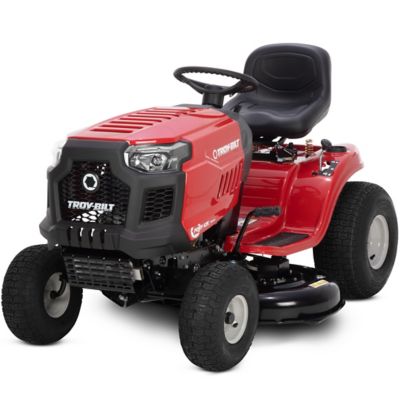
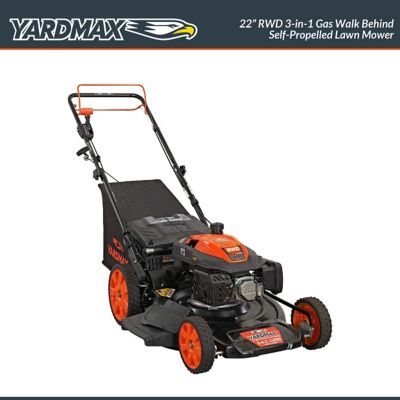
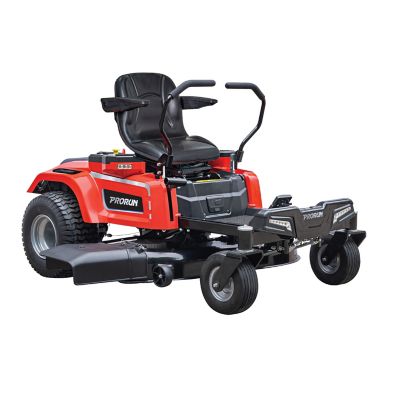
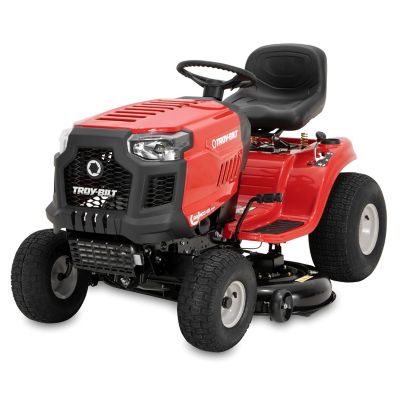
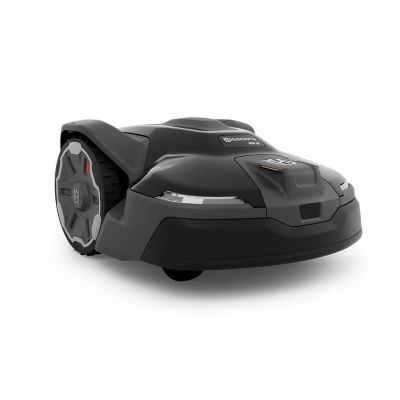
A lawn mower with suspension can make a noticeable difference when the ground is less than smooth. Instead of sending every rut, root, rock, and hidden dip straight through the seat, a suspension system helps absorb some of that movement before it reaches the operator. Depending on the mower, suspension may come from coil springs, shocks, a floating seat, an isolated operator platform, or a combination of these features. Some designs allow the seat to move with the terrain while the mower frame and cutting deck continue across the lawn, while others use suspension at the front or rear wheels to soften the ride. The goal is a steadier, more comfortable mowing experience, especially during long stretches behind the wheel. This can be helpful on large yards, acreage, uneven fields, and properties where tree roots or old pasture ground make a perfectly smooth ride impossible. It may also reduce the jarring impact felt in the back, hips, and shoulders, which is welcome when mowing takes an afternoon instead of a quick trip around a small suburban lawn. Suspension does not eliminate the need to slow down over rough ground, follow safe mowing practices, or maintain proper tire pressure, but it can help the machine handle everyday bumps with less harshness. For many rural property owners, a mower with suspension is a practical choice for keeping up with open lawns, lanes, pond edges, and grassy areas around barns or outbuildings without feeling every change in the terrain.
When comparing lawn mowers with suspension, start with the property and the kind of mowing you do most often. A smaller residential riding mower may be a good fit for a maintained lawn with a few uneven spots, while a larger zero-turn or heavy-duty riding mower may make more sense for broad acreage, frequent mowing, or ground that gets rough near fields and fence lines. Look at the suspension design, how much movement it allows, and whether the seat or operator platform can be adjusted for your height and weight. A comfortable seat with armrests, lumbar support, and a useful range of adjustment can matter just as much as the springs or shocks underneath it. Check the mower’s recommended terrain, cutting width, engine power, fuel capacity, and turning radius as well. A wide deck can cover more ground in fewer passes, but a narrower deck may be easier to maneuver between trees, garden beds, sheds, and gates. Zero-turn steering can help trim around obstacles and finish a big lawn efficiently, while a traditional riding layout may feel more familiar for general yard work and towing light attachments. If the property includes slopes, wet areas, or loose soil, pay close attention to tire tread, braking, stability, and the manufacturer’s operating recommendations. Some shoppers also compare traction-focused features such as a locking differential; for another way to narrow down options for challenging ground, see
Lawn Mowers With Differential Lock. Before making a choice, measure gates and storage areas, consider where the mower will be parked, and make sure there is room to safely turn, clean, and service it. Suspension can improve comfort, but a mower that fits the yard, shed, and workload will serve you better over the long haul.
A lawn mower with suspension can be a worthwhile upgrade for homeowners who mow several acres, caretakers managing shared grounds, and anyone whose property has the kind of rolling, bumpy terrain that makes a rigid mower tiring to operate. It may also be a thoughtful gift for a family member who takes pride in keeping the homestead, hunting cabin, church grounds, or rural rental property looking neat. The best match depends on who will use it, how often they mow, and whether comfort, speed, maneuverability, or all-around utility matters most. Think about the full mowing routine: pulling the machine from storage, crossing gravel or packed soil to reach the grass, working around trees and posts, emptying clippings, and putting it away when the job is done. Features such as an easy-to-adjust seat, accessible controls, a cup holder, a sturdy frame, and a deck that can be cleaned without a hassle can make a busy day feel much simpler. During the warmer part of the growing season, suspension can help take the edge off repeated passes across hard or uneven ground; as cooler weather arrives and leaves begin to gather, a comfortable mower remains useful for final cuts and general property cleanup. Keep blades sharp, grease and inspect moving parts as recommended, clear debris from the deck, and check the suspension hardware for wear before putting the mower through another long job. Store it under cover when possible, use the proper fuel and oil, and follow the owner’s manual for maintenance and safe operation. With the right size and setup, a suspended mower can turn a rough ride into a smoother routine, helping you maintain open lawns and out-of-the-way grassy areas with less fatigue from the first pass to the last.