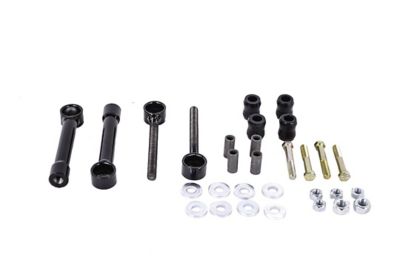
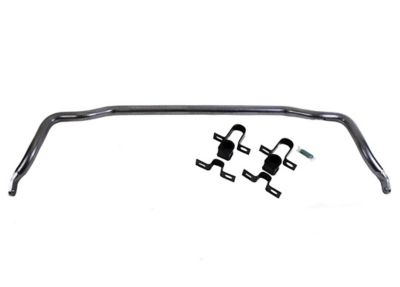
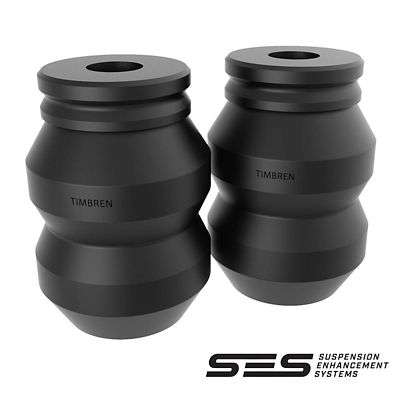
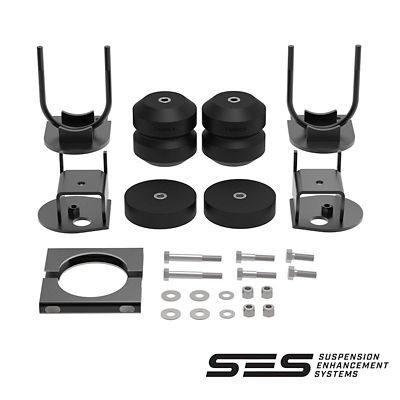
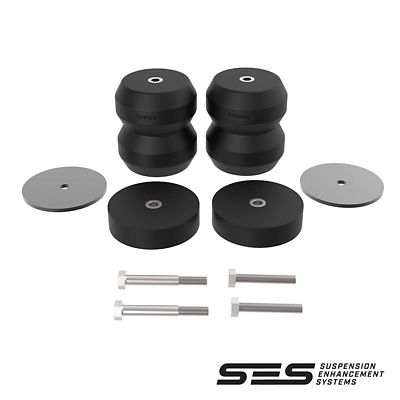
Car suspension kits bring together components that support a vehicle, manage wheel movement, and help keep the tires in contact with the road. Depending on the kit, those components may include shocks, struts, coil springs, control arms, ball joints, bushings, mounts, and installation hardware. Springs carry the vehicle’s weight and allow movement over uneven pavement, while shocks and struts damp that motion so the body does not keep bouncing after a bump. A strut also serves as a structural part of the suspension, making the distinction between shocks and struts important when matching replacement parts. For a car that travels from a gravel lane to the highway every day, the right setup balances ride comfort, steering response, and clearance for the roads ahead. Original-equipment-style replacement kits are intended to bring worn suspension systems closer to their factory behavior without deliberately changing ride height or handling characteristics. Performance suspension kits emphasize body control and steering response, sometimes with firmer springs and dampers that make road imperfections more noticeable. Lowering kits reduce ride height by a specified amount, though that change can affect suspension travel, alignment, and clearance beneath the car. Coilover kits combine a coil spring and damper in one assembly; depending on the design, they may offer ride-height adjustment, damping adjustment, or both. Air suspension kits use air springs to support the vehicle, with height adjustment depending on the system’s compressor, valves, controls, and other equipment. Not every air suspension package contains a complete conversion system, just as not every front-end kit contains shocks or springs. Kit contents matter as much as the category name. A car with loose steering and worn control-arm bushings has different needs from one with leaking struts, and replacing one group of parts will not necessarily address trouble elsewhere. These distinctions make suspension kits relevant to daily drivers, commuting households, weekend garage projects, and drivers seeking a more controlled feel on paved roads.
Fit starts with the car’s year, make, model, and trim, but those details may not tell the whole story. Engine size, drivetrain, body style, factory suspension package, and electronic damping equipment can all affect compatibility. Front and rear assemblies are not interchangeable, and some components are specific to the left or right side. Even two cars carrying the same model name may have different spring rates, mounting points, or axle-load requirements. A well-matched car suspension kit accounts for those differences rather than relying on appearance alone. Materials also influence how a suspension behaves and holds up over miles of movement. Steel commonly appears in springs, brackets, and control arms, while some designs feature cast or forged aluminum components to reduce weight. Rubber bushings help isolate vibration and road noise; polyurethane bushings can limit movement more firmly but may transmit more vibration and require lubrication where specified. Neither material is the right answer for every car or every driver. Coatings on metal parts help resist corrosion, while intact dust boots protect moving joints and damper rods from grit. For a car making regular runs into town, a setup close to factory specifications may suit everyday comfort better than a highly firm arrangement intended for performance driving. A lower stance can appeal to drivers seeking sharper responses, but steep driveway entrances, gravel-road ruts, and uneven pavement make ground clearance a practical concern. Taller or shorter ride height can also change suspension geometry, so any height change needs to stay within the kit maker’s stated application and adjustment limits. Wheel width, tire size, and wheel offset matter, too, because clearance must remain sufficient as the wheels turn and the suspension moves through its travel. Adjustable components offer flexibility, not automatic improvement; settings need to work together for the vehicle and its intended use. Suspension changes also do not increase the car’s rated payload or towing capacity. Those limits remain tied to the vehicle manufacturer’s specifications, regardless of a firmer feel or a different ride height.
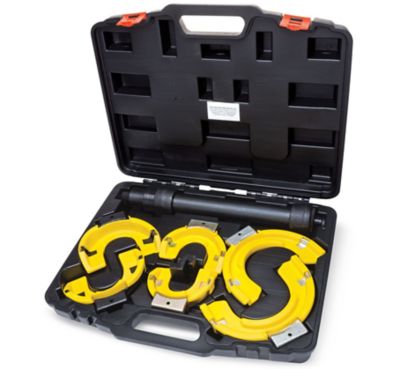
Long service life depends on sound construction, correct installation, and attention to the surrounding parts. A suspension assembly works through countless small movements, whether the car is crossing a bridge joint or rolling down a washboard lane. Worn mounts, damaged boots, loose fasteners, and binding joints can undermine the behavior of new components, which is why the condition of the complete system matters. Clunks, repeated bouncing, uneven tire wear, and a car that wanders can point to suspension trouble, but tires, steering components, wheel bearings, and alignment can cause similar symptoms. A proper diagnosis helps connect the kit’s contents to the actual repair instead of treating every rough ride as a shock problem. Installation demands vary considerably. Some packages contain individual parts that require transferring springs or mounts, while others contain assembled units that reduce certain assembly steps. Loaded springs store substantial energy, and suspension work calls for appropriate lifting equipment, secure vehicle support, and the correct tools. Professional installation makes sense when spring compression, electronic system integration, or extensive geometry changes are involved. Torque specifications and tightening procedures matter, including the specified suspension position when securing certain bonded-rubber bushings. After work that affects wheel geometry, alignment helps establish the proper tire angles; vehicles with relevant driver-assistance systems may also need checks or calibration according to manufacturer requirements. Brake hoses, wheel-speed sensor wiring, and nearby connections need sufficient clearance throughout steering and suspension movement. Brake service is a separate job, though related maintenance may involve
Brake Hardware Kits when the vehicle’s brake components call for attention. Ongoing suspension care generally centers on inspection for leaks, damaged protective boots, corrosion, and looseness, along with any lubrication or adjustment intervals specified for the components. Air systems bring additional checks for air lines, fittings, and compressor operation. For everyday travel or a carefully planned handling change, a suspension kit earns its place through compatibility and balanced performance: enough control to settle the car after a bump, enough travel for the road beneath it, and a fit that respects the rest of the vehicle.