Summer Lawn Fertilizers
Shop summer lawn fertilizers to help meet your grass’s feeding needs during the warmer months. Find lawn feeding options suited to your yard, and compare labels for grass type, application timing, and coverage before choosing. Follow watering directions and any heat-related precautions to plan your summer lawn care.
Best Of FAQ
What do the three numbers on summer lawn fertilizer mean?
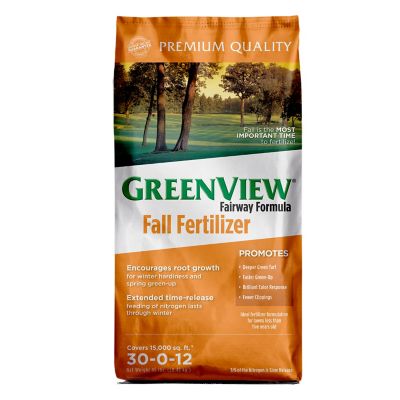
The three numbers show the percentages by weight of nitrogen, phosphate and potash, in that order. This is called the N-P-K ratio, and it gives you a straightforward way to compare fertilizer formulas.
What’s the difference between granular and liquid lawn fertilizers?
Granular fertilizers come as dry particles and are typically applied with a lawn spreader. Liquid fertilizers are applied with spraying equipment. Check the label for the application method and any mixing directions.
How does grass type affect a summer fertilizing schedule?
Warm-season grasses, such as bermudagrass and zoysiagrass, generally have their main growing season during warmer months. Cool-season grasses, such as tall fescue and Kentucky bluegrass, follow a different feeding calendar and may slow down in summer heat. Your local extension office can help you find a schedule for your grass and region.
Is lawn food the same thing as lawn fertilizer?
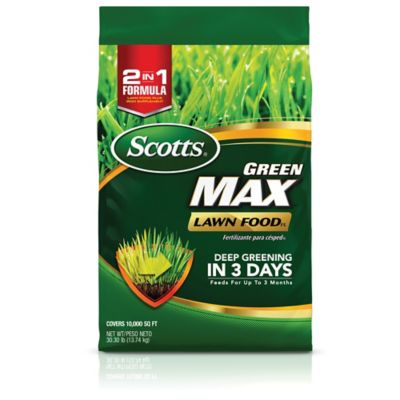
Lawn food is a common name for lawn fertilizer, rather than a separate product category. When comparing bags or bottles, look at the nutrient analysis and label directions instead of going by the name alone.
What information should I have before choosing a summer lawn fertilizer?
Start with your grass type, a recent soil test and a record of earlier fertilizer applications. A soil test can show soil pH and nutrient levels, giving you a starting point for choosing a formula. Local lawn-fertilizer rules may also shape your options and timing.
Best Sellers
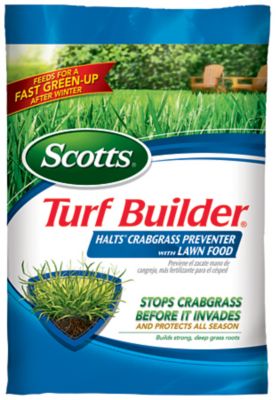
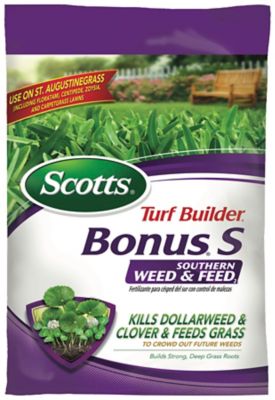
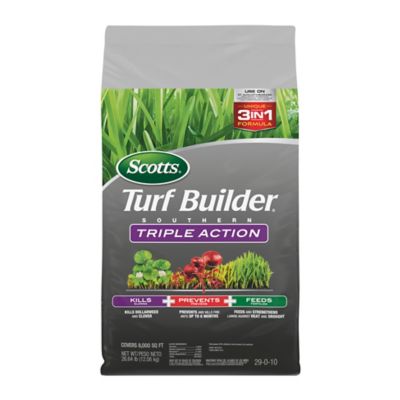
-
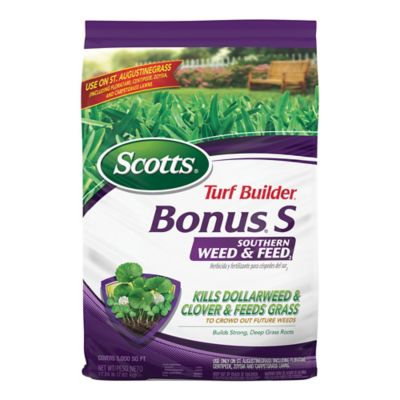
"Absolutely love this product! I apply it to my St. Augustine in Jax every year"
-
"Great product. Best we've used for our garden as are all Bayer products"
-
"Great product. Best we've used for our garden as are all Bayer products"
-
"This is the best fertilizer I have ever used and would recommend to anyone"
-
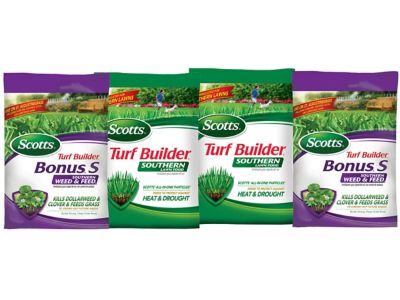
"I only use Bonus S when I fertilize it is great stuff my lawn is the best on the block"