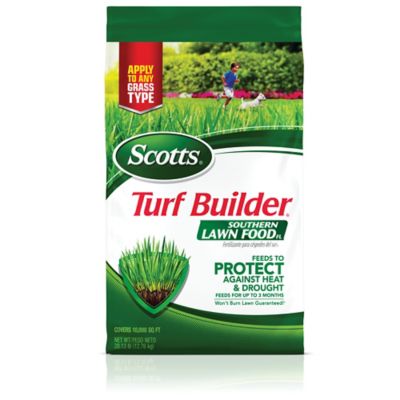
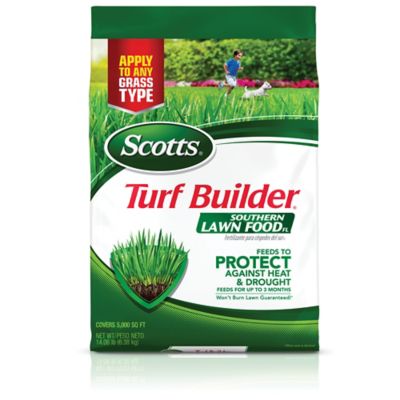
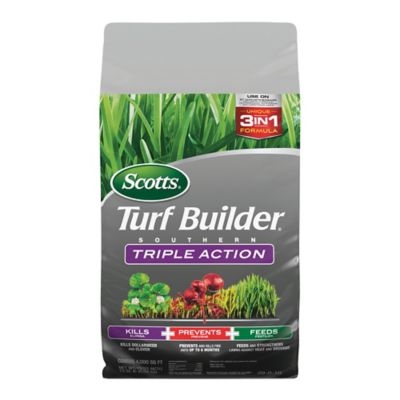
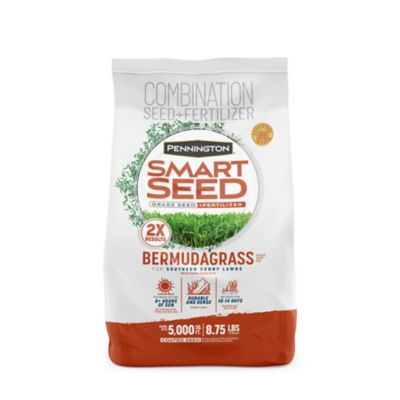
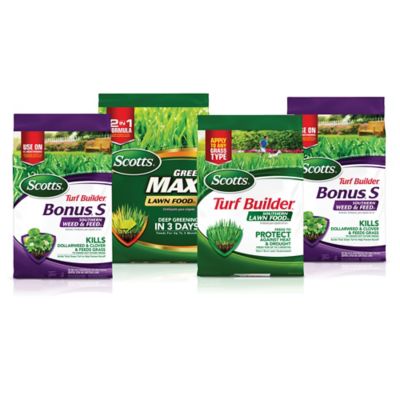
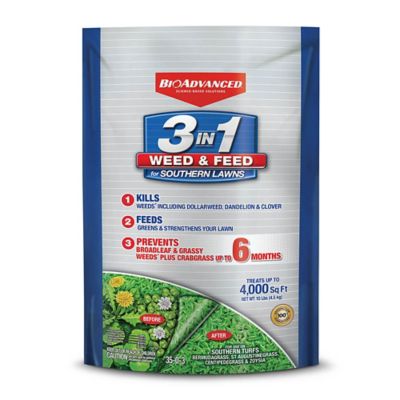
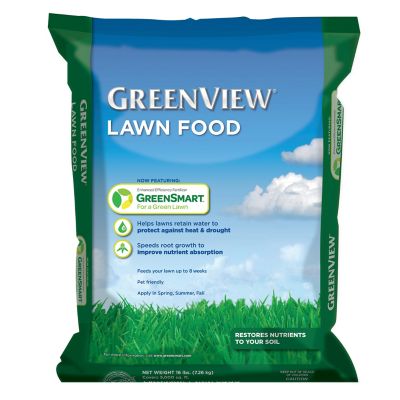
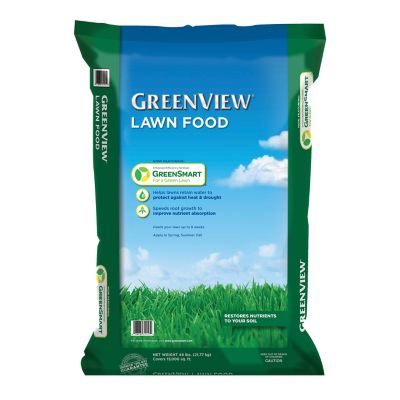
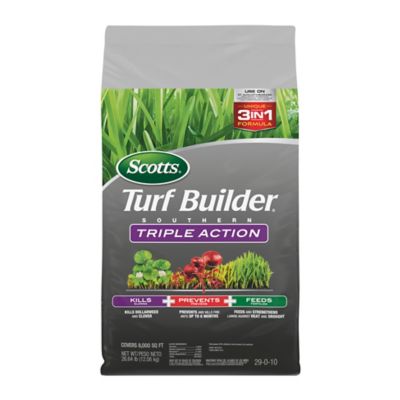
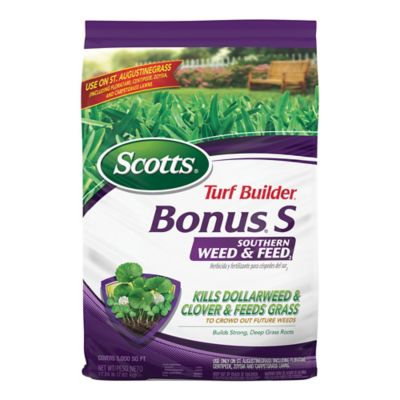
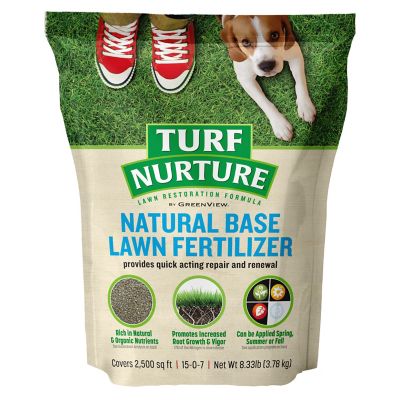
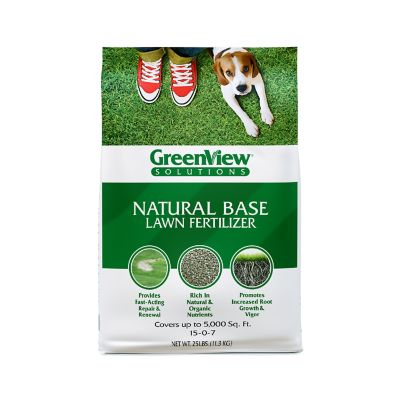
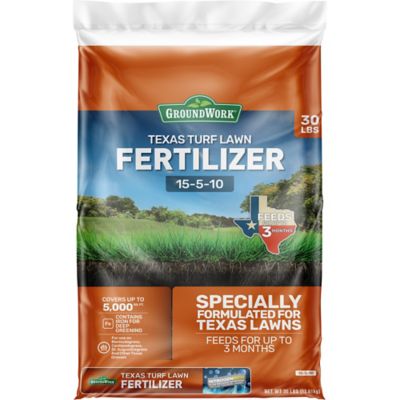
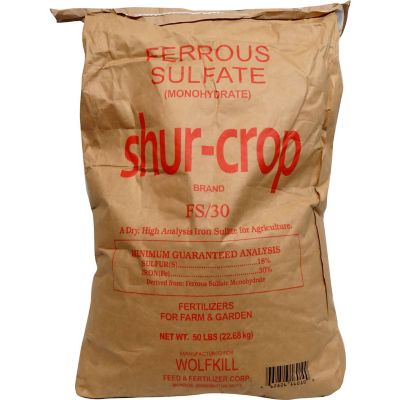
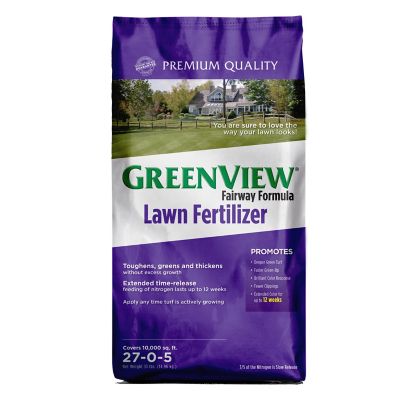
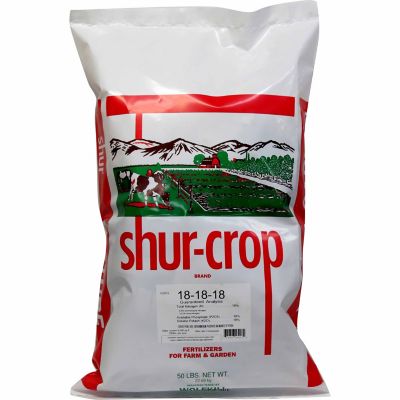
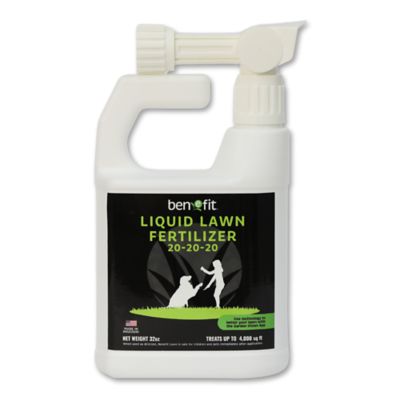
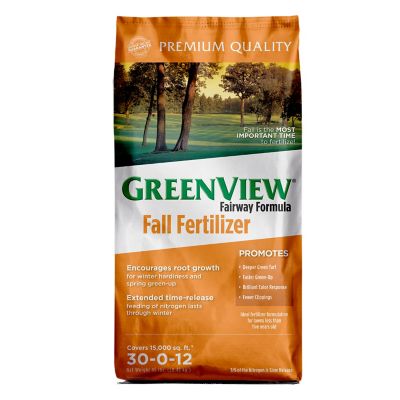
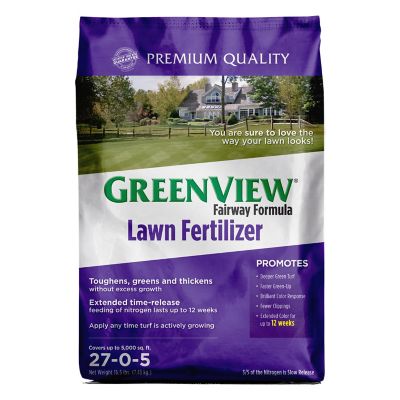
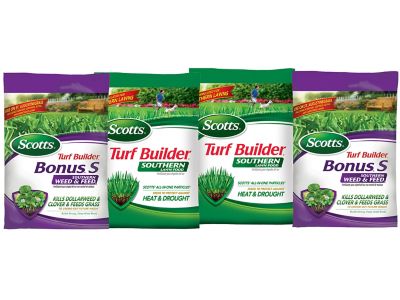
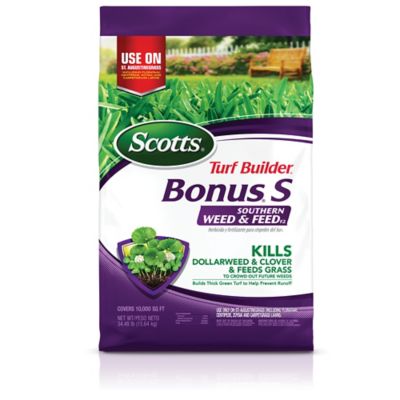
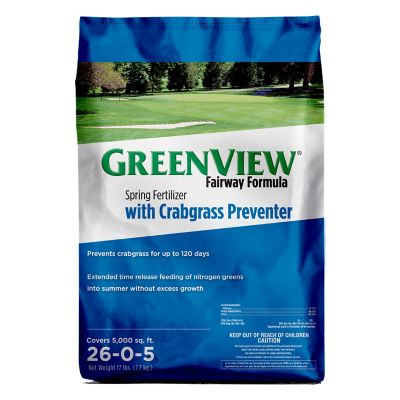
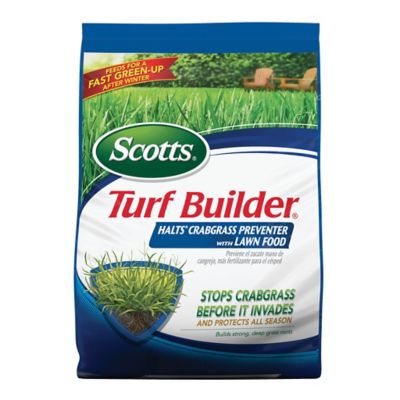
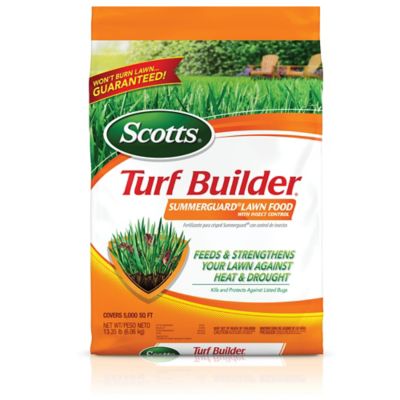
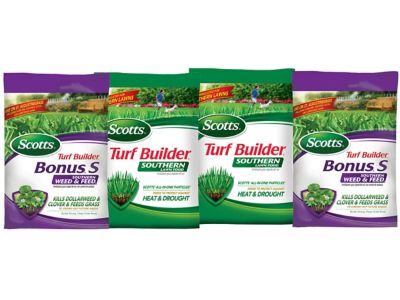
Southern lawn fertilizers are made with the needs of warm-season grass in mind, making them a practical choice for yards across much of the South. St. Augustine, Bermuda, Zoysia, Centipede and Carpetgrass all grow best when the weather is warm, but each variety has its own preferences for feeding, mowing height, sunlight and moisture. A lawn that looks thick and green during the growing season is usually supported by more than regular mowing. It also needs the right nutrients at the right time, especially when hot days, heavy rain, foot traffic and drought have taken a toll. Lawn fertilizer can supply nutrients such as nitrogen to encourage green color and steady growth, while other formulas may support root development or help the turf recover from everyday wear. Before choosing a bag, identify the grass growing in your yard and check the label to make sure the product is approved for that variety. This matters with combination products that include weed control, since a formula made for St. Augustine, Centipede, Zoysia or Carpetgrass may not be suitable for Bermuda. It also helps to consider whether the lawn is sunny or shaded, established or newly planted, sandy or clay-heavy, and whether it has been stressed by dry weather. A basic soil test can reveal whether your ground needs more than nitrogen, and it may prevent adding nutrients your lawn does not need. Granular fertilizer is a familiar choice for homeowners who like to treat a broad stretch of grass with a broadcast or drop spreader. Many all-purpose lawn formulas are designed to feed for several weeks, with some providing nutrition for up to two or three months depending on the release rate, weather and turf conditions. Slow-release and organic-based options can offer a gentler, steadier feeding pattern, which is useful when grass is growing through periods of heat or when you want to reduce the chance of a quick flush of growth. That slower growth can mean fewer sharp swings between a pale lawn and a yard that needs mowing every few days. Liquid formulas may be useful for spot treatment or quick coverage, but they require careful measuring and even application. Whichever type you choose, coverage is important. A bag might cover 5,000 square feet or another stated area, so measure the lawn before shopping and compare the application rate rather than judging a bag by its size alone. Applying too much can damage turf, stain hard surfaces or send excess nutrients toward storm drains and waterways.
Timing and application habits make just as much difference as the fertilizer itself. Warm-season grass should generally be fed while it is actively growing and fully green, rather than when it is dormant, severely wilted or struggling under extreme heat. During the warmer part of the season, wait for a stretch when daytime temperatures are below the product’s stated limit; many lawn-care recommendations call for avoiding applications when temperatures are consistently around 90 degrees or higher because heat-stressed turf is more likely to burn. As the weather eases into the cooler months, growth naturally slows, and the lawn may need less feeding than it did during its busiest growing period. Follow the label for the right season, amount and interval, and never assume that more fertilizer will produce a better lawn. Warm-season turf is often fed two to four times per year, with roughly six to eight weeks between applications, but the proper schedule depends on the grass type, region, soil and formula. Before spreading dry granules, mow if needed and clear away sticks, toys and pet dishes. Set the spreader according to the instructions, keep a steady walking pace, and make turns over the driveway or sidewalk instead of the grass to avoid heavy piles. Sweep stray granules from pavement back onto the lawn so they do not wash into drains. Many dry fertilizers need light watering after application to move the nutrients into the soil, while some slow-release formulas have different instructions, so use the label as the final word. Water deeply and less often when conditions allow, encouraging roots to move farther into the soil instead of staying near the surface. Avoid feeding drought-stressed or newly installed turf unless the instructions specifically allow it, and give treated areas the required time before children or pets return. Fertilizer-and-weed-control combinations can be convenient when active weeds such as clover or dollarweed are mixed through the lawn, but they should only be used when the listed grass and weed species match your yard. These products are not a cure for every bare spot or lawn disease, and they should not be spread over flower beds, vegetable gardens or ornamental plants unless the label permits it. Southern lawn fertilizers also make a useful housewarming gift for someone settling into a home with a patchy yard, especially when paired with a spreader, soil test kit, work gloves or a simple watering tool. For people starting grass from seed, fertilizer needs are different during establishment, so look for guidance and supplies in
Grass Seed Fertilizers and follow the directions for the seed and soil being used. With the right grass-specific formula, measured coverage and a little patience, a Southern lawn can come through hot, demanding weather with stronger roots and a more even green color, then settle into the cooler season looking tidy, healthy and ready for the next flush of growth.