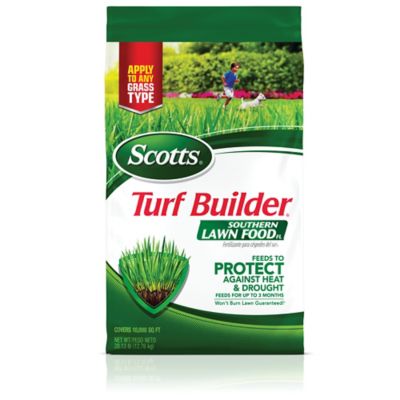
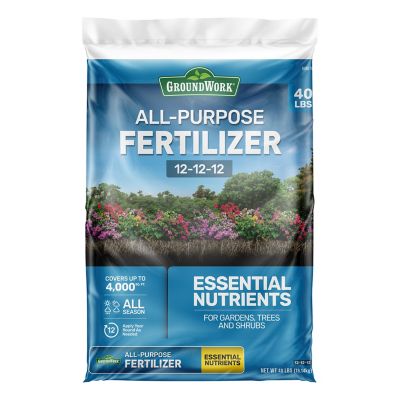
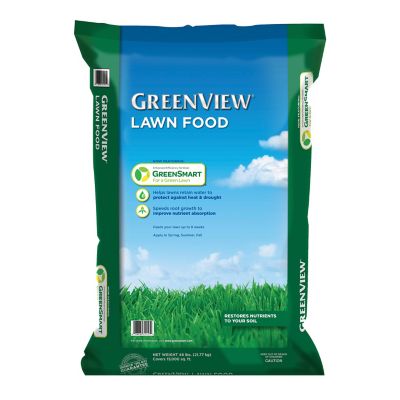
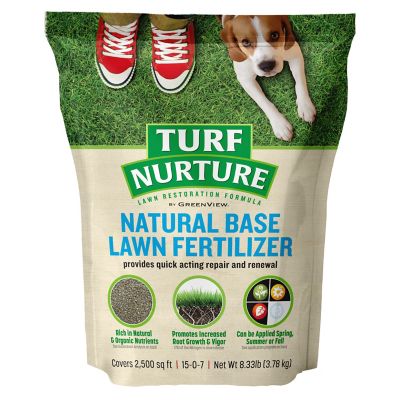
Summer Fertilizers
Find summer fertilizers for your lawn and garden’s warm-weather feeding needs. Compare nutrient ratios and application directions to choose an option that fits what you’re growing, and check the label for guidance on timing, application rates and watering.
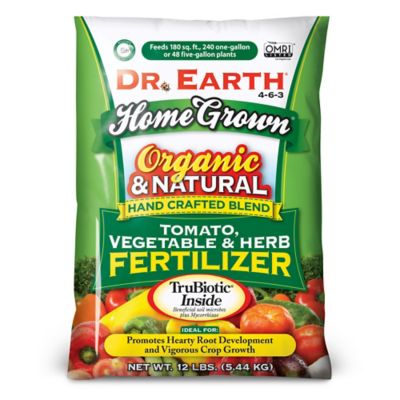
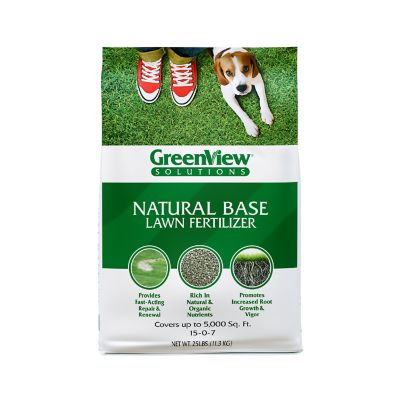
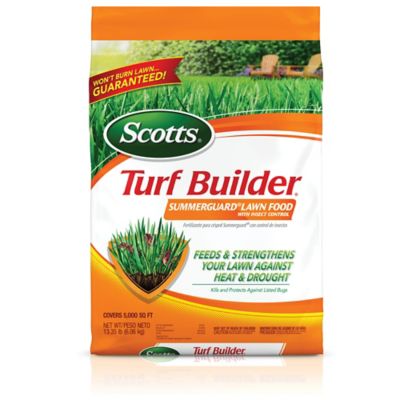
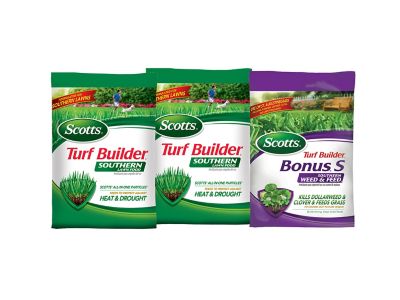
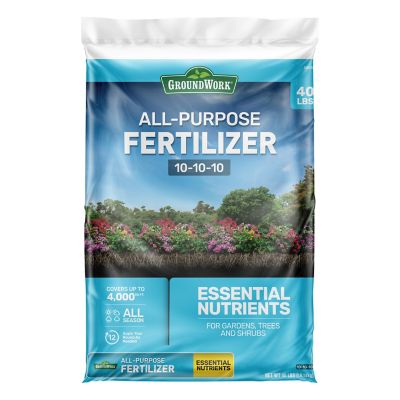
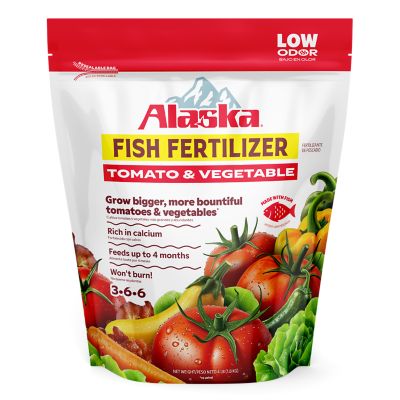
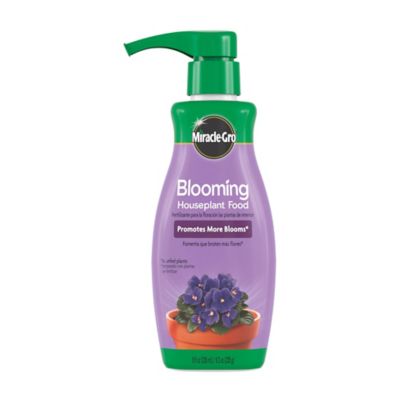
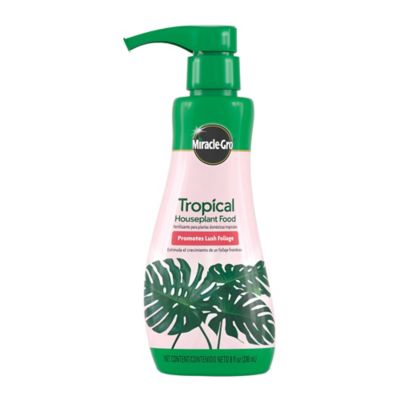
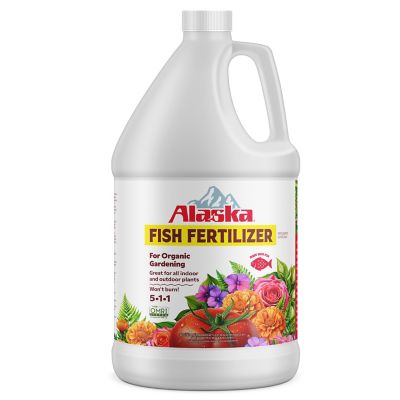
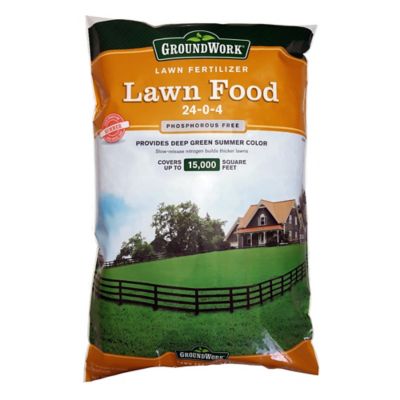
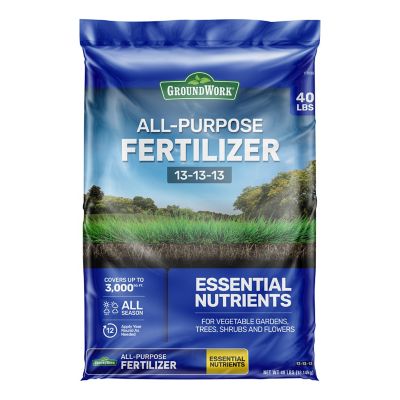
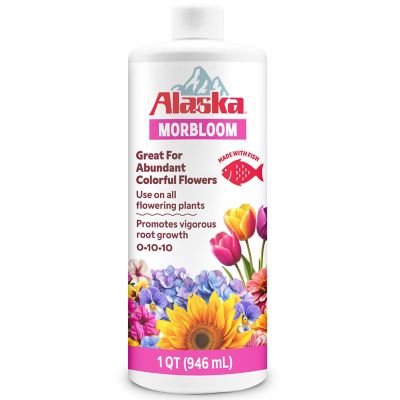
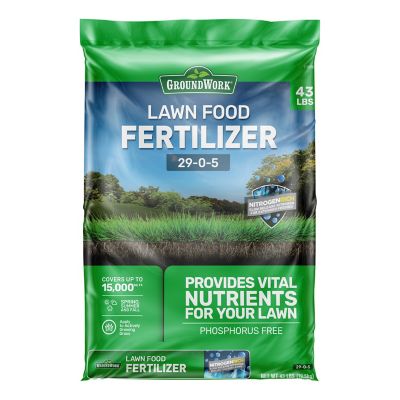
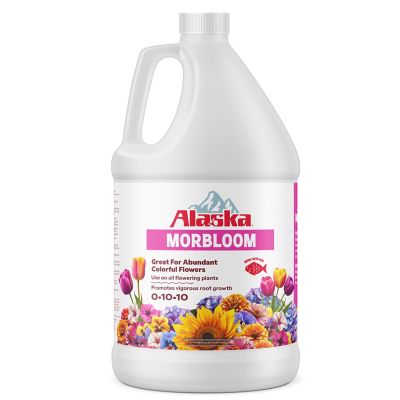
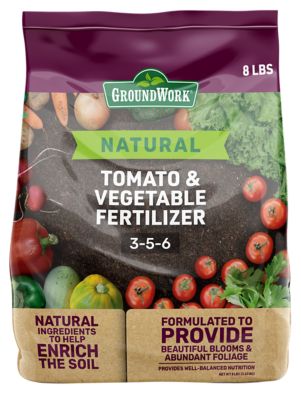
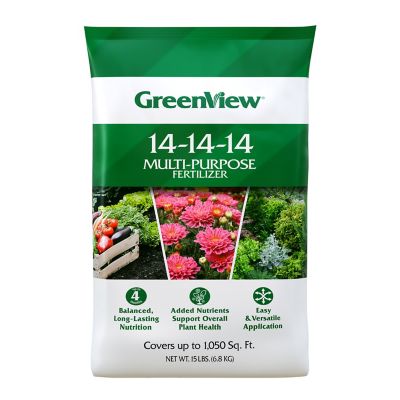
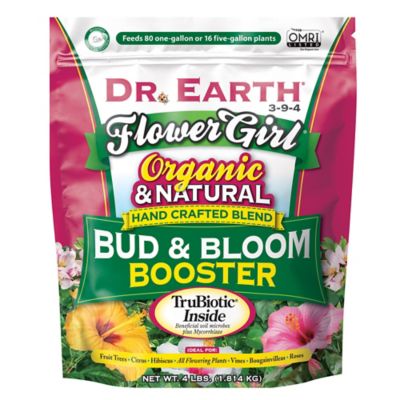
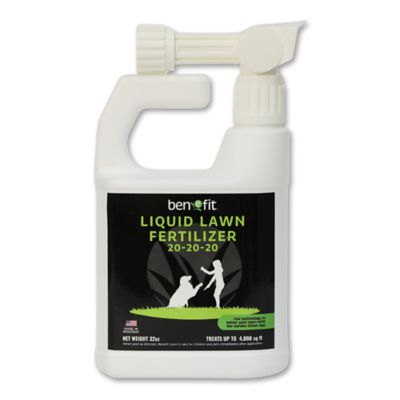
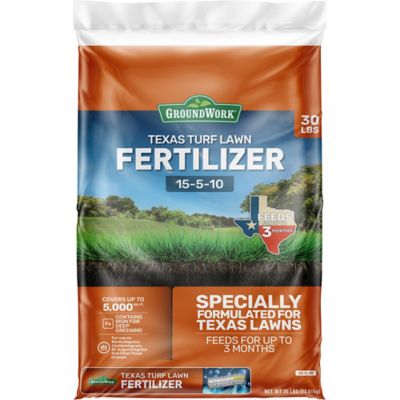
Best Of FAQ
What do the three numbers on a summer fertilizer bag mean?
The three numbers show the percentage of nitrogen, phosphorus and potassium, in that order. This is called the N-P-K ratio, and it helps you compare nutrient blends for your lawn or garden.
What forms do summer fertilizers come in?
Common fertilizer forms include granules, liquids and water-soluble powders. Granules typically go down with a spreader, while liquids and dissolved powders are applied with watering or spraying equipment, depending on the label.
What does slow-release mean on a summer fertilizer label?
Slow-release describes a fertilizer that makes nutrients available gradually rather than all at once. It's a release type, not a nutrient ratio, so you'll still want to check the N-P-K numbers on the bag.
How are summer lawn fertilizers different from garden fertilizers?
Lawn fertilizers are labeled for turfgrass, while garden fertilizers may be labeled for vegetables, flowers or other garden plants. Their nutrient blends and application methods can differ, so start with the plant types listed on the label.
What's the difference between organic and mineral-based summer fertilizers?
Organic fertilizers generally get their nutrients from plant or animal sources. Mineral-based fertilizers get nutrients from mined minerals or manufactured compounds. These terms describe where the nutrients come from, rather than the season or plants they're meant for.
Best Sellers

-
"This product has year after year been the best at greening up and keeping my lawn healthy"
-
"Best product for best price"
-
"Love this stuff! Works like a charm. Will definitely turn your grass envy green"
-
"Great value for the dollar and the best for plants. Let's keep them growing"
-
"Fish fertilizer is always best for the garden"