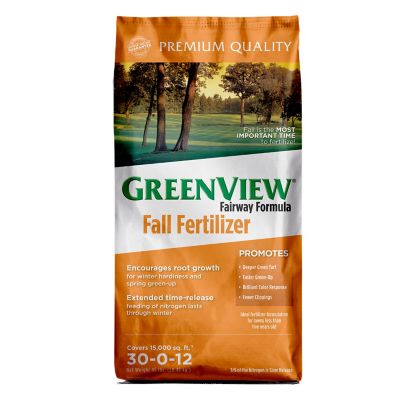
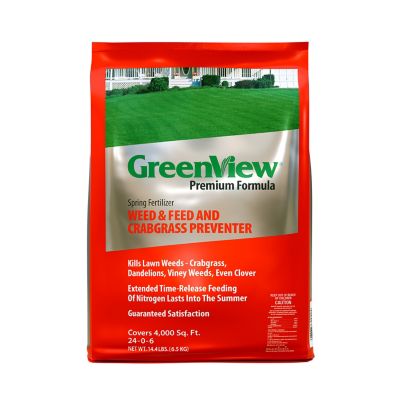
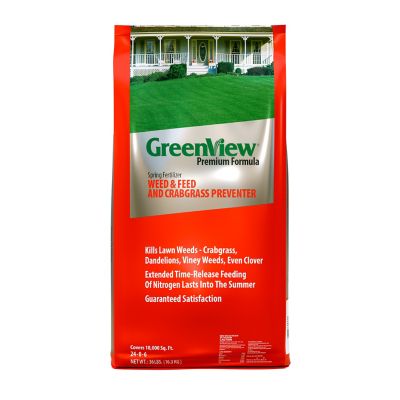
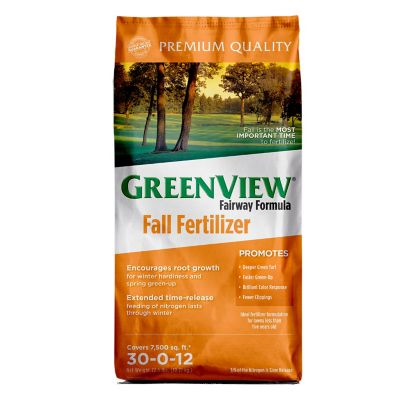
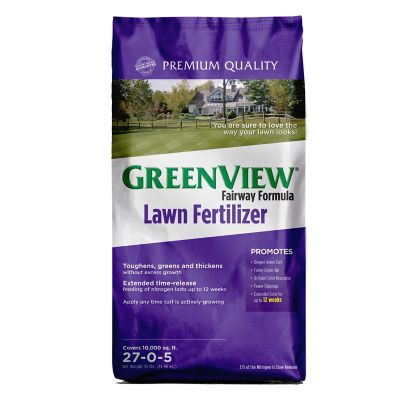
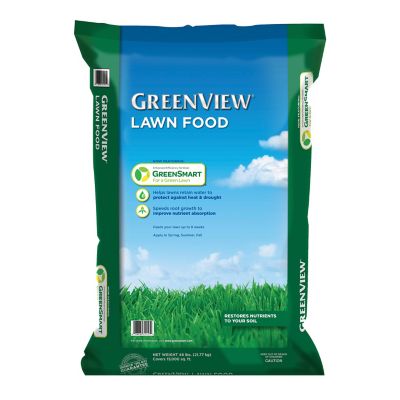
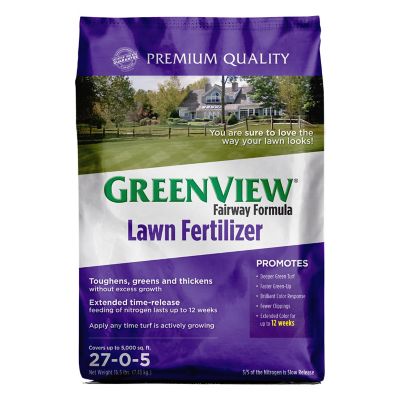
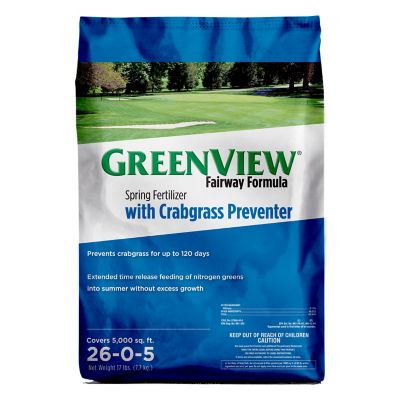
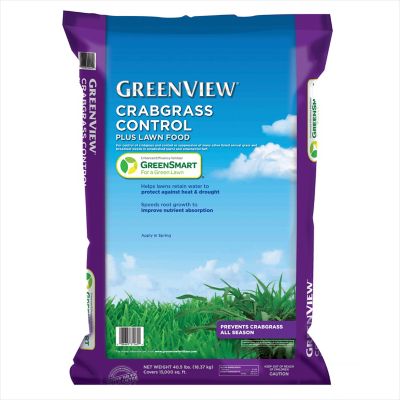
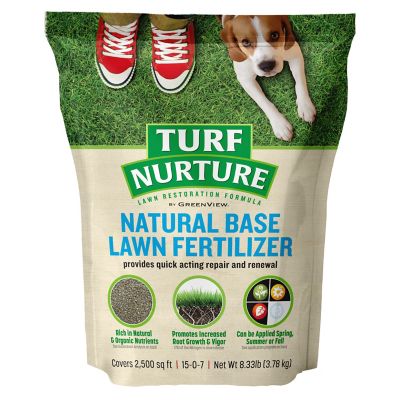
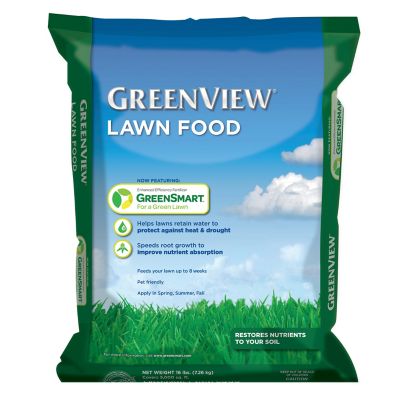
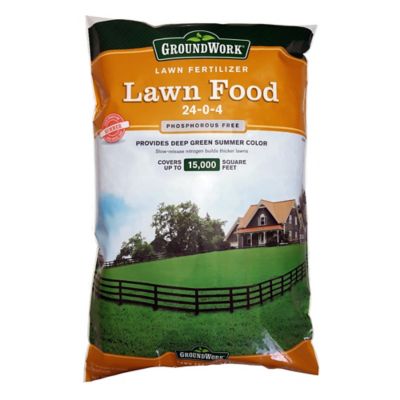
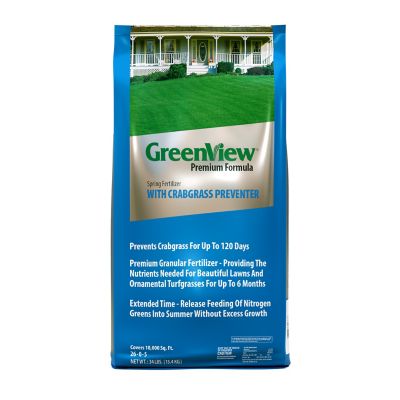
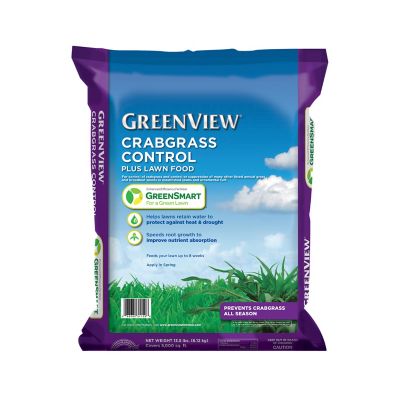
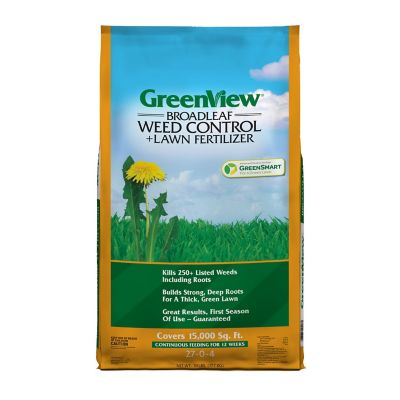
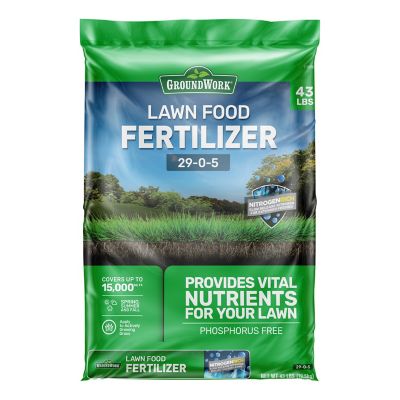
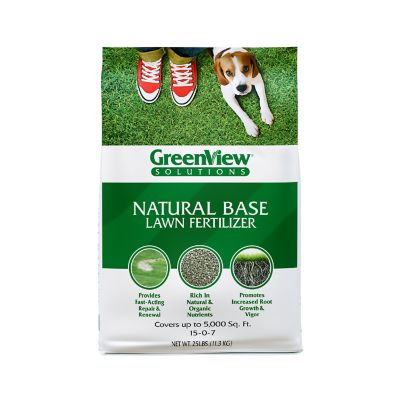
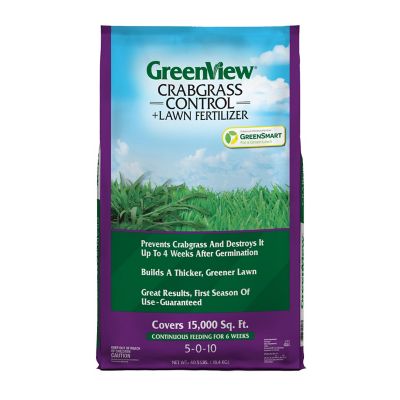
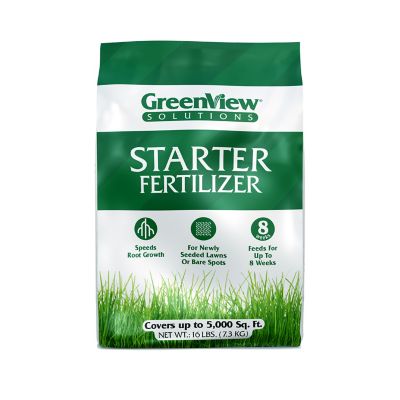
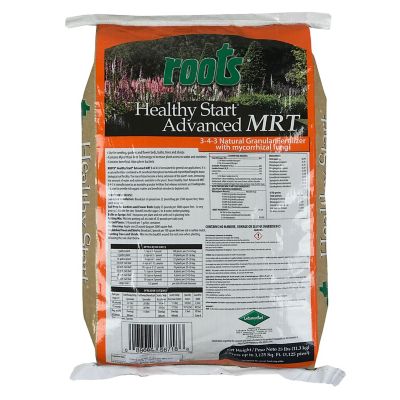
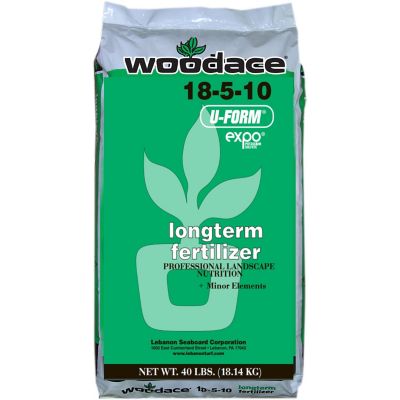
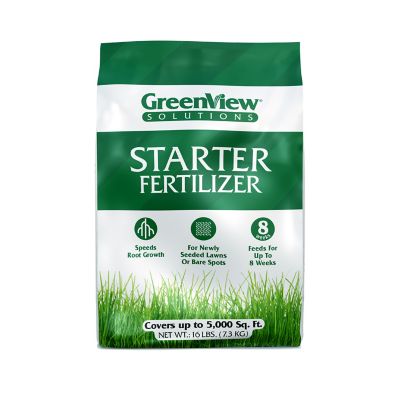
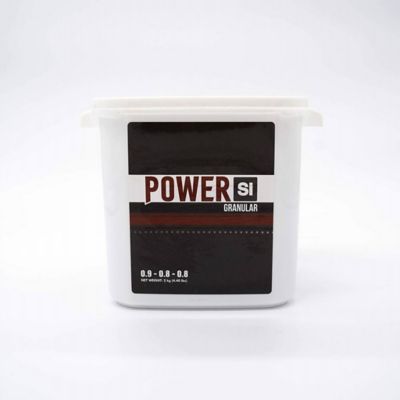
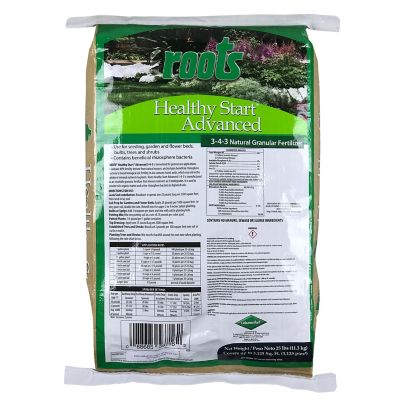
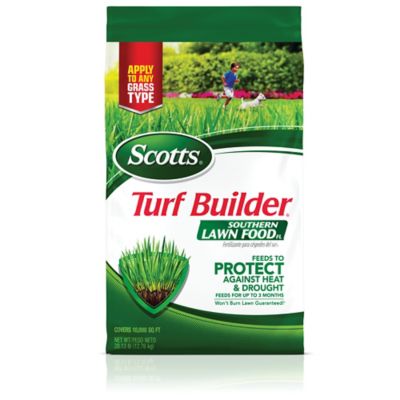
Slow-release lawn fertilizers feed grass gradually by making nitrogen available over time rather than delivering it all at once. That steadier nutrient supply can support consistent green color and growth without the sharp growth surge that sometimes follows a fast-release feeding. Many formulas are designed to feed for roughly two to four months, though the actual feeding period depends on the fertilizer’s composition, soil conditions, and labeled application rate. Some contain nitrogen granules with sulfur or polymer coatings that regulate how quickly nutrients move into the soil. Others contain slowly soluble nitrogen compounds or organic materials that soil microorganisms break down before grass can take up the nutrients. These approaches serve a similar purpose, but they do not work exactly alike, so the bag’s stated feeding duration and nitrogen information matter more than a broad claim of long-lasting feeding. A blend may also combine readily available nitrogen with a slow-release portion, giving grass an initial feeding followed by a longer supply. For a lawn stretching from the porch to the gravel drive, that can mean a more even-looking stand of grass with fewer sudden bursts of top growth. Gradual feeding may help keep mowing demands steadier, but it does not eliminate mowing or guarantee fewer cuts. The three numbers on a fertilizer bag describe its nitrogen, phosphate, and potash percentages. Nitrogen supports green color and leafy growth, phosphorus supports root development and other plant functions, and potassium helps grass manage stress. Those numbers do not, by themselves, tell how much nitrogen releases slowly; that information appears elsewhere on the label. A soil test helps show whether phosphorus or potassium is needed instead of leaving the decision to guesswork. Grass type matters, too. Tall fescue, Kentucky bluegrass, bermudagrass, and zoysiagrass have different feeding needs, and a lawn fertilizer should fit the turf it is intended to support. Established lawns and newly seeded areas may also call for different formulations, especially where phosphorus applications are restricted by local rules.
Choosing a slow-release lawn fertilizer also means matching the bag’s coverage and application directions to the space being maintained. The grassy area around a farmhouse can look larger than it measures, particularly when a driveway, vegetable patch, equipment shed, and planting beds break it into sections. Coverage figures refer to the lawn area treated at the labeled rate, not the entire property or the weight of the bag alone. Two bags of the same weight can cover different areas because their nutrient concentrations and recommended rates differ. That makes square-foot coverage, nitrogen content, and spreader settings useful points of comparison. Granular fertilizers commonly work with broadcast or drop spreaders, but the correct setting depends on both the fertilizer and the equipment. A broadcast spreader suits open stretches of turf, while a drop spreader offers tighter control near a walkway, garden edge, or narrow strip beside a fence. Even distribution matters: overlapping passes too heavily can leave dark bands or stressed patches, while missed strips may stay pale. Coated granules still require careful application, and slow release does not make an excessive rate harmless. Compared with an equivalent amount of readily soluble nitrogen, a slow-release portion can reduce the risk of fertilizer burn when the product is applied as directed, but concentrated piles and spills can still damage grass. Label directions also explain whether the application needs watering to move nutrients into the root zone. Soil moisture supports nutrient movement and microbial activity, so feeding duration should be treated as an estimate rather than a fixed countdown. Organic-based and synthetic formulations can both fit lawn care needs; the more useful distinction is their nutrient analysis, release mechanism, and suitability for the site. A lawn-only fertilizer supplies nutrients, while a fertilizer combined with weed-control ingredients has additional restrictions involving grass type, application timing, and nearby plants. Those differences matter around a lawn where children play, pets roam, or the grass borders flowers and vegetables. Reentry directions and any required watering should come from the label, not from an assumption that gradual feeding makes every formula suitable for every setting.
A well-matched slow-release fertilizer supports an ongoing lawn care routine rather than acting as a fix for every thin spot or brown patch. Grass beside a gate where boots and mower tires follow the same path may be struggling with compacted soil, not a shortage of nutrients. A shaded strip beneath a large tree may need a different grass choice or a change in expectations, while weeds can point to gaps in the turf that feeding alone will not close. Fertilizer works best where grass has enough light, room for roots, and suitable soil conditions. Gradual nitrogen release can help maintain a steady nutrient supply and, in some situations, reduce nutrient losses compared with a large dose of fast-release nitrogen. It does not remove the need for sensible application rates or careful placement. Granules belong on the lawn, not on pavement where they can move into a ditch or storm drain. Keeping fertilizer out of ponds, streams, wells, and livestock water areas is especially important on properties where the yard sits close to working land. Lawn directions should not be assumed to apply to a hayfield, pasture, or animal enclosure; those spaces need products and rates labeled for their intended use. Planting beds deserve the same attention. For shrubs along a porch, fence line, or property entrance,
Slow Release Fertilizers For Shrubs offers a separate category to consider rather than assuming the lawn formula fits every plant. Storage and handling matter as well: a tightly closed bag kept dry, in its original packaging, and away from children, pets, feed, and seed helps preserve clear directions and prevent mix-ups. Gloves, footwear, and other protection should follow the label, and application equipment should be cleaned according to its care instructions. With the right nutrient balance, manageable coverage, and a release period that fits the lawn’s needs, slow-release lawn fertilizers can support green, growing turf around the spaces where everyday life happens.