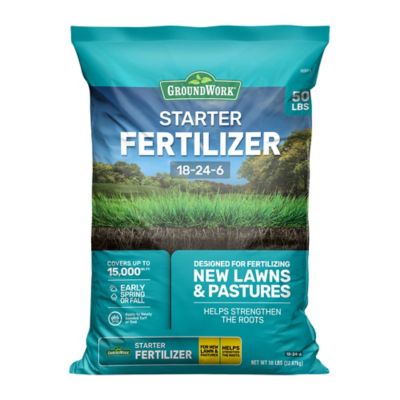
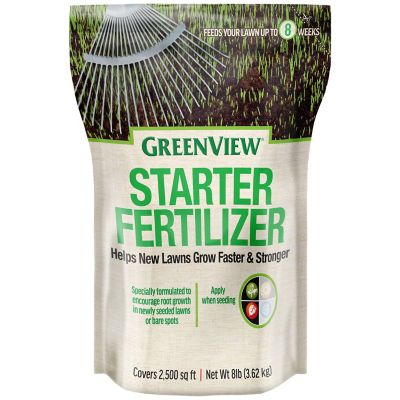
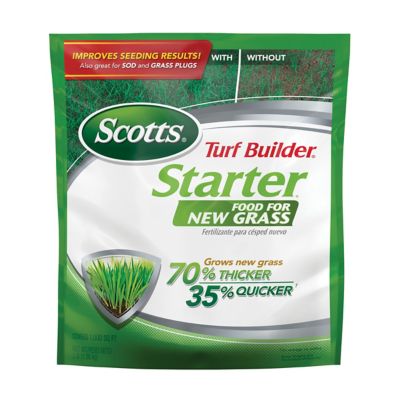
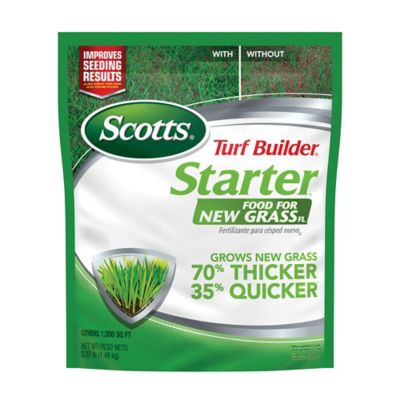
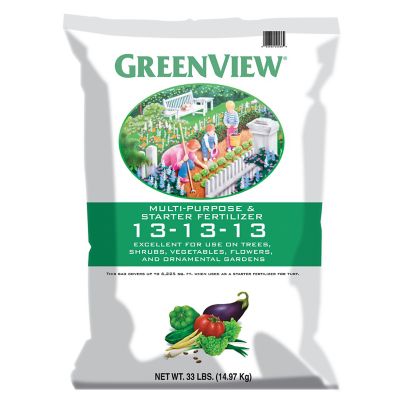
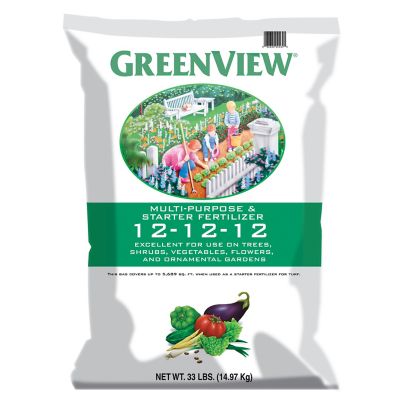
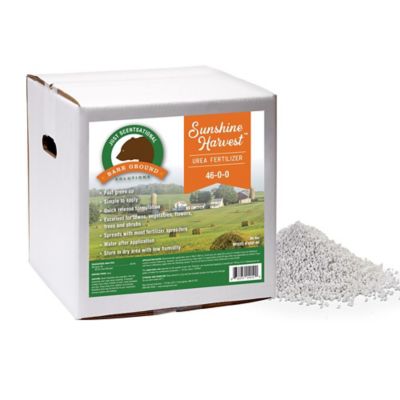
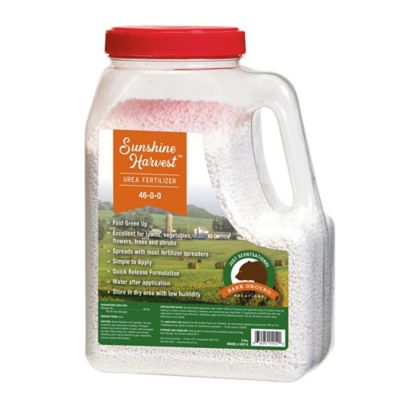
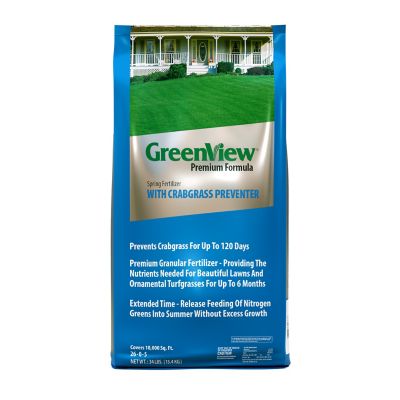
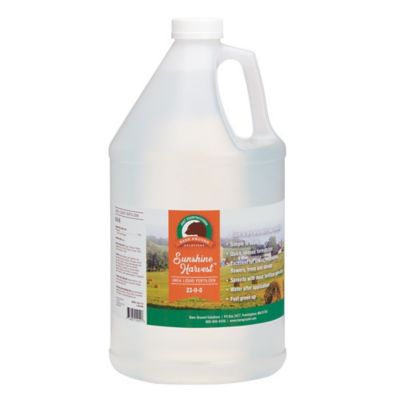
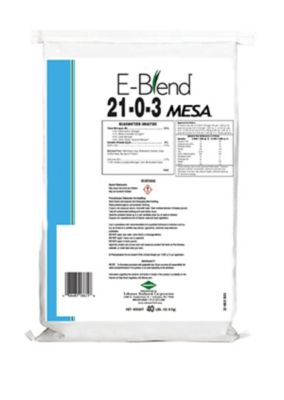
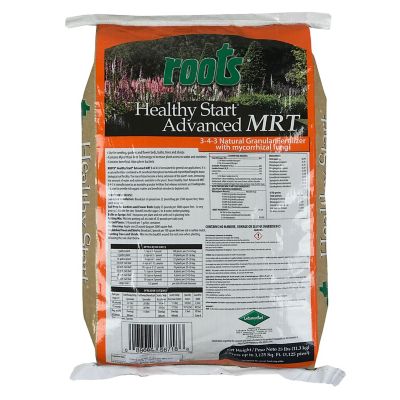
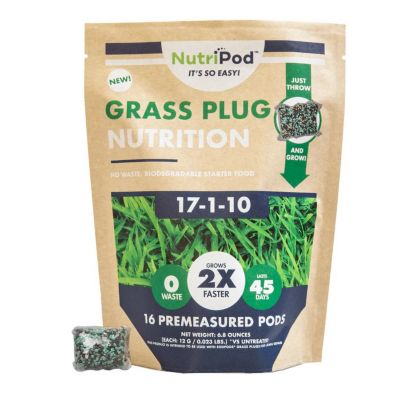
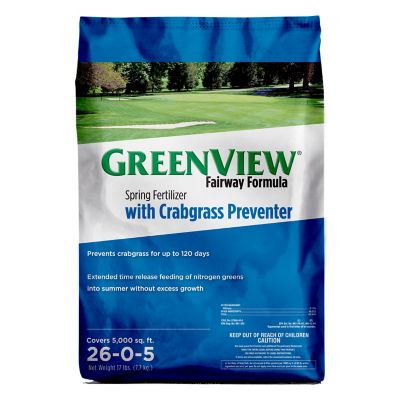
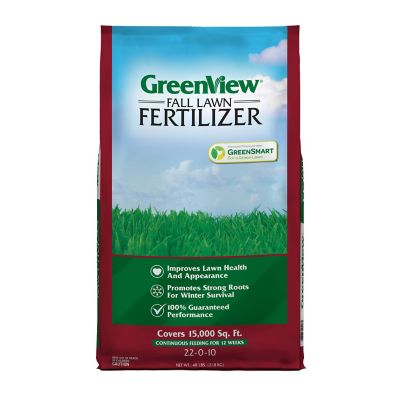
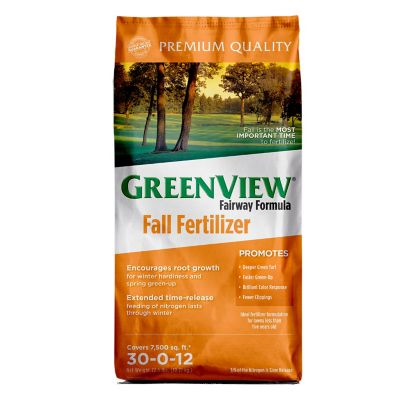
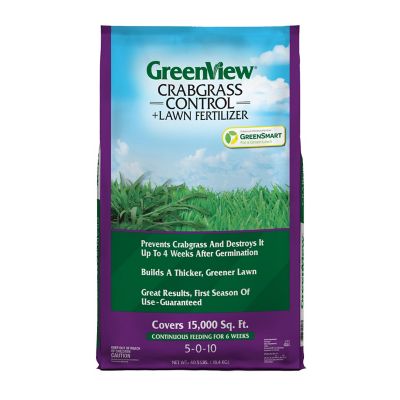
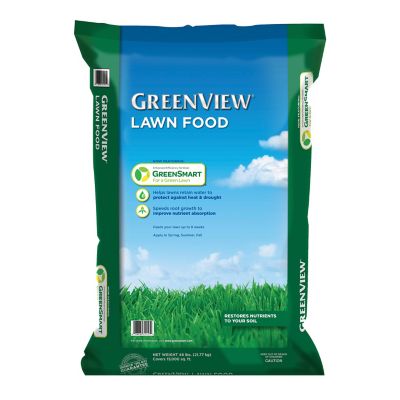
Lawn starter fertilizers provide nutrients for grass getting established from seed, sod, or plugs, as well as newly seeded areas within an existing lawn. Many starter formulas contain phosphorus to support root development, along with nitrogen for leafy growth and potassium for overall plant function. They differ from routine lawn fertilizers because their nutrient balance is intended for the establishment stage rather than ongoing feeding of mature turf. That makes them worth considering for a bare yard around a new home, a stretch of soil left after utility work, or thin grass that needs overseeding. The best fit depends on what the soil already contains, the grass being planted, and the directions on the fertilizer label. More phosphorus does not automatically mean better roots; soil that already has enough may not benefit from another application. A soil test provides a useful starting point by showing nutrient levels and soil pH, which affects how readily grass can take up nutrients. Local phosphorus restrictions also matter, since rules for new lawns and established turf can differ. The three numbers on a fertilizer label, often called the N-P-K analysis, show the percentages by weight of nitrogen, phosphate, and potash. Reading those numbers alongside the labeled application rate gives a clearer picture of the feeding program than a “starter” description alone. Fertilizer supports growing grass, but it does not replace viable seed, good seed-to-soil contact, suitable soil conditions, or sufficient moisture. A compacted strip beside a gravel lane and a freshly prepared front yard can need very different groundwork, even when both projects call for new grass. Starter nutrition is one part of helping those plantings take hold, not a shortcut around the conditions roots need. It also is not a substitute for selecting grass suited to the amount of sun, foot traffic, and maintenance the area will receive.
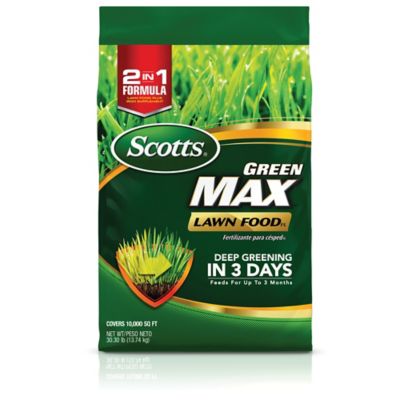
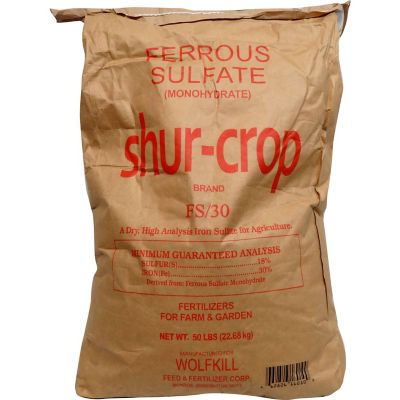
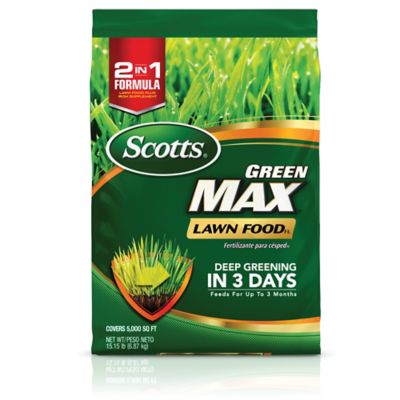
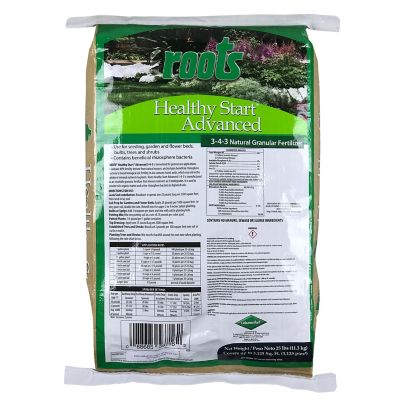
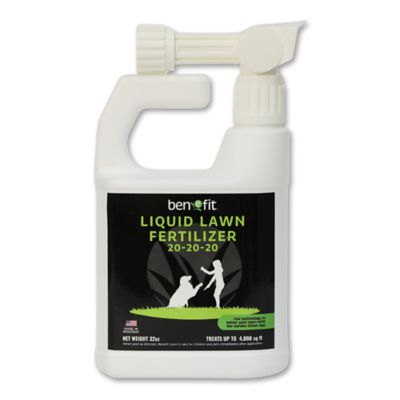
Granular and liquid lawn starter fertilizers offer different ways to deliver that nutrition. Granules fit projects where a broadcast or drop spreader can distribute fertilizer across the planting area. Their performance depends on an even application, the correct spreader setting, and any watering specified on the label. Liquid formulas may require dilution and application through compatible spray equipment, with coverage determined by both the concentrate rate and the amount of solution applied. Neither form is automatically better for every lawn; the practical choice often comes down to project size, equipment, and how comfortably the application fits into the planting work. A broad yard behind the house calls for different handling than a few repaired patches along a walkway. Coverage in square feet is especially helpful for comparing formulas, since bag weight or container size alone does not show how much lawn a package will treat. The relevant measurement is the grass area receiving fertilizer, not the full property acreage, including the house, driveway, garden, and outbuildings. Nitrogen sources deserve attention, too. Readily available nitrogen can support early growth, while slow-release nitrogen supplies part of the feeding over a longer period, depending on its source and soil conditions. Some formulas combine both. Mineral-based and naturally derived nutrient sources can each have a place, but neither description removes the need to follow the application rate. Added iron or other micronutrients may address particular needs, though extra ingredients are not necessarily helpful in every soil. When comparing related
Grass Seed Fertilizers, label compatibility with the planting project matters just as much as nutrient content. A fertilizer containing weed-control ingredients is not automatically suitable for new seed. Many weed preventers interfere with grass establishment, so any combination formula needs explicit label directions permitting the intended seeding use. Matching the fertilizer to the seed, sod, or overseeding project helps keep the feeding plan from working against the planting itself.
The setting around the lawn helps narrow the choice further. New sod needs close contact with the soil beneath it, and starter fertilizer cannot make up for gaps, dry edges, or poor rooting conditions. Overseeding adds another consideration: existing grass receives the fertilizer along with the new seedlings, so the total nutrient application needs to suit both. Repeatedly feeding a stubborn bare patch is unlikely to solve shade, drainage, traffic, or soil compaction problems. For a farmhouse yard where children play, a fenced area near pets, or grass bordering a pond, application restrictions and placement deserve as much attention as the fertilizer analysis. Product labels explain any limits on access after application, including whether watering or drying is required before people or animals return. Moisture needs also differ between germinating seed and newly laid sod, so fertilizer watering directions belong alongside the care requirements for the grass itself. Heavy applications can injure young growth, and overlapping spreader passes can leave uneven feeding across the yard. Even distribution matters more than adding extra fertilizer in hopes of faster results. Keeping granules off driveways, sidewalks, and other hard surfaces also helps prevent nutrients from washing toward a ditch or drain. Any setback requirements around water should remain part of the product choice, especially on properties with ponds, creeks, or drainage channels. Between applications, fertilizer belongs in its original labeled container, closed and stored as directed, away from children, animals, feed, and food. Dry storage helps granular material stay free-flowing, while liquid products have their own storage requirements on the label. Spreading and spraying equipment also needs cleaning according to its manufacturer’s directions so residue does not interfere with the next job. For homeowners maintaining a small front lawn or tackling a larger reseeding project, a suitable lawn starter fertilizer pairs the needed nutrients with manageable coverage and a practical application method. The goal is steady establishment and a well-rooted stand of grass, with feeding that matches the soil rather than simply adding more.