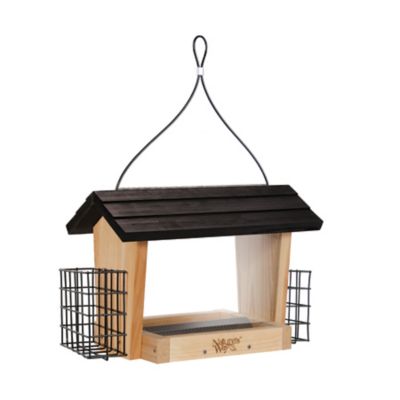
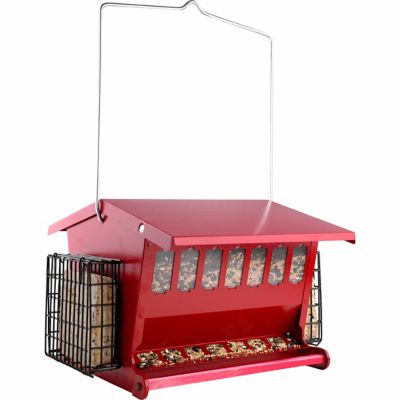
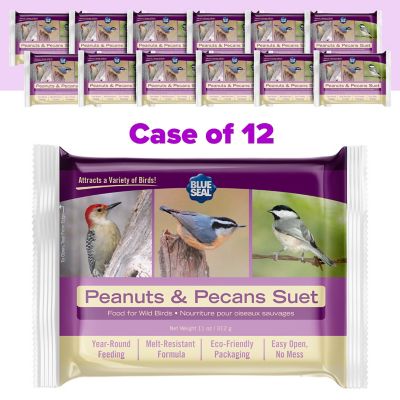
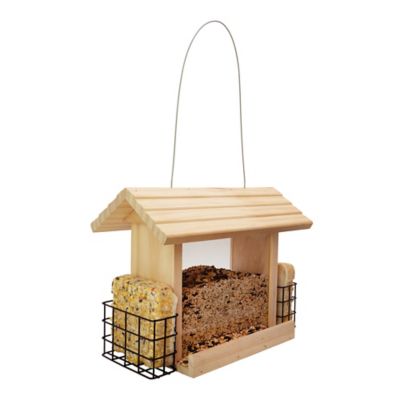
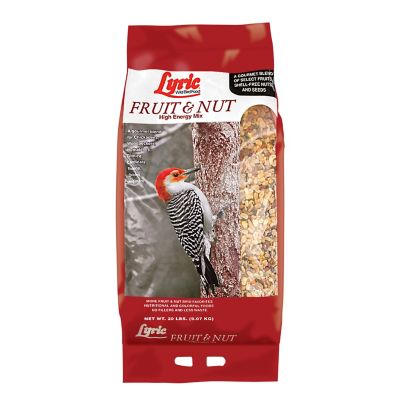
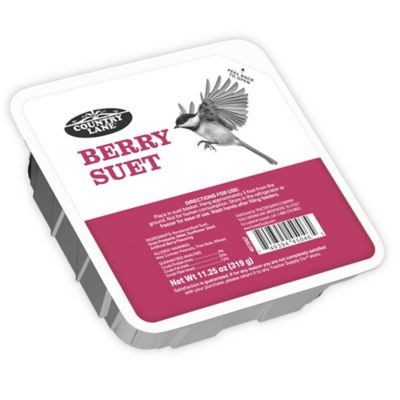
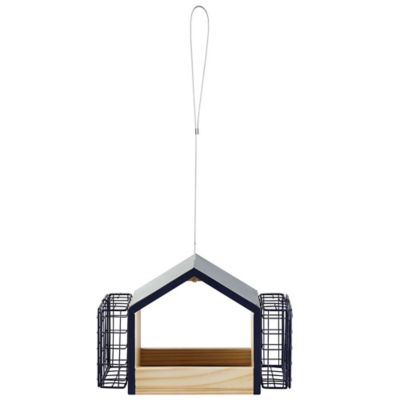
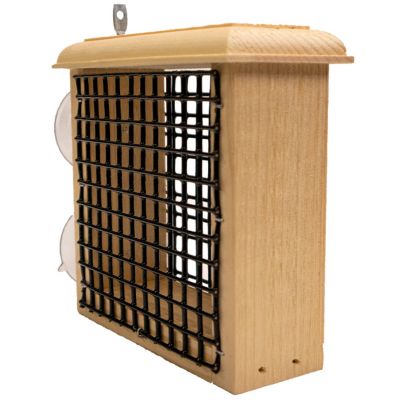
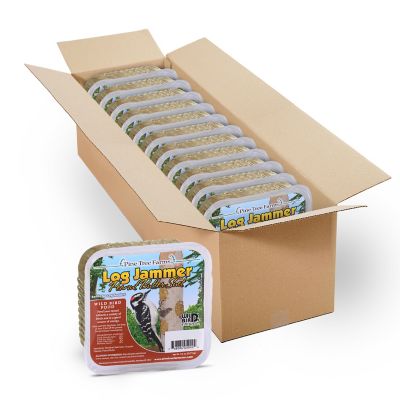
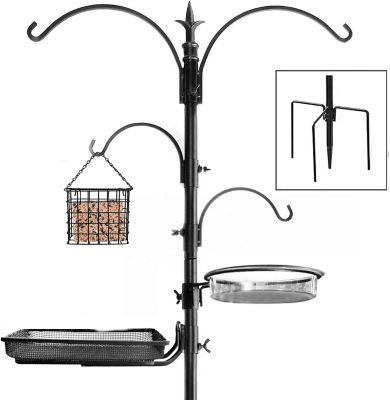
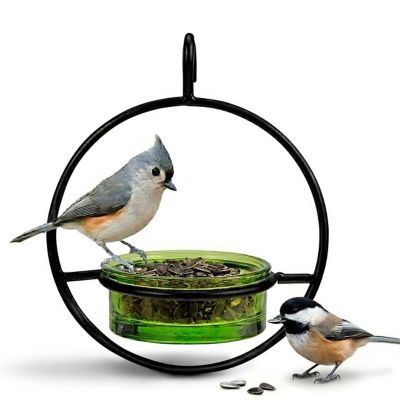
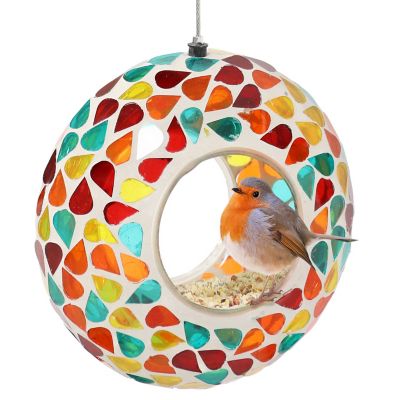
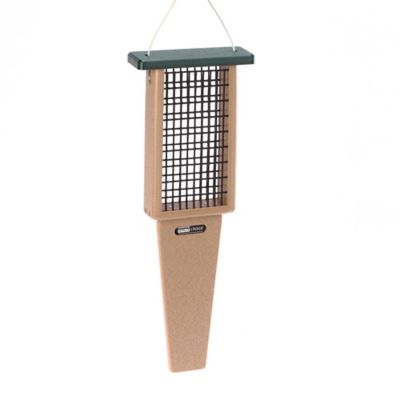
Suet for birds is a simple way to bring more activity to a backyard, homestead, or porch-side feeding station, especially as cooler weather makes natural food harder to find. Made with rendered animal fat and blended with ingredients such as seed, grains, fruit, insects, or peanut products, suet offers a concentrated source of energy that helps wild birds keep up with the demands of cold days and long nights. Woodpeckers are well-known suet visitors, but they are far from the only birds that may stop by. Chickadees, nuthatches, titmice, wrens, jays, and other backyard birds can all make use of a suet feeder when the food is easy to reach. A suet cake or block can be a handy choice for anyone who enjoys watching birds from the kitchen window, keeps a feeder near a barn or garden shed, or wants to add another food option alongside sunflower seed and other bird feed. It also makes a thoughtful gift for a new homeowner, an older family member who enjoys watching wildlife, a teacher building a small outdoor nature area, or anyone who takes pride in making their yard welcoming to local birds. Choose the food style and feeder together when possible. Cage-style feeders are made to hold cakes securely and give clinging birds a place to feed, while tail-prop designs offer extra support for larger woodpeckers. Look for sturdy construction, easy access for replacing the food, and drainage that helps keep rain and melting snow from collecting around the suet. A covered feeder can help protect the food from the elements, though no feeder will stay clean without occasional attention. Hang it near a tree, brush pile, or other cover where birds can retreat quickly, but keep it far enough from dense branches, fences, or structures that cats and other predators have fewer chances to hide nearby. A spot that can be seen from indoors is a practical bonus; many folks find that a quiet morning cup of coffee is better with a downy woodpecker working away at the feeder.
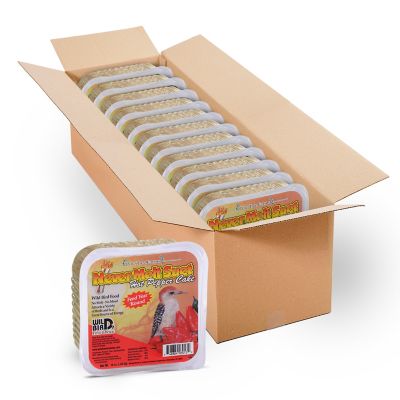
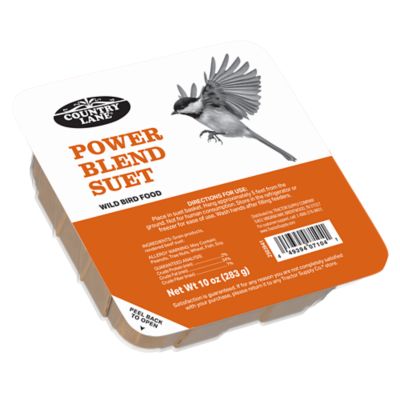
When selecting suet for birds, pay attention to the blend and the conditions where it will be used. During the cooler months, traditional high-fat suet can provide welcome fuel for birds using extra energy to stay warm. In milder weather, look for no-melt or no-drip blends made with ingredients such as cornmeal or peanut butter. These formulas are designed to hold their shape better when temperatures rise, which helps prevent softened fat from coating a bird’s feathers. Raw butcher suet should not be left outside in warm conditions because it can spoil or turn rancid quickly once temperatures climb above freezing. Packaged suet should be stored according to the label, kept sealed between uses, and placed out in an amount the birds can finish before it becomes stale. If the feeder sits in direct sun, moving it to a shaded location can help the food last longer. Squirrels, raccoons, and other hungry visitors may also find a suet feeder, so a hot-pepper blend can be worth considering when mammals are taking over. Birds do not react to capsaicin the way mammals do, while squirrels and raccoons generally find the heat unpleasant. Spicy suet is not a substitute for a well-placed feeder, but it may reduce some unwanted feeding without keeping songbirds away. Keep an eye on the feeding area and sweep away dropped pieces, wet seed, and old food before they build up. Wash the feeder regularly with hot, soapy water, rinse it well, and let it dry fully before refilling. Clean feeding equipment matters most when many birds are gathering in one place, since spoiled food and dirty surfaces can contribute to the spread of disease. It is also smart to offer only a little food at first, then adjust the amount based on how quickly the local birds finish it. A busy feeder may need frequent refills, while a quieter spot may do better with smaller portions.
Suet feeding can become a steady part of backyard wildlife care through the changing seasons. As autumn winds strip leaves from the trees and natural insects become less plentiful, a reliable suet station gives birds another place to refuel. During the coldest stretches, the dense calories can help small birds maintain energy as they face freezing nights, snow, and short daylight hours. Even when the weather turns mild, no-melt blends can keep a feeding station useful without leaving greasy residue on feathers. Keep the feeder within easy reach for maintenance, but give visiting birds enough cover to feel secure. Placing more than one feeder around a larger property can spread birds out and reduce crowding, while offering suet in a separate location from seed can make it easier to observe which foods attract different species. Suet is meant for wild birds, not as a replacement for the specialized care needed by nestlings or injured wildlife; anyone caring for a young bird should use advice from a licensed wildlife rehabilitator and learn more about appropriate
Baby Bird Food. For everyday backyard feeding, choose fresh, well-sealed food, match the blend to the weather, and check the feeder often. A little care goes a long way. Before long, familiar visitors may start showing up on their own schedule—a chickadee darting in from the brush, a nuthatch working headfirst down a tree trunk, or a woodpecker clinging to the cage while the rest of the yard carries on around it.