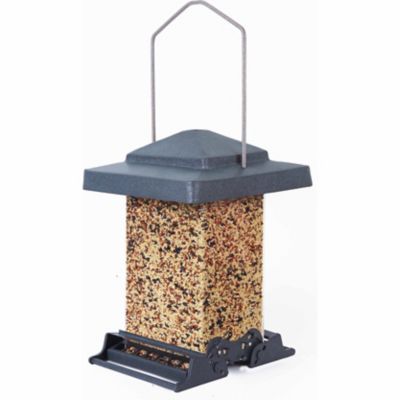
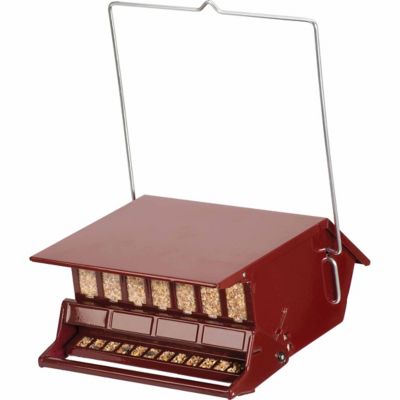
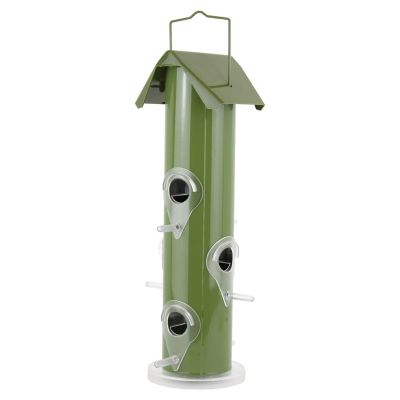
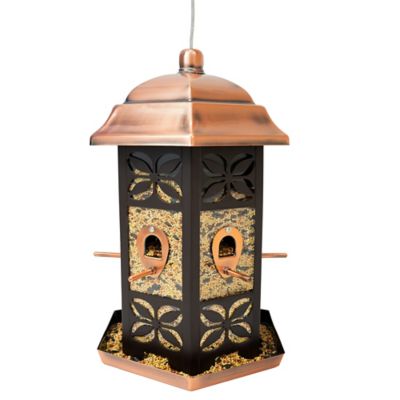
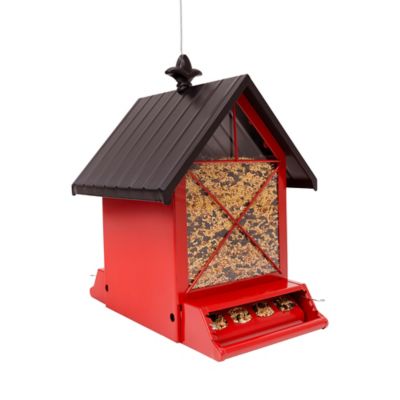
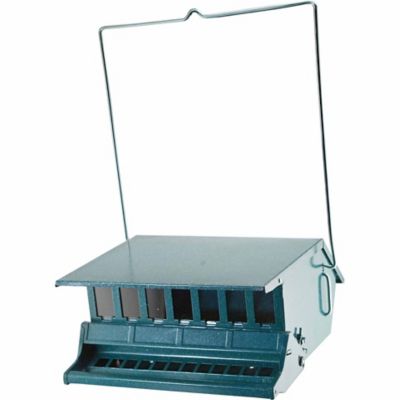
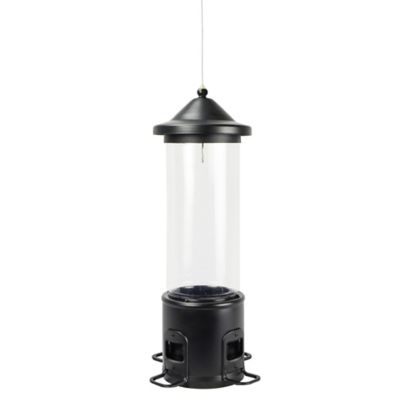
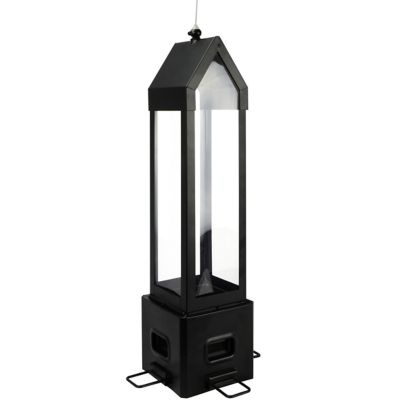
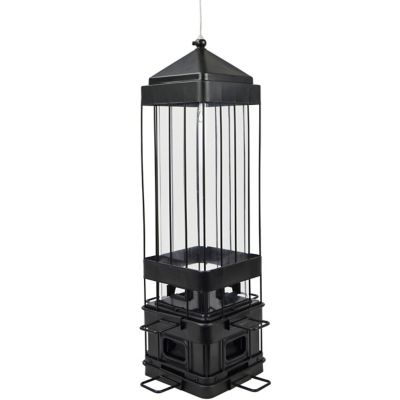
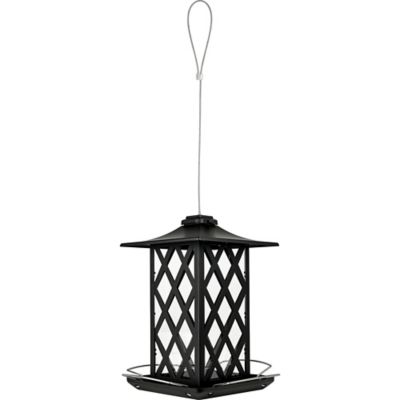
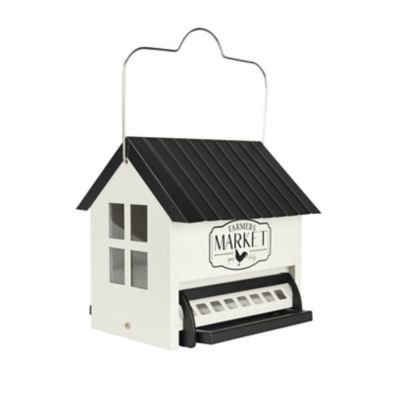
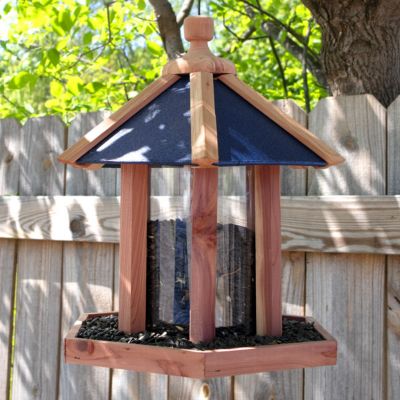
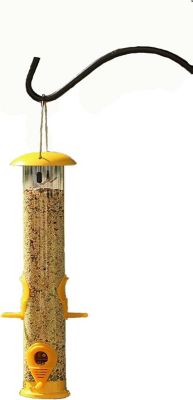
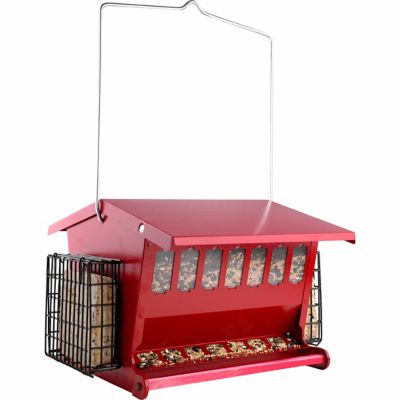
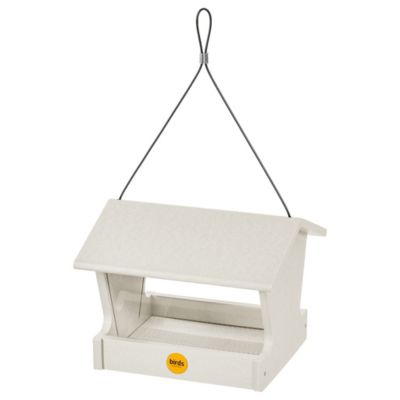
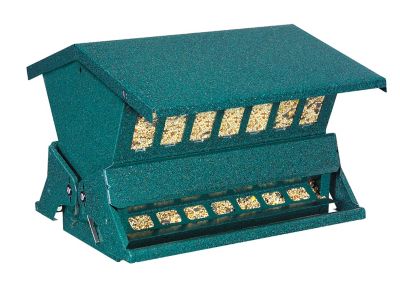
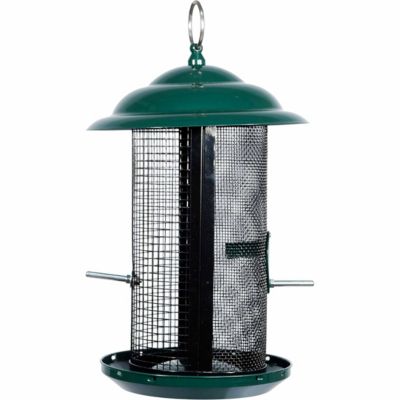
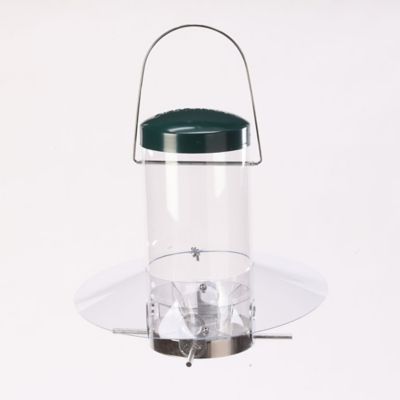
A sunflower seed feeder is a simple way to bring more color and movement to a backyard, farmstead, porch, or garden edge. These feeders are made to hold popular sunflower seed varieties, including black oil sunflower seed and striped sunflower seed, which can attract cardinals, chickadees, finches, nuthatches, grosbeaks, and other neighborhood birds. Tube feeders and mesh feeders are common choices because they let birds reach the seed from several perches and, in the case of a wire or screen design, allow multiple clinging birds to feed at the same time. A tube feeder offers a covered seed chamber with feeding ports spaced along the sides, while a mesh cylinder gives birds access from nearly any angle and can be especially handy when several birds arrive together. When comparing options, consider the size of your yard, the number of birds you typically see, and how often you want to refill the feeder. A smaller feeder can be a good fit for a porch or compact garden and helps keep seed fresh when bird traffic is light. Larger-capacity feeders are useful around country homes, barns, wooded lots, and busy backyard feeding stations where a flock can empty a hopper before the coffee finishes brewing. Look for sturdy construction, a secure lid, smooth openings, and a finish that can stand up to rain, wind, and changing temperatures. A weather-resistant top helps shield seed from moisture, while drainage holes allow rainwater to escape instead of collecting in the reservoir. These small details matter because damp sunflower seed can spoil, clump, or become less appealing to birds. A well-built feeder should also be easy to open, fill, and clean without requiring a toolbox every time it needs attention. For more ways to compare styles and find a setup for different seed types, browse
Bird Feeders for Seeds.
Placement has just as much to do with a successful feeding spot as the feeder itself. Hang a sunflower seed feeder where it can be seen from a kitchen window, family room, or porch, but give visiting birds nearby cover such as shrubs, brush, or the lower branches of a tree. Birds appreciate a quick place to retreat when a hawk passes through, yet a feeder tucked deep into thick foliage may give squirrels and other critters an easier route to the seed. Many bird watchers find that a location several feet away from a tree or structure offers a useful balance, giving birds a landing place without creating a direct launching point for climbing pests. Keep the feeder high enough to discourage curious dogs and other animals, and use a strong hook, pole, or hanging line that will not sag when the seed chamber is full. Squirrels can be persistent, especially when sunflower seed is on the menu, so a baffle, properly placed pole, or enclosed mesh design may help reduce visits. No feeder is completely maintenance-free, though. Empty old seed, brush away hulls, and wash the feeder regularly with mild soap and water. Allow each part to dry fully before adding fresh seed, and check for cracked perches, loose hardware, sharp edges, or worn hanging pieces. A seed tray can catch falling hulls and loose seed, making the area easier to tidy while also giving ground-feeding birds a chance to pick up a snack. Trays are useful near patios and walkways, but they should still be emptied and cleaned so wet seed does not sit beneath the feeder. Moving the feeder occasionally can also help prevent a thick layer of hulls from building up in one spot. During the cooler months, a dependable feeding station can become a familiar stop for birds that need extra energy, and it gives the household a front-row view of quick wingbeats, bright feathers, and the lively chatter that starts when a flock finds fresh seed.
Sunflower seed feeders make thoughtful gifts for bird lovers, grandparents, new homeowners, gardeners, teachers, and anyone who enjoys a little wildlife around the house. They are practical for a family starting its first backyard feeding station and easy to pair with a bag of seed, a shepherd’s hook, or a simple cleaning brush. A child can help watch for the first cardinal at the window, while an experienced birder may appreciate a feeder chosen for capacity, durability, or a particular mix of visiting species. For rural homes, a feeder near the mudroom or back porch can turn an ordinary view of the yard into a changing seasonal scene. Black oil sunflower seed is often favored because its thin shell and high oil content make it appealing to many songbirds, while striped sunflower seed has a larger shell and may work well where larger birds are common. Some households use one feeder for sunflower seed and another for a different blend, helping reduce crowding and giving birds more options. Keep seed stored in a cool, dry container with a tight-fitting lid, and refill only what the birds are likely to eat before the seed loses freshness. Watch the feeding area for signs of mold, spoiled seed, or unusual bird activity, and clean up promptly if the ground becomes muddy or heavily covered with hulls. A little patience is part of the fun: birds may take several days to notice a new feeder, then suddenly appear in a steady parade once they learn where it is. With the right size, secure construction, good drainage, and a location that offers both visibility and shelter, a sunflower seed feeder can provide an inviting place for backyard birds throughout the changing weather and a rewarding bit of nature for people of all ages.