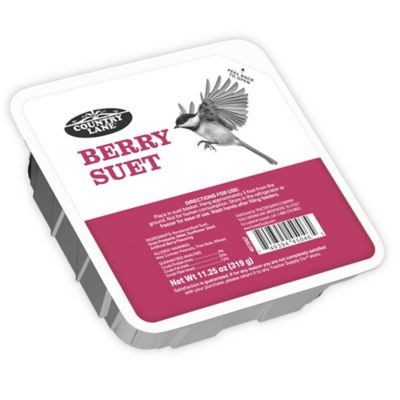
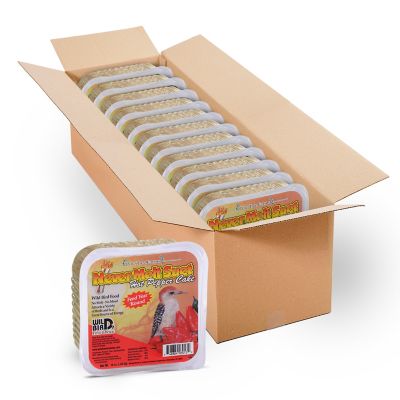
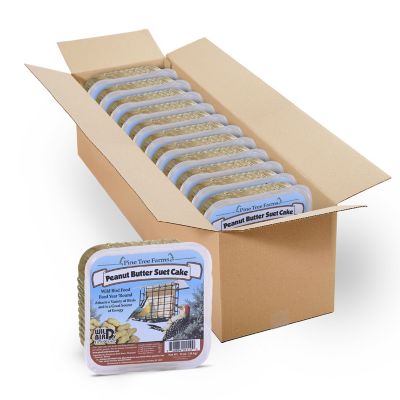
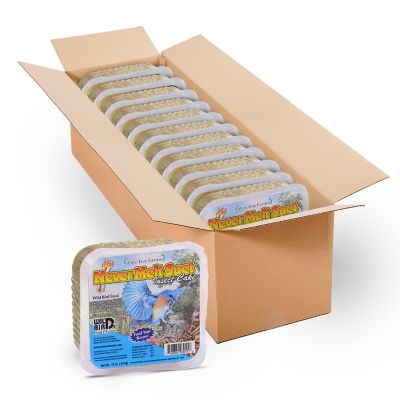
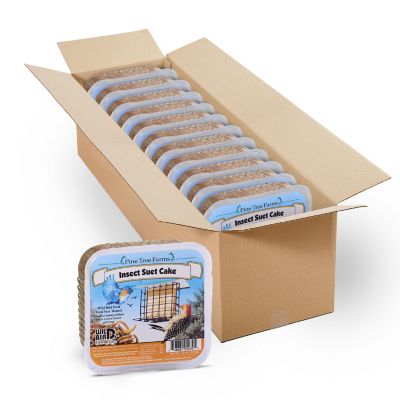
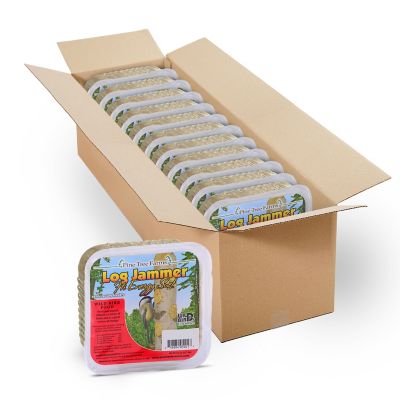
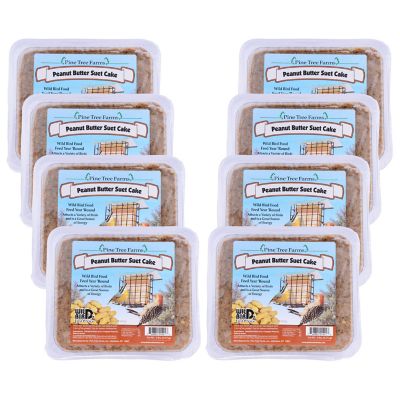
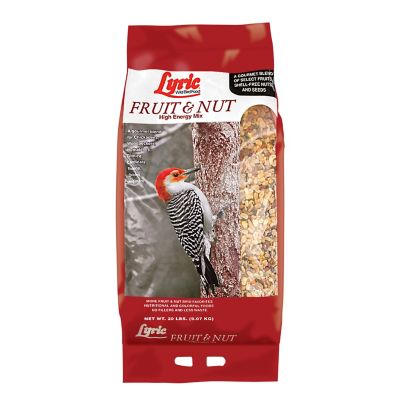
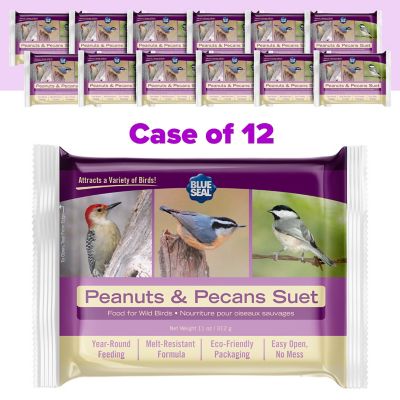
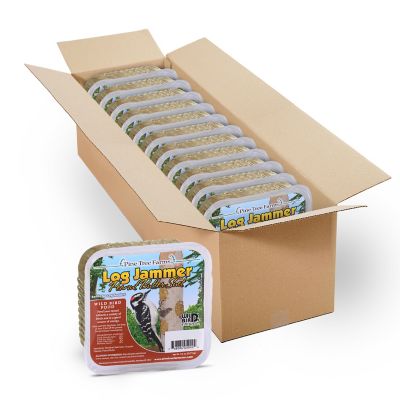
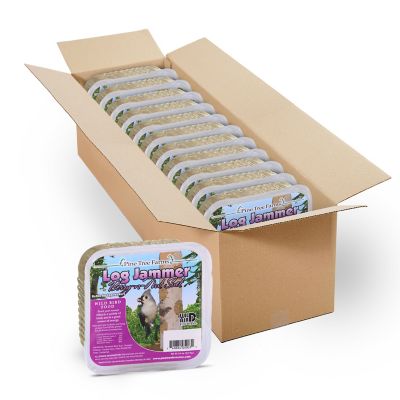
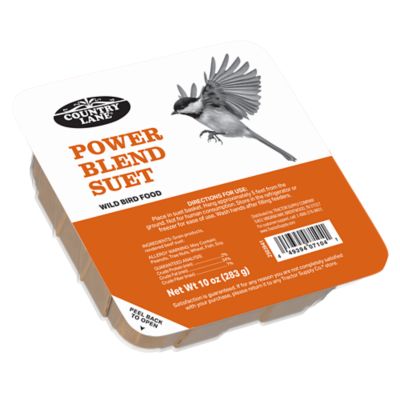
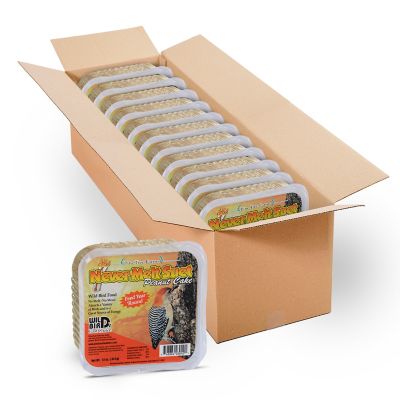
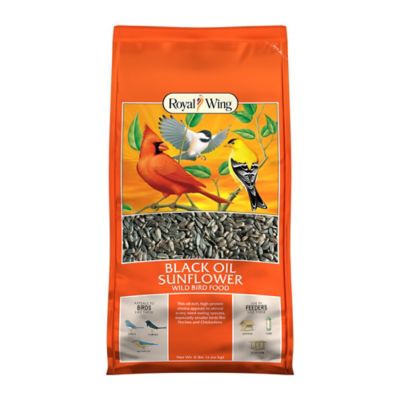
High energy suet cakes are concentrated, fat-based foods that give wild birds an extra source of calories alongside the insects, seeds, fruit, and other foods they find naturally. Most traditional suet cakes start with rendered beef fat, which holds ingredients such as cracked corn, millet, oats, sunflower seeds, or peanuts in a solid block. Recipes vary, so the ingredient label is the best place to see what a cake contains and whether it suits the birds visiting your place. Fat supplies more energy per gram than protein or carbohydrates, making suet a calorie-dense addition to a backyard feeding station. Woodpeckers, chickadees, nuthatches, and titmice are familiar visitors to suet feeders, though the birds that show up depend on local habitat and the food sources nearby. A downy woodpecker working its way around a cage or a nuthatch feeding headfirst brings a different kind of activity than a row of finches perched at a seed feeder. For folks with a yard bordered by trees, a small acreage, or a spot near a woodlot, suet can help round out a feeding setup without taking up much room. It is supplemental wild bird food, not a complete diet or a replacement for habitat with natural feeding opportunities. The words “high energy” describe the role of the fat-rich food; they do not mean every cake has the same recipe or nutritional profile. Where a guaranteed analysis is provided, the listed fat, protein, and fiber levels offer a clearer comparison than the name alone. Seeds and nuts contribute their own fats and other nutrients, while grain ingredients affect the blend’s texture and composition. That combination of a firm fat base and smaller ingredients makes suet cakes easy to contain in a feeder while allowing birds to peck off manageable bites. A straightforward blend can be a practical starting point, especially when the goal is to support familiar local birds rather than draw a particular species.
Choosing high energy suet cakes comes down to the recipe, the size of the block, and the feeder it will fill. Square cakes are a common format, but dimensions and weights differ, and a package’s net weight does not tell the whole story about fit. A cake should sit inside the feeding compartment with the door fully latched, rather than forcing the frame outward or leaving the closure under strain. Pairing the food with a properly sized
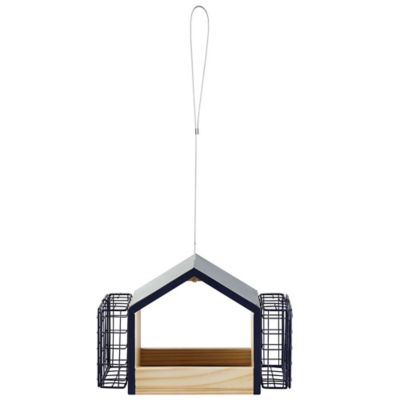
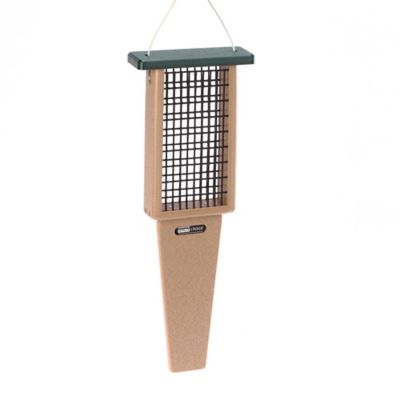
Suet Cage helps keep it contained while giving clinging birds a place to grip. Wire spacing also matters: birds need access to the food, but an overly open holder may let large pieces fall through. Coated metal feeders offer a gripping surface and help contain the block; sound hinges, secure hanging hardware, and a latch that stays shut are worth checking before filling. For larger woodpeckers, a feeder with a tail-support extension provides a brace similar to a tree trunk. An underside-access design changes how birds reach the cake and may discourage some larger visitors, though no feeder design guarantees that only certain birds will eat. Ingredient choices offer another way to match the feeding station to its regular visitors. Peanut and sunflower blends may appeal to several familiar suet-eating species, while cakes with fruit or insect ingredients offer different feeding options. Those additions do not guarantee a particular visitor, and a fruit-containing cake may include grains, seeds, and other ingredients as well. Reading the full label matters more than relying on a picture on the wrapper. Households managing peanut or tree nut allergies should also check ingredients and handling statements before bringing bird food inside. For a feeder beside a garden, near a fence line, or within view of the kitchen window, a well-fitting cake and a secure holder make a tidy, compact pairing. Keeping the food accessible to birds while limiting loose pieces on the ground is more useful than simply choosing the biggest block.
Care and placement help high energy suet cakes serve their purpose without turning the feeding area into a chore. A feeder should hang from a sound support where it can be reached for cleaning and watched without disturbing feeding birds. Nearby trees or shrubs can offer birds a place to pause between visits, but low, dense cover directly beneath the feeder can give cats a hiding spot. Around a house or outbuilding, window placement deserves attention because reflections can make glass look like open space; exterior bird-visible window treatments can help reduce collision risks. Suet feeders also attract attention from squirrels, raccoons, and other wildlife, so secure closures, suitable baffles, and sensible placement are part of a workable setup. Where bears are present, local wildlife guidance should determine whether feeding birds is appropriate at all. The right refill pace depends on how quickly birds eat, not on keeping every holder full all the time. Putting out an amount that gets eaten promptly makes it easier to notice changes in the food’s condition. Discard cakes that show mold, have an off odor, or become heavily soiled, and remove broken pieces from beneath the feeder before they accumulate. Between refills, clear away stuck-on fat and crumbs, then clean the holder according to its care directions, rinse thoroughly, and let it dry before adding fresh food. Keep unopened cakes sealed and follow the package’s storage instructions; after opening, protect remaining food from pests and store it away from livestock feed and household groceries. Washing hands after handling cakes or cleaning feeders is a simple part of the routine. For someone who enjoys watching birds from the porch, suet cakes paired with a compatible feeder can also make a thoughtful gift, provided the recipient has a suitable feeding spot. Whether the setting is a farmhouse yard or a smaller patch of lawn with a few mature trees, the strongest setup starts with appropriate food, a good feeder fit, and regular attention to cleanliness.