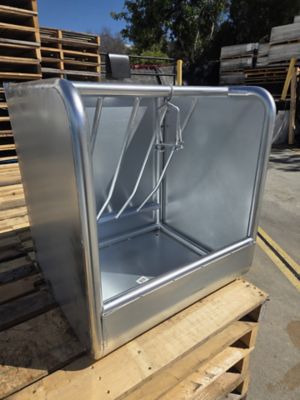
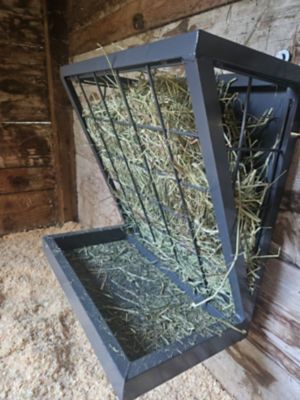
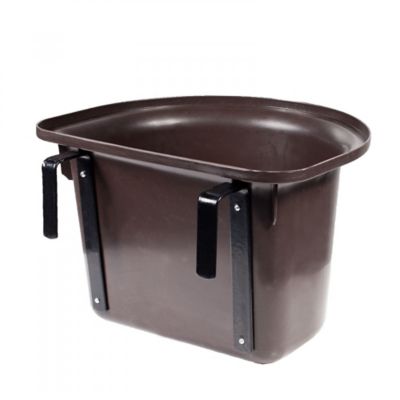
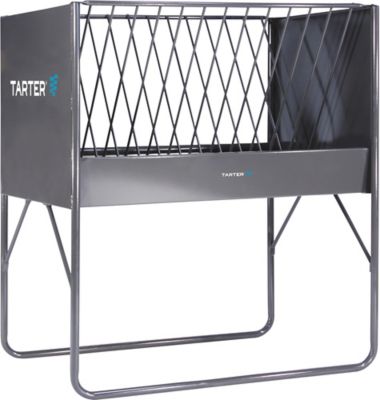
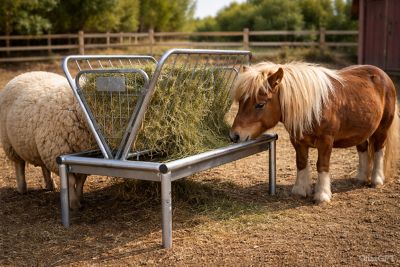
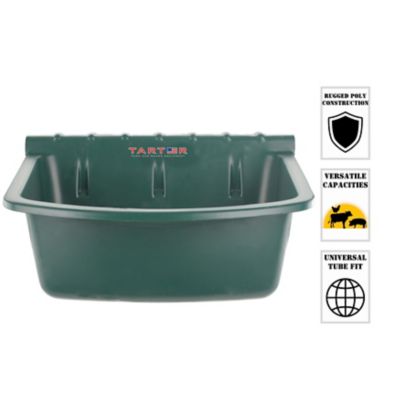
Stall hay feeders help keep forage where it belongs: in front of the animal, instead of scattered across bedding, trampled into the mud, or mixed with manure. Whether you care for one horse at home or keep several animals in a busy barn, a well-placed feeder can make daily chores a little cleaner and help you get more value from every bale. Horses often pull hay from a pile and shake it loose, leaving good stems underfoot, while goats and other livestock can turn a tidy stall into a mess before feeding time is over. A stall hay feeder gives loose hay a dedicated spot and helps contain the flakes as animals eat. That can mean less waste, cleaner bedding, and fewer trips with a pitchfork. During warmer weather, keeping hay off damp ground can help protect it from moisture and dirt, while during the cooler months, a dependable feeder makes it easier to offer forage in a dry, comfortable stall. These feeders are useful for horses, ponies, miniature horses, goats, sheep, and other livestock that receive hay indoors, though the right style depends on the animal, the stall, and the way you manage feed. For anyone who has spent a cold morning pulling half-eaten hay out of wet bedding, the advantage is easy to appreciate.
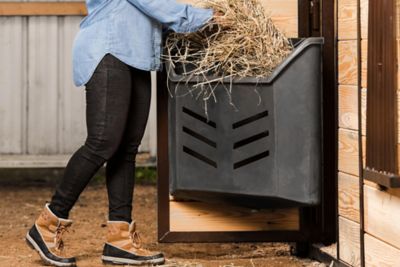
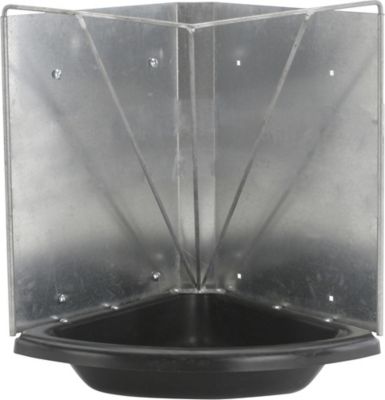
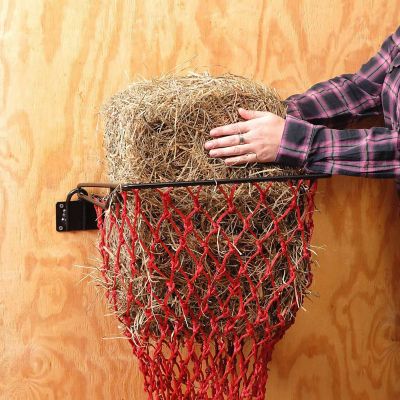
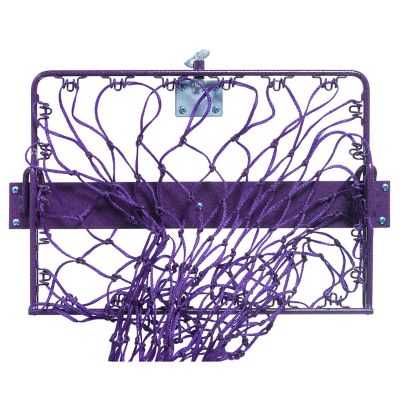
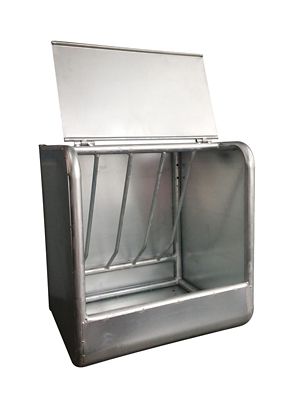
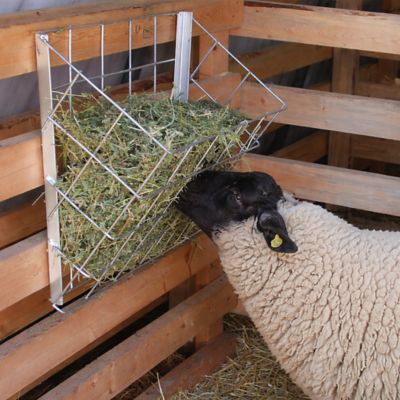
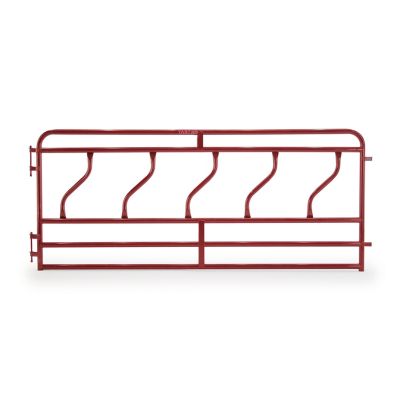
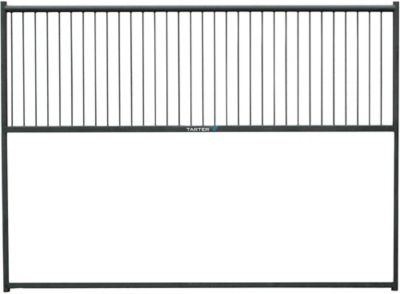
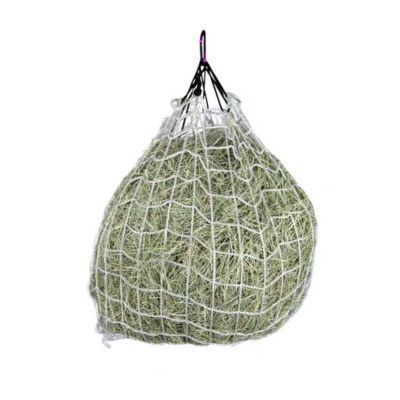
Start by looking at the stall layout and the amount of hay you normally provide. Corner feeders make good use of an out-of-the-way space and can leave more room for the animal to stand, turn, and lie down. Wall-mounted feeders work well along a solid wall and may be a practical choice when you want the hay kept at a consistent height. Pass-through designs can allow hay to be loaded from the barn aisle, which is handy when stalls are occupied or when you are trying to keep feeding chores moving. Portable hay bags and nets are useful for temporary stalls, trailers, turnout areas, or barns where you need to change the feeding location from time to time. A standard open rack gives animals easy access and is often a straightforward choice for larger flakes, while a slow-feed style has smaller openings that encourage animals to nibble rather than pull out a large mouthful at once. If your horse tends to eat quickly, scatter hay, or stand with a full hay belly after feeding, browse
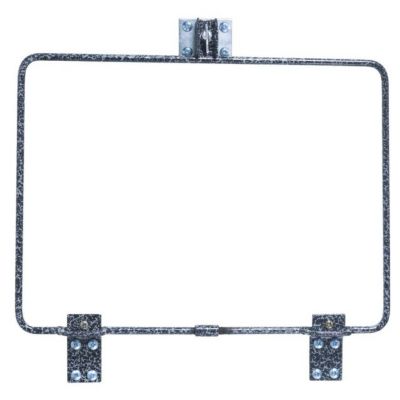
Horse Slow Feeders for options designed to stretch out forage access. Always choose a feeder that is sturdy enough for the animal using it, with secure mounting hardware and smooth surfaces that will not snag a halter, blanket, mane, or curious hoof. Check the openings carefully, since they should help control waste without making it difficult for the animal to eat comfortably. Feeders should also be placed where the stall stays dry and where the animal can reach the hay without awkward stretching, crowding, or rubbing against sharp edges.
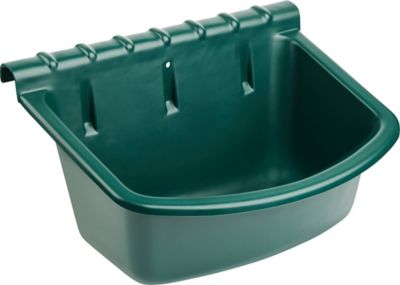
Material, capacity, cleaning, and maintenance all matter when you are comparing stall hay feeders. Durable plastic or poly construction is often easy to wipe down and can be a good fit for corners, while metal feeders may suit busy barns where equipment needs to handle regular use. Look for a design that holds the amount of hay you typically feed without forcing you to overfill it or leave loose forage sticking out where it can be pulled onto the floor. A feeder that holds one or more flakes may be convenient for overnight feeding, but smaller-capacity designs can make it easier to monitor intake and keep hay fresh. If the feeder includes a net, grate, or mesh panel, inspect it regularly for stretched spots, broken strands, bent metal, or edges that could cause an injury. Remove damp or dusty hay, clean away old stems and seed, and give the feeder a close look whenever you clean the stall. Mounting height deserves attention as well: it should be low enough for comfortable access but positioned to reduce the chance of a horse striking it or catching a hoof. Follow the animal’s normal feeding plan, provide clean water, and make changes gradually if you are moving from floor feeding to a slow-feed setup. Stall hay feeders make thoughtful gifts for a horse owner, new barn renter, 4-H family, or small-acreage livestock keeper, especially when paired with practical barn supplies. They are the kind of useful gift that earns its keep every day, from the first forkful of hay at dawn to the last stall check before the barn settles down for the night.