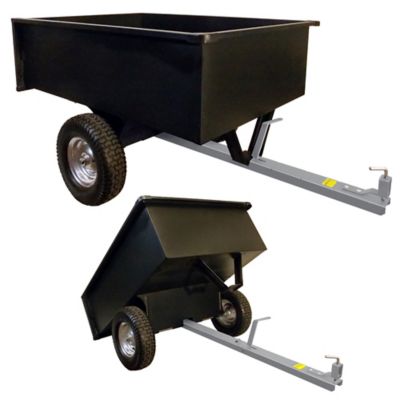
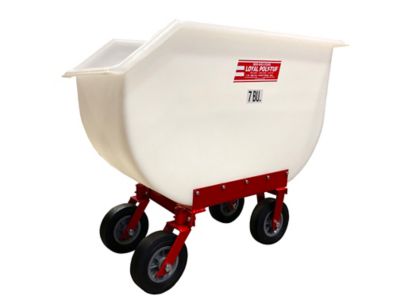
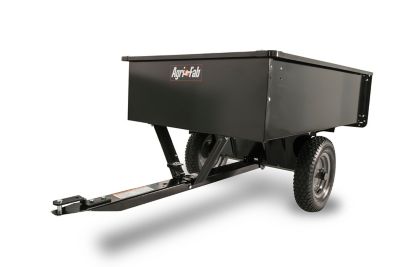
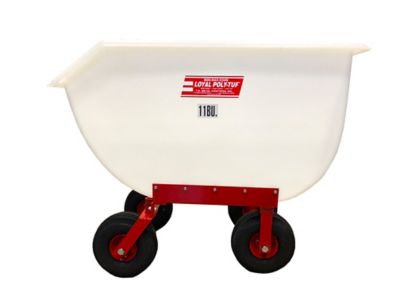
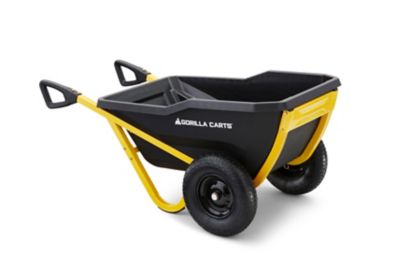
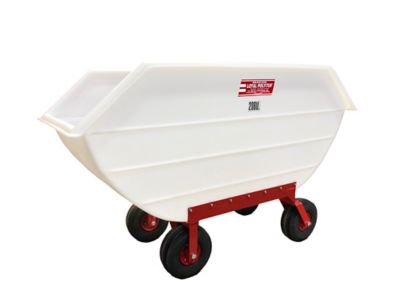
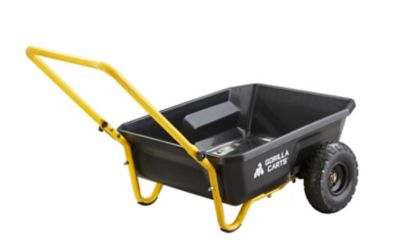
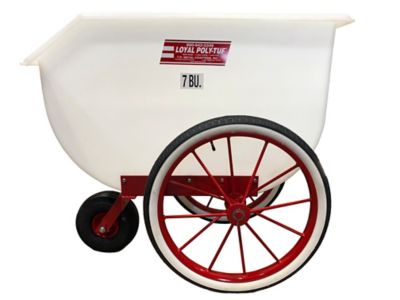
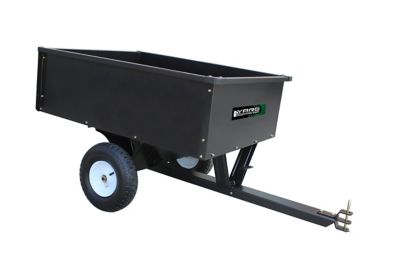
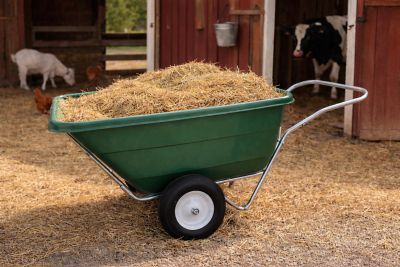
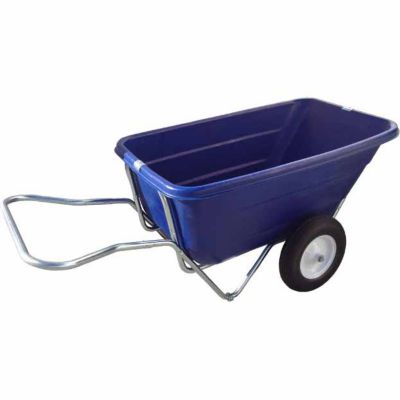
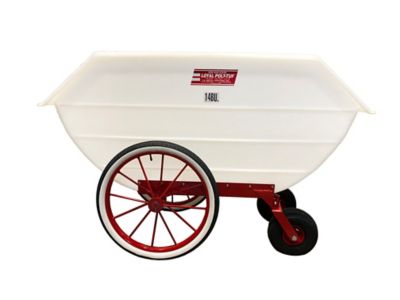
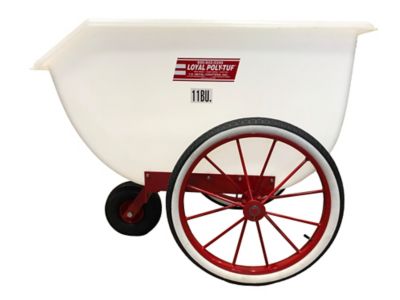
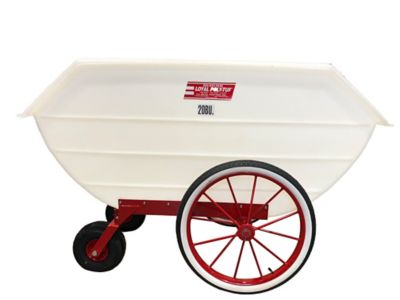
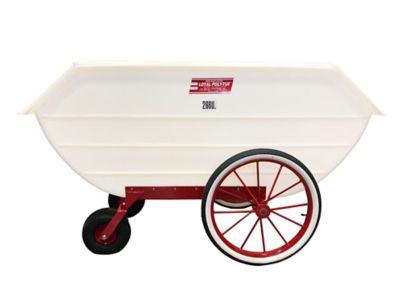
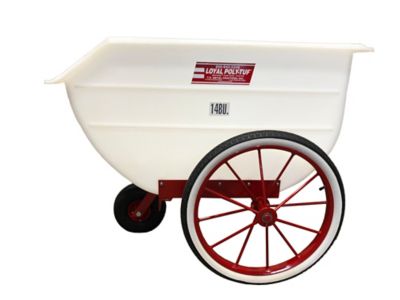
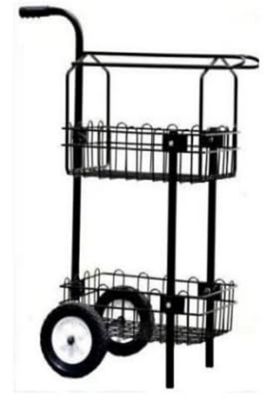
A horse feed cart can make everyday barn chores feel a whole lot more manageable, especially when grain, supplements, hay pellets, or buckets of water need to travel from the feed room to several stalls or turnout areas. Instead of making repeated trips with a scoop or trying to balance heavy containers in your arms, a sturdy cart lets you move more at once while keeping your hands free for gates, lead ropes, or stall doors. It can be a handy addition for a small backyard barn, a busy boarding operation, a 4-H family, or anyone caring for horses across a larger property. When choosing a feed cart, start with the amount of feed you normally carry and the distances you cover. A compact cart may be easier to steer through narrow aisles and crowded tack rooms, while a larger-capacity model can save time during morning and evening feeding rounds. Pay attention to the cart’s overall width, handle height, wheel placement, and weight when empty. A cart that fits comfortably through barn doors and feels balanced when loaded is more useful than one that simply holds the most. The best choice should roll smoothly over packed dirt, gravel, concrete, and uneven ground without feeling tippy or difficult to pull. Large, sturdy wheels can help when the route from the feed room crosses a muddy patch or rough lane, while a stable base is important when carrying several bags, tubs, or filled buckets. If more than one person will use the cart, an easy-grip handle and a manageable frame can make feeding chores more comfortable for different heights and strengths. For a closer look at storage options that can help keep feed protected between trips, browse
Feed Bins For Horses.
A feed cart is also useful for keeping the whole feeding routine organized. Many horse owners load the cart in one place, then work down the aisle in a familiar order, checking each horse’s ration as they go. A cart with a smooth interior and easy-to-clean surfaces helps keep stray pellets and grain from collecting in corners, where moisture and old feed can create unwanted messes. Look for materials that stand up to regular use and can be wiped or rinsed without much fuss. Raised edges or a deep tub can help keep bags, scoops, and containers from sliding out as the cart moves, but the load should still be arranged so heavier items sit low and close to the center. Overloading makes steering harder and may strain the frame or wheels, especially on slopes. It is wise to keep feed in closed, labeled containers rather than pouring loose feed directly into a cart for long-term storage. The cart works best as a chore companion for moving measured rations and supplies, not as a replacement for secure feed storage. Before each use, take a quick look at the wheels, axle, handles, and fasteners. Remove clumps of old feed, wipe up spills, and let damp surfaces dry before putting the cart away. These simple habits matter in late summer heat, when feed can attract insects, and during the cooler months, when wet ground, mud, and frost can make a route more demanding. A clean cart also helps prevent one horse’s supplements or medications from accidentally mixing with another horse’s ration. Keeping a dedicated scoop and a few labeled containers nearby can make the process even smoother, particularly when horses have different diets or feeding schedules.
For many horse owners, a horse feed cart makes a thoughtful and practical gift because it supports the daily work that keeps a barn running. It can be especially helpful for someone setting up a first home stable, caring for an older horse, or managing chores while recovering from an injury or a busy stretch of life. Families with young riders may appreciate having a dependable way to move feed without asking a child to carry more than is safe, while barn managers can use one to shorten long feeding rounds and keep supplies together. A cart can also serve beyond grain duty. Depending on its design and clean condition, it may help move bedding tools, grooming supplies, empty buckets, small hay portions, or water containers around the property. Keep separate carts or clean them thoroughly between different jobs so feed stays free from bedding, manure, chemicals, and other barn debris. Think about where the cart will live when it is not in use. A sheltered spot near the feed room or aisle keeps it handy while protecting metal parts, tires, and handles from unnecessary weather exposure. For properties with loose gravel, soft soil, or long stretches between buildings, choosing a model suited to the ground underfoot can make a noticeable difference by the end of a long chore day. During warmer weather, it may carry feed before sunrise or after the evening air cools, when fewer insects are around and horses are settled. As the season turns cooler, it can help move supplies without repeated trips through wet grass or muddy paths. Whether it is used for one horse behind the house or a full row of stalls, the right feed cart brings a little more order to the routine: load it once, roll it where it needs to go, and get back to the horses with less lifting, less clutter, and more time to notice the small details that keep them healthy and content.