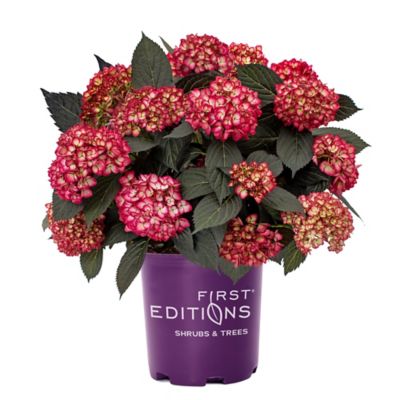
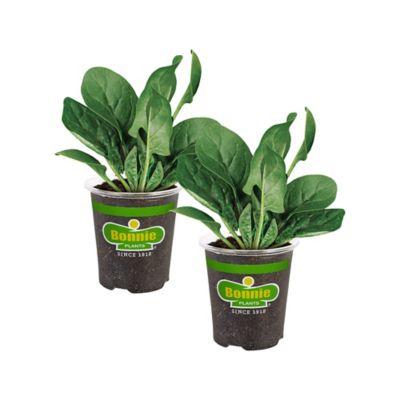
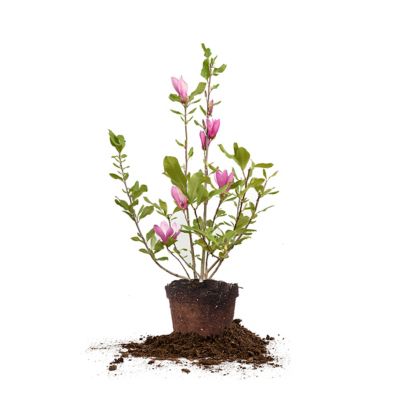
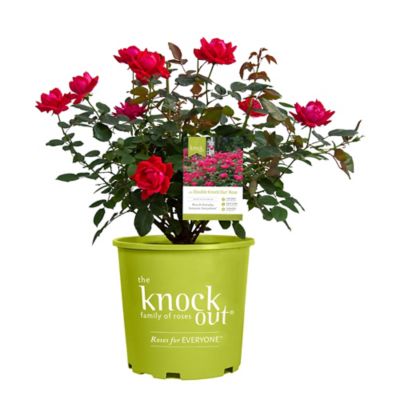
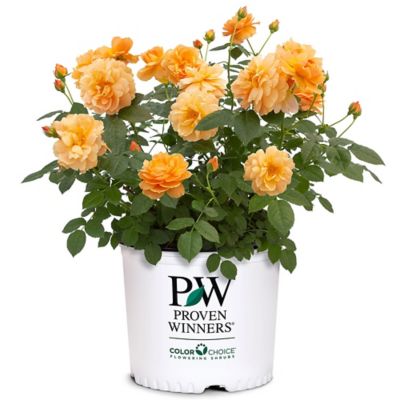
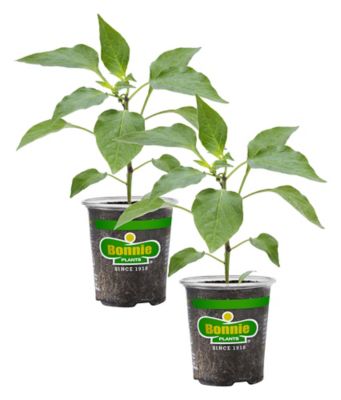
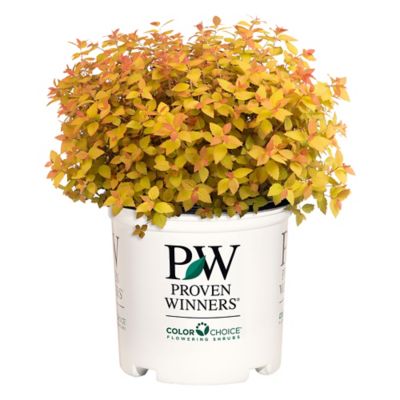
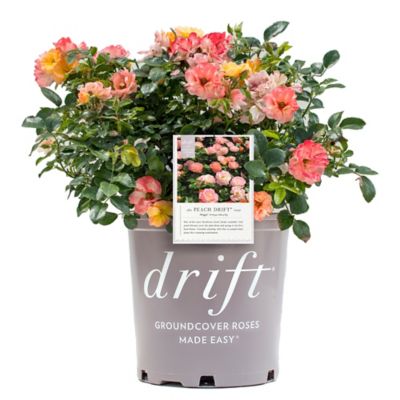
Spring plants bring flowers, fresh foliage, and new growth to garden beds, porch containers, and the edges of a country yard. The group includes flowering bulbs, cool-season annuals, returning perennials, and shrubs that bloom early in the growing season. Crocuses offer low-growing cups of purple, yellow, or white, while daffodils lift trumpet-shaped flowers above slender leaves. Tulips add upright blooms in a wide range of colors, and pansies provide cheerful faces in beds and containers when conditions are still cool. For a different shape, bleeding hearts carry dangling flowers along arching stems, while creeping phlox spreads close to the ground in patches of pink, lavender, or white. These plants do more than fill the same role in different colors: their bloom times, mature sizes, and preferred growing conditions help determine where they belong. A low plant can soften the edge of a walkway without leaning into foot traffic, while taller flowers stand out along a fence or behind a shorter planting. Spring-flowering shrubs can give a larger bed its framework, with smaller plants filling the space beneath or around them where light and root competition allow. A mix of early and later bloomers helps keep a planting interesting beyond one brief flush of flowers. Foliage matters, too, whether it is the fine texture of bulb leaves or the broad leaves of a shade-loving perennial. For gardens built around flowers that emerge near the start of the season,
Early Spring Blooming Bulbs are a natural part of the mix. Many familiar spring-flowering bulbs need a period of cold before blooming and are planted in fall, though timing and suitability depend on the bulb and local climate. That distinction matters when comparing bulbs with plants already growing in nursery pots. Both can belong in a spring garden, but they arrive at flowering on different schedules. Together, these plant types suit everything from a few containers beside the back steps to a long border visible from the kitchen window.
The best fit for a spring planting starts with the place it will grow. A bed beside an open pasture may receive steady sun and wind, while a spot along the north side of a house can stay shaded and hold moisture longer. Full sun generally means at least six hours of direct sunlight each day; part shade usually means about three to six hours, though afternoon sun can be more intense than morning light. Plant labels help narrow those choices, especially where a sheltered porch and an exposed yard offer very different conditions just a short walk apart. USDA hardiness zones describe average annual extreme minimum winter temperatures and are most helpful when judging whether perennial plants can survive winter outdoors. They do not tell the whole story about summer heat, drainage, or the timing of a late frost. Cool-season flowers may handle chilly conditions that would damage tender growth, but cold tolerance varies by plant. Soil is another important part of the match. Many spring plants prefer soil that holds some moisture without staying waterlogged, and bulbs are especially vulnerable to rot in persistently wet ground. Heavy clay, loose sand, and rich garden loam behave differently after a soaking rain, so a low spot near a downspout calls for different choices than a raised bed that drains quickly. Container plantings offer another option near a doorway or on a patio, provided the pot has drainage holes and enough room for roots. Terracotta lets moisture escape through its walls and often dries faster than plastic, while larger containers generally buffer changes in moisture better than small ones. A broad, steady base is helpful where wind catches taller stems. Mature height and spread deserve just as much attention as the size of the plant at purchase. Proper spacing leaves room for growth and airflow, keeps leaves from crowding a path, and helps a mixed planting look settled rather than packed together. It also leaves access for watering, trimming, and tending plants without stepping into the bed.
Care needs help separate a good-looking planting from one that fits everyday life around the place. Someone tending a few pots before heading out to the barn may want compact plants with similar watering needs, while a gardener with a larger flower bed may enjoy a mix that calls for more frequent trimming and attention. Annuals generally complete their life cycle in one growing season; perennials can return for multiple years when suited to the site and climate. Even returning plants differ in longevity, spread, and how much care they need to keep flowering well. Removing faded flowers encourages additional bloom on some plants, but not all, and spring-flowering bulbs need their green leaves after flowering to store energy for the next growth cycle. Their foliage is best left in place until it yellows naturally. Nearby perennials can help fill the view as those leaves fade, as long as the planting does not become overcrowded. Water needs vary with root development, rainfall, soil, and container size. Newly planted roots need closer attention than established plants, and soil moisture is a better cue than a fixed watering calendar. Mulch can help slow moisture loss and limit weeds, with space left around stems and crowns rather than piling material against them. For yards visited by deer or rabbits, plant selection can reduce browsing, but no planting is completely protected when animals are hungry. Daffodils are often less appealing to these visitors, yet their bulbs and other parts are toxic if eaten, making placement important around pets, children, and livestock. Other spring plants can also pose risks, so checking plant safety belongs alongside checking sunlight and spacing. Open flowers may provide forage for early pollinators, depending on the plant and region, adding movement around the garden as well as color. A flowering plant can also make a thoughtful gift for a neighbor or someone settling into a new home, particularly when its light requirements and eventual size suit their space. From a modest porch planting to a well-established garden border, spring plants offer plenty of ways to make familiar outdoor spaces feel lively and cared for.