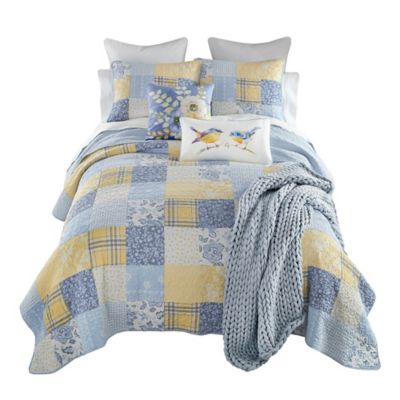
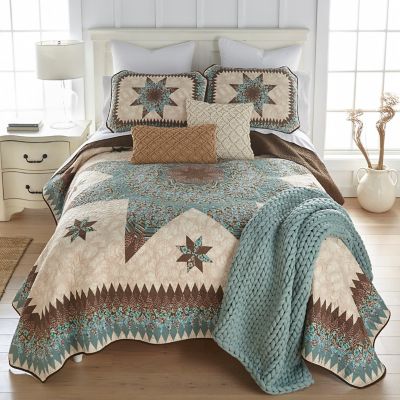
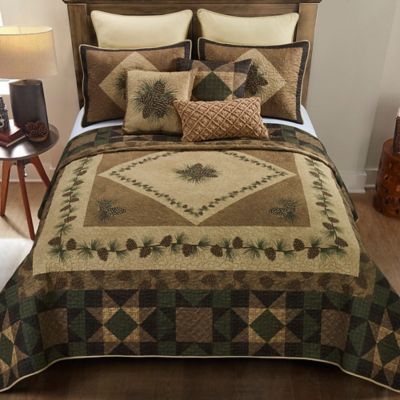
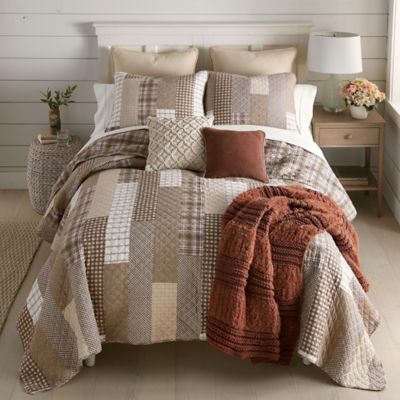
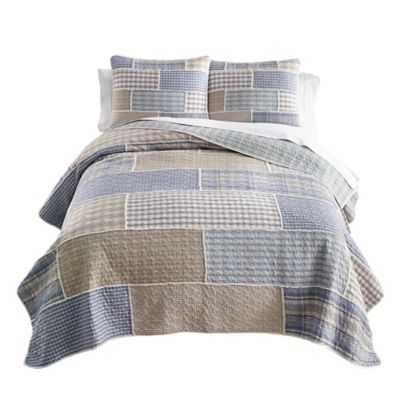
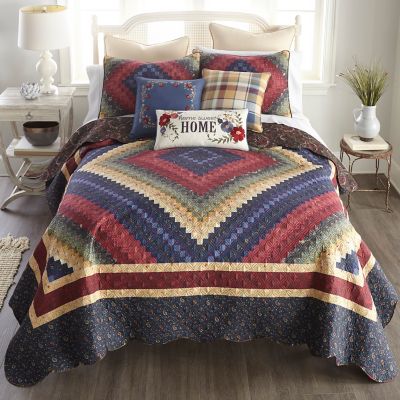
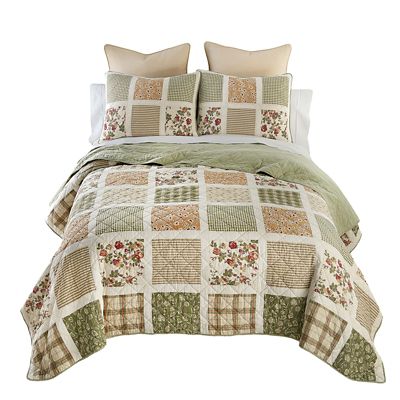
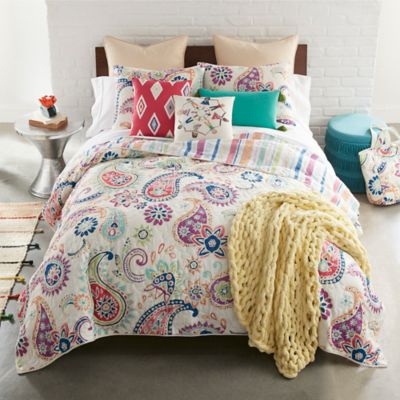
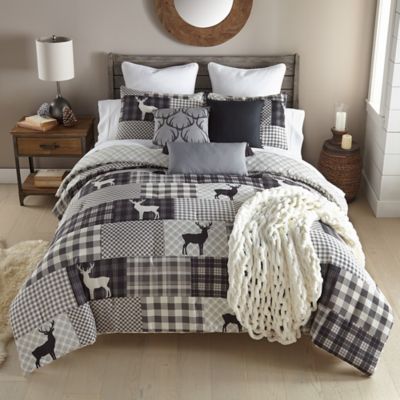
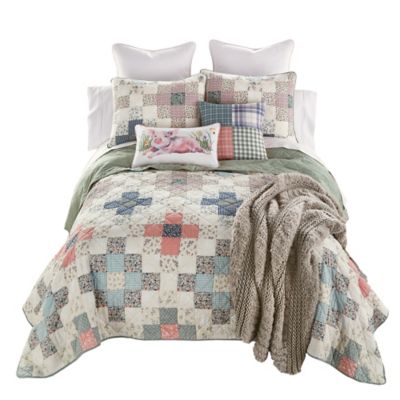
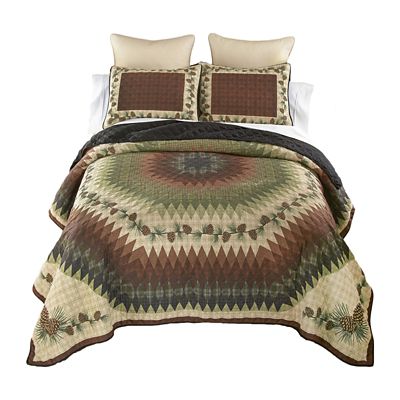
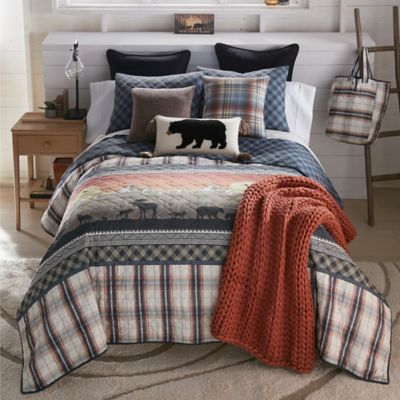
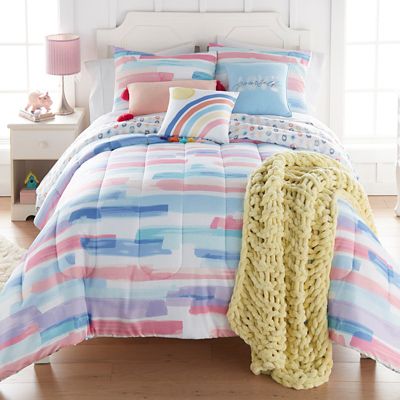
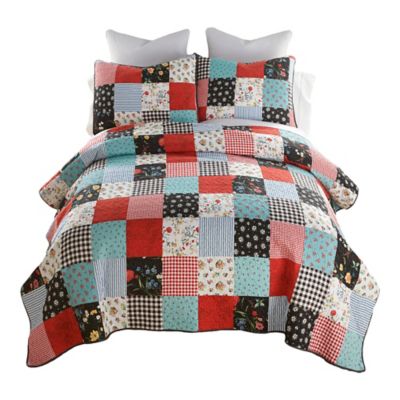
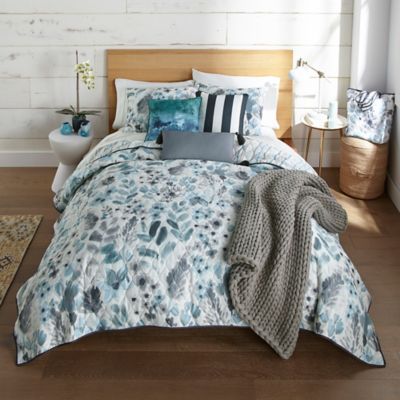
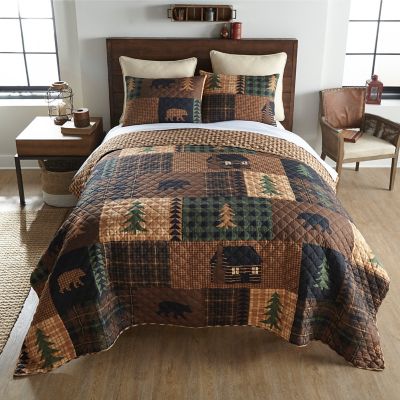
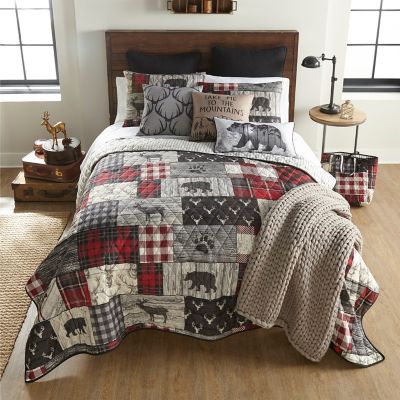
Spring bedding sets bring lighter layers, fresh colors, and garden-inspired patterns to the bedroom. Common styles include floral quilt sets, lightweight comforter sets, duvet cover sets, and coordinating sheet sets, with each offering a different feel and level of coverage. Small wildflower prints, leafy branches, and larger blooms can bring a little of the garden indoors without making the room feel busy. Sage green, blush pink, butter yellow, pale blue, and crisp white suit the spring theme, while cream, oatmeal, and soft gray give patterned bedding a calm backdrop. In a room with a wood bed frame, painted dresser, or well-loved rocking chair, these shades feel right at home. A floral quilt paired with plain sheets keeps the look relaxed, while a solid coverlet lets patterned pillow shams stand out. Fabric makes just as much difference as color. Cotton is a common choice for its breathable feel, though the weave and weight affect how it sleeps. Cotton percale has a crisp finish that appeals to sleepers who prefer bedding that feels cool against the skin. Cotton sateen feels smoother and has a subtle sheen, giving the same spring palette a softer appearance. Linen brings a textured look and a relaxed drape, with natural wrinkles that suit an easygoing bedroom. Microfiber bedding generally has a smooth feel and resists wrinkling, though breathability varies with construction. Blends offer another option, combining fibers for different textures and care needs. A spring bedding set does not always include every layer on the bed: some pair a quilt or comforter with matching shams, while others contain sheets and pillowcases. Duvet cover sets provide an outer cover for a separate insert rather than the filled bedding itself. Those differences matter when putting together a bed for everyday sleep, a guest room, or a child’s room ready for a lighter look. Matching pieces give the bed a coordinated starting point, with room to add familiar blankets or pillows already at home.
The right fit helps spring bedding look settled rather than stretched tight or skimpy along the sides. Mattress size is the starting point, but mattress depth, toppers, bed height, and the amount of overhang all affect the finished bed. Twin and twin XL mattresses differ in length, and king and California king mattresses have different proportions, so the size name alone does not tell the whole story. The listed measurements show how a quilt, coverlet, or comforter will fall across the mattress. A taller bed may call for more side coverage, while a low platform frame often looks tidy with a shorter drop. For two people sharing a bed, enough width can also mean fewer nighttime tugs over the covers. Fitted sheets need pockets deep enough to reach around the mattress and any topper, with elastic that holds the corners in place. Pillowcases and shams deserve the same attention: standard and king pillows need corresponding sizes, and square accent shams require inserts with the right dimensions. Beyond fit, spring bedding is about flexible comfort rather than simply choosing the thinnest layer. A lightweight quilt offers a stitched, relatively flat layer that works well over sheets, while a comforter provides more loft through its filling. A coverlet can serve as a light top layer or an extra finishing layer over other bedding. With a duvet cover, the insert determines much of the warmth, allowing the outer pattern to stay the same when a different fill weight makes more sense. Sleepers who tend to get warm may prefer breathable sheets and a lighter covering; those who like extra warmth can keep a folded blanket at the foot of the bed. Spring nights can vary, especially in homes where an open window lets in evening air. Separate layers make those changes easier to manage without rebuilding the whole bed. For a guest room, a simple combination of sheets, a quilt, and an extra blanket gives visitors options while keeping the bed easy to straighten.
Everyday care matters for bedding that sees regular laundry, pets curling up at the foot of the bed, or a child climbing under the covers after a long day outdoors. Fabric content, stitching, and care directions all help determine how a set fits into that routine. Machine-washable bedding can simplify household laundry, but the care label still sets the rules for water temperature, detergent, drying, and any special handling. Some larger comforters need more room than a household washer can provide, while a removable duvet cover separates the washable outer layer from the insert. Quilts with evenly spaced stitching help keep their layers together, and secure seams around pillowcases and sheet edges matter through repeated washing. Giving bedding enough room to move in the washer and drying it as directed helps prevent tangled, damp centers and unnecessary strain on the fabric. Cotton and linen may wrinkle more than microfiber, so the preferred finish is worth considering alongside the feel. A softly rumpled bed suits a relaxed farmhouse bedroom just fine; a smoother look may call for a different fabric or a little more attention after laundering. Pale solids create a bright spring look, while mixed floral patterns can make stray lint or small marks less noticeable between washes. Washable pillow covers and mattress protectors can also help keep the main bedding layers easier to maintain. For rooms where pets are welcome, tightly woven surfaces and fewer loose embellishments are practical considerations, especially when claws tend to catch on raised stitching or fringe. Spring bedding sets can make thoughtful housewarming, wedding, or graduation gifts when the recipient’s mattress size and preferred colors are known. A coordinated set also helps make a guest bedroom feel welcoming for family visits, with a folded quilt and freshly washed pillowcases setting a comfortable scene. Beyond the bed,
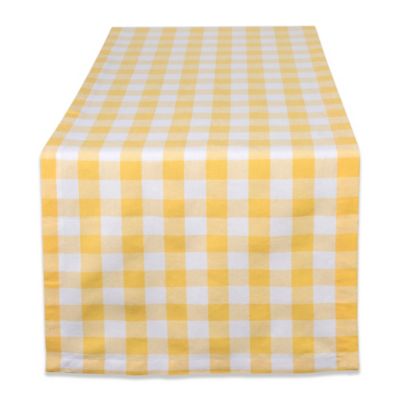
Spring Accessories can carry a similar color palette into other parts of the home. The result can stay simple: a comfortable bed, a few colors drawn from the yard and garden, and bedding that fits the way the household lives.