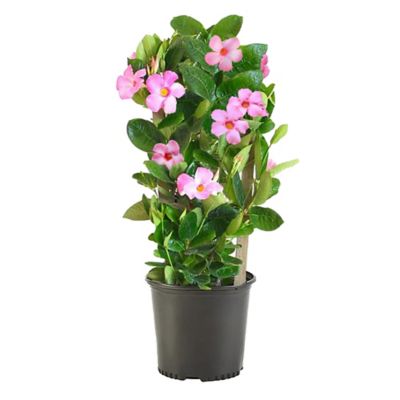
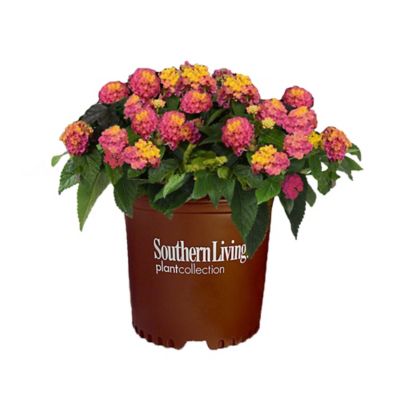
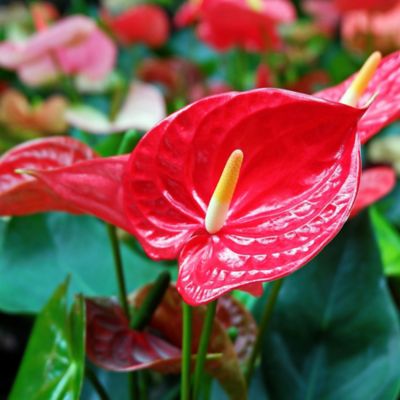
Flowering plants, also called angiosperms, are plants that make flowers and produce seeds enclosed in fruit. They’re the largest and most diverse group of land plants, and they include everything from ground covers that hug the soil to vines that climb a fence and trees that shade a whole yard. A flower is the plant’s reproductive structure, whether it’s showy enough to spot from the road or small enough to miss from a few steps away. When pollination leads to fertilization, the ovules inside a flower develop into seeds, and the ovary typically develops into a fruit. In botany, a fruit doesn’t have to be juicy or sweet. It can be a dry pod that splits open and scatters its seeds. Flowering plants make up much of what people grow for food, and their nectar, fruits, and seeds feed wildlife as well. For a home planting, some of the most useful differences are how a plant grows and how long it lives. Annuals sprout, flower, set seed, and die in a single growing cycle. Biennials typically put on leaves and roots in their first year, then flower and set seed in their second. Perennials live for more than two years, though many die back to the ground between periods of growth. A flowering shrub, on the other hand, keeps its woody stems and can give a bed some shape even when it isn’t in bloom. A plant’s growth habit matters just as much as its bloom color. A low mound can soften the edge of a front walk without hiding it, while a climbing plant can draw the eye up a fence if it has something to hold on to. In a bed viewed from the driveway, taller plants can frame the shorter ones rather than swallow them up, leaving room for blooms at more than one height.
A good fit starts with where a plant will grow, not how big it is when it comes home. The mature width on the plant tag helps tell whether it’ll fit between a fence and a walkway without sending stems across the path. Mature height matters, too, especially beneath a window where a plant can grow tall enough to cut off the view. Light can be easy to misjudge. A bed may look bright from the kitchen window but get little direct sun once the shade from a nearby tree reaches it. Many flowering plants labeled for full sun need at least six hours of direct light each day to bloom well, while shade-tolerant plants can make better use of the light under an open canopy or along a shaded wall. Where water goes matters, too. A low spot that holds puddles calls for a plant that can handle wet soil, while roots that need good drainage do better where water can move through. A container brings flowers to a porch or a set of steps where there’s no ground to plant in, but it needs drainage holes and room for the roots to grow. Unglazed clay lets moisture escape through the sides and can dry out faster than glazed clay or plastic. A heavy pot can help steady a tall planting, while a lighter one is easier to slide aside to sweep the porch. When it comes to watering, the surface doesn’t always tell the whole story: the mix can look dry on top and still feel damp a little farther down. That’s worth checking before adding more water. Snipping off faded flowers can help some plants keep blooming, but leaving a few seed heads standing gives birds something to pick through. For a plant meant to stay put for years, matching its needs to the spot can save a lot of fuss with extra watering, trimming, or moving it later.
Flowers do more than bring a patch of color to the mailbox or barn fence. Many provide nectar or pollen for bees, butterflies, and other visitors. As those visitors feed, they can carry pollen from one flower to another, helping plants produce seeds and fruit. Not all flowering plants depend on animal visitors, though. Some rely on wind to move pollen, and some can set seed with pollen from the same flower or another flower on the same plant. In a bed meant to draw pollinators, a mix of flower shapes and bloom times can make a difference. Flat clusters can give butterflies a place to land, while tubular blooms suit visitors that can reach farther inside. When neighboring plants flower at different times, one patch can still offer food after another has gone to seed. For a spot where those visits matter as much as the color, browse
Plants To Attract Pollinators. Plants native to the area can also help feed local insects, including caterpillars that depend on particular plants for their leaves. Where the flowers will be seen can help narrow the choice, too. Along a driveway, a patch of the same bloom color is easier to pick out from a distance than a scattering of single plants. Beside a bench, smaller blooms and a light scent have a chance to stand out because there’s time to notice them up close. A flowering plant can also make a fitting gift for a new neighbor with a bare front stoop or a friend who’d rather tend a garden than find room for another keepsake. A compact plant suits someone with a little porch and no bed to spare, while a spreading plant makes more sense for someone with ground to fill. Where pets or livestock can reach the leaves or blooms, it’s worth checking that the plant is safe for those animals before bringing it home.