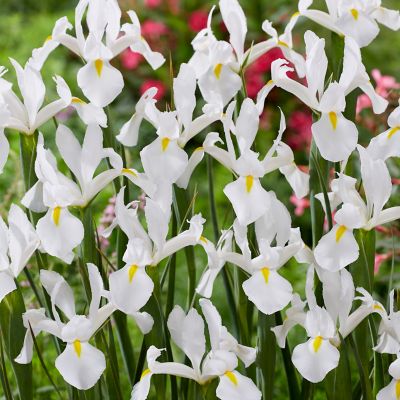
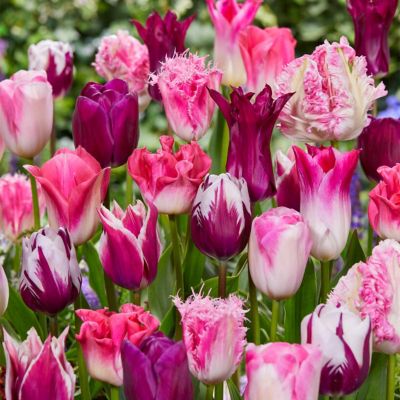
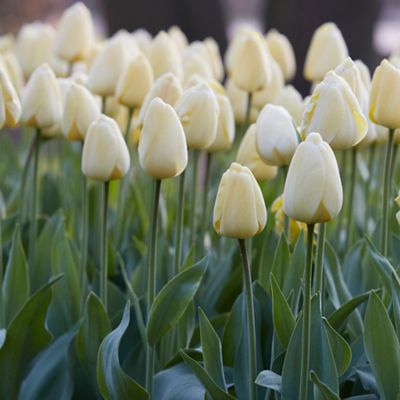
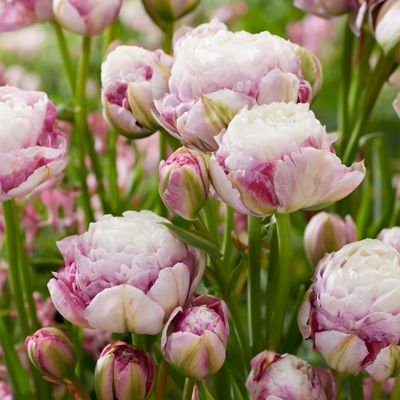
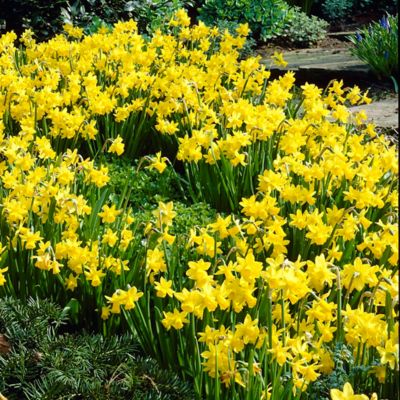
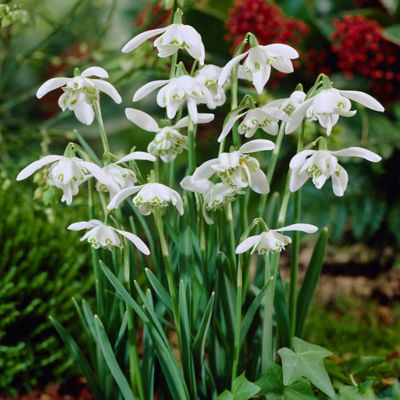
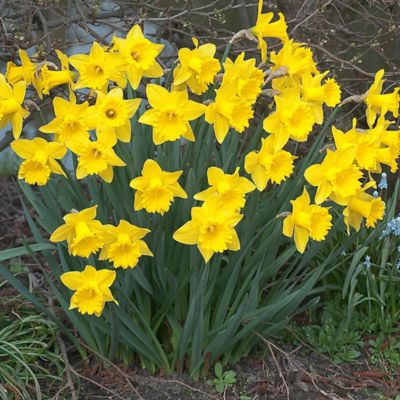
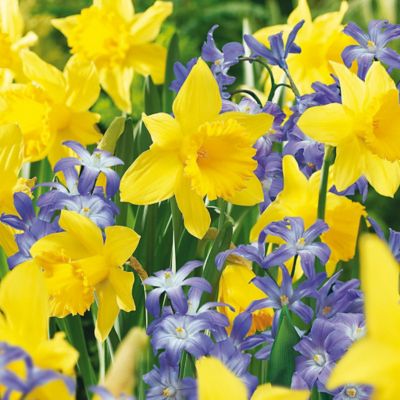
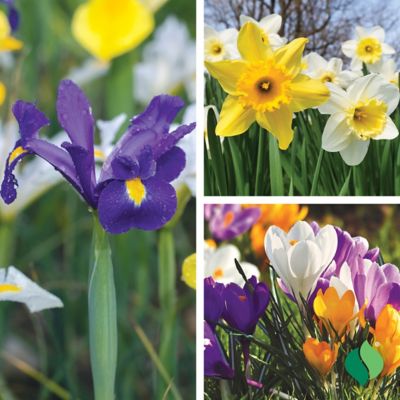
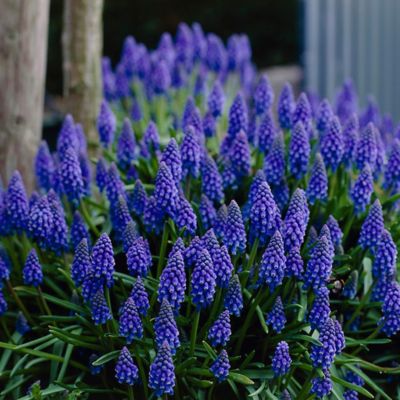
Early spring blooming bulbs bring the first patches of flower color to garden beds, fence lines, and front walks, often before the lawn needs its first mowing. Snowdrops, crocuses, winter aconites, glory-of-the-snow, and dwarf irises are among the earliest bloomers, with flowering times ranging from late winter into early spring depending on the plant, local climate, and exposure. Their flowers stay close to the ground, where a small cluster can brighten the edge of a porch step or stand out against fallen leaves beneath a tree. Snowdrops carry nodding white flowers, while crocuses open cup-shaped blooms in shades that include purple, white, and yellow. Winter aconites bring yellow flowers above a collar of green leaves; glory-of-the-snow adds star-shaped blooms in blue, pink, or white. Dwarf irises offer rich color and patterned petals on short stems that suit the front of a bed. These plants are commonly grouped together as flowering bulbs, although some grow from corms or tubers rather than true bulbs. Their underground structures store energy that supports early growth, making them well suited to gardens planned around a return of spring color. Most spring-flowering bulbs are planted in fall, allowing roots to develop before their flowering season. They are spring bloomers, not fall-blooming plants, and many need a period of cold to flower properly. For shoppers comparing early spring flower bulbs, expected bloom time, mature height, and local hardiness matter more than color alone. A sunny patch beside a south-facing foundation may flower ahead of a more exposed bed across the yard, so bloom schedules are best treated as a range rather than a promise. Several kinds planted together can extend the display instead of putting every flower on the same timetable. That makes these bulbs a good fit for a small farmhouse garden, a tidy walkway border, or a larger planting meant to soften the space between the house and an open stretch of yard.
The right early spring bulbs fit both the planting space and the amount of attention that space receives. Good drainage is a key consideration: soil that stays waterlogged can lead to rot, even when a bulb tolerates freezing temperatures. A bed with loose, well-draining soil offers a different setting from a low spot where runoff collects after rain or melting snow. Many early bloomers do well beneath deciduous trees because sunlight reaches the ground before the branches leaf out, though moisture needs and shade tolerance vary by plant. Along a walkway, short varieties keep flowers in view without crowding the path. In a larger bed, repeated clusters tend to look more settled than widely scattered single bulbs, especially when the flowers are small. Mature spread also deserves a look. Some types gradually form colonies where conditions suit them, while others remain smaller clumps or need more attention to maintain a strong display. Planting depth and spacing depend on the bulb type and size; package directions are the best reference, with a depth of roughly two to three times the bulb’s height serving as a common starting point for many true bulbs. Firm bulbs without soft spots or signs of rot offer a better start than damaged planting material. Size comparisons make the most sense within the same kind of bulb, since a naturally small snowdrop bulb should not be judged against a much larger flowering bulb. Containers are another option for gardeners with limited bed space or anyone who wants blooms near an entry. Drainage holes, enough soil around the roots, and a container material suited to freezing conditions all matter. Roots in pots have less protection from temperature swings than roots in the ground, so container plantings may need sheltered placement or other protection appropriate to the region. In mild-winter areas, the plant’s chilling requirements deserve particular attention; not every early spring bulb will return and bloom well without sufficient winter cold.
Long-term enjoyment depends on what happens after the flowers fade as much as on the first flush of color. The leaves gather energy for the next flowering cycle, so their place in the landscape matters even when they are no longer the main attraction. Nearby perennials can help screen fading foliage without requiring it to be cut back early. Bulbs planted in grass need a spot where mowing can wait until the leaves have yellowed naturally; a busy stretch of lawn that gets trimmed often may be a poor match. A quiet corner near the mailbox, the edge of a garden fence, or an area outside the regular mowing route may make more sense. Moisture needs also differ through the year. Some bulbs favor a drier resting period, while others do better where the soil does not dry out completely, making compatibility with neighboring plants worth considering. Deer, rabbits, and digging rodents can affect the display, too. Resistance varies by plant, and no planting is completely protected from hungry wildlife. Where squirrels are active or deer pass through regularly, plant selection and suitable barriers may matter as much as flower color. Homes with pets, small children, or livestock need another layer of care: many flowering bulbs are toxic if eaten, and planting material belongs out of reach and away from feed storage. For gardeners who enjoy tending both flowers and food crops, early blooms can be part of a broader yard plan alongside
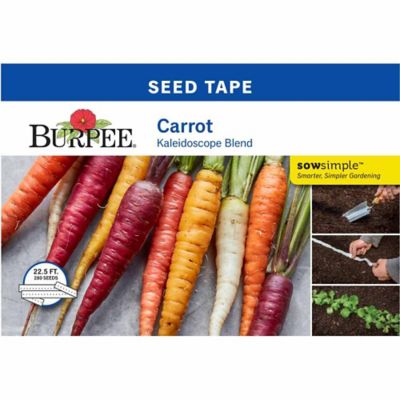
Carrot Seeds For Spring Planting, with each planting given the soil, space, and care it needs. Flowering bulbs can also make a thoughtful gift for someone establishing a new garden, provided the selection matches the recipient’s climate and planting schedule. Whether the goal is a few white blooms beneath a bare-branched tree or a ribbon of purple and yellow along the walk, a well-matched selection brings color close to everyday life without demanding a large garden.