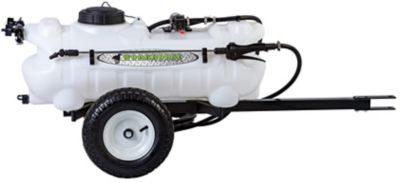
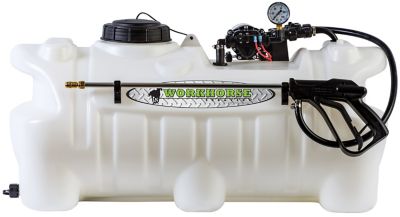
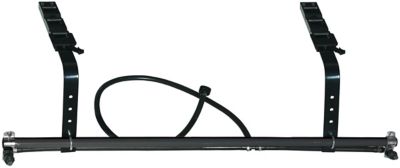
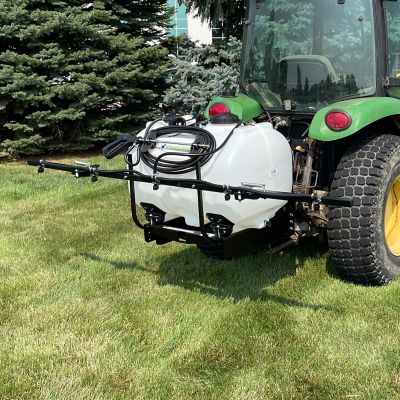
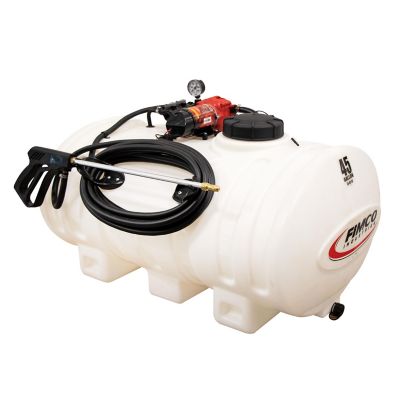
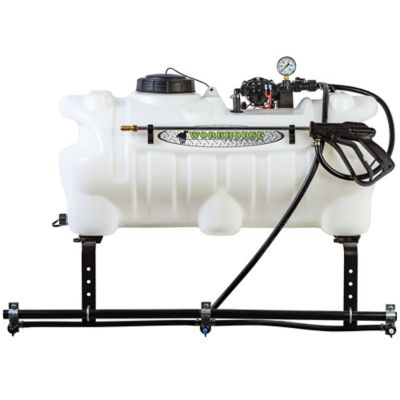
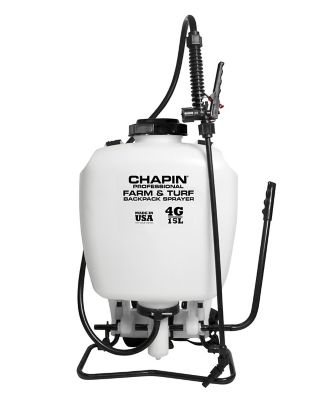
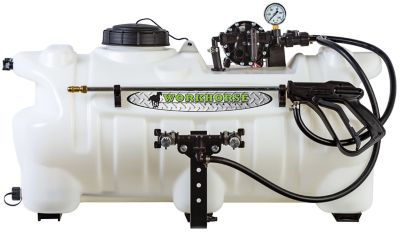
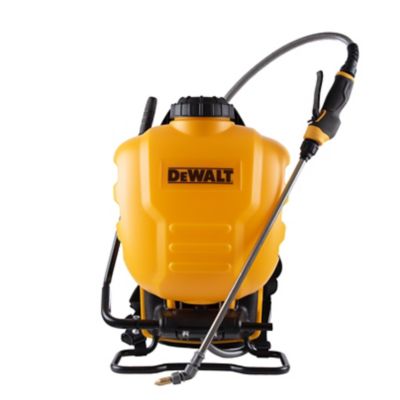
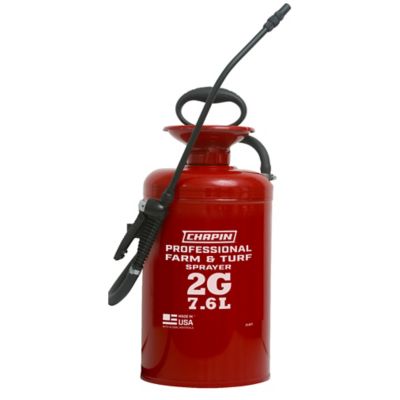
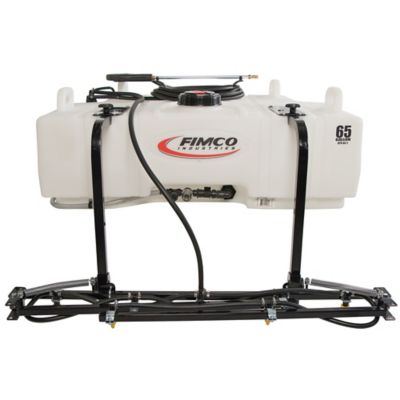
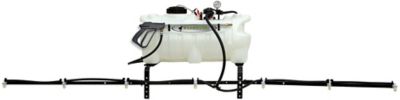
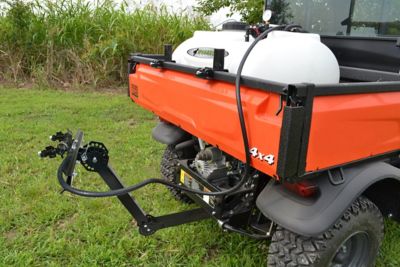
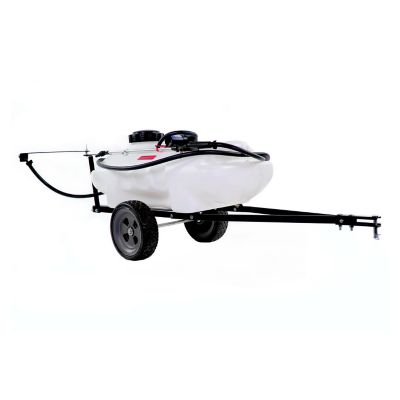
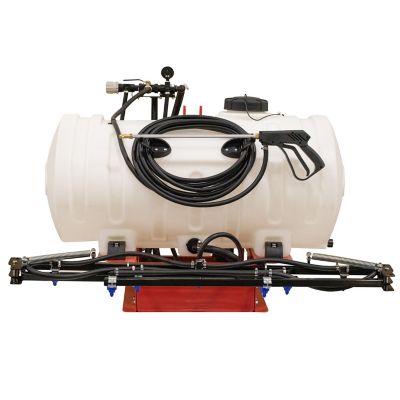
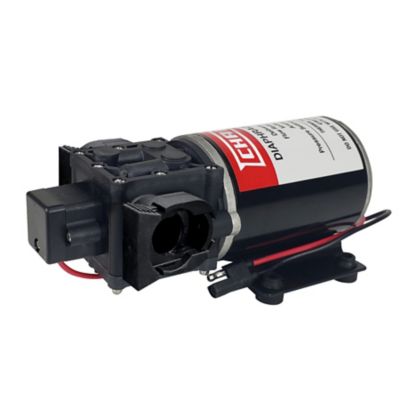
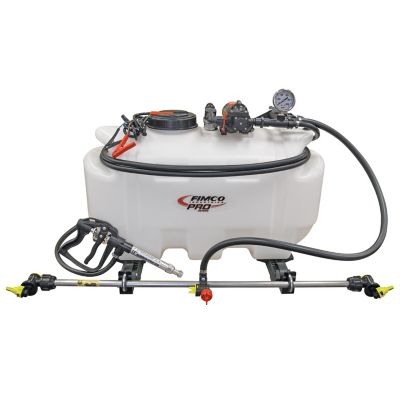
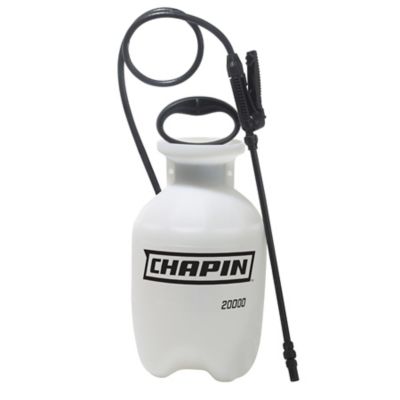
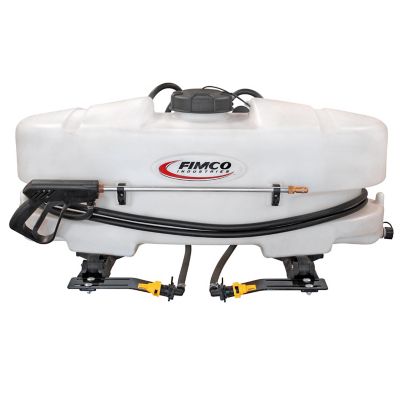
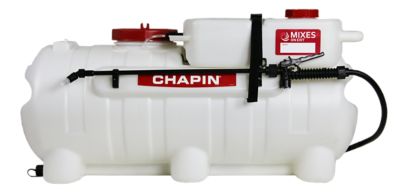
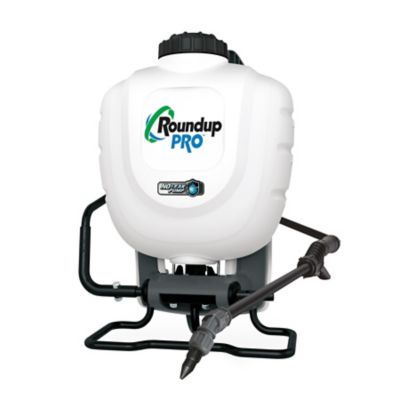
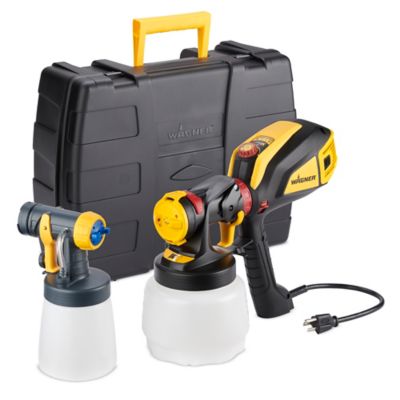
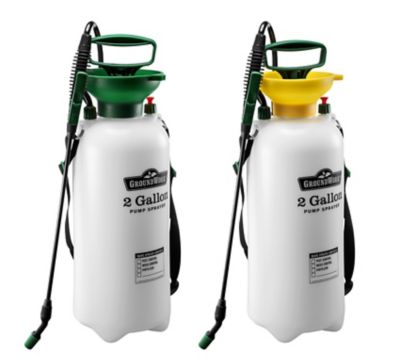
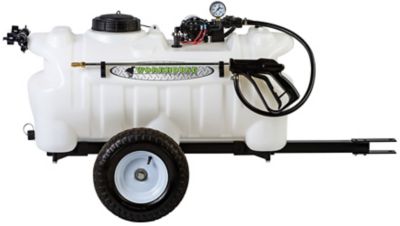
Sprayers for weeds make it easier to put weed control products where they belong without soaking an entire yard, garden edge or gravel drive. Whether you are cleaning up a few dandelions around the mailbox or covering a larger stretch of fence line, the right sprayer can help you work with better control and less wasted solution. Handheld pump sprayers are a handy choice for small yards, spot treatments, flower bed edges and touch-ups along walkways. These compact sprayers usually hold about 1 to 2 gallons and build pressure with a few strokes of the pump handle. They are easy to carry, simple to store and useful for homeowners who only need to treat weeds now and then. Backpack sprayers offer more capacity and keep the tank close to your back, which can make a long job more manageable across a big yard, acreage or outbuilding area. A battery-powered sprayer can be a welcome option when repeated pumping becomes tiring, especially when treating a larger property or making several passes across uneven ground. Hose-end sprayers connect to a standard garden hose and can apply certain liquid concentrates across broad areas, making them useful when the job calls for wide coverage rather than careful spot spraying. For properties with open fields, fence rows or grazing areas, a
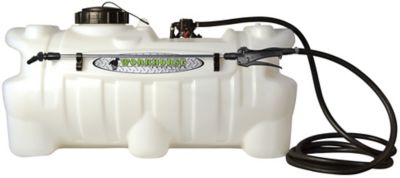
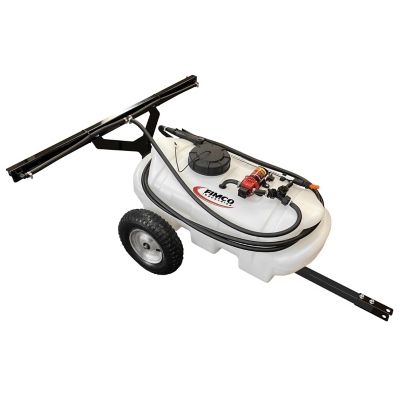
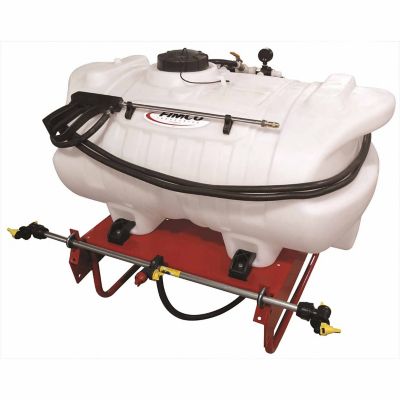
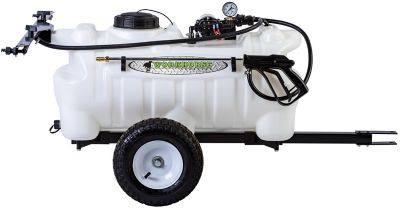
Pasture Sprayers selection can help match the equipment to the size and layout of the land. Choosing between these styles starts with the area you plan to cover, how often you expect to spray and how much weight you are comfortable carrying. A one-gallon tank may be just right for a small lawn, while a 3- to 4-gallon sprayer can reduce refill trips on a larger property. Keep in mind that a full tank is heavier than an empty one, so comfort matters just as much as capacity when you are walking around trees, posts, sheds and garden borders.
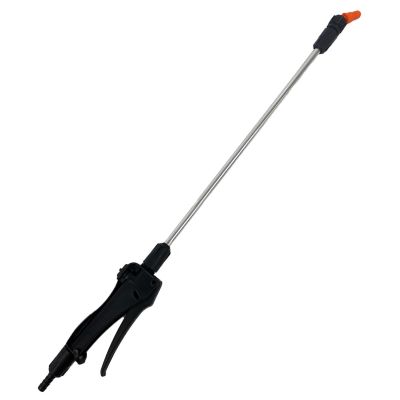
The nozzle is another important part of a weed sprayer. An adjustable tip can shift from a narrow stream for treating a single weed to a wider fan pattern for covering a row or patch with more even passes. A focused stream helps limit drift and makes it easier to avoid nearby flowers, shrubs and vegetables, while a fan spray can save time on suitable open areas. A translucent tank lets you check the remaining liquid without opening the container, and a wide tank opening makes measuring and filling less of a chore. Look for a comfortable handle, secure shoulder straps on backpack models and a wand that feels balanced in your hand. A pressure relief valve is also a useful feature because it allows trapped pressure to escape before you open the tank for cleaning or refilling. Manual sprayers are straightforward and do not depend on a charged battery, but they require occasional pumping to maintain pressure. Battery-powered models provide steady pressure with less hand effort, though the battery should be charged and stored according to the manufacturer’s directions. Before buying, consider where you will store the sprayer, whether you need to carry it up steps or over rough ground, and whether replacement seals, wands or nozzles are readily available. A sprayer can also be a practical gift for a new homeowner, someone caring for a rural property or a family member who takes pride in keeping the place neat around the barn, driveway and fence. It is the kind of useful equipment that often earns its keep during routine property care, especially when a larger backpack unit would be more than they need and a small hand bottle would not cover enough ground.
Safe use matters every time you apply a weed control product. Read and follow the product label before mixing or spraying, including directions for dilution, approved application areas, weather conditions and any required protective clothing. Use only a product that is labeled for the weed, surface or location being treated, and never guess at the mixing rate. Wear the recommended gloves, eye protection, long sleeves, long pants and closed-toe footwear, and keep children, pets and livestock away from the application area as directed on the label. Wind can carry a fine mist farther than expected, so calm conditions are generally better for controlled application; avoid spraying when wind may move the product toward gardens, ponds, neighboring property or desirable plants. Rain and extreme heat can also affect how a treatment performs, so check the label for timing guidance. When spraying, keep the wand close enough to reach the target without creating a cloud of mist, use steady walking speed and avoid overapplying one patch. It can help to mark treated areas mentally or with temporary flags so you do not make a second pass by mistake. After the job, release pressure safely, empty leftover solution only as the label directs and rinse the tank, wand and nozzle with clean water. Do not pour rinse water into drains, ponds or areas where children and animals play. Store the sprayer clean, dry and clearly identified for its intended use, and do not use a sprayer that has held herbicide for fertilizers, insect control or other products unless the equipment is specifically approved and thoroughly cleaned according to label directions. During the cooler months, protect tanks, pumps and batteries from freezing conditions, and inspect hoses, seals and spray tips before the weather warms and outdoor chores pick back up. With the right capacity, nozzle and power source, a weed sprayer can turn a frustrating patch of unwanted growth into a manageable part of regular property maintenance.