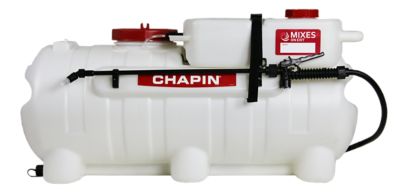
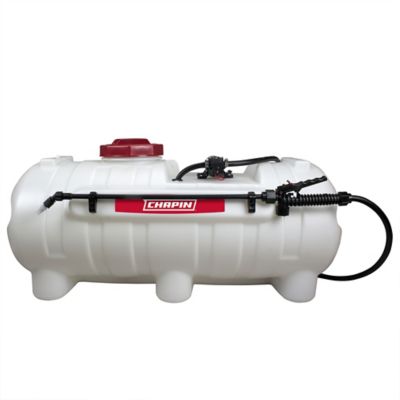
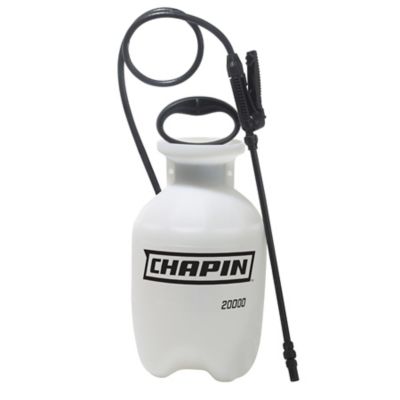
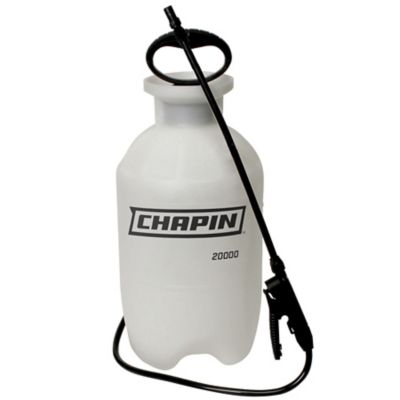
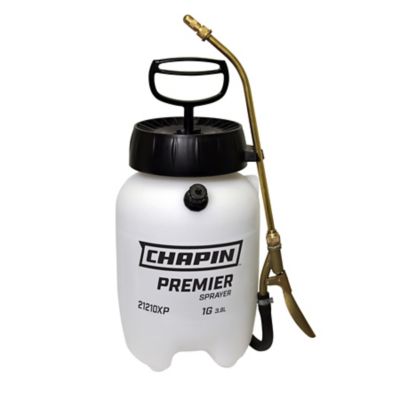
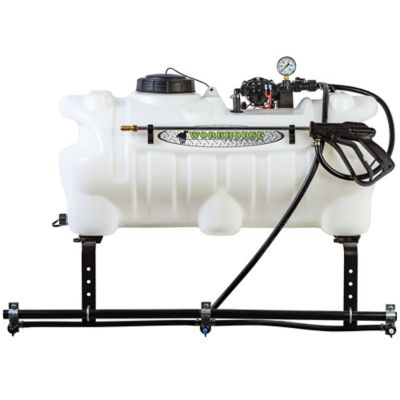
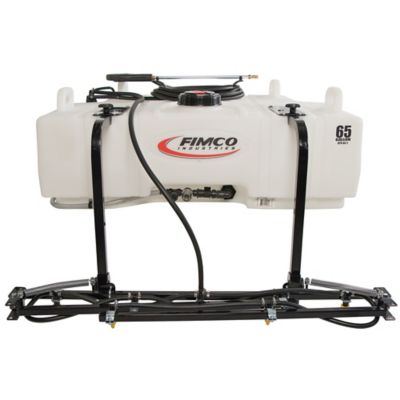
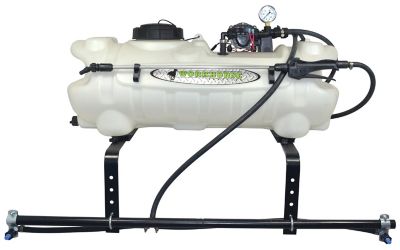
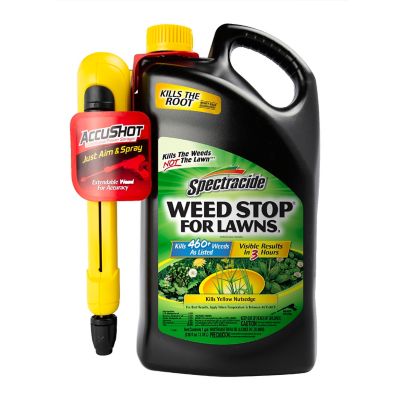
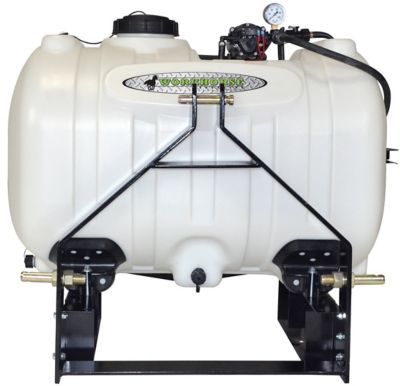
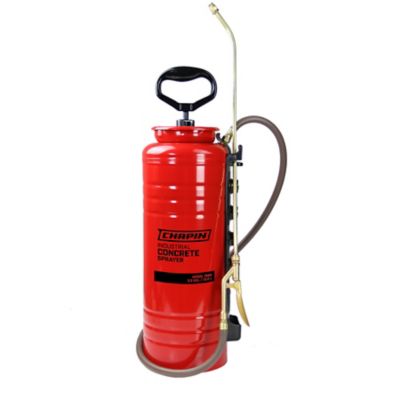
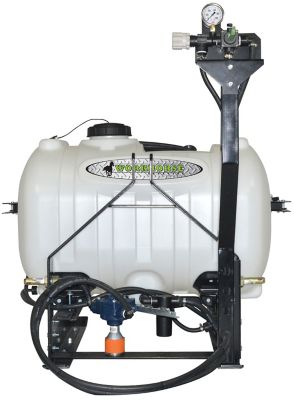
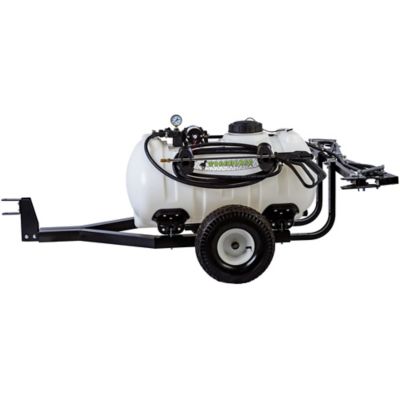
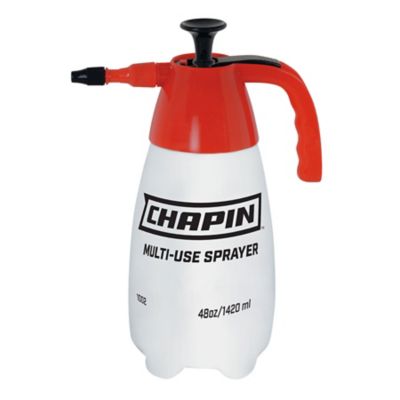
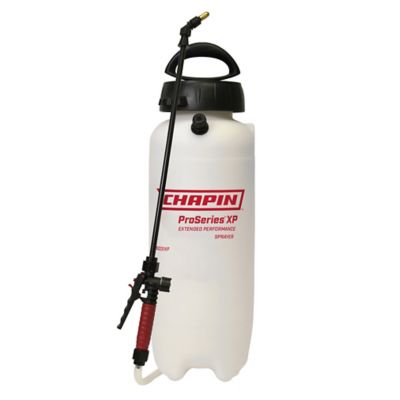
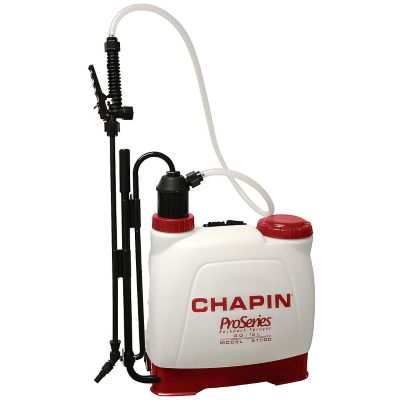
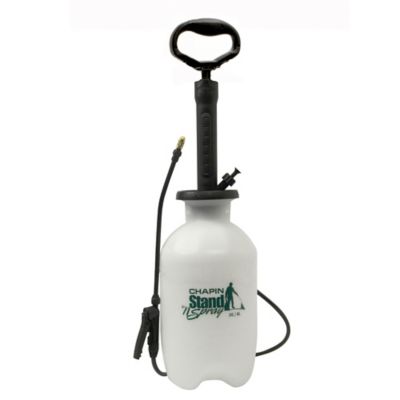
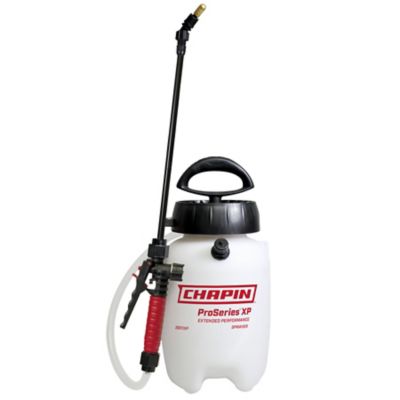
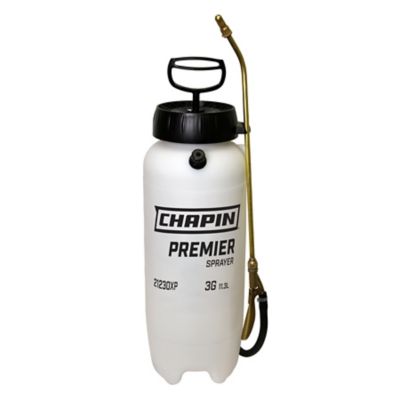
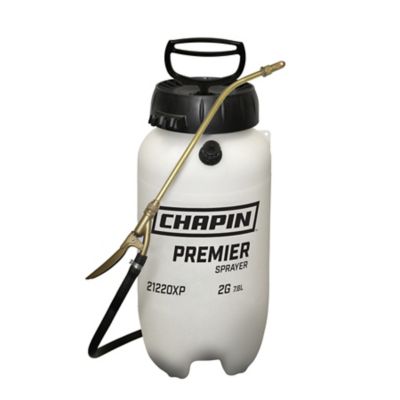
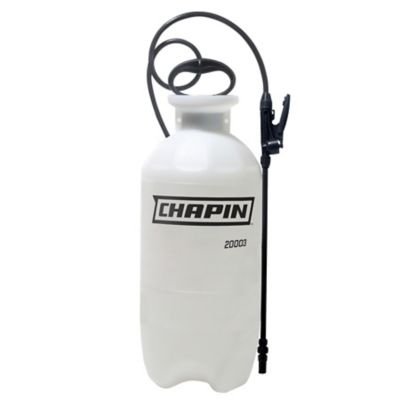
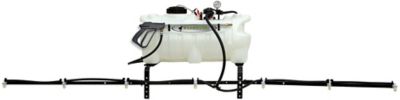
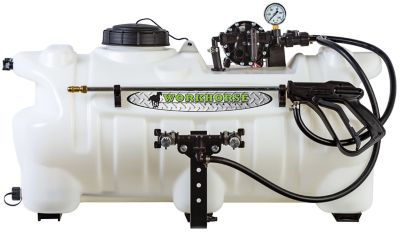
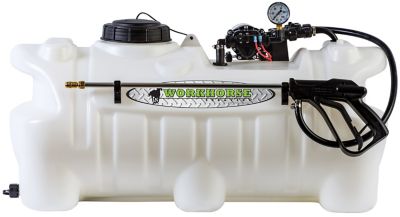
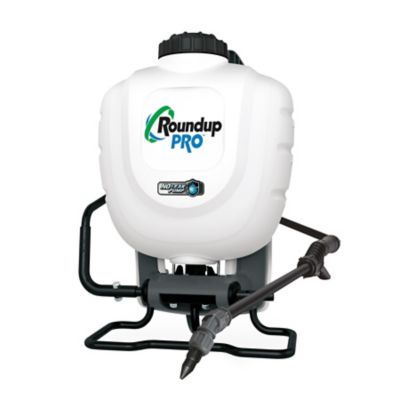
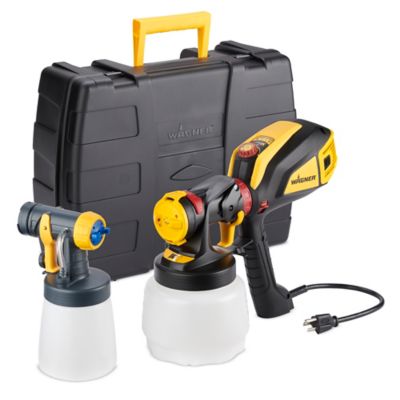
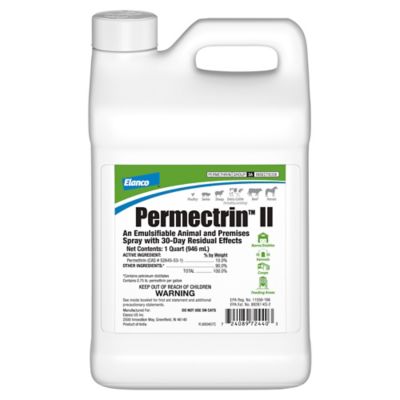
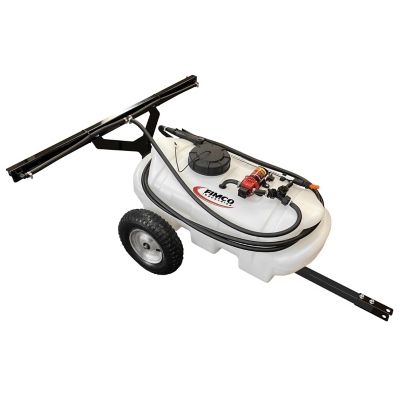
Pesticide sprayers make it easier to apply the right amount of lawn and garden treatment across the areas that need attention, whether you are spot-treating weeds along a fence line, managing insects around ornamental plants or protecting a larger property from unwanted pests. The right sprayer depends mostly on the size of the job, the material being applied and how often you plan to use it. Handheld pump sprayers are handy for small gardens, flower beds, porch areas, baseboards and occasional spot treatments. They are easy to carry, simple to store and a practical choice when you only need to cover a limited area. Battery-powered sprayers can help take some of the work out of repeated pumping, especially when treating several garden rows or walking a longer perimeter. Hose-end sprayers are useful for covering broad lawn areas with water-soluble treatments, since they draw and dilute product as water passes through the attachment. For acreage, large gardens, pasture edges and perimeter applications, backpack sprayers offer more capacity while keeping the tank close to your body for easier movement. Larger gas-powered or high-capacity units may be suited to demanding jobs and frequent use, but they also require more storage space, maintenance and attention to operating instructions. As you compare pesticide sprayers, consider tank size, filled weight, spray reach and how comfortably the straps, handle or wand fit your hands. A bigger tank can reduce refills, though a full tank may become tiring to carry over uneven ground. Adjustable nozzles and pressure controls can help you move from a narrow stream for cracks and fence posts to a broader spray for shrubs or lawn edges. Look for chemical-resistant tanks, hoses, seals and gaskets that are made to handle the type of solution you intend to use. If you already use other equipment around the property, browsing related
Sprayers Farm Tools can make it easier to find equipment that fits the rest of your setup.
Before using any pesticide sprayer, read the product label from start to finish and follow its directions for mixing, application, protective equipment, reentry time and disposal. The label is the final word on where a treatment may be used, how much to apply and what conditions to avoid. Never guess at a dilution rate, and do not combine products unless the label specifically allows it. Measuring carefully helps prevent waste, plant damage and unnecessary exposure, while a clearly marked measuring container kept only for pesticide use helps keep the process organized. Wear the protective clothing listed on the label, which may include gloves, eye protection, long sleeves, long pants and other gear. Keep children, pets, livestock, neighbors and bystanders away from the treatment area as directed, and take extra care around wells, ponds, streams, vegetable gardens, pollinator plants and animal watering areas. Wind, heat and rain can affect where a spray goes and how well it works, so application is generally best during calm, dry conditions that match the product directions. A low-drift nozzle and careful walking pace can help keep spray on its intended target, but no nozzle takes the place of good judgment. Avoid spraying when wind is carrying mist toward doors, windows, vehicles, animal enclosures or nearby gardens. For edible crops, use only products labeled for that crop and observe the required harvest interval. A sprayer used for weed control should not automatically be used on vegetables, fruit trees or ornamental plants unless it has been thoroughly cleaned according to the pesticide label. Even a small amount of leftover herbicide can harm sensitive plants. After each use, empty the tank as directed, rinse the sprayer with the proper amount of clean water and flush the wand, hose and nozzle in an approved location. Do not pour leftover solution or rinse water into a drain, ditch, pond or stream. Check the nozzle for clogs with a soft brush or the method recommended by the manufacturer rather than blowing through it or using a sharp object that could change the spray pattern. Let parts dry before storage, and inspect hoses, seals and connections so a small leak does not turn into a bigger problem during the next application.
Pesticide sprayers can be useful for homeowners, gardeners, small-acreage landowners, livestock owners, property managers and anyone responsible for keeping outdoor spaces in good shape. A gardener may use a compact sprayer to deal with a few problem plants without treating an entire bed, while a rural property owner may prefer a backpack model for walking fence lines, outbuildings and the edge of a drive. Someone caring for a rental property or community green space may value a durable tank, comfortable harness and dependable pressure control for repeated work. Sprayers can also make a practical gift for a new homeowner, an avid gardener or a family member taking on more land, particularly when matched to the recipient’s habits and storage space. A small, easy-to-clean unit is often more useful than a large model for someone with a patio garden, while a person maintaining several acres may appreciate extra capacity and a longer wand. During the cooler months, inspect the sprayer before storing it for an extended stretch. Follow the manufacturer’s instructions for draining the tank, protecting the pump and preventing freeze damage, and keep pesticides and equipment in a secure, labeled area away from feed, seed, heat sources and children. When warmer weather returns, check the tank, cap, hose, wand, nozzle and battery or fuel system before filling the unit. A quick inspection can catch cracked seals, brittle tubing or a clogged tip before you are standing in the middle of a job. With the right size, spray pattern and carrying style, a pesticide sprayer can help you work more neatly and efficiently while using treatments responsibly.