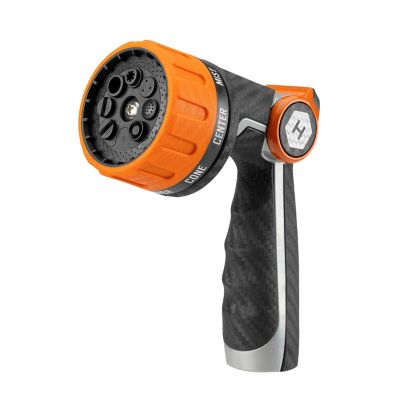
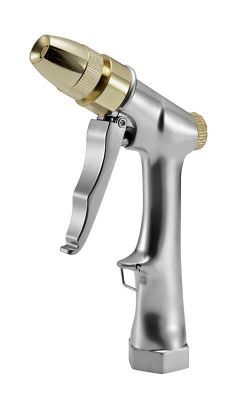
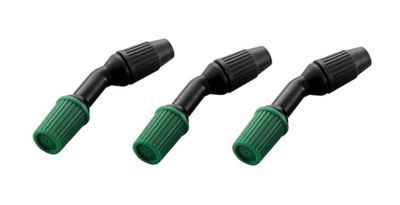
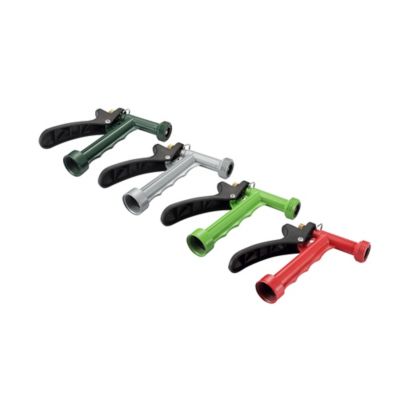
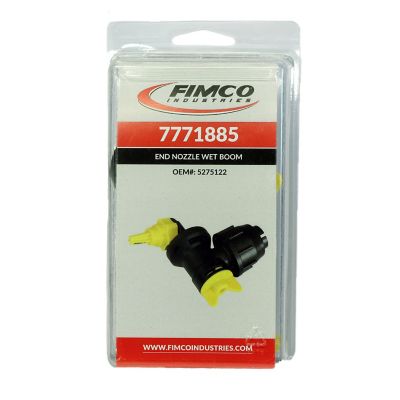
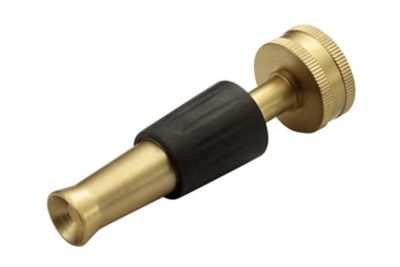
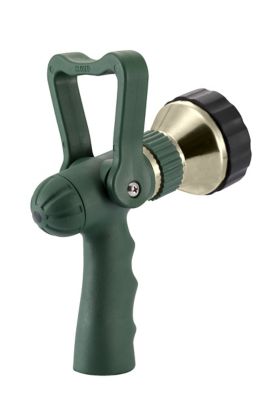
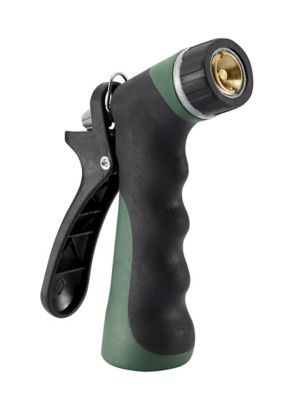
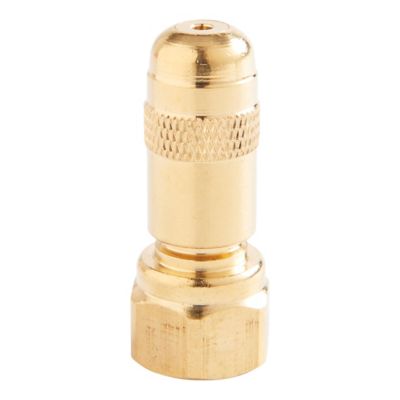
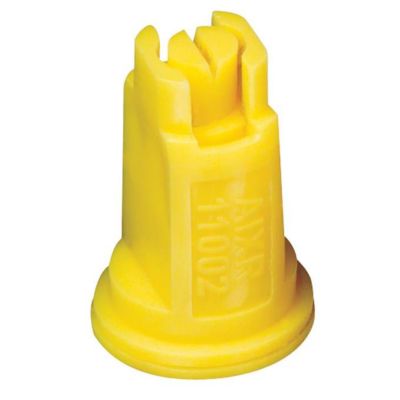
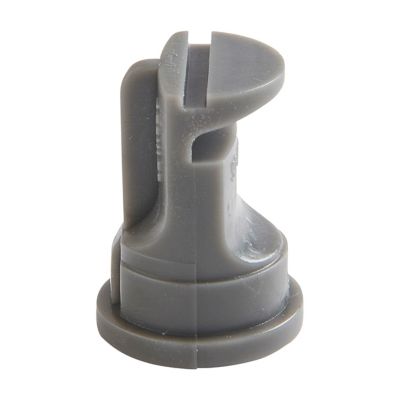
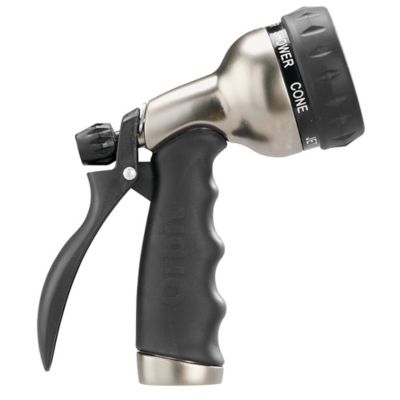
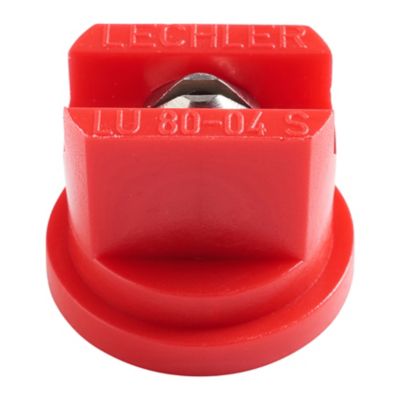
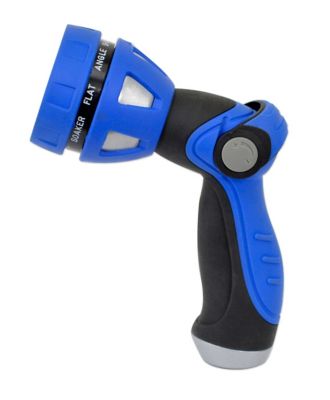
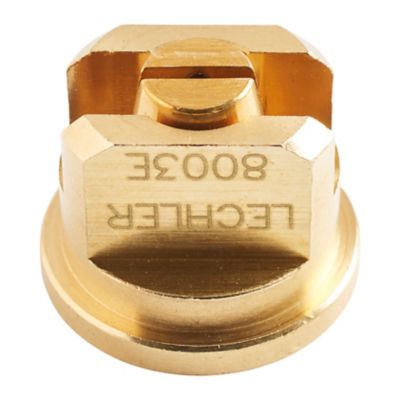
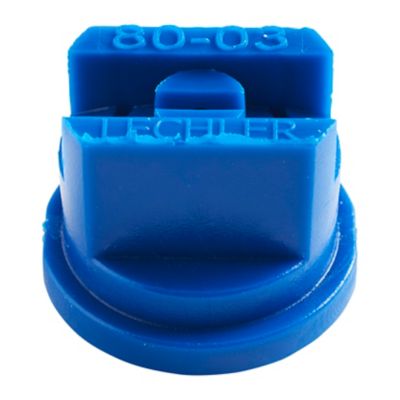
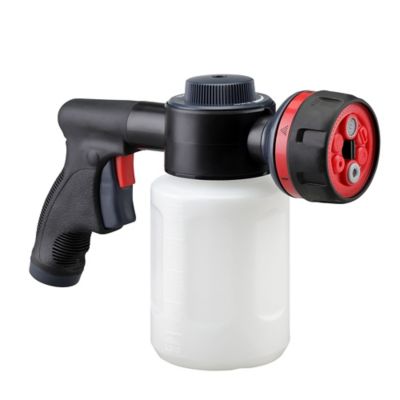
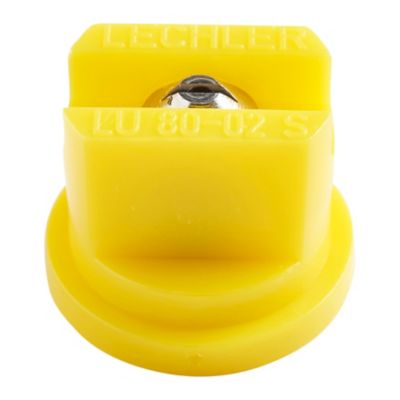
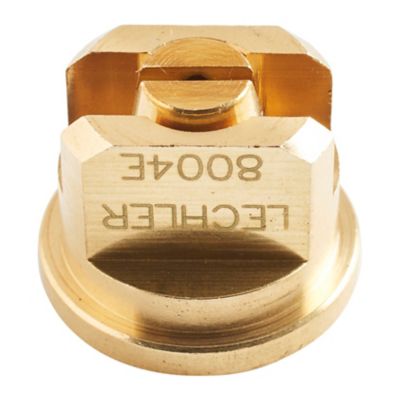
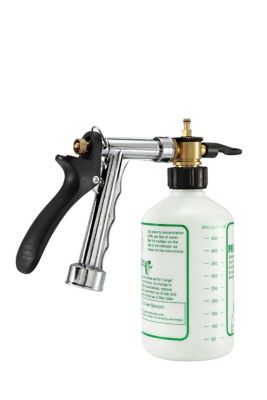
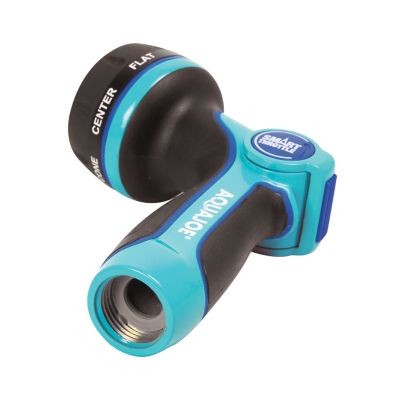
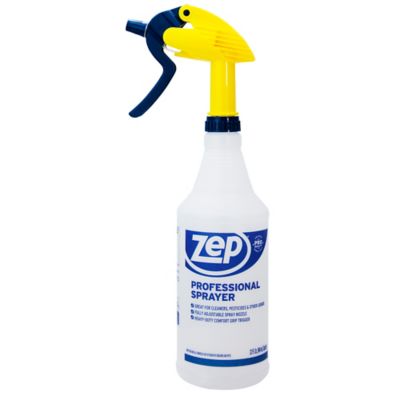
Sprayer nozzles control liquid flow rate, droplet size, and spray pattern, helping direct water, herbicides, fertilizers, and other labeled solutions where they belong. Though small enough to fit in a pocket, a spray tip has a big say in how a sprayer performs, whether the job involves a garden bed, a fence line, or a pasture. Different nozzle patterns suit different applications. Flat fan nozzles produce a broad, fan-shaped pattern and can provide even coverage across a boom when nozzle spacing, operating pressure, and spray height work together. Wide-angle flooding nozzles generally deliver a broad pattern with larger droplets, though their application requirements depend on the nozzle design. Cone nozzles create a circular spray pattern, with hollow-cone and full-cone designs distributing liquid differently within that circle. Adjustable sprayer nozzles let the operator change the pattern, often between a narrower stream and a wider spray, making them useful for spot work that calls for flexibility. A narrow stream can help direct liquid toward an individual target, while a broader pattern covers more surface area in a pass. Pattern alone does not tell the whole story, though. The amount of liquid delivered and the size of the droplets also matter, especially when applying a treatment with specific label requirements. Larger droplets can help limit drift, while smaller droplets may provide more surface coverage where the application calls for them. No single droplet size fits every task. Around the property, these differences show up in practical ways: treating scattered weeds beside a gate takes a different approach from covering a broad section of ground with a boom sprayer. Gardeners, acreage owners, grounds crews, and farm operators all have reasons to keep the right spray tips matched to their equipment and the work ahead. The best fit starts with the application rather than simply choosing the widest spray or the strongest stream. Nozzle pattern, flow capacity, and labeled application requirements belong together.
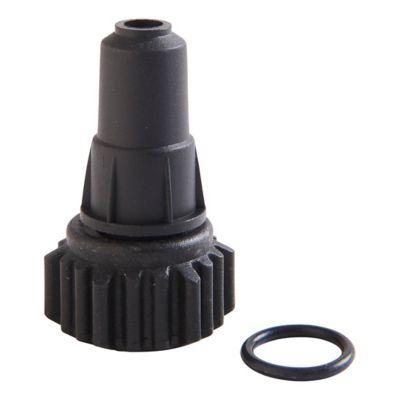
Fit and construction help separate a suitable replacement nozzle from one that merely looks close. Handheld pump sprayers, backpack sprayers, tow-behind units, and boom systems can have different connections, pressure ranges, and tip assemblies. Some setups accept threaded nozzles, while others hold a spray tip inside a cap with a gasket or seal. Thread size, thread type, mounting style, and the shape of the nozzle body all affect compatibility. A tip that fits inside a cap still needs the proper seal and operating specifications to perform as intended. Flow ratings deserve the same attention. A nozzle’s gallons-per-minute rating applies at a stated pressure, so comparing ratings without checking that pressure can give the wrong impression of its capacity. Raising pressure generally increases flow and can change droplet size, but pressure alone is not a substitute for selecting the right nozzle capacity. On a boom, matched tips help maintain consistent output from one position to the next. Spray angle, nozzle spacing, and boom height also influence how neighboring patterns overlap. Those details matter when an uneven band of treatment could leave missed strips or put too much liquid in one spot. Materials bring another set of considerations. Polymer, brass, stainless steel, and ceramic components offer different combinations of chemical compatibility, abrasion resistance, and handling characteristics. Brass is common in adjustable assemblies, while stainless steel and ceramic orifices can offer strong resistance to wear in suitable applications. Polymer tips provide another option, but compatibility depends on the particular material and spray solution. No material is right for every chemical, and seals need to match the solution too. Manufacturer specifications and the chemical label are the right references for those decisions. Strainers also play a part in performance by catching debris before it reaches the nozzle opening. The appropriate screen size depends on the tip and formulation; a finer screen is not automatically better if it restricts flow or conflicts with application requirements.
Care between jobs helps spray nozzles hold their intended pattern and output. Dried residue, grit, and material left in the tank can interfere with an opening that is much smaller than it appears from the outside. An uneven fan, an off-center stream, or a change in output may point to a blockage, wear, or a damaged component rather than a problem with the entire sprayer. Cleaning should follow the sprayer manufacturer’s directions and the solution label, including any required cleaning agent, protective equipment, and rinsate disposal steps. A soft brush is generally a better choice for clearing a tip than wire, a nail, or another hard object that could enlarge or scratch the opening. Blowing through a nozzle by mouth creates an exposure risk and has no place in sprayer maintenance. Pressure needs to be relieved before a nozzle assembly comes apart, and clean-looking components can still carry chemical residue. Once cleaned, tips, caps, strainers, and seals benefit from organized storage that keeps grit out and makes matching parts easier to find. That matters when a backpack sprayer moves between small jobs or a boom needs a full set of matching tips before heading out. Periodic output checks can also reveal wear that a quick glance misses, since a worn opening may pass more liquid even when the pattern looks fairly normal. Replacement decisions are best based on the manufacturer’s specifications and measured performance, not appearance alone. It also helps to keep agricultural and garden spraying separate from high-pressure cleaning.
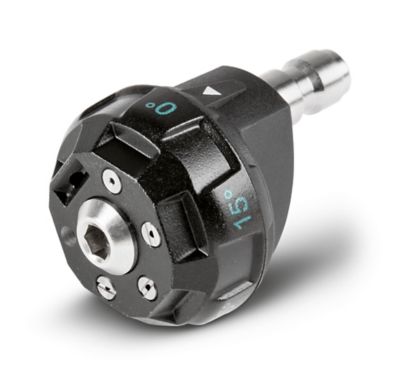
Pressure Washer Nozzles belong to a different equipment category, with their own pressure, flow, and connection requirements; they are not substitutes for chemical sprayer tips. For everyday property work, a well-matched sprayer nozzle helps make the equipment more manageable, from reaching a patch along a fence to maintaining an even pattern across a larger treatment area. The right combination of fit, material, flow, and spray pattern keeps attention on the job instead of on a leaking connection or an uneven pass.