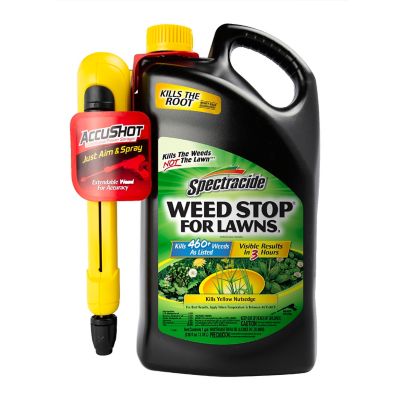
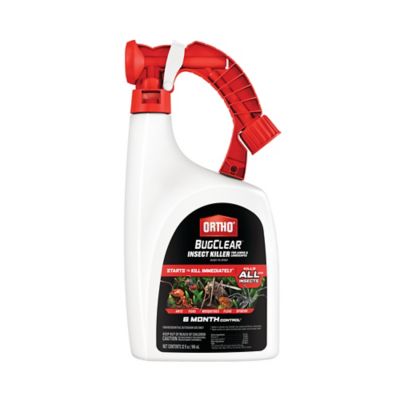
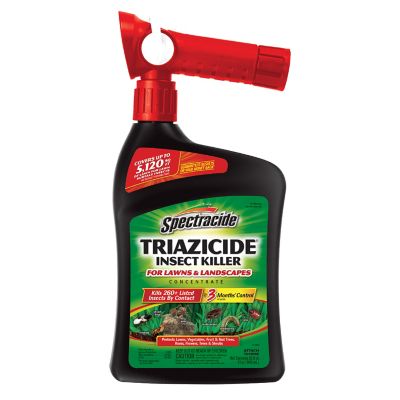
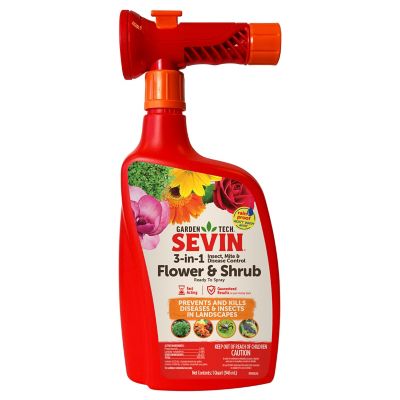
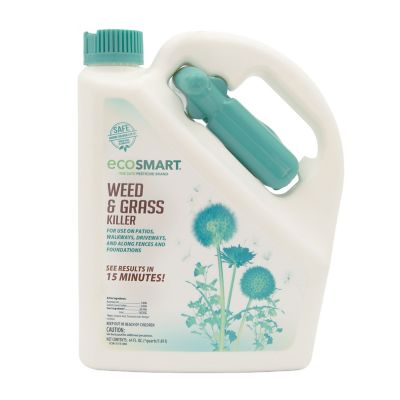
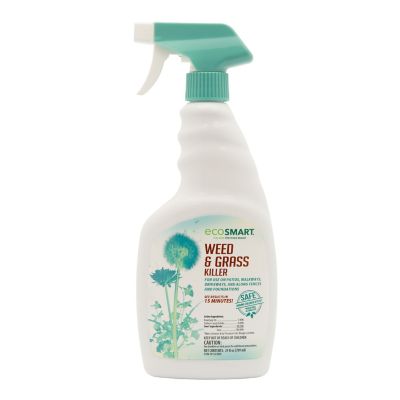
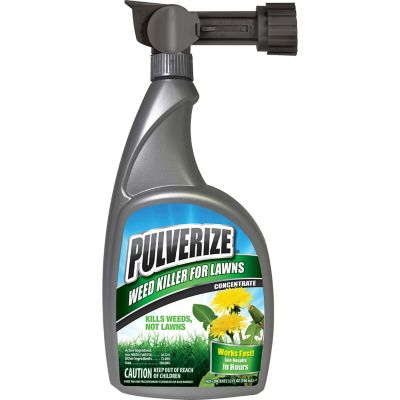
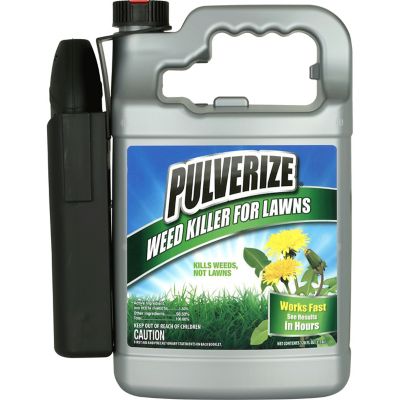
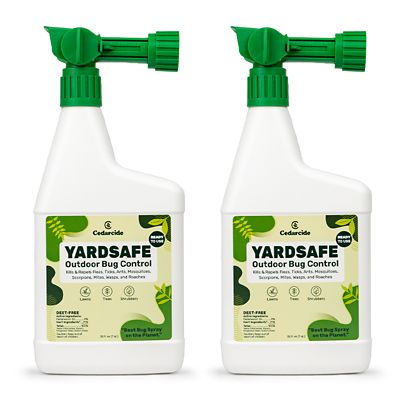
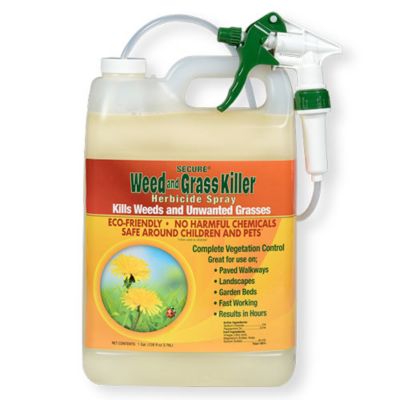
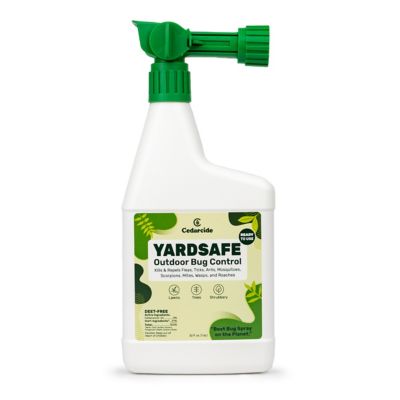
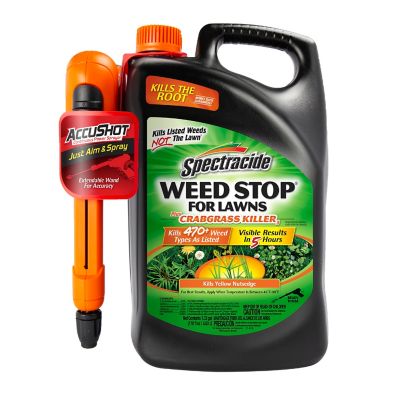
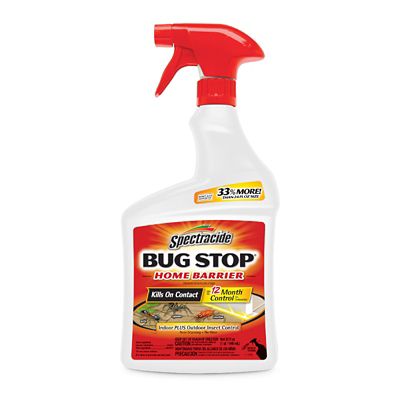
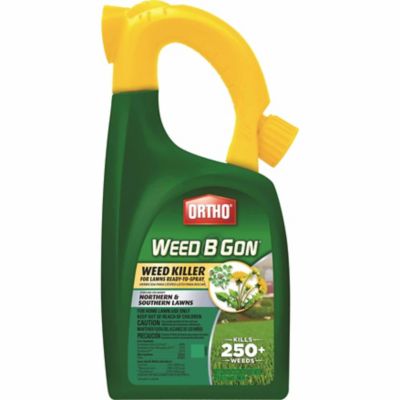
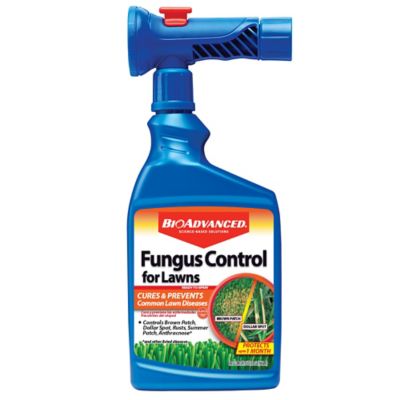
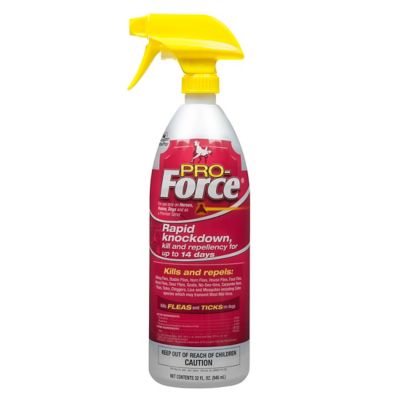
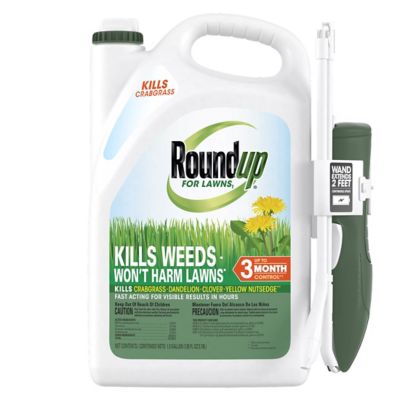
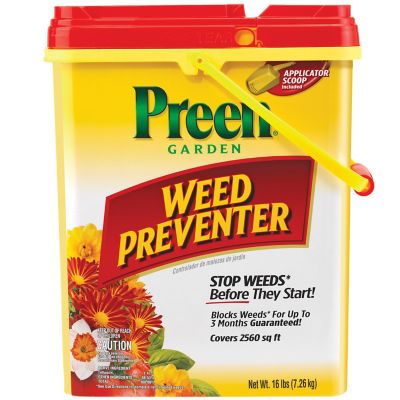
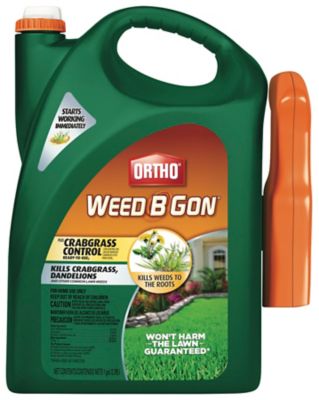
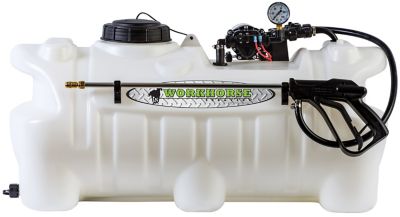
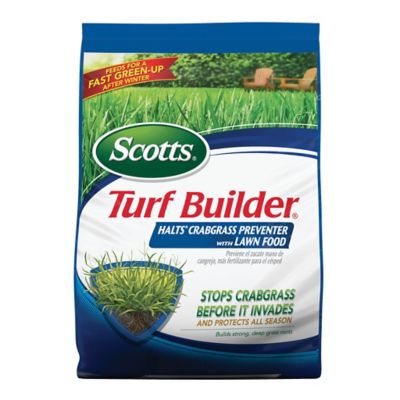
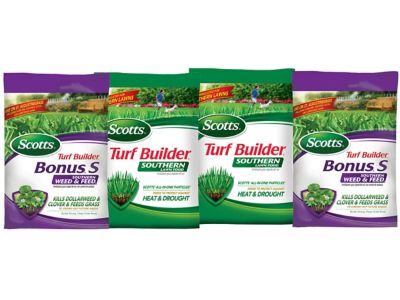
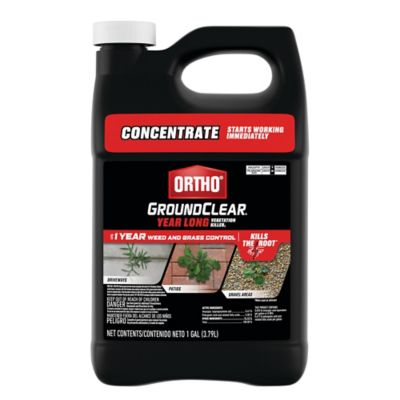
Lawn care spray can help handle many of the jobs that keep a yard looking healthy, from knocking back broadleaf weeds and grassy weeds to feeding turf, improving soil performance, or addressing common lawn pests. The right choice depends on what you want to accomplish, the type of grass you grow, and the size and condition of the area being treated. A weed control spray is made for unwanted plants such as dandelions, clover, chickweed, or crabgrass, while liquid fertilizers and iron treatments support greener, thicker-looking turf when grass needs a nutrient boost. Other lawn treatments are designed to help water move through compacted soil, support root development, or improve dry and stressed areas. Hose-end sprayers are handy for covering larger sections with less mixing and measuring, while ready-to-use bottles work well for spot treating weeds along walkways, fence lines, garden edges, and other places where a full-yard application is not needed. Concentrated formulas can be a practical choice for larger properties, but they require careful measuring and the proper sprayer. Before buying, check the label for the intended grass types, weeds or pests controlled, coverage area, application rate, and any restrictions around newly seeded lawns, ornamental plants, vegetable gardens, ponds, pets, or livestock. A product that fits one turf variety may not be suitable for another, and using more than directed will not make results come faster. For homeowners caring for a modest suburban lawn, a targeted spray may be all that is needed; folks managing acreage, rental properties, athletic spaces, or a country homestead may prefer a larger-capacity sprayer and a treatment sized for broad coverage. These supplies also make a useful, practical gift for a new homeowner, first-time gardener, or anyone settling into a place with a lawn that needs some attention.
Good timing and careful application matter just as much as the formula. Read and follow the complete product label before opening the container, and wear the protective clothing or equipment it calls for. Apply when the weather is mild, the grass is actively able to respond, and wind is calm enough to keep spray from drifting onto flower beds, shrubs, driveways, ponds, or neighboring property. Many lawn sprays work best when rain is not expected for a period stated on the label, while some soil treatments, wetting agents, bio-stimulants, and humic products need to be watered into the ground soon after application. Fertilizer and iron treatments often need time to remain on the grass blades before watering, so the label’s instructions should always take priority over general rules of thumb. During the cooler months, lawns may slow down or go dormant, and weeds can behave differently depending on the region and grass type; avoid treating frozen, waterlogged, drought-stressed, or heat-stressed turf unless the directions specifically allow it. It also helps to mow at the recommended height before treatment, remove toys and outdoor gear from the area, and keep children, pets, and animals away for the required reentry period. When using a hose-end sprayer or pump sprayer, walk at a steady pace and overlap passes lightly so the application is even without leaving heavy stripes. A simple way to get a feel for coverage is to practice with plain water over a measured section, such as 1,000 square feet, then adjust your walking speed or spray setting before adding any lawn treatment. Keep a record of the product, amount used, date, weather, and area covered; that small habit can make it easier to avoid repeat applications and plan future care.
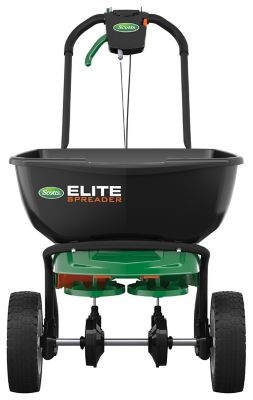
For the best results, identify the problem before reaching for a spray. A yellow patch may come from a nutrient shortage, compacted soil, poor drainage, insect activity, pet damage, or lack of moisture rather than weeds, and each cause calls for a different approach. Look closely at the blades and soil, check whether the damage follows a pattern, and compare a troubled area with healthy grass nearby. Spot treating small weed patches can reduce unnecessary product use, while a broad application may make sense when weeds are spread throughout the lawn and the label permits it. Keep lawn sprays in their original, clearly marked containers, stored according to the label and away from feed, seed, food, children, and animals. Rinse and maintain sprayers as directed, and never pour leftover material down a drain or onto bare ground. For yards that need a full seasonal reset, pair lawn sprays with dependable basics such as a spreader, hose, gloves, soil tools, and other
Spring Lawn Care Tools when conditions are right. A little patience goes a long way: steady mowing, sensible watering, sharp equipment, and the right treatment used at the right rate can help turf come through changing weather with stronger roots and a cleaner, more even appearance. Whether you are tidying a small patch by the porch or caring for a broad stretch around the barn, choosing a spray that matches the job makes lawn care simpler and helps protect the plants, soil, and surrounding property you work hard to maintain.