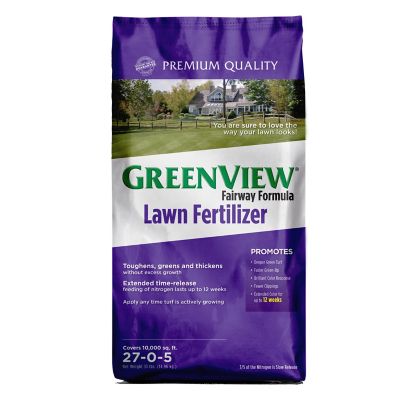
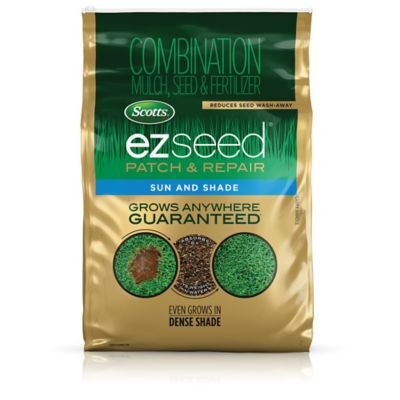
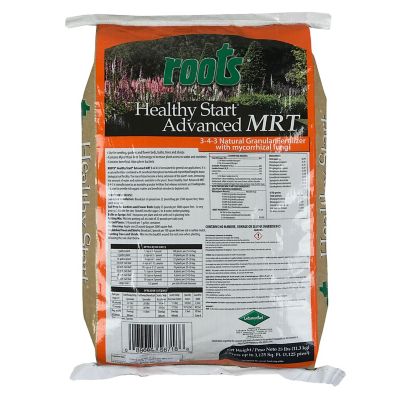
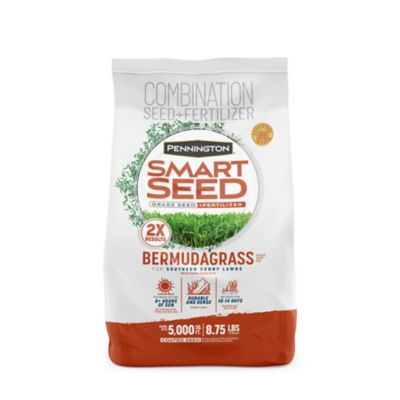
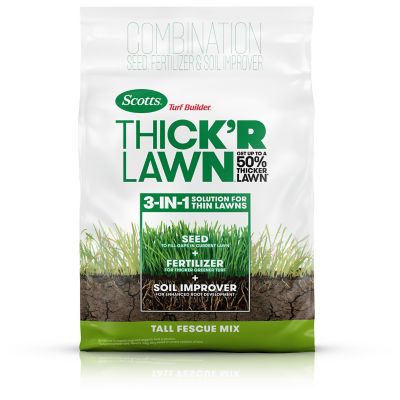
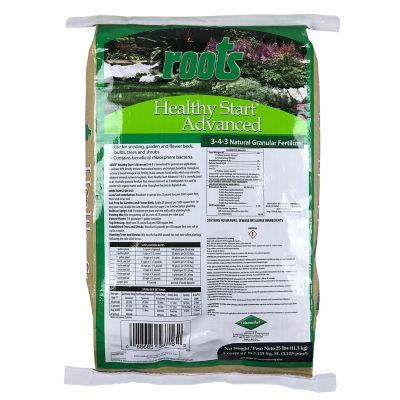
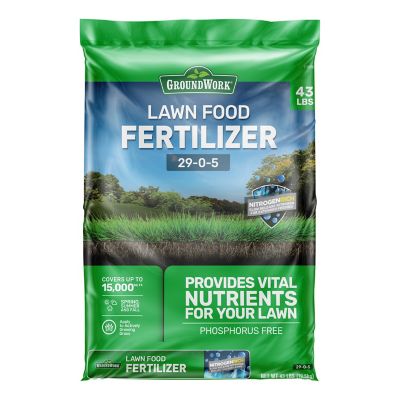
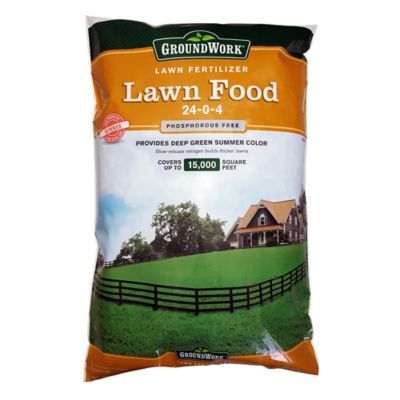
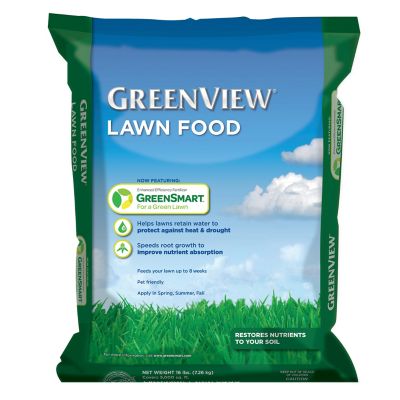
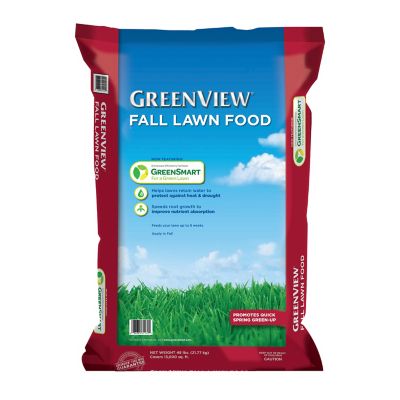
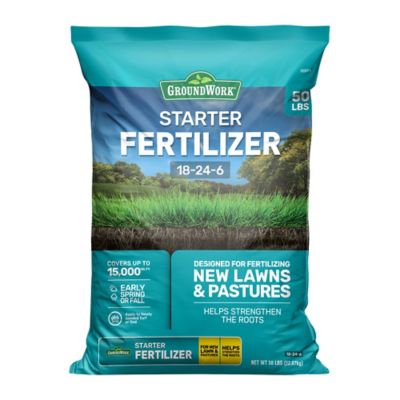
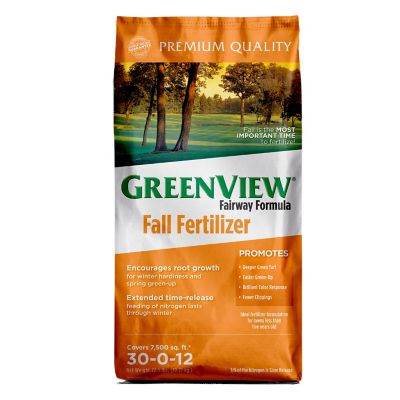
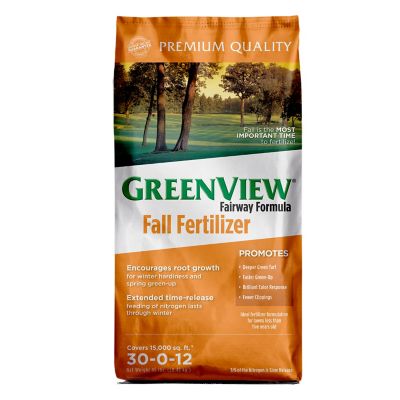
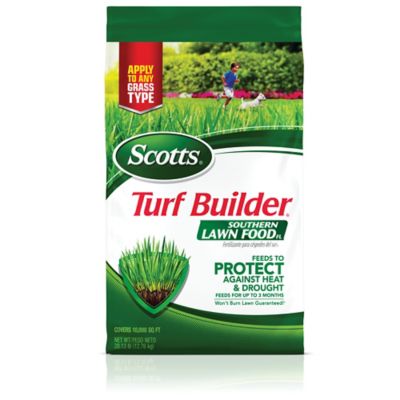
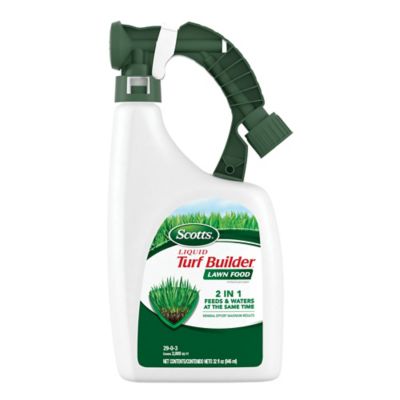
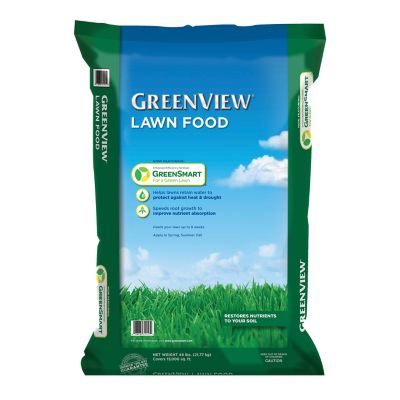
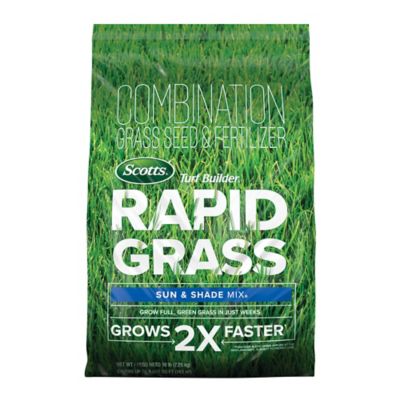
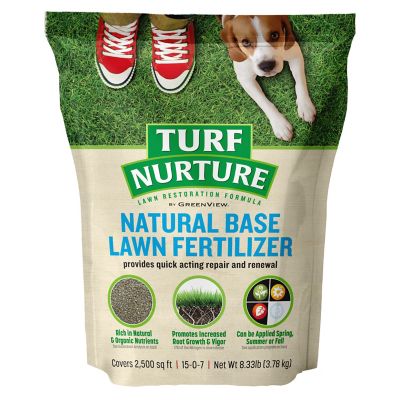
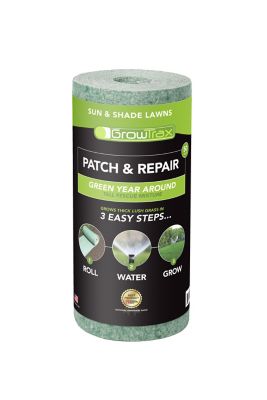
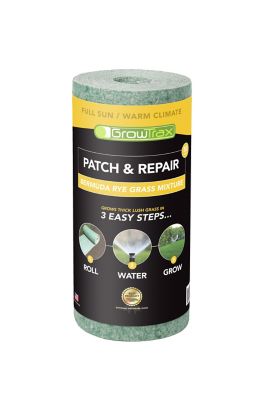
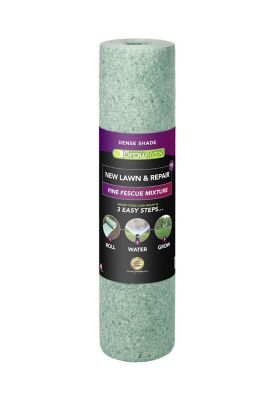
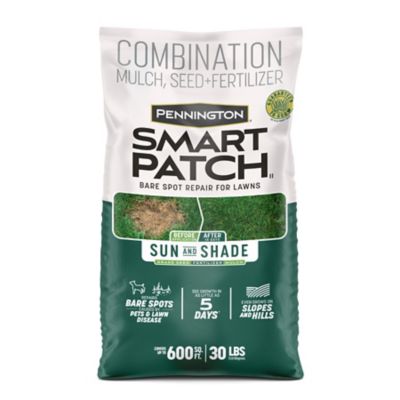
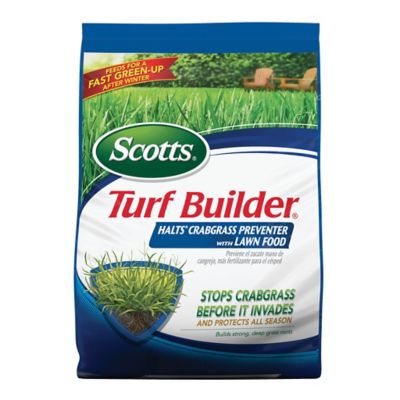
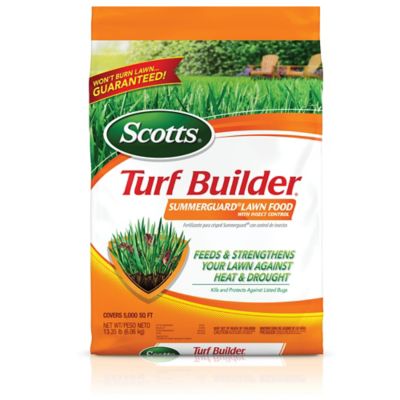
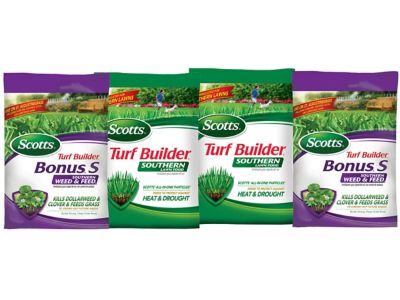
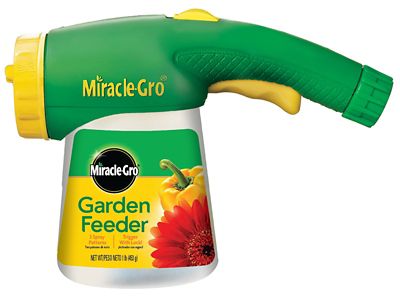
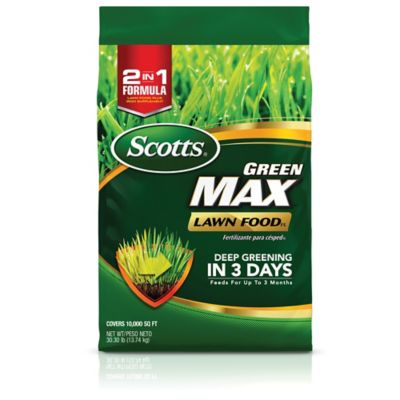
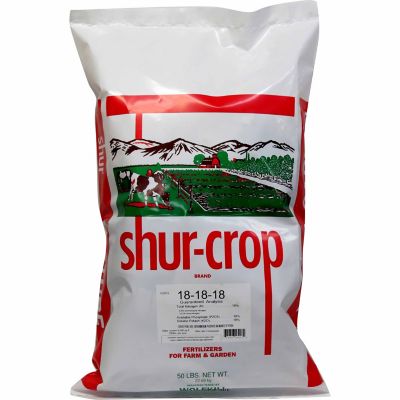
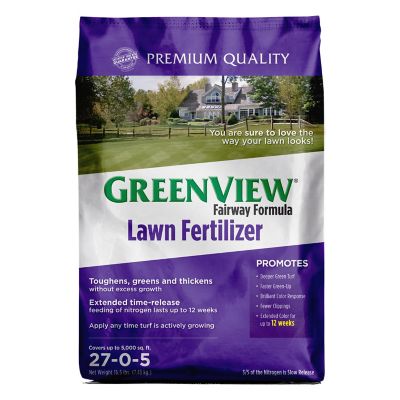
When it comes to growing a lush, healthy lawn, picking the right grass seed fertilizer can make all the difference, whether you’re working up a fresh patch or just filling in some bare spots. Folks all over know that the secret to thick, green grass isn’t just about tossing out seed and hoping for the best—it’s about giving those seeds the right start, right from day one. Grass seed fertilizers are specially made to help new grass roots dig down deep and get established, so you don’t end up with a patchy yard or thin spots where weeds take over. If you’re seeding a new lawn, overseeding to thicken things up, or patching up after a long, dry stretch, these fertilizers are a must-have. Most are packed with a higher amount of phosphorus than your everyday lawn food, since that’s what helps those tiny roots grow strong and steady. Timing is important, too—spreading a starter fertilizer when the soil is warm and moist (think late spring through early fall) gives seeds the best chance to sprout and thrive. And if you’re looking to gift something practical to a new homeowner, a neighbor fixing up their place, or even a family member who takes pride in their yard, a bag of grass seed fertilizer is something they’ll actually use and appreciate.
Using grass seed fertilizers is pretty straightforward, but a few tips from folks who’ve done it a time or two can help you get the most out of your efforts. First off, it’s smart to avoid heavy, nitrogen-rich fertilizers when you’re seeding, since those tend to push existing grass to grow faster and crowd out the new seedlings before they get a chance to put down roots. Instead, look for a starter formula with a good dose of phosphorus—something in the ballpark of a 12-18-8 or 6-10-6 blend. Spread it right when you seed, and keep the soil moist (not soaked, just damp to the touch) until those new blades are a couple inches tall. Watering a couple times a day, especially when the weather’s warm or breezy, helps keep things on track. Be patient with mowing and weed control—wait until you’ve mowed the new grass at least four times before reaching for any strong weed killers or crabgrass preventers. That gives your new lawn a fighting chance to get established without any setbacks. And if you’re looking to cover a bigger area or save yourself some time, check out fertilizer granules for easy spreading—learn more about them here:
Fertilizer Granules. Whether you’re a seasoned hand or just starting out, using the right grass seed fertilizer can turn a tired yard into the kind of green space you’ll want to kick back and enjoy all season long.